
Executive Overview
From the towering pulleys hoisting heavy building materials to the invisible screws holding everyday structures together, simple machines remain the foundational bedrock of modern engineering and physics. Far from being archaic educational concepts, these six basic mechanical devices—the lever, the inclined plane, the wedge, the screw, the wheel and axle, and the pulley—form the core architecture of all complex machinery and compound tools utilized in contemporary society.
In recent years, educational paradigms have shifted dramatically toward hands-on STEM (Science, Technology, Engineering, and Mathematics) learning. Educators and parents alike are increasingly recognizing that theoretical physics cannot be effectively mastered in a vacuum; it requires tangible, experiential engagement. By investigating the true definition of physical work, understanding mechanical advantage, and debunking prevalent misconceptions about friction and effort, students can bridge the gap between abstract textbook formulas and real-world applications.
This comprehensive report examines the physics governing simple machines, outlines six interactive, classroom- and home-tested project demonstrations, explores the nuances of mechanical advantage, and provides forward-looking insights into how early tactile engineering sparks lifelong innovation.
Detailed Chronology: The Evolution of Simple Machines in Education
The formal study of simple machines is deeply rooted in antiquity, originating with Greek philosophers such as Archimedes around the 3rd century BCE, who famously declared, "Give me a place to stand, and I shall move the Earth," in reference to the immense power of the lever. However, translating these ancient mechanical principles into accessible, modern pedagogical tools has been a progressive pedagogical journey spanning the last century.
Historical Milestones in Mechanical Pedagogy
- Early 20th Century (The Industrial Shift): As industrial machinery reshaped the global workforce, early technical schools began formalizing physics curricula. Simple machines were introduced primarily as vocational training modules, emphasizing their utility in manufacturing, agriculture, and construction.
- The Post-Sputnik Era (1950s–1970s): Following the launch of Sputnik, science education underwent a radical national overhaul. Schools shifted away from rote memorization toward inquiry-based laboratory experiments. Simple machine kits—frequently featuring wooden levers, brass pulleys, and metal weights—became standard equipment in elementary and middle school science labs.
- The Turn of the Millennium (The Rise of Constructivism): Educational theorists heavily emphasized constructivist learning—the idea that learners construct knowledge actively rather than passively taking in information. This era saw the proliferation of DIY classroom projects using everyday, recycled household items (such as cardboard tubes, bottle caps, and binder clips), making mechanical engineering universally accessible regardless of school district funding.
- Present Day (The STEM and Maker Movement): Today, simple machines serve as the launching pad for advanced robotics, coding, and maker-space environments. Modern students do not merely observe a pulley; they integrate 3D-printed wheels, laser-cut levers, and algorithmic sensors to build complex Rube Goldberg machines and automated systems.
Supporting Context & Metrics: Defining Work and Mechanical Advantage
To comprehend the value of simple machines, one must first demystify the scientific definition of "work." In everyday vernacular, work describes labor, employment, or any exertion of mental or physical effort. In the realm of physics, however, work possesses a precise, mathematical definition.
The Physics of Work
In physics, work ($W$) is defined as the amount of force ($F$) applied to an object multiplied by the distance ($d$) over which that force is applied. Expressed as an equation:
$$W = F times d$$
Crucially, simple machines do not decrease the total amount of work required to complete a task. Energy is conserved; therefore, the total work input equals the work output (minus minor losses due to friction). Instead, simple machines provide a mechanical advantage. They alter the trade-off between force and distance, allowing a user to apply a smaller force over a longer distance to move a heavy load.
[ Traditional Effort ] ──> High Force Over Short Distance (Often Impossible)
[ Simple Machine ]     ──> Low Force Over Long Distance   (Achievable & Safe)
Quantitative Metrics in the Classroom
Educational studies consistently highlight the efficacy of tactile STEM engagement:
- Comprehension Retention: According to educational research compiled by various STEM advocacy groups, students retain roughly 75% to 90% of educational material through hands-on practice and teaching others, compared to just 10% through passive reading.
- Accessibility Index: Utilizing recycled household goods (such as plastic bottles, cardboard, and rubber bands) for mechanical demonstrations reduces educational resource costs by over 85%, ensuring that underprivileged classrooms can achieve parity in STEM exposure.
- Early Engagement Impact: Longitudinal studies indicate that children who engage in structural building and mechanical experimentation before the age of ten are 30% more likely to pursue higher education or careers in engineering, architecture, or computer science.
6 Fun, Hands-On Simple Machine Projects
Bringing mechanical physics to life requires active experimentation. Below are six meticulously outlined projects—one for each classic simple machine type—tailored for both classroom environments and home-based STEM learning.
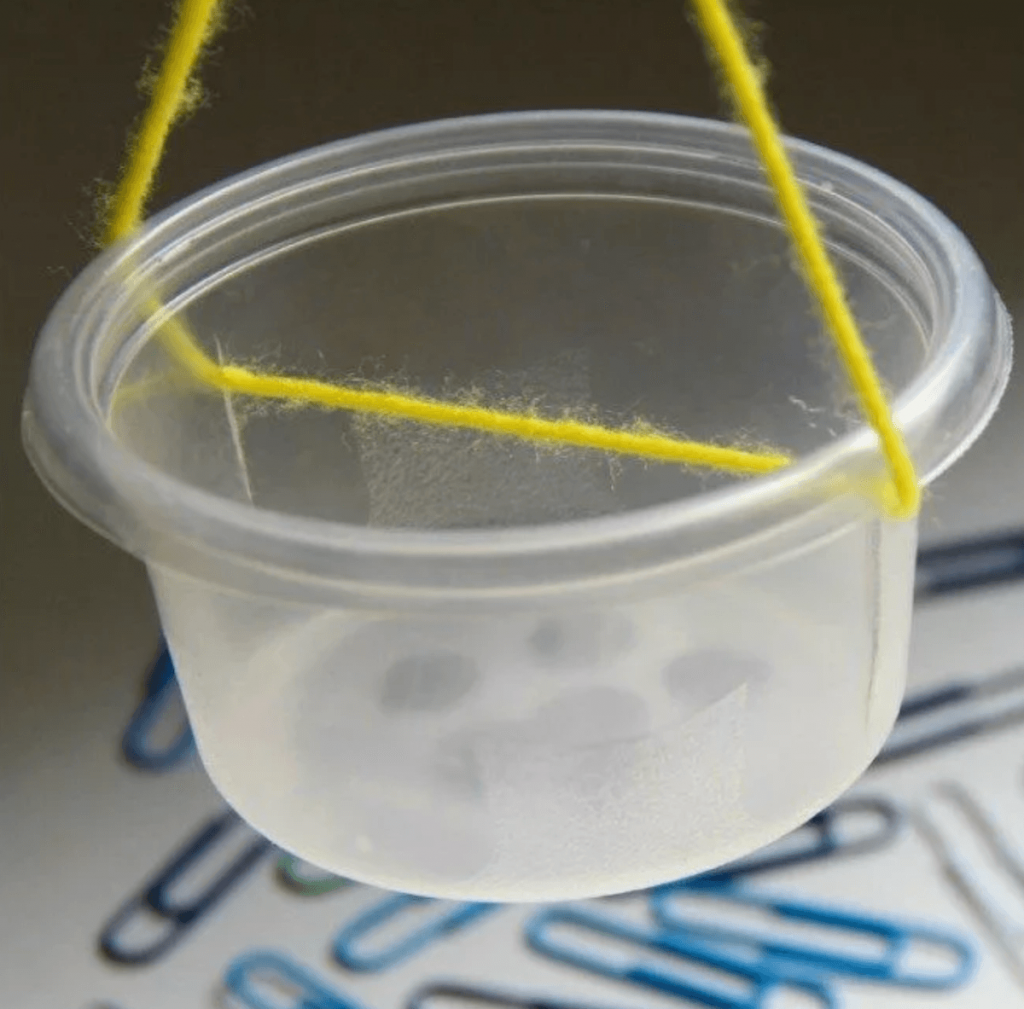
1. Make Your Own Pulley
- Target Machine: Pulley
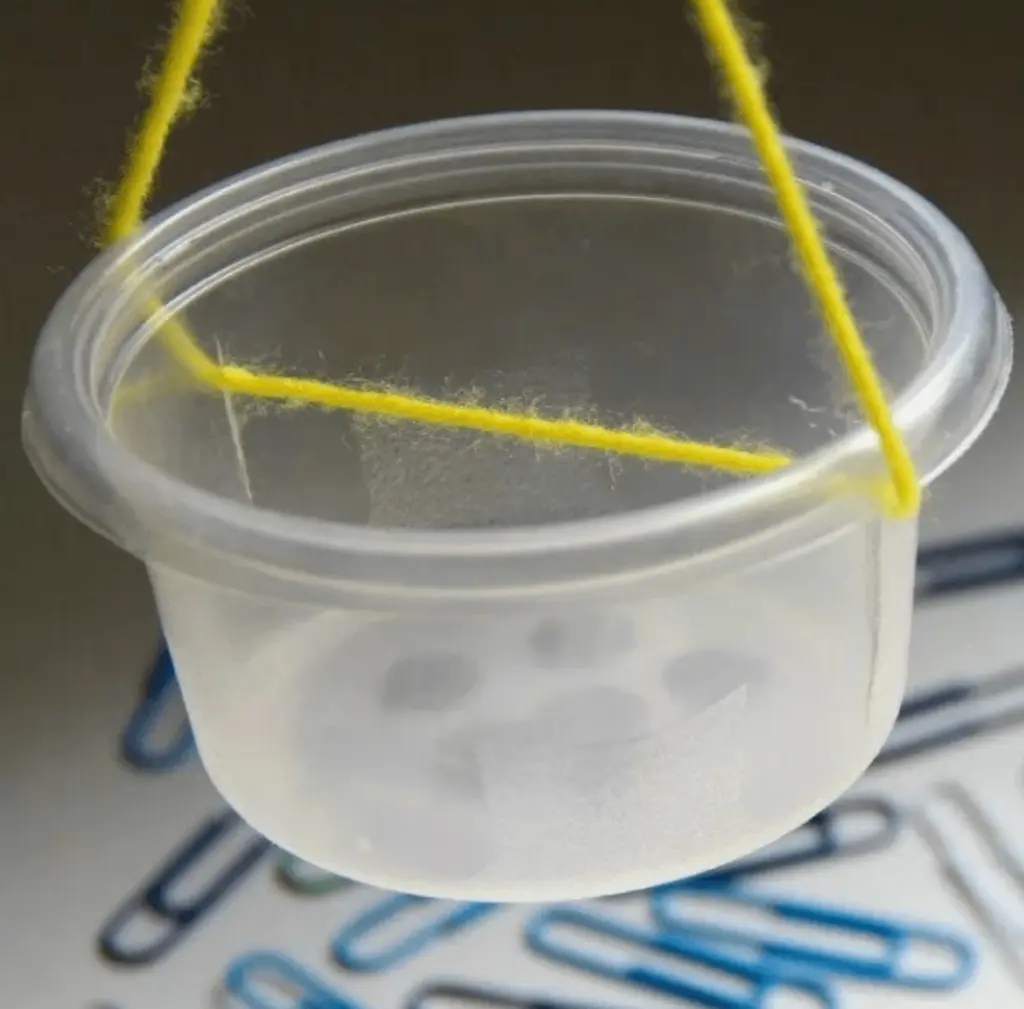
- Materials Needed: Spools (or plastic bottle caps), twine or string, a small basket or bucket, a sturdy dowel or hanger, and small weights (like metal washers or marbles).
- Procedure: Suspend the dowel horizontally. Mount the spool so it rotates freely on the dowel. Thread the string over the spool, attaching the small bucket to one end. Have students load the bucket with weights.
- Physics in Action: By pulling downward on the string, the force is redirected upward, lifting the heavy bucket with significantly less perceived physical strain. Turn this into an interactive game by challenging students to calculate the maximum number of washers the pulley system can lift before slipping.
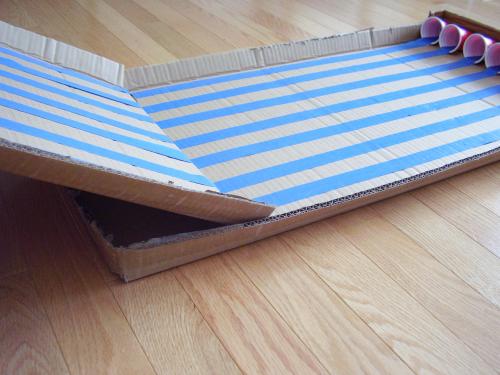
2. Marble Run Inclined Plane
- Target Machine: Inclined Plane
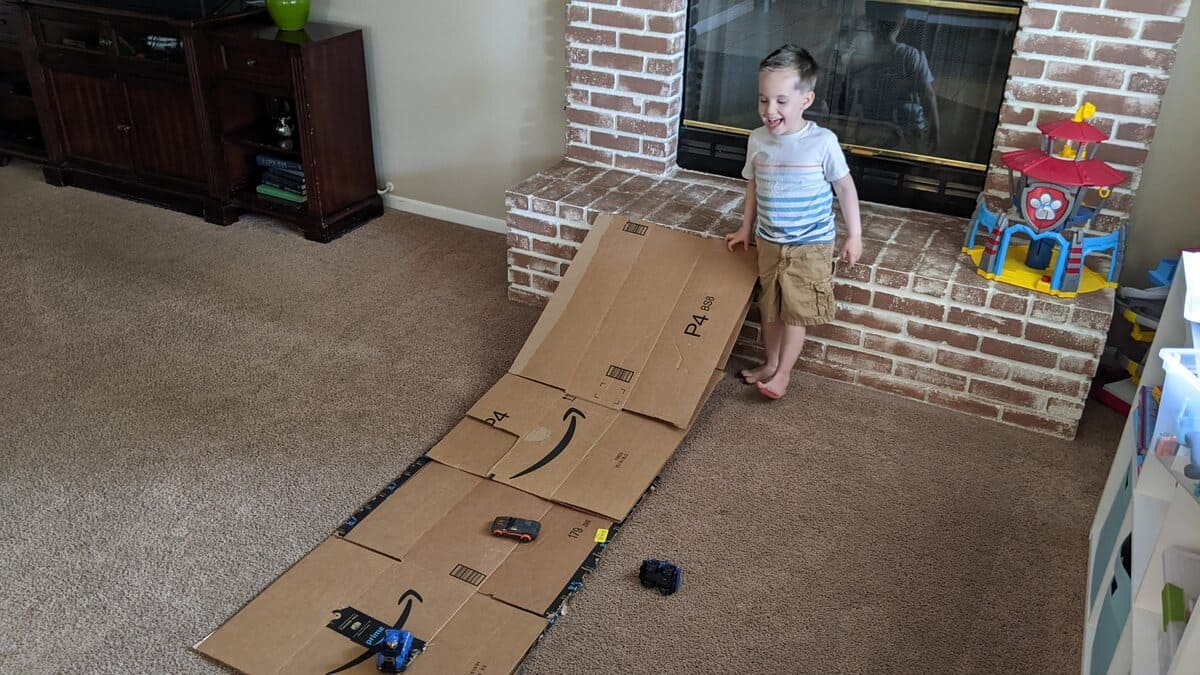
- Materials Needed: Cardboard sheets, wooden planks, books (to adjust height), marbles, and toy cars.
- Procedure: Construct a multi-tiered marble run or car racecourse using inclined planes of varying steepness. Allow students to measure the time it takes for a marble to travel down a steep incline versus a gradual, elongated incline.
- Physics in Action: This project vividly illustrates how an inclined plane reduces the immediate force needed to raise an object to an elevated platform by distributing the elevation gain over a longer horizontal distance.
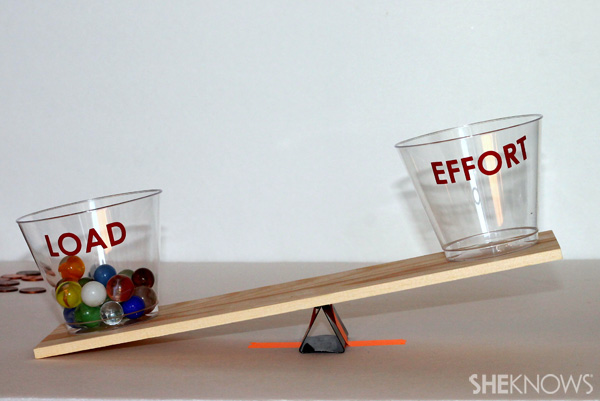
3. Make a Lever with a Binder Clip
- Target Machine: Lever
- Materials Needed: Large binder clips, craft sticks, small rubber bands, and lightweight objects (such as erasers or coins) to act as loads.
- Procedure: Use the metal arms and plastic body of a binder clip to create a stable fulcrum. Balance a craft stick across the fulcrum to form a miniature seesaw lever. Place an eraser on one end (the load) and apply downward pressure on the opposite end (the effort).
- Physics in Action: Students can experiment by shifting the fulcrum closer to or further from the load, observing firsthand how lever arm length dictates the required effort force.
4. Splitting Play Dough with a Wedge
- Target Machine: Wedge
- Materials Needed: Non-toxic play dough, triangular wooden or plastic wedge blocks, and safety cutting tools.
- Procedure: Roll out cylindrical logs of play dough to simulate solid timber. Ask students to attempt cutting the "log" using only the flat edge of their bare hand. Naturally, the dough compresses without separating. Next, introduce the triangular wedge and press it downward.
- Physics in Action: The wedge converts a downward linear force into outward, lateral forces, cleanly splitting the material. This serves as a safe, intuitive proxy for heavy-duty tools like axes and doorstops.
5. Demonstrating Screws
- Target Machine: Screw
- Materials Needed: A thick block of soft wood, standard metal nails, wood screws, and a manual screwdriver.
- Procedure: Invite students to attempt pushing a metal nail directly into the wood using only hand pressure. Once they experience the impossibility of the task, demonstrate how rotating a screw forces it smoothly into the timber.
- Physics in Action: A screw is fundamentally an inclined plane wrapped around a central cylinder. The helical threads convert rotational force (torque) into linear holding power, demonstrating extreme mechanical advantage.
6. Wheel and Axle Recycled Cars
- Target Machine: Wheel and Axle
- Materials Needed: Cardboard tubes (from paper towels or toilet paper), plastic bottle caps, wooden skewers or plastic straws, and decorating supplies.
- Procedure: Pierce the cardboard tube to thread straws or skewers through as axles, securing plastic bottle caps at the ends as wheels. Load the vehicle with weights to test its rolling efficiency.
- Physics in Action: Compare pushing a hollow cardboard cylinder directly across the floor (experiencing high sliding friction) to rolling it on a wheel-and-axle assembly. Students immediately observe how rolling friction is drastically lower than sliding friction, allowing heavy loads to travel efficiently.
Common Misconceptions About Simple Machines
Even though simple machines are conceptually straightforward, several entrenched pedagogical misunderstandings frequently arise in educational settings. Addressing these misconceptions is vital for cultivating rigorous scientific literacy.
Misconception 1: All Levers Function Identically
Many students assume that every lever operates the same way. In reality, physics categorizes levers into three distinct classes based on the relative positions of the fulcrum ($F$), the effort ($E$), and the load ($L$):
- First-Class Levers: The fulcrum is located between the effort and the load (e.g., a seesaw, crowbar, or pair of scissors).
- Second-Class Levers: The load is located between the fulcrum and the effort (e.g., a wheelbarrow, nutcracker, or bottle opener).
- Third-Class Levers: The effort is applied between the fulcrum and the load (e.g., tweezers, tongs, or a human forearm).
Recognizing these classifications enables students to analyze tools across domestic, industrial, and biological systems with precision.
Misconception 2: Friction Is Always the Enemy
A common narrative paints friction as an undesirable obstacle that wastes energy. While friction does generate thermal energy loss, it is fundamentally essential for the operation of several simple machines:
- A wedge (such as a doorstop or axe blade) relies entirely on static friction to remain lodged within or against a material without sliding backward.
- A wheel and axle requires friction between the tire and the ground to propel a vehicle forward; without friction, the wheels would simply spin in place (slip).
Thus, friction is not merely an adversary to be eliminated, but a critical variable in the mechanical equation.
Misconception 3: Simple Machines Reduce Total Work
As established through the work equation ($W = F times d$), simple machines do not magically decrease the total amount of work required to accomplish a task. Energy cannot be created from nothing. Instead, simple machines trade force for distance. They allow a weaker force to achieve a monumental goal by stretching that effort out over a greater spatial or temporal domain.
Future Outlook: The Next Generation of Engineering and STEM
As educational frameworks evolve to meet the demands of an increasingly automated, technology-driven global economy, the foundational role of simple machines remains unassailable. Modern engineering—ranging from microscopic micro-electromechanical systems (MEMS) to massive robotic assembly lines—relies entirely on the compounding and scaling of these six basic devices.
Emerging Trends in STEM Education
- Integration with Robotics and Coding: Today’s students are moving beyond static cardboard models. Educators are pairing simple machine kits with programmable microcontrollers (such as Arduino and Raspberry Pi), allowing students to motorize pulleys, automate levers, and program motorized wheels and axles.
- Advanced Rapid Prototyping: The democratization of 3D printing and computer-aided design (CAD) means that elementary and middle school students can design custom gear ratios, complex screw threads, and interlocking wedges, testing their structural integrity in virtual physics simulators before physical fabrication.
- Cross-Disciplinary Project-Based Learning: Curricula are increasingly merging physics with the arts (STEAM). By challenging students to design intricate Rube Goldberg machines—multi-step contraptions that utilize every simple machine imaginable to perform a simple task like popping a balloon—educators foster creative problem-solving, resilience, and collaborative teamwork.
Conclusion
Simple machines are far more than historical artifacts or rudimentary classroom props; they are the intellectual keys that unlock the physical universe. By grounding early education in tactile exploration, demystifying complex physics equations, and correcting persistent mechanical misconceptions, educators and parents can empower the next generation of engineers, architects, and innovators. As children twist screws, roll wheels, and hoist homemade pulleys, they are not merely playing—they are building the future.

