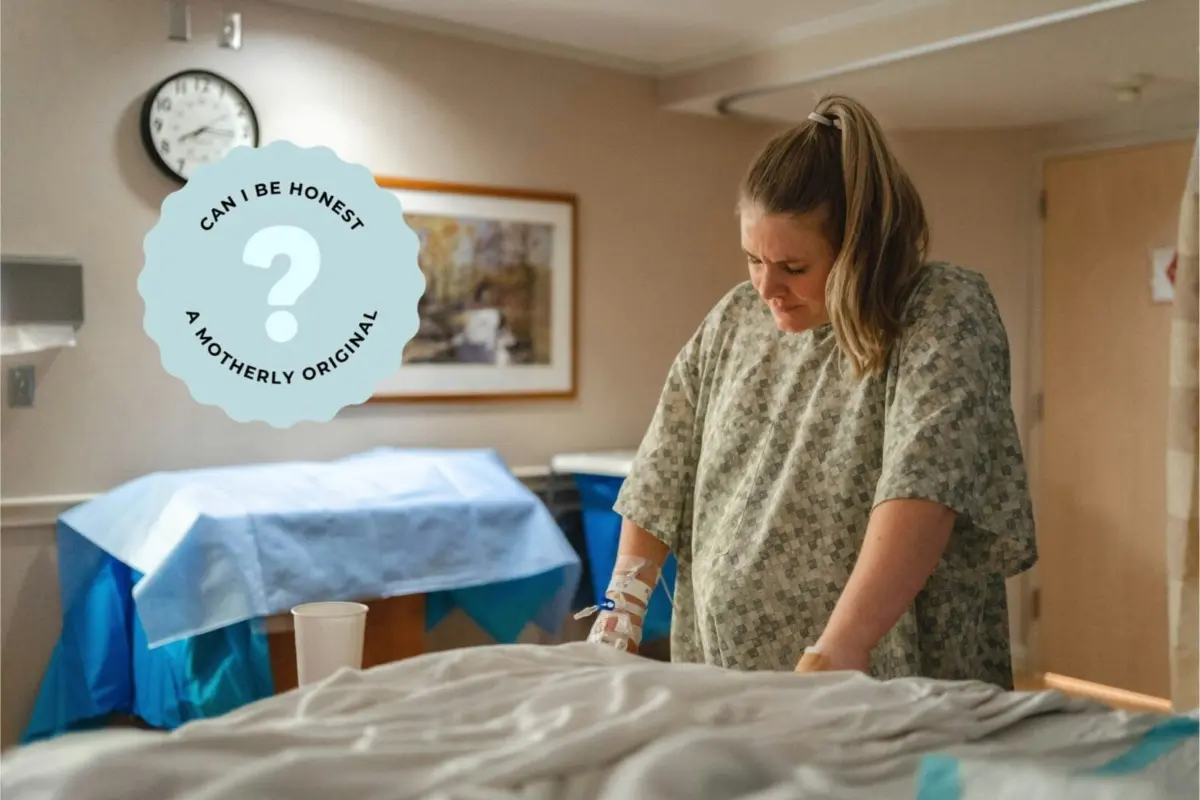
For generations, the cultural narrative surrounding childbirth has been dominated by a standardized script: your water breaks, rhythmic abdominal contractions steadily build in intensity, you arrive at the hospital, you push, and a baby is born. Movies, television, and even well-meaning birth classes frequently reinforce this linear, predictable sequence. Yet, for a significant percentage of laboring women, this script is violently upended by a phenomenon rarely discussed with adequate gravity ahead of time: back labor.
Characterized by localized, often unyielding lower back pain that eclipses traditional abdominal cramping, back labor catches countless expectant mothers entirely off guard. Far from being a minor variation of normal labor discomfort, it is frequently described as an excruciating, debilitating ordeal that challenges coping mechanisms and complicates clinical assessments. This investigative report explores the anatomical and physiological realities of back labor, examines why it remains a glaring blind spot in mainstream prenatal education, and shares firsthand insights into a birth experience that defies conventional expectations.
Detailed Chronology: A Mother’s Journey Through the Unknown
The Casual Warning
The journey toward understanding back labor began long before the delivery room, at roughly 20 weeks of pregnancy. Sitting across from a friend at a quiet Chinese restaurant, an expectant mother sought a detailed, blow-by-blow account of her friend’s recent labor experience. The response was visceral and unfiltered—punctuated by explicit language detailing the unexpected intensity of lower back pain that blindsided her from the onset.
At the time, the listener deflected. Shielded by the psychological defense mechanism of wanting an "easy" birth, she mentally edited out the harsher details, choosing to manifest a smoother, more traditional path. The clinical descriptions of back labor—defined by pressure and muscular torment—remained abstract theories until reality intervened.
Week 37: The Inescapable Awakening
Fast-forward to week 37. The reality of back labor arrived not as a gentle tightening of the abdomen, but as a visceral awakening from a nightmare about lower back pain. Waking up in the middle of the night, the author realized the pain was real, relentless, and inescapable. There was no mistaking that labor had begun, nor that this was the very condition she had tried so hard not to think about.
Upon arriving at the hospital, the pain reached levels that defied simple articulation or clear memory. When she asked a nurse if this excruciating sensation was indeed back labor, the response was kind, albeit cautious: "It could be!"
Sent home to rest because the baby was stable and contractions remained irregular, the pain subsided temporarily, only to return with a vengeance the following night. Accompanied by severe vomiting, the recurrence sent the couple racing back to the hospital. Writhed in the backseat, shouting at her husband to accelerate, she became a spectacle of distress, drawing bewildered and worried glances from onlookers caught in the car’s headlights.
The Hospital Bed and the Mystery of Contractions
Back at the clinical facility, the situation grew more complex. Fetal monitoring revealed concerning fluctuations in the baby’s heart rate, drawing an immediate, focused response from the care team. Yet, a confounding paradox emerged: while monitors registered steady contractions, the mother felt virtually nothing in her abdomen.
Instead, the agony was entirely anchored in her lower back, arriving on a brutal, independent schedule. It stopped feeling like a physiological process happening within her body and began to feel like a catastrophic event occurring around her.
When the moment finally arrived to transition into pushing, a profound sense of confusion set in. Had she missed the traditional contractions entirely? Was the agonizing back pain the totality of her labor experience? The lingering questions highlighted a gaping void in prenatal preparation: why had no one clearly explained what her body would actually go through?
Supporting Context & Metrics: Understanding the Anatomy of Back Labor
To demystify this harrowing birth experience, it is vital to examine the physiological mechanics driving back labor.
What is Back Labor?
According to board-certified OB-GYN Dr. Brandye Wilson-Manigat, "Back labor is a term used to describe intense pain in the lower back during labor. It is thought to occur when the baby’s position places increased pressure on the mother’s sacrum, tailbone, and surrounding tissues during contractions, making the pain much more noticeable in the lower back than in the abdomen."
While pain is inherently subjective, the clinical presentation distinguishes back labor from traditional contractions. "Some women describe it as constant pressure, while others notice sharp pain that worsens with each contraction," Dr. Wilson-Manigat notes. "Many women who experience back labor describe it as significantly more intense or difficult to cope with than traditional labor."
Why Does Back Labor Happen?
Medical professionals emphasize that while fetal positioning is a primary catalyst, it is not the sole factor.
Occiput Posterior Position: Back labor is frequently a strong clinical clue that the baby’s skull is resting against the posterior (back) of the mother’s pelvis (often referred to as being "sunny-side up"). However, doctors stress that this is not a definitive sign.
Anatomical Variables: Factors entirely outside of a mother’s control—such as the unique shape and size of her pelvis, a baby too large for the available pelvic space, or soft-tissue resistance preventing optimal fetal rotation—play substantial roles.
The Information Gap
If back labor is a recognized and physiologically significant variation of childbirth, why are so many expectant parents left in the dark until it strikes?
Dr. Wilson-Manigat explains that because back labor is not the universal baseline experience, it frequently gets sidelined in standard prenatal curricula. Furthermore, because many coping strategies (such as counter-pressure, hydrotherapy, and position changes) overlap with those used for general labor pain, it is often folded into the broader, generalized conversation of "birth pain" rather than treated as a distinct, specialized challenge requiring targeted preparation.
Official Statements & Expert Perspectives
The medical community is increasingly recognizing the psychological toll that unprepared-for birth complications take on new mothers. Birth trauma and postpartum anxiety frequently trace their roots back to a profound disconnect between expectations set during pregnancy and the reality experienced in the delivery suite.
"We cannot treat birth like a monolithic script where every woman’s body responds identically," notes a leading maternal health advocate. "When mothers are told they will experience a neat, predictable pattern of contractions, and they are instead hit with unrelenting, paralyzing sacral pressure, the psychological shock can compound the physical pain. Informed consent and comprehensive education must encompass the messy, non-linear realities of labor."
Medical boards emphasize that while providers cannot always predict which patients will experience occiput posterior positioning or severe back labor, proactive education regarding comfort measures—such as spinning babies techniques, pelvic-tilting exercises, and the strategic deployment of doulas trained in counter-pressure—can drastically improve maternal coping and birth satisfaction.
Future Outlook: Reforming Prenatal Education
The narrative surrounding birth must evolve from one of sanitized perfection to one of radical transparency. Expectant mothers deserve more than sanitized depictions of labor; they deserve a realistic toolkit that acknowledges the broad spectrum of physical sensations they may encounter.
Reflecting on her journey, the author offers a vital takeaway for those currently navigating pregnancy:
"Back labor is uncommon enough to catch you off guard, but common enough that it deserves a prominent mention. You deserve to know, going in, that it’s possible. But if it happens, know that it ends, the way all of it eventually does. And what’s waiting on the other side is worth it."
As maternal healthcare systems increasingly prioritize holistic, patient-centered models, integrating detailed discussions of back labor into childbirth education classes represents a crucial step forward. By arming mothers with knowledge rather than false assurances, we can dismantle the isolation of the delivery room and ensure that no woman has to ask, "Is this normal?" while enduring the most intense trial of her life.