
Executive Overview
For millions of households across the globe, the transition from the workday to the evening meal represents a daily crucible. The exhaustion of professional and domestic responsibilities collides head-on with the notoriously fickle demands of modern family palates. At the center of this culinary battlefield lies the dreaded phrase: "Nothing sounds good." Compounding this frustration is the psychological and physical toll of catering to a household of fragmented preferences—where one child detests green vegetables, another demands a specific carbohydrate, and partners harbor conflicting dietary goals or restrictions.
Historically, home cooks faced a demoralizing binary choice: prepare a single, rigid meal and weather the storm of complaints and wasted food, or act as a short-order line cook, laboriously orchestrating multiple distinct dishes in a single, chaotic kitchen. Both options guarantee burnout, food waste, and heightened domestic stress.
However, a quiet paradigm shift is taking place in modern domestic kitchens. Culinary researchers, parenting experts, and home economics advocates are championing a new approach known as "meal architecture" or "modular cooking." Rather than viewing a dinner as a monolithic, inflexible recipe, this strategy focuses on crafting versatile, neutral, or highly adaptable culinary "bases." These anchor ingredients can then be customized by individual family members at the table through a diverse array of sauces, starches, and toppings.
This in-depth report explores the psychology of modern family mealtime resistance, examines nine foundational recipes designed for maximum versatility, and analyzes how modular meal planning is reshaping household dynamics, reducing food waste, and restoring sanity to the dinner hour.
Detailed Chronology: The Evolution of the Modern Family Dinner Dilemma
To understand why the evening meal has become such an acute source of domestic friction, it is helpful to examine how family dining has evolved over the past several decades.
The Mid-20th Century Standard (1950s–1970s)
For generations, the concept of the family dinner was largely autocratically managed. A single meal was prepared by one primary caregiver, and the household partook collectively. Deviations from the menu were rarely accommodated, rooted in post-war frugality and a cultural acceptance of "you eat what you are served." While this model solved the logistical challenge of feeding a family efficiently, it frequently fostered negative psychological associations with specific foods and ignored individual nutritional needs or sensory sensitivities.
The Rise of Dietary Specialization (1980s–2000s)
As nutritional science advanced and culinary horizons expanded through globalization, household diets fragmented. The late 20th century saw the introduction of widespread dietary tracking, vegetarianism, food allergies, and heightened awareness of picky eating behaviors. Kitchens transformed from centralized mess halls into micro-diner counters where parents attempted to balance low-fat diets for themselves, plain pasta for toddlers, and distinct protein preferences for teenagers. The short-order cook phenomenon was born, stretching parental energy reserves to a breaking point.
The Contemporary Crisis (2010s–Present)
Today, the convergence of dual-income households, hyper-scheduled children, economic pressures, and constant exposure to idealized social media food trends has created a perfect storm. Parents are exhausted long before they step foot in the kitchen. The cognitive load of deciding what to cook, let alone coordinating divergent tastes, has been identified by family therapists as a significant contributor to end-of-day burnout.
Enter the modern modular approach. Rather than fighting the tide of diverse preferences, contemporary home economists suggest leaning into them. By establishing a unified structural foundation for a meal while outsourcing the final customization to the individual, the kitchen transitions from a stressful battleground into a cooperative culinary station.
Supporting Context & Metrics: The Anatomy of Meal Fatigue
To appreciate the value of modular cooking, one must examine the metrics governing modern home kitchens. According to recent domestic management surveys:
- Decision Fatigue: The average parent spends upwards of 45 minutes daily contemplating evening meal logistics, a cognitive expenditure that peaks precisely when daily energy reserves are at their lowest.
- Food Waste Dynamics: Households preparing multiple distinct meals—or those whose single meals are rejected by picky eaters—discard an estimated 25% more edible food than those utilizing flexible, modular ingredient systems.
- The "Picky Eater" Spectrum: Pediatric dietary studies indicate that forcing children to consume uncustomized, complex combination dishes increases anxiety around food. Conversely, allowing children agency over the assembly of their plates (such as separating proteins from sauces and starches) dramatically increases caloric intake and willingness to try new ingredients over time.
By utilizing high-yield, versatile base components, home cooks can bypass the paralysis of choice. Below are nine foundational meal frameworks designed specifically to mitigate dinner fatigue through ultimate customizability.
Nine Modular Dinner Frameworks for Divided Households
01. Air-Fryer Chicken Bites: The Ultimate Blank Slate
The air fryer has earned a permanent place on modern countertops due to its speed and efficiency, but its greatest asset is its ability to render lean proteins crispy on the outside and tender within. Starting with simple, unseasoned or lightly seasoned chicken bites provides an entirely neutral protein canvas.
- The Customization Pipeline: Toss one portion in buffalo sauce and serve it over a quick-prep macaroni and cheese cup for a child seeking comfort food. Fold another portion into a flour tortilla with melted cheese and mild taco sauce for a quesadilla. For adults seeking a lighter, nutrient-dense profile, drop the bites atop a vibrant green salad. Alternatively, lean into classic boneless wing-style preparations with an array of dipping sauces.
02. Versatile Turkey Lean Meatballs
Ground poultry is often praised for its health profile, but traditional turkey meatballs can suffer from dryness if not handled correctly. Utilizing trusted culinary techniques (such as those popularized by budget-conscious food sites) yields tender, savory spheres that absorb whatever flavor profile is imposed upon them.
- The Customization Pipeline: Meatballs represent the pinnacle of carb-and-sauce modularity. Serve them over traditional long-format pasta with marinara for traditionalists; drop them into an Asian-inspired rice bowl drizzled with teriyaki and sesame; or tuck them into a toasted sub roll blanketed in provolone cheese. Every family member gets their preferred starch and sauce vehicle while utilizing the exact same core protein.
03. Blackened Chicken Cobb Salad: Component Cooking at Its Best
While a classic Cobb salad is a complete meal in its own right, its genius lies in its compartmentalized components: hard-boiled eggs, bacon, crisp greens, tomatoes, blue cheese, and blackened chicken breast.
- The Customization Pipeline: Rather than forcing everyone to consume a bowl of greens, treat the components as a buffet. Family members who love salads can construct a traditional Cobb. Those seeking heartier fare can immediately pivot the ingredients into a toasted BLT sandwich, roll the components into a high-protein lunch wrap, or construct a personalized chicken burrito bowl using grains as the base.
04. Southwest Chicken Bowls: The Modular Fiesta
Bowl-style dinners have dominated culinary media for good reason: they offer visual appeal, nutritional balance, and absolute structural flexibility. Starting with a base of seasoned Southwest chicken allows for endless creative permutations.
- The Customization Pipeline: Enjoy the chicken, beans, corn, and rice as a wholesome bowl. Alternatively, wrap the exact same ingredients inside a warm flour tortilla to form a burrito, press them in a skillet for a crispy quesadilla, or scatter them over tortilla chips for loaded family-style nachos. For exceptionally selective eaters, simply extract the unadorned chicken and pair it with familiar comforts like ketchup, fresh fruit, and plain corn chips.
05. Sweet Potato & Ground Beef Bowls: Elevated Comfort Meets Separation
Inspired by viral social media food trends combining roasted sweet potato, creamy cottage cheese or yogurt, and savory ground beef, this style of bowl bridges the gap between sophisticated adult dining and kid-friendly deconstruction.
- The Customization Pipeline: Adults can revel in the complex interplay of savory, sweet, and creamy textures. Meanwhile, children or hesitant eaters can easily parse the ingredients apart on the plate—enjoying the seasoned beef and sweet potato cubes separately while omitting or substituting polarizing elements like avocado or specialty spreads without disrupting the broader meal prep.
06. Easy Dutch Oven Shredded Chicken: The King of Versatility
Slow-simmered or Dutch oven-braised shredded chicken is arguably the most forgiving protein a home cook can master. A proper braising technique ensures the meat remains exceptionally moist, shredding effortlessly with the fork.
- The Customization Pipeline: The applications are virtually limitless. Drench a portion in smoky barbecue sauce and pile it onto brioche buns for pulled chicken sandwiches. Fold it into a cheesy wrap for lunch-style handhelds. Or, in a stroke of ultimate comfort-food engineering, spoon the warm, tender chicken directly over a mountain of buttery mashed potatoes and smother the entire creation in rich savory gravy.
07. Customizable Homemade Pizza: The Ultimate Division of Labor
Making pizza dough from scratch (or utilizing high-quality store-bought alternatives) transforms dinner from a chore into an interactive group activity. Pizza is uniquely suited to household customization because the pie can be spatially partitioned.
- The Customization Pipeline: One half of a single baking sheet or round pan can be dressed with white sauce, wild mushrooms, and truffle oil for sophisticated palates. The adjacent quadrant can host a bright zucchini, corn, and basil garden configuration, while the final section remains a simple, unadorned mozzarella and tomato classic for children. Everyone eats concurrently, from the same culinary event, yet consumes entirely customized ingredients.
08. Taco Potatoes: Starch-Shifting Innovation
Baked potatoes serve as an incredible edible vessel. By taking traditional taco flavor profiles—seasoned ground beef or beans, cheese, salsa, sour cream, and jalapeños—and deploying them over a fluffy baked potato base, you create a deeply satisfying, hearty meal.
- The Customization Pipeline: If preferences shift mid-evening, the exact same toppings can be instantly pivoted away from potatoes and onto standard taco shells, tortilla chips for nachos, or rolled into burritos. It is a brilliant exercise in utilizing pantry staples and fridge remnants to satisfy sudden whim-based dietary changes.
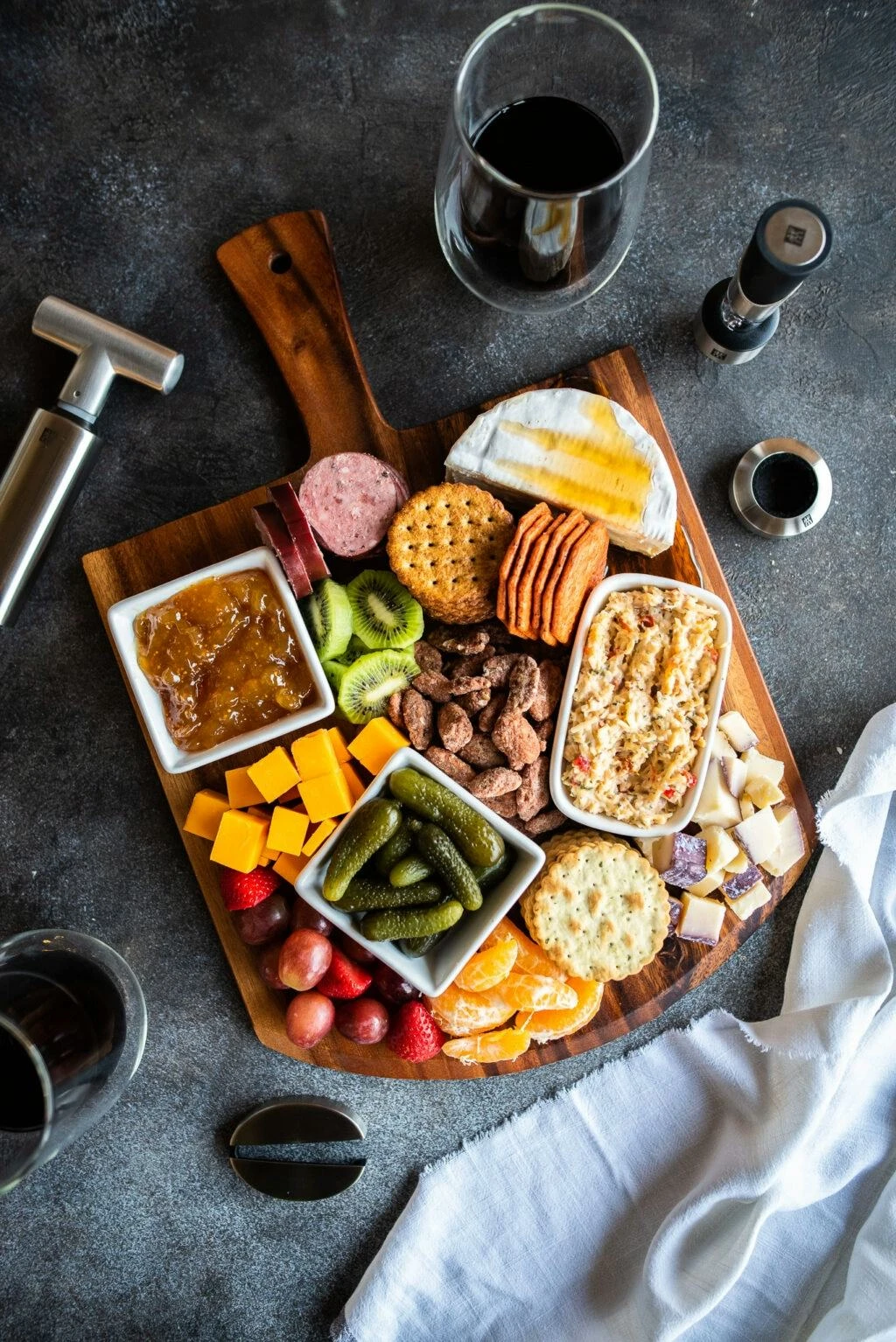
09. The Zero-Cook Charcuterie Board: Liberation from the Stove
When mental exhaustion reaches its absolute zenith, the most rational culinary decision is to refuse to cook altogether. A thoughtfully curated charcuterie board elevates snacking into a sophisticated, highly democratic dining experience.
- The Customization Pipeline: Populate a large wooden board or platter with an array of fresh fruits, raw vegetables, diverse cheeses, cured meats or leftover proteins, crackers, artisan breads, and various dips and spreads. Every individual builds their own plate directly from the board, selecting items that appeal to their immediate sensory desires with zero kitchen labor required of the host.
Official Statements & Expert Insights
Industry professionals and family lifestyle advocates increasingly endorse the modular philosophy as a psychological and practical necessity in modern domestic life.
"The expectation that a single household should universally agree on a complex, singular meal every single night is entirely out of step with modern psychological and nutritional realities," notes Dr. Helena Vance, a family nutritionist and behavioral researcher. "When we shift our language from ‘What are we having for dinner?’ to ‘Here are the components we are building with,’ we lower the stakes around food. We eliminate power struggles at the dinner table and restore a sense of autonomy to both children and adults."
Culinary educators similarly emphasize that modular cooking builds foundational kitchen literacy. By understanding how proteins, starches, sauces, and toppings interact rather than blindly following rigid multi-step recipes, home cooks develop an intuitive grasp of flavor balancing that makes future meal planning vastly more efficient.
Future Outlook: The Modular Kitchen of Tomorrow
As we look toward the future of home economics, the modular meal paradigm is poised for further technological and structural integration.
- Smart Inventory Integration: Future kitchen ecosystems will utilize smart refrigeration and pantry tracking to scan available ingredients and instantly suggest modular meal pathways (e.g., "You have shredded chicken, tortillas, and greens; here are three ways to configure them for four different preferences").
- Subscription Meal Kits Adapting to Modular Models: Meal kit delivery services are steadily moving away from rigid, single-recipe boxes toward component-based kits that provide pre-prepped bases and diverse finishing sauces, allowing families to co-create their plates with minimal prep time.
- Cultural Shift Away from Perfectionism: Perhaps the most enduring future trend is the cultural de-stigmatization of the "assembled" dinner. As societal pressures around domestic perfectionism recede, the acceptance of charcuterie boards, deconstructed bowls, and customizable base proteins as legitimate, respectable dinners will continue to grow.
Conclusion
Is it reasonable to expect every member of a modern household to happily consume the exact same meal, prepared the exact same way, night after night? Statistically and psychologically speaking: no. But by abandoning the exhausting illusion of the rigid, monolithic dinner and embracing modular meal architecture, home cooks can transform the evening mealtime routine.
By starting with versatile, high-yield foundations like air-fryer chicken bites, Dutch oven shredded chicken, or DIY pizza dough, you empower every member of your household to customize their plate. The result is a dining table characterized not by conflict and compromise, but by satisfaction, reduced food waste, and peace at the end of a long day.

