The landscape of holiday shopping has undergone a profound transformation. Long gone are the days when bargain hunters had to brave freezing temperatures, camp out on sidewalks overnight, and engage in chaotic stampedes through department store doors the morning after Thanksgiving. Today, the holiday retail migration has shifted definitively into the digital realm, with Black Friday and Cyber Monday bleeding into a prolonged, weeks-long shopping season.
Nowhere is this shift more pronounced than in the market for educational and Science, Technology, Engineering, and Math (STEM) toys. Recognizing the logistical hurdles of brick-and-mortar shopping and the surging consumer demand for purposeful, developmental play, major retailers are rolling out deep, highly anticipated discounts on top-tier learning kits and robotics much earlier than ever before. Beginning as early as mid-November, parents, educators, and gift-givers gain unprecedented access to premium learning tools at a fraction of their standard cost.
This comprehensive guide serves as an authoritative briefing on the shifting holiday retail paradigm. It details the strategic pivot toward online-only purchasing, analyzes the top-selling STEM toys and learning kits to watch during this season of deep discounts, and provides a meticulously curated breakdown of the top 15 educational tools engineered to inspire the next generation of innovators, engineers, and scientists.
Detailed Chronology of the Holiday Shopping Shift
To understand why Black Friday looks drastically different today, one must examine the chronological evolution of the holiday retail calendar over the past decade.
Early November (The Pre-Launch Phase): Historically a dead zone for holiday promotions, early November has rapidly transformed into the opening salvo for major online retailers. Recognizing supply chain vulnerabilities and shipping delays, platforms like Amazon, Target, and specialty educational stores now launch targeted "Early Black Friday" teaser sales. For STEM toys specifically, this window allows parents to secure high-demand coding robots and chemistry sets before inventory runs thin.
Mid-November (The Digital Pivot): The true engine of modern holiday savings ignites here. Retailers shift the vast majority of their promotional muscle toward online-only inventory. Recognizing that modern consumers—particularly busy parents juggling work and family—find it increasingly difficult to navigate crowded brick-and-mortar storefronts, merchants intentionally channel their deepest discounts exclusively to their web platforms.
Thanksgiving Through Cyber Monday (The Peak Window): While the physical stores may open selectively, the traditional "Black Friday" has effectively dissolved into a five-day digital marathon. Cyber Monday, once an afterthought reserved for digital goods and electronics, now acts as the grand finale for tech-heavy learning tools, robotics kits, and logic games.
Post-Cyber Week (The Extended Holiday Season): Even after the confetti settles on Cyber Monday, lingering inventory adjustments ensure that intermittent discounts on educational play kits persist well into December, though selection and depth of discount rarely match the mid-November to Cyber Monday peak.
Supporting Context & Metrics: The Rise of Purposeful Play
The aggressive discounting of STEM toys is no accident; it is a direct response to a massive cultural and economic shift in consumer priorities. Modern parents are increasingly rejecting traditional, single-use plastic toys in favor of items that offer tangible educational value.
Market research indicates that the global educational toy market has experienced exponential growth. Key driving factors include:
The Remote Learning Aftermath: Following widespread disruptions to traditional classroom education, parents are hyper-focused on bridging learning gaps at home through tactile, experiential learning.
Gender-Inclusive STEM Initiatives: Products specifically designed to break down gender barriers in scientific fields—such as specialized chemistry sets for girls—have seen unprecedented demand and consumer loyalty.
The Economics of Online Retail: By shifting focus to online-only fulfillment during November, retailers reduce overhead costs associated with in-store staffing and crowd management, savings that are frequently passed down to consumers in the form of steeper percentage-off discounts on high-ticket robotics kits.
Official Statements and Industry Insights
Retail analysts and consumer advocates agree that the compression of the holiday shopping season permanently alters how families budget for educational gifts.
"The consumer is no longer waiting for a single day of deals," notes retail trend analyst Sarah Jenkins. "When it comes to high-value purchases like programmable robotics and complex electronics kits, parents are actively hunting for mid-November price drops. They want to secure educational investments early, avoiding both holiday stockouts and shipping anxiety."
Educators and child development specialists echo this sentiment, emphasizing that toys requiring active problem-solving—such as coding robots, circuitry sets, and physics-based marble runs—provide vastly superior cognitive returns compared to passive entertainment. The early availability of deep Black Friday discounts democratizes access to these advanced learning tools, ensuring that budget constraints do not preclude a child from engaging with foundational engineering and logic concepts.
The Top 15 STEM Toys and Learning Kits to Watch
As retailers unleash their early-season sales, navigating the sheer volume of available products can be overwhelming. Below is an authoritative breakdown of the top 15 STEM toys and learning kits dominating the discount landscape this season.
1. mBot Neo
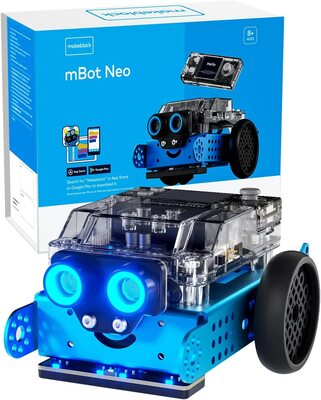
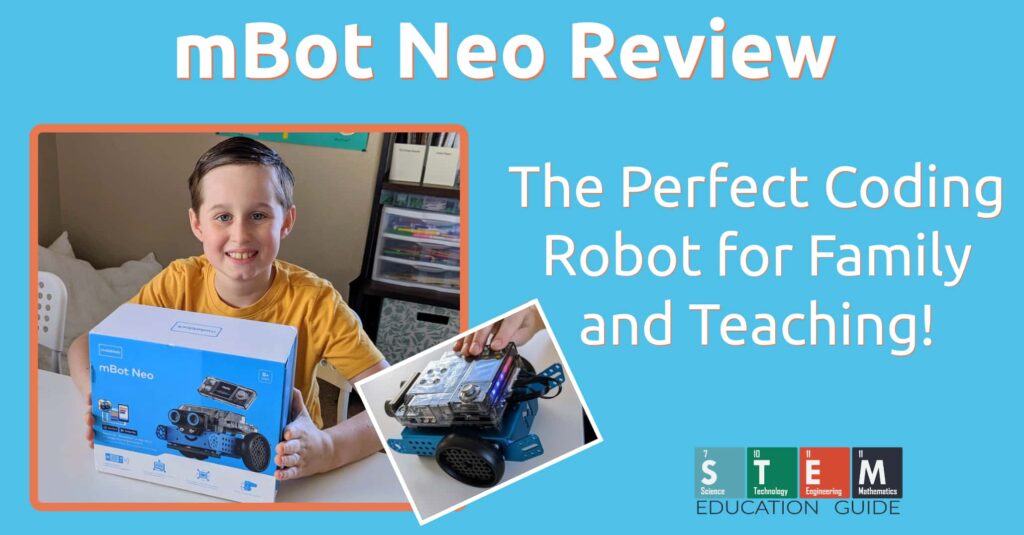
A powerhouse in the realm of youth robotics, the mBot Neo is a DIY coding robot built from robust aluminum and thick plastics. Kids assemble the physical robot and then utilize a companion app to learn programming languages, commanding the bot to move, sing, light up, and dance. For families seeking a balance between hands-on construction and intuitive software learning, this is a top-tier choice.
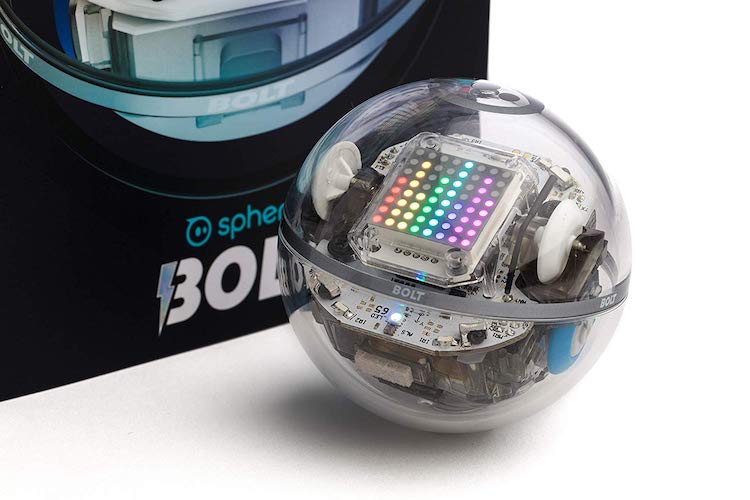
2. Sphero BOLT
The Sphero BOLT is a shock-proof, waterproof, fully programmable robotic ball designed to withstand rigorous play while teaching advanced coding logic. With endless beginner and advanced classroom activities available, it stands as an elite choice for fostering long-term computational thinking.
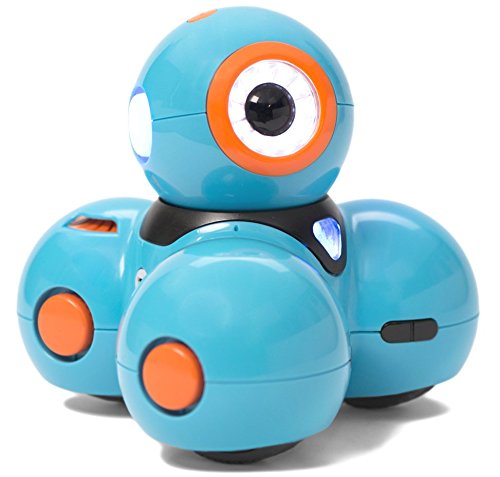
3. Wonder Workshop Dash
Targeted at children ages 6 and up, Dash is an agile, highly expressive robot that introduces youngsters to sequencing and logic challenges through an intuitive app. Featuring built-in microphones for interactive playback and the ability to interact with other Dash units, it remains a holiday favorite, particularly when packaged in comprehensive creativity bundles.
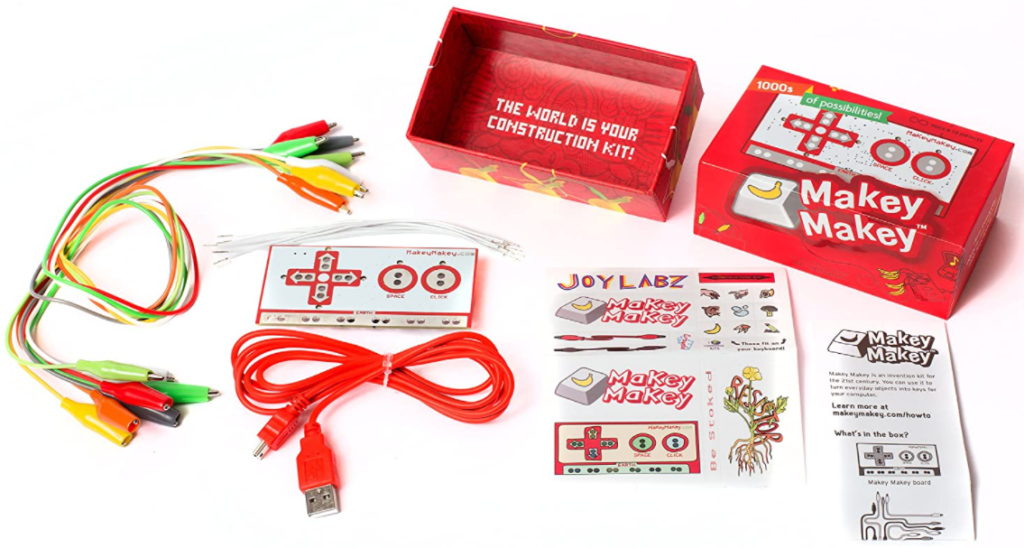
4. Makey Makey
For a masterclass in hands-on technological invention, Makey Makey turns everyday objects—from bananas to bowls of water—into interactive computer keys. Requiring nothing more than the circuit board, alligator clips, and imagination, it offers a remarkably simple yet profound introduction to electrical conductivity and circuit design.
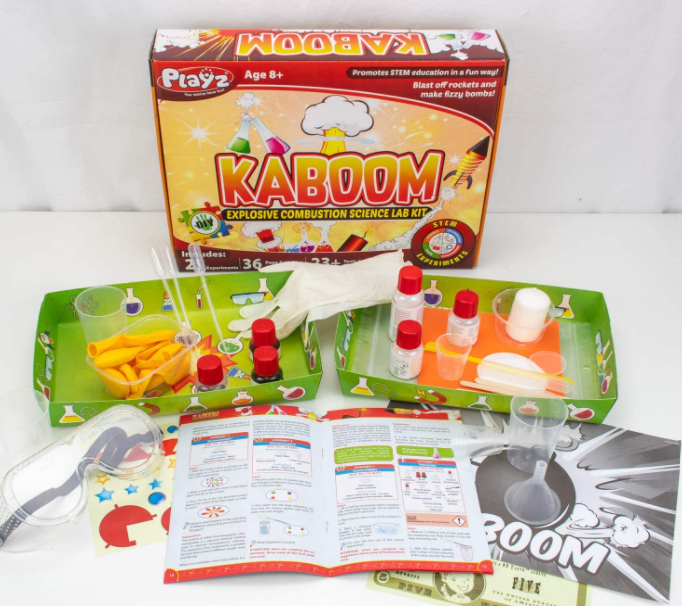
5. Kaboom Explosive Science Lab Kit
Science is rarely boring when volcanoes are erupting and rockets are launching. The Kaboom Lab Kit features over 25 experiments designed to safely teach children about chemical reactions, combustion, and molecular transformations while explaining the scientific "why" behind every reaction.
6. YELLOW SCOPE Foundation Chemistry Kit
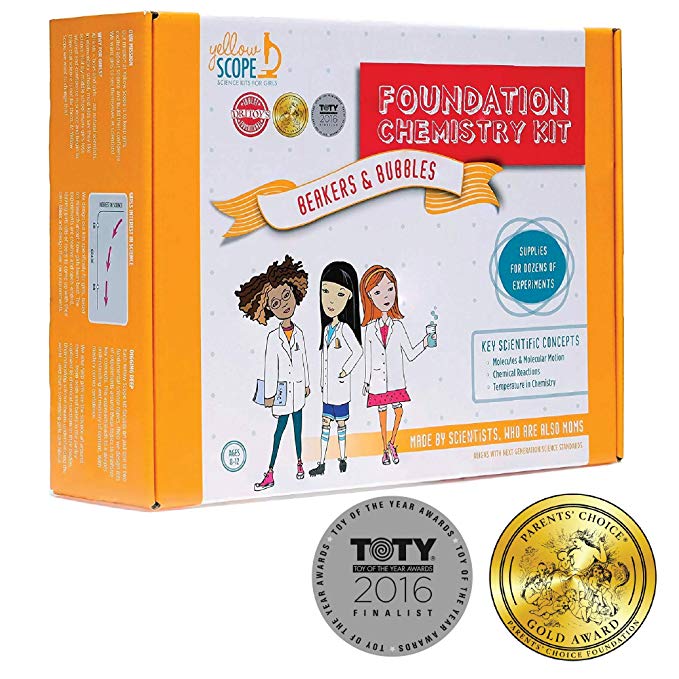
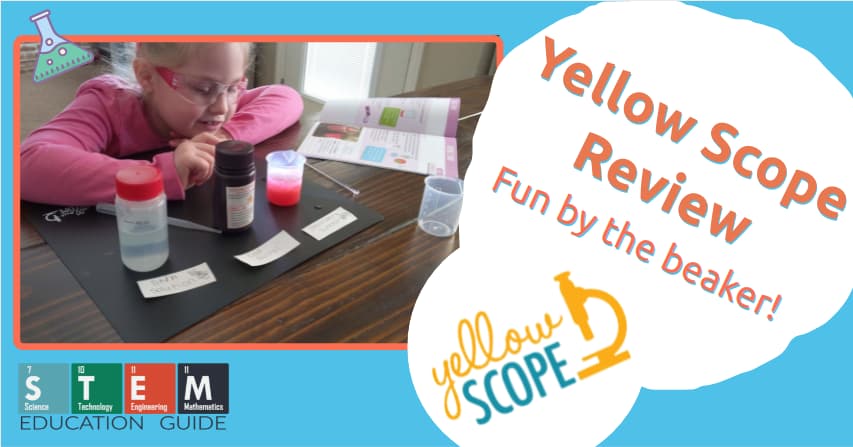
Designed specifically to spark interest in female scientists, the Beakers & Bubbles Chemistry Kit by Yellow Scope explores the fascinating intersection of chemistry and everyday life—including the cosmetic science behind hair, body, and beauty products. It is an exceptional, academically rigorous kit that challenges outdated industry norms.
7. ThinkFun Gravity Maze Marble Run
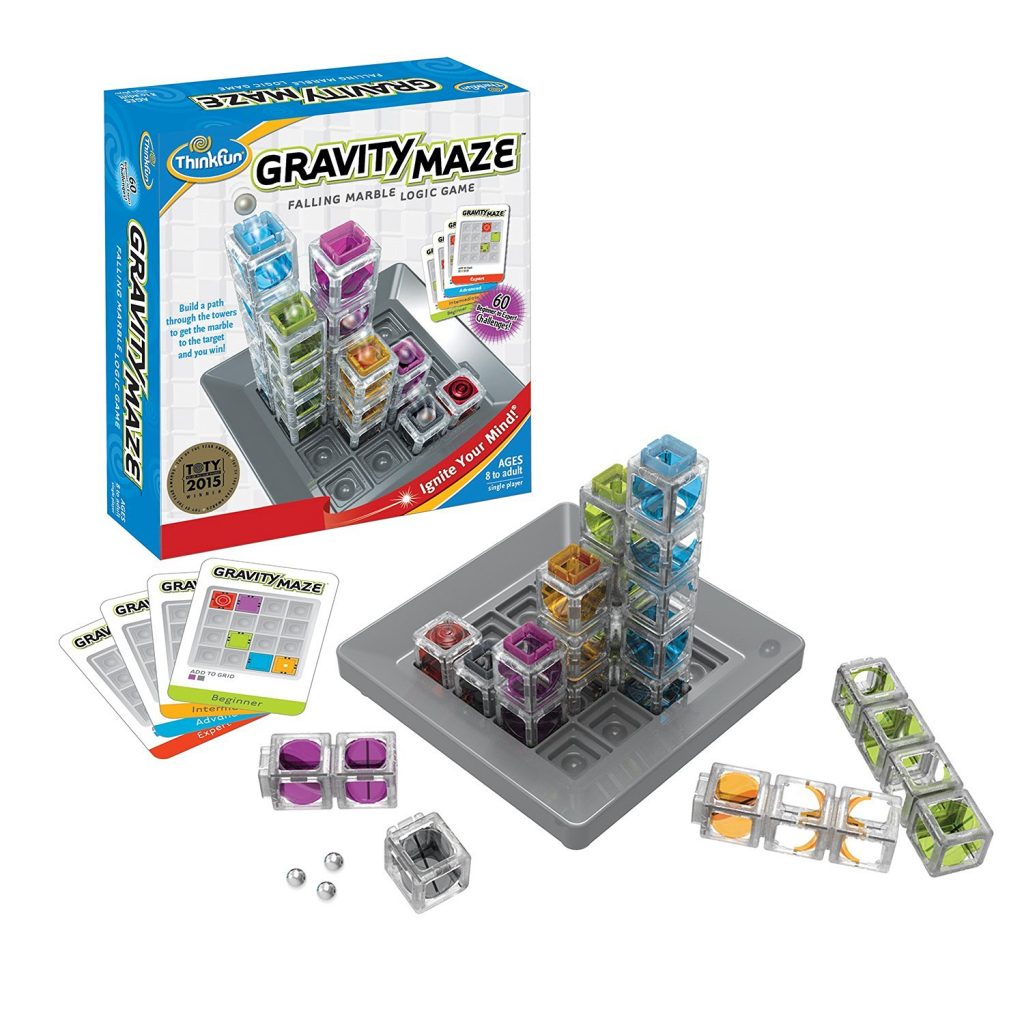
Combining a traditional marble run with a high-level logic puzzle, Gravity Maze challenges players to arrange towers to guide a marble successfully from start to finish based on specific challenge cards. It is an indispensable spatial reasoning game for children aged 8 and up.
8. LEGO Chain Reactions
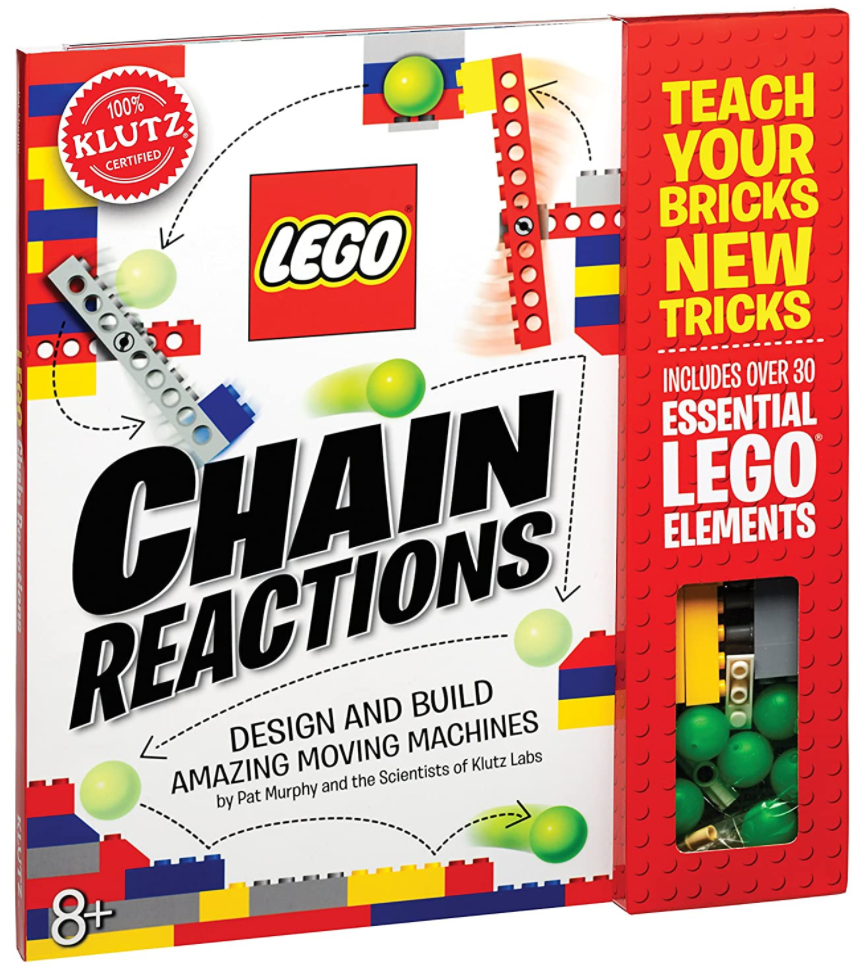
For budding mechanical engineers, LEGO Chain Reactions provides the building blocks and instructions necessary to construct complex, moving contraptions. Watching cause-and-effect manifest through physical motion builds immense confidence and encourages trial-and-error experimentation.
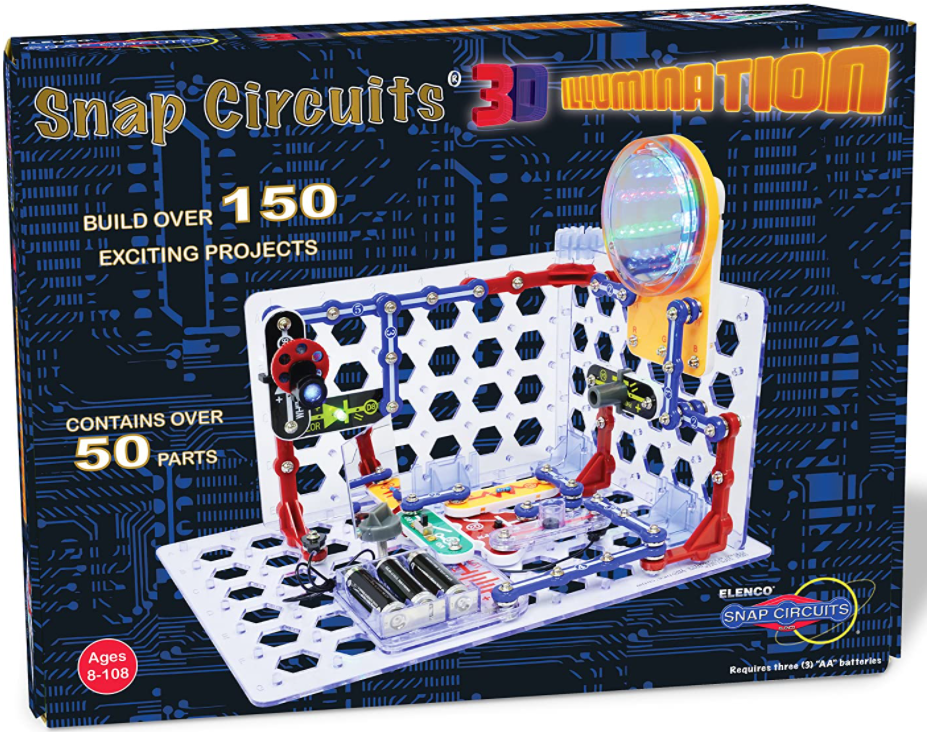
9. Snap Circuits 3D Illumination Electronics Exploration Kit
Electric currents and circuit design come alive with Snap Circuits. By snapping modular plastic components together, children safely explore the fundamentals of electrical engineering, lighting effects, and functional circuit building with deep seasonal discounts.
10. Elenco Teach Tech Hydraulic Kit
The HydroBot Arm Kit introduces children to renewable energy concepts and fluid mechanics. Utilizing hydraulic plungers and offering a 270-degree rotational range, kids can build an operational robotic arm that grips, twists, and lifts objects.
11. Botley The Coding Robot Activity Set
For parents looking to limit screen time, Botley offers a completely screen-free coding experience. Using a dedicated remote programmer, young learners input commands to guide the robot through mazes, loops, and obstacle courses, mastering foundational logic without touching a tablet.
12. Elenco TEACH TECH Mech-5 Robot Kit
Step up the engineering challenge with the Mech-5, a programmable mechanical robot powered by coding wheels. Children can program the bot to kick, throw, draw, and lift, fostering advanced problem-solving skills through tactile trial and error.
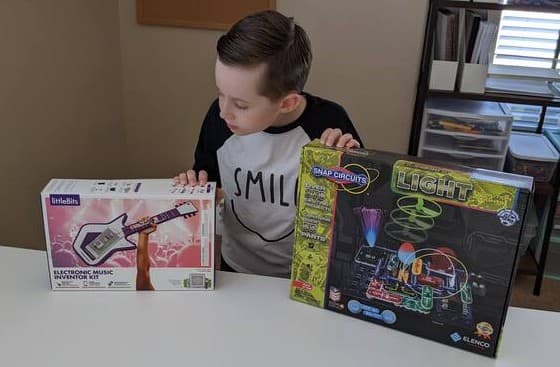
13. littleBits Electronic Music Inventor Kit
Combining audio creativity with electronic engineering, the littleBits Electronic Music Inventor Kit allows kids to build and customize their own operational musical instruments while programming sound loops via a companion app.
14. Kid K’NEX
Tailored for younger builders, Kid K’NEX features soft, chunky, colorful plastic pieces that eliminate safety hazards while introducing toddlers to stacking, interlocking gears, and rudimentary spatial engineering.
Rounding out the top tier are two heavy-hitters: the screen-free, modular hexagonal GraviTrax XXL Marble Run, which teaches gravity and momentum through open-ended design, and the award-winning LEGO Boost Creative Toolbox, which merges classic brick construction with multi-modal robotic coding for children ages 7 to 12.
Future Outlook: The Evolution of Holiday STEM Shopping
As the retail sector continues to adapt to consumer preferences, the mid-November launch window for STEM toy discounts is poised to become a permanent fixture of the modern holiday economy. Manufacturers are increasingly designing modular, upgradable tech toys that incentivize early purchases, allowing families to build out comprehensive educational ecosystems over years rather than single holiday seasons.
For savvy shoppers, the mandate is clear: abandon the traditional post-Thanksgiving rush. By leveraging early online-only sales throughout mid-November, consumers can secure the best prices on high-demand educational tools, ensuring that the holiday season delivers not just temporary amusement, but lasting intellectual enrichment for the innovators of tomorrow.