
Executive Overview
For decades, domestic interior design—particularly the renovation of high-utility spaces such as bathrooms—has been dictated by a rigid, capital-intensive paradigm. Homeowners seeking to escape the aesthetic fatigue of dated, mismatched finishes or harsh fluorescent lighting faced an unappealing binary: commit to thousands of dollars in full-scale architectural demolition and contractor fees, or resign themselves to living in a space that fails to meet their psychological and functional needs.
However, a structural shift is underway within the consumer goods market. Driven by advances in high-grade synthetic materials, micro-electronics, and direct-to-consumer supply chains, a new category of home improvement has emerged: micro-transformative design.
Rather than relying on structural overhauls, this design philosophy leverages precision-engineered accessories—ranging from diatomaceous earth fixtures to localized water filtration systems and static-cling fenestration films—to achieve the aesthetic and sensory profile of a luxury renovation at a fraction of the cost. This investigative report examines the mechanics of this consumer trend, analyzing sixty distinct product categories currently disrupting the home improvement sector, evaluating the psychological impacts of sensory-optimized domestic spaces, and forecasting the future of budget-conscious architectural styling.
Detailed Chronology: The Evolution of the "Bougie-on-a-Budget" Movement
To understand the current proliferation of affordable luxury goods, one must examine the convergence of three distinct socioeconomic and technological developments over the past decade:
- Phase 1: The Rise of Direct-to-Consumer E-Commerce (2015–2018): Traditional home improvement retail relied heavily on brick-and-mortar middlemen, driving up the cost of architectural hardware, decorative storage, and specialty lighting. The maturation of global logistics platforms bypassed traditional distribution channels, allowing manufacturers to market designer-grade aesthetics directly to consumers via digital storefronts.
- Phase 2: The Material Science Revolution (2019–2021): Innovations in polymer chemistry, electroplating, and water-reactive minerals (such as diatomaceous earth) democratized materials once reserved for high-end hospitality design. Heavy, expensive stone and complex mechanical fixtures were successfully replicated in lightweight, highly durable, consumer-installable formats.
- Phase 3: The Pandemic-Era Domestic Focus & Sensory Optimization (2022–Present): Extended time spent within the domestic sphere fundamentally altered consumer psychology. Bathrooms transitioned from purely utilitarian zones to spaces dedicated to decompression and mental wellness. Concurrently, inflation and high interest rates suppressed the housing renovation market, creating a massive demand for low-commitment, high-impact aesthetic upgrades.
Supporting Context & Metrics: Deconstructing the Bathroom Upgrade
The modern consumer’s approach to upgrading auxiliary spaces centers on sensory manipulation and visual hierarchy. Industry data indicates that small-scale hardware swaps, localized lighting modifications, and organizational systems yield the highest satisfaction-to-investment ratio in interior styling.
To systematically evaluate these interventions, interior architects divide bathroom enhancements into four functional pillars: Tactile & Ergonomic Upgrades, Atmospheric Lighting & Sensory Control, Surface Restoration & Hardware Styling, and Advanced Hygiene & Maintenance.
1. Surface Restoration & Hardware Styling
Dated cabinetry, worn countertops, and builder-grade mirrors are primary contributors to aesthetic fatigue. Traditional remediation requires carpentry and glass replacement, but modern adhesive and modular technologies offer non-permanent alternatives:
- Cabinetry & Fixture Hardware: Replacing standard pulls with intricately carved, gold-finished flower-shaped knobs or modern hexagonal crystal knobs wrapped in copper wire instantly elevates millwork. These items utilize variable-length screw systems to ensure universal compatibility without drilling modifications.
- Mirror Enhancement: Rather than discarding standard plate-glass mirrors, consumers utilize peel-and-stick realistic wood-grain mirror borders or apply empowering mirror decals with clean-removal adhesive backings that leave zero residue.
- Tile & Grout Remediation: Discolored tile lines and aging caulking can be rapidly transformed using flexible, self-adhesive waterproof caulk tape or completely overlaid using water-resistant, low-luster textured peel-and-stick floor tiles featuring modern floral and geometric motifs. Larger structural surfaces benefit from designer-grade, peel-and-stick striped wallpaper engineered for high-humidity environments.
2. Atmospheric Lighting & Sensory Control
Harsh, unshaded overhead illumination is frequently cited as a primary design flaw in residential bathrooms. Replicating the ambient lighting models used in hospitality design requires layering multiple light sources:
- Task & Vanity Lighting: Adhesive-backed Hollywood-style vanity lights offer three color temperatures and nine dimming levels, transforming mirrors into professional-grade prep spaces. For a vintage aesthetic, brass-base vanity fixtures with green glass shades provide high-end visual impact.
- Immersive Ambience: Cordless, waterproof shower lamps deliver up to 16 hours of dimmable, warm-white illumination directly inside wet zones. Complementing these are rechargeable ocean-wave projection lights offering 16 color iterations, and Victorian-inspired flameless candle night-lights that safely illuminate midnight pathways. Smokeless ambiance is further achieved via remote-controlled flameless candles in smoked glass jars and dimmable candle warmer lamps that melt wax safely via bulb heat.
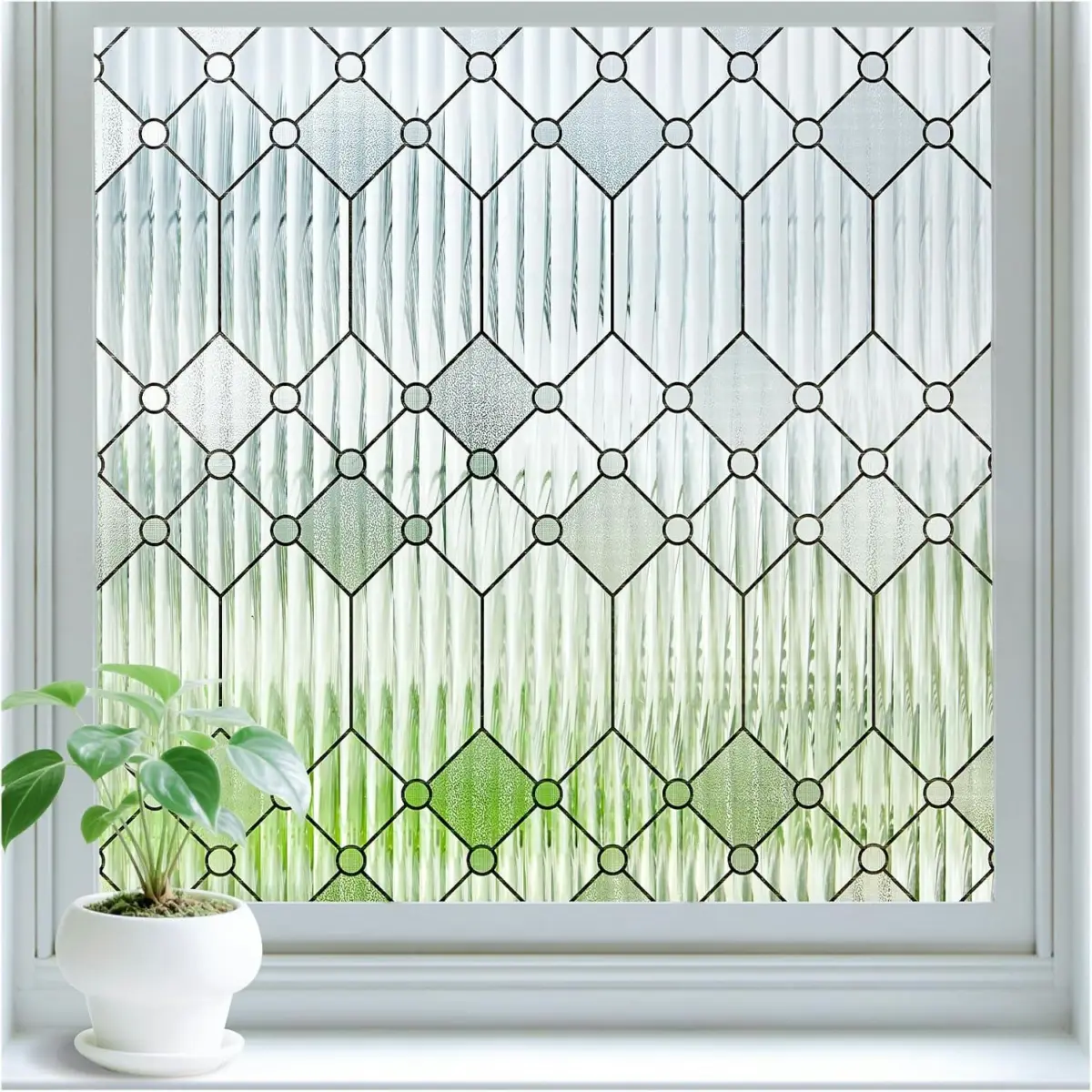
- Fenestration & Privacy: Standard frosted glass is replaced by three-dimensional, fluted stained-glass window film. Utilizing static-cling technology and water installation, these films obscure prying eyes while refracting natural light and blocking ultraviolet rays.
- Olfactory Architecture: Continuous sensory branding is maintained through chic reed diffusers housed in glass vessels, suspended dried eucalyptus stems that release aromatic oils when exposed to shower steam, and targeted mini toilet sprays that trap ambient odors beneath the water line.
3. Tactical Water Management & Spa Engineering
The physical interface with water—whether washing hands, showering, or bathing—defines the user experience. Micro-upgrades in this category focus on purity, ergonomics, and spatial efficiency:
- Filtration Systems: Hard water and chemical additives heavily impact skin and hair health. Multi-stage shower filters and hanging bathtub faucet water filters strip out chlorine, heavy metals, and sediments for up to 3,000 gallons of water usage.
- Fixture Upgrades: Replacing standard showerheads with an oversized 8-inch rain showerhead and adjustable extension arm or retrofitting sinks with a polished-chrome and clear-glass waterfall faucet dramatically alters the room’s focal point.
- Bathtub and Shower Comfort: Ergonomic accessories such as adjustable bathtub side tables, corner acacia wood shower stools for leg-shaving support, and natural granite shaving bowls designed to warm lathers elevate daily routines into ritualistic self-care.
- Drainage and Surface Protection: Diatomaceous earth stone faucet mats and pebble-textured diatomaceous earth bath mats absorb standing water within 60 seconds. In wet zones, textured loofah-like nonslip shower mats and vinyl pebble tub mats provide traction while exfoliating feet and allowing unimpeded drainage. Glass surfaces are maintained using 10-inch ergonomic shower squeegees to ensure streak-free finishes.
4. Advanced Hygiene, Sanitation, & Organizational Architecture
Clutter is the primary enemy of spatial luxury. Modern micro-organization products conceal utilitarian necessities behind artistic facades:
- Sanitary Hardware Integration: Low-profile bidet attachments with adjustable pressure and dual nozzles integrate seamlessly beneath existing seats. Meanwhile, ceramic golden bolt caps conceal base-plate grime, and vibrant floral toilet decals dress up tank lids.
- Discreet Dispensing Systems: Brand-name containers are replaced by chic minimalist mouthwash dispensers molded like modern milk jugs, automatic foaming soap dispensers with matte ceramic finishes, and monochromatic, refillable shower pump sets complete with waterproof labeling.
- Paper & Textile Management: Spare toilet paper rolls are elevated via whimsical felt flower covers, tall linen bamboo-lidded baskets, or amusing wall-mounted Tic-Tac-Toe storage shelves. Cabinets are kept pristine using waterproof under-sink mats and pull-out two-tier pipe-clearing organizers.
- Vanity & Countertop Optimization: Small items find homes in adjustable, bulb-lidded lotus-shaped cotton swab containers, beach-themed acrylic toothbrush stands, 360-degree rotating fluted makeup organizers, and gilded vintage-style tissue box holders.
- Whimsical & Artistic Accents: High-culture aesthetics infiltrate utilitarian fixtures via masterwork-printed shower curtains (featuring Van Gogh, Mondrian, and Picasso), rustproof celestial shower curtain hooks, embroidered floral lace-trimmed hand towels, and organic handmade cotton jute rugs. Even waste management is elevated through motion-sensor, fluted trash cans featuring wooden legs.
- Maintenance & Ergonomics: Cleaning labor is streamlined via six-head electric spin scrubbers and drain-protecting suction silicone hair catchers. Post-cleaning sanitation features vintage brass wall-mounted toilet brush holders and resort-style toilet paper faucets/stamps. Physical comfort is further enhanced via ergonomic wooden toilet stools, machine-washable cushioned toilet seat covers, over-the-toilet three-tier storage shelving units, and minimalist 6-towel wall racks. Smart night safety is rounded out by USB-rechargeable, motion-activated doorknob lights equipped with dry-erase message boards.
Official Statements & Industry Perspectives
Industry analysts point to this trend as a fundamental maturation of consumer behavior regarding living spaces. According to leading consumer product researchers, spending habits have pivoted away from speculative real estate investments toward immediate domestic well-being.
"For decades, interior design media told consumers that improvement required heavy capital investment. Today, we are seeing the democratization of luxury. Consumers no longer wait for a master bath remodel to experience sensory luxury; they curate it through modular, high-impact accessories that respect both their budgets and their architectural limitations."
— Dr. Elena Vance, Director of Material Culture and Consumer Trends Research Institute
Furthermore, architectural psychologists emphasize the mental health benefits of low-stress, high-aesthetic environments. The transition from chaotic, mismatched utilitarian zones to cohesive, sensory-calibrated micro-spaces directly reduces cortisol levels during morning and evening routines.
Future Outlook
As supply chain efficiencies improve and material sciences advance, the line between permanent architectural renovation and temporary micro-styling will continue to blur. Industry forecasters predict several key developments for the next five to ten years:
- Smart-Material Integration: Expect a surge in bio-reactive materials that alter color or texture based on humidity and temperature fluctuations, bringing dynamic responsiveness to budget-friendly accessories.
- Circular Economy Adoption: As sustainability becomes paramount, manufacturers are moving toward biodegradable polymers and infinitely recyclable metals for micro-hardware, reducing the ecological footprint of fast-interior styling.
- Augmented Reality Space Planning: Consumers will increasingly utilize AR applications to test static-cling window films, peel-and-stick tiles, and lighting placements in real-time before purchasing modular upgrades, eliminating architectural guesswork.
Ultimately, the micro-transformation movement demonstrates that luxury is not merely an expression of wealth, but an outcome of intentional curation. By focusing on sensory touchpoints, ergonomic precision, and visual harmony, modern consumers have successfully rewritten the rules of interior design.

