
Executive Overview
In the landscape of modern education, instructional coaching and professional development are widely viewed as catalysts for positive school transformation. However, a familiar dynamic often disrupts this mission: teacher pushback. When educational leaders and instructional coaches introduce new curricula, pedagogies, or institutional frameworks, they frequently encounter resistance. Traditionally, this friction has been diagnosed as a personal deficiency on the part of the educator—characterized as a stubborn adherence to outdated habits, fear of accountability, or a simple unwillingness to evolve.
However, a paradigm-shifting perspective is challenging this conventional wisdom. In her landmark ninth book, How to Coach Resistance: Turning Pushback Into Possibility, renowned educational author, consultant, and instructional coach Elena Aguilar argues that resistance is rarely a one-sided phenomenon. Instead, Aguilar posits that pushback is a dynamic relational dance between two parties, wherein the coach’s or leader’s own approach frequently exacerbates the very resistance they are attempting to dismantle.
By shifting the narrative away from blame and toward collaborative inquiry, Aguilar offers an empowering blueprint for educational leadership. When coaches learn to lower their own ideological defenses, acknowledge underlying emotional turbulence, precisely identify capability gaps, and respect righteous objections, pushback ceases to be an obstacle. Instead, it transforms into an invaluable gateway for genuine professional growth, institutional trust, and systemic transformation.
Detailed Chronology: The Evolution of Coaching Paradigms
To understand the urgency and significance of Aguilar’s contemporary framework, it is necessary to trace how instructional coaching and teacher professional development have evolved over the last several decades.
The Era of Evaluative Compliance (Late 20th Century)
Historically, the relationship between a teacher and an instructional supervisor was rooted in administrative oversight. Rooted heavily in the "clinical supervision" models of the mid-to-late 20th century, classroom observations were frequently perceived by educators as high-stakes evaluations rather than supportive partnerships. Resistance during this era was rarely addressed collaboratively; instead, it was documented as insubordination or pedagogical incompetence, leading to a profound cultural divide between classroom practitioners and district leadership.
The Rise of Instructional Coaching (Early 2000s)
As the educational research community began to realize that punitive evaluation failed to improve student outcomes, the paradigm shifted toward "instructional coaching." Pioneered by organizations and researchers advocating for non-evaluative, job-embedded professional development, this movement sought to position coaches as supportive peers. The goal was to bridge the gap between educational research and classroom practice. Yet, despite the best intentions of these programs, coaches quickly encountered a persistent human reality: teachers still resisted proposed changes, leading many coaches to quietly default back to old habits of frustration, blame, and top-down persuasion.

The Shift Toward Emotional and Relational Intelligence (Present Day)
Recognizing that mechanical implementations of instructional strategies routinely failed without addressing human dynamics, thought leaders like Elena Aguilar began integrating adult learning theory, emotional intelligence, and equity frameworks into coaching methodologies. The release of How to Coach Resistance marks a critical milestone in this evolution. It challenges the educational sector to mature past the superficial diagnosis of "teacher resistance" and demands that instructional leaders examine their own emotional triggers, communication styles, and systemic blind spots.
Supporting Context & Metrics: Unpacking the Dynamics of Pushback
To fully grasp why traditional approaches to teacher resistance fail, one must analyze the systemic and psychological factors at play in modern classrooms.
The Psychology of Two Hands Pushing
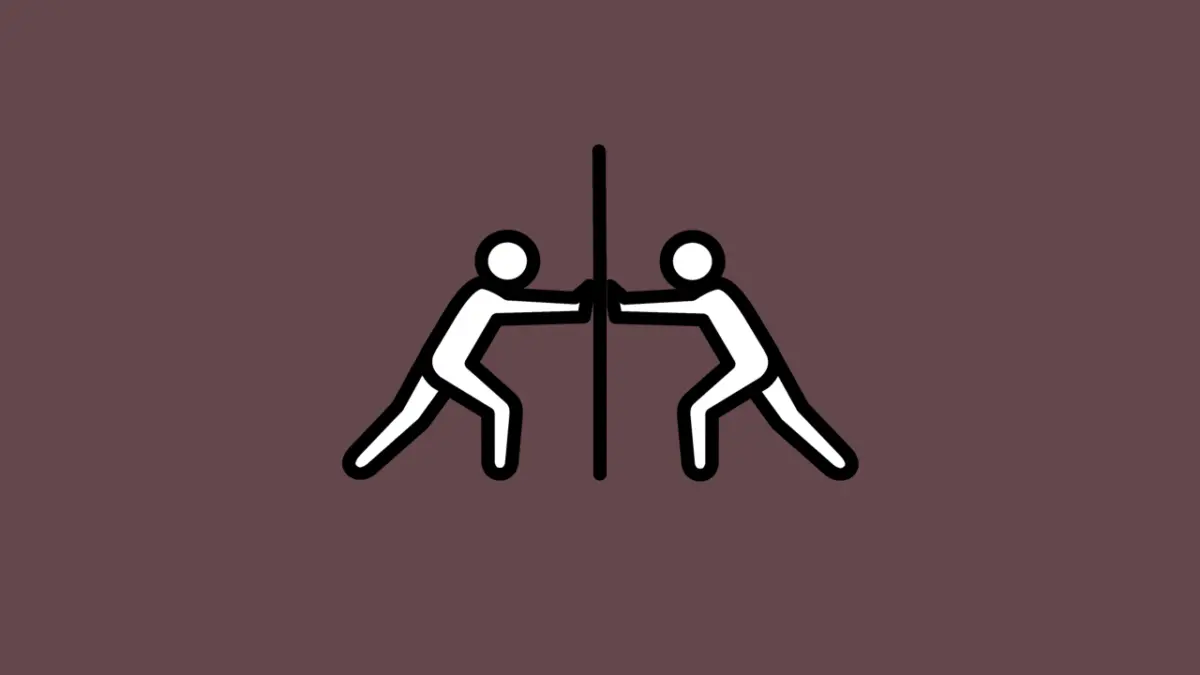
Aguilar employs a visceral, intuitive metaphor to explain the mechanics of pushback: two people pressing their palms together. When pressure is exerted against a person—such as an administrator mandating a new reading program or pacing guide—a natural self-protective reflex occurs. The teacher pushes back to preserve their autonomy, professional identity, or mental bandwidth.
Unfortunately, untrained coaches often respond by pushing harder, doubling down on the merits of the curriculum, or citing district compliance metrics. This escalation creates a feedback loop of defensiveness.
- The Teacher’s Fear: Anxiety over student failure, loss of control, or professional inadequacy.
- The Coach’s Fear: Anxiety over failing to meet district performance targets, loss of authority, or the inability to generate measurable data.
By visualizing resistance as a shared tension, Aguilar highlights a liberating truth: because resistance requires two participants, removing one side of the pressure instantly alters the dynamic. When a coach drops their metaphorical hand, asks open-ended questions, and genuinely listens, the defensive posture of the educator is disarmed.
The ACE Framework: A Structured Response to Emotional Substrates
Beneath almost every instance of vocal or passive-aggressive pushback lies a complex layer of unexpressed emotion. To navigate these sensitive waters without requiring a background in clinical psychology, Aguilar developed the ACE framework:

- Acknowledge Emotions: Before jumping into problem-solving, instructional leaders must pause and explicitly recognize what the educator is feeling. Rather than prescribing an emotion ("You seem angry"), the coach creates safety by exploring possibilities ("I notice some stress around this timeline; does that feel accurate?").
- Cultivate Compassion: Teachers frequently subject themselves to punishing inner critics when lessons falter. By guiding educators to view their challenges through the lens of self-compassion—asking, "What would you tell a best friend facing this exact scenario?"—coaches help unlock emotional resilience. Crucially, Aguilar stresses that coaches cannot invite others into compassion if they have not cultivated it within themselves.
- Expand the Story: Human beings naturally construct internal narratives to make sense of professional struggles (e.g., "These kids simply cannot learn," or "Administration sets me up to fail"). Expanding the story involves unpacking these rigid beliefs and co-creating alternative interpretations that restore a sense of agency.
Decoding Gaps vs. Deficits
When an educator struggles to implement a new strategy, institutional leadership often assumes a "will gap"—the erroneous belief that the teacher simply lacks motivation. Aguilar’s Gaps Framework redefines these struggles as growth areas spanning six distinct categories:
- Skill: The mechanical ability to execute a strategy.
- Knowledge: Understanding the theory or background information.
- Capacity: Having the physical time, mental energy, or resources.
- Will: The internal motivation or desire to act.
- Emotional Intelligence: The ability to regulate emotions and navigate interpersonal relationships.
- Cultural Competence: Navigating diverse contexts, biases, and equity issues.
By systematically evaluating which gap actually exists, instructional leaders avoid misdiagnosing a lack of capacity or training as willful disobedience.
Official Insights & Expert Perspectives
In her extensive discourse on educational leadership, Aguilar continually emphasizes that leadership is an inside-out job. Her work challenges institutional hierarchies by insisting that authority does not exempt one from self-reflection.
"If you don’t want to experience resistance, drop your hand. Stop exerting your own pressure against their pressure… This is not to blame you. It is the most hopeful thing I can tell you, because it means resistance is not fixed. It is determined at least in part by what you bring into the room, and what you bring is something you can change." — Elena Aguilar
Furthermore, Aguilar addresses a nuance frequently overlooked in school reform initiatives: righteous resistance. Not all pushback is born out of fear or operational gaps. At times, institutional mandates are pedagogically unsound, developmentally inappropriate, or fundamentally misaligned with the needs of students.
When a kindergarten educator objects to an administrative directive forcing six-year-olds to sit passively on a hard carpet for sixty minutes of direct instruction, that pushback is not a deficit—it is professional integrity. Effective coaches must make space for these legitimate objections, helping teachers navigate their professional boundaries, assess the risks of speaking out, and channel their advocacy toward systemic change.

Future Outlook: Transforming School Culture Through Collaborative Partnership
As educational institutions across the globe grapple with unprecedented teacher burnout, retention crises, and complex academic recovery post-pandemic, the traditional models of top-down educational mandates are proving increasingly untenable. Schools can no longer legislate compliance through fear or administrative pressure.
The future of instructional coaching, school leadership, and professional development hinges on the adoption of human-centered, equity-driven paradigms. By integrating frameworks like Aguilar’s ACE model and Gaps taxonomy, educational systems can transition from an adversarial culture of compliance to a collaborative culture of inquiry.
Moving forward, the benchmark of a successful school leader will no longer be measured by how seamlessly teachers blindly follow directives, but by the depth of trust established within professional relationships. When coaches approach teachers not as problems to be fixed, but as intellectual partners in the pursuit of equity and learning, pushback loses its threat. It becomes what it was always meant to be: the fragile, necessary friction that precedes true pedagogical innovation.
For further resources, professional development tools, and insights on transforming educational leadership, educators and instructional coaches can explore Elena Aguilar’s ongoing work through Bright Morning Consulting.

