
Executive Overview
For decades, modern interior design and lifestyle curation have been dominated by strict adherence to minimalism, industrial utility, and sterile neutrality. Whimsy—often dismissed as juvenile, frivolous, or overly sentimental—has traditionally been relegated to children’s rooms or holiday decorations. However, a profound cultural and market shift is currently underway. Consumers are increasingly rejecting austere aesthetics in favor of functional design objects that marry high utility with delightful, whimsical forms.
Far from being mere aesthetic novelties, the market is currently saturated with cleverly engineered items that use playful aesthetics to solve universal household, workspace, and personal care problems. From smart-charging house shaped power strips and ergonomic cloud-shaped wrist rests to architectural downspout guardians and self-watering pollinator stations, these products prove that joy and practicality are not mutually exclusive. This report investigates the intersection of functional whimsy, examining how playful design elements boost home safety, enhance workspace ergonomics, streamline personal travel, and fundamentally reshape modern consumer expectations.
Detailed Chronology: The Evolution of Playful Utility
The integration of whimsy into practical domestic goods did not happen overnight. It represents a steady, deliberate evolution in manufacturing, consumer psychology, and industrial design.
Phase 1: The Domination of Strict Functionalism (Early-to-Mid 20th Century)
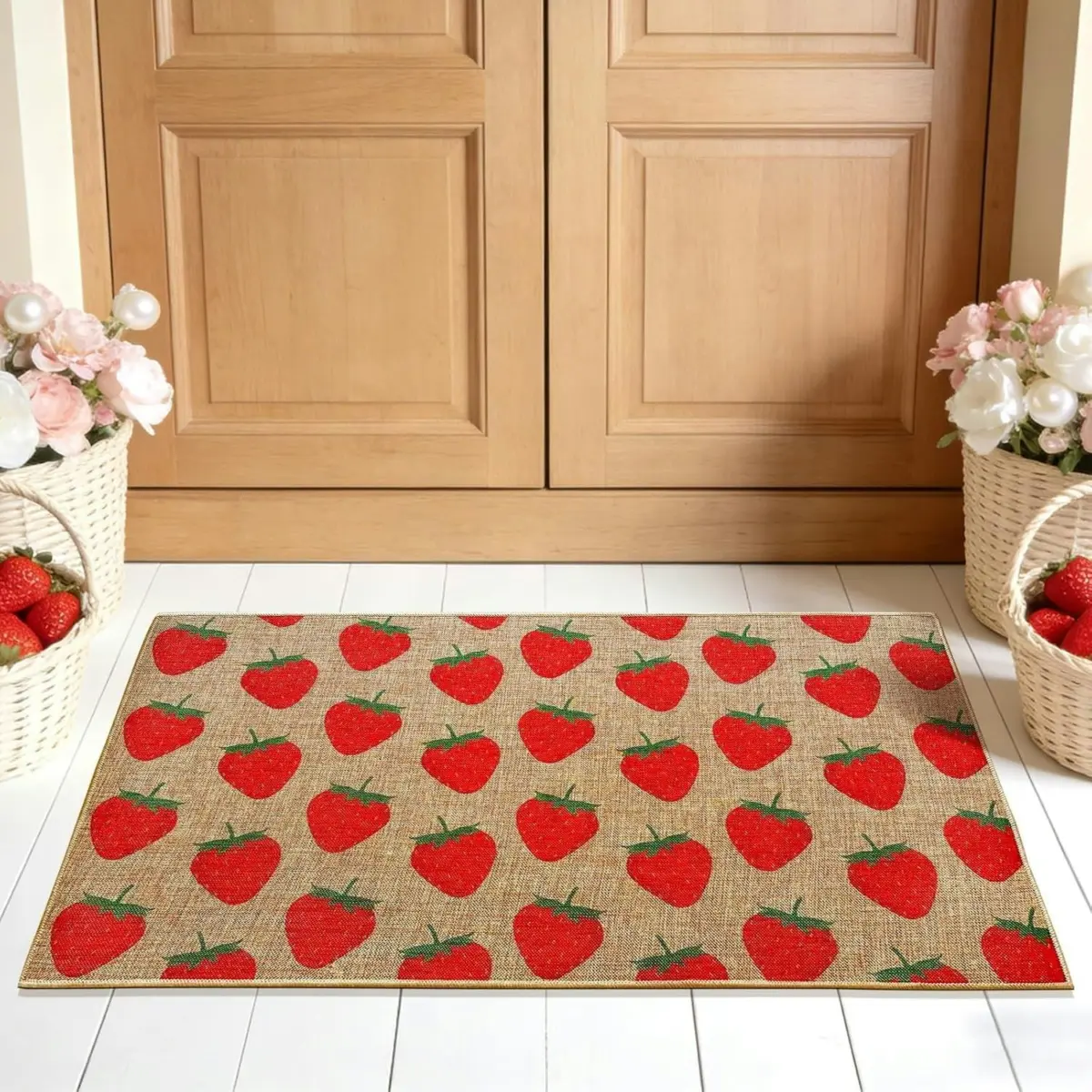
Following the industrial revolutions and the rise of modernist design movements (such as the Bauhaus school), industrial designers operated under the strict mantra that "form follows function." Household goods, tools, and electronics were stripped of ornamentation. Power strips were industrial gray boxes, plant supports were utilitarian wooden stakes, and doormats were abrasive, monochromatic coir fibers. Whimsy was viewed as an inefficient waste of material and manufacturing capital.
Phase 2: The Rise of Novelty and the Separation of Fun from Utility (Late 20th Century)
As mass manufacturing became globally integrated and production costs plummeted in the late 1900s, novelty items surged. However, these items suffered from a fatal flaw: they were strictly "either-or." A novelty item was fun to look at but structurally useless or poorly made, while practical items remained aggressively boring. Consumers were forced to choose between efficiency and emotional delight in their living spaces.
Phase 3: The Ergonomic and Aesthetic Convergence (Early 2000s to 2010s)
As remote work began to take root and urban living spaces shrank, consumers began viewing their environments as holistic sanctuaries. The psychological impact of sterile, harsh workspaces became apparent. Designers began experimenting with soft-touch materials, ergonomic innovations wrapped in organic shapes, and decorative hardware that served dual purposes.
Phase 4: The Modern Era of Functional Whimsy (Present Day)
Today, we are witnessing the maturation of the functional whimsy movement. Advanced material sciences—such as durable food-grade silicone, flexible water-resistant vinyl, weather-resistant polyresin, and powerful neodymium magnets—have allowed manufacturers to build high-performance products inside whimsical silhouettes.
- The Home Front: Items like house-shaped power strips with built-in surge protection and fire-resistant materials bridge the gap between safety and aesthetic integration. Similarly, cast-iron garden turtles conceal spare keys while withstanding extreme weather conditions.
- The Ergonomic Workspace: Long hours at desks have spurred the creation of memory foam cloud wrist rests, scalloped floral waterproof desk pad sets, and textured knit mousepads that offer medical-grade repetitive strain injury (RSI) prevention wrapped in soothing, playful forms.
- Personal and Travel Care: Commuters and travelers now utilize foldable faux-leather flats with cushioned soles hidden inside compact travel pouches, Miffy-shaped dual-magnification compact mirrors, and heart-shaped touch-activated purse lights.
Supporting Context & Metrics: The Psychology of Playful Design
Understanding why consumers are gravitating toward whimsical yet practical items requires analyzing consumer psychology, environmental ergonomics, and shifting demographic priorities.
The Mental Health Impact of Visual Joy
Environmental psychology studies consistently demonstrate that our physical surroundings directly influence cortisol levels, mood, and cognitive performance. A sterile, purely utilitarian environment can induce feelings of institutional fatigue. Conversely, micro-doses of visual delight—such as a shopkeeper’s brass bell that produces a clear, pleasant chime, or window film decals that cast colorful rainbows across a room—trigger minor dopamine releases, reducing day-to-day stress.
Durability Meets Delight: Material Breakdown
Modern whimsical items rely on sophisticated manufacturing processes to ensure that their playful exteriors do not compromise structural integrity.
| Product Category | Playful Motif | Core Practical Function | Material Composition |
|---|---|---|---|
| Workspace Ergonomics | Clouds & Flowers | Wrist support & spill protection | Memory foam, PU leather, waterproof silicone |
| Home Electronics | Miniature House | Power distribution & surge safety | Fire-resistant ABS plastic, copper wiring |
| Outdoor & Garden | Gargoyles & Bees | Foundation protection & pollinator hydration | Weatherproof polyresin, reflective metal |
| Kitchenware | Cherries & Birds | Produce rinsing, egg separation & measuring | BPA-free melamine, dishwasher-safe ceramic |
Market Demographics
Market research indicates that younger demographics—specifically Millennials and Gen Z—are leading this trend. Having experienced high urban density, economic uncertainty, and prolonged remote work eras, these consumers view their living spaces as extensions of their identity. Items that solve practical logistical hurdles while expressing personality offer an affordable luxury and an antidote to mass-produced monotony.
Official Industry Perspectives and Expert Insights
Designers, ergonomic specialists, and consumer advocates have weighed in on the profound shift toward integrated whimsy in everyday goods.
"For too long, we treated ergonomics and home safety as medical or industrial necessities that had to look clinical. When you introduce friendly, organic shapes—like a cloud-shaped wrist rest or a house-shaped power station—you dramatically lower user resistance to safety equipment. People actually want to use them because it brings warmth to their space."
— Dr. Elena Vance, Workplace Ergonomics and Environmental Psychologist
Consumer reviews across major retail platforms echo this sentiment, frequently highlighting the psychological lift provided by utilitarian upgrades. For instance, reviewers of magnetic bee hinge-heads and flower-shaped brass cabinet knobs emphasize that these minor, whimsical hardware swaps transform mundane rental properties and standard cabinetry into personalized sanctuaries.
Similarly, culinary and kitchenware designers note that items like the ceramic bird colander—which allows users to rinse, drain, and serve berries using a single, beautifully balanced vessel—streamline kitchen workflows while eliminating the need to hide utilitarian plastic strainers away in crowded cabinets.
Future Outlook: Where Playful Utility Goes From Here
As we look toward the future of home and lifestyle product design, the integration of whimsy and high-performance utility is poised to expand even further. Several key trends are expected to define the market in the coming years:
1. Smart-Tech Integration in Playful Silhouettes
Expect to see an increase in smart home technology disguised as organic or whimsical objects. Rechargeable touch-activated lamps shaped like strawberries or aurora-projecting waterproof bathroom fixtures are only the beginning. Future iterations will likely feature invisible IoT sensors, smart-home connectivity, and energy-efficient lighting embedded inside charming, tactile sculptures.
2. Sustainable and Biodegradable Whimsy
As consumer consciousness shifts toward environmental accountability, manufacturers are moving away from single-use plastics. The next generation of whimsical home goods will increasingly utilize biodegradable plant-based resins, recycled ocean plastics, and sustainably sourced woods. Items like stainless steel heart-shaped straws with silicone tips and reusable ice blocks featuring iconic characters point the way toward eco-friendly playfulness.
3. Hyper-Personalization and Modular Design
Consumers increasingly desire items that can be customized to fit their exact aesthetic needs. Modular window film decals, stackable or magnetic accessories (such as magnetic pearl drapery weights and door-hinge charms), and customizable desk sets allow users to dynamically alter their living and working spaces with zero permanent modifications—making them uniquely suited for both modern homeowners and apartment renters.
Conclusion
The narrative that practicality must be joyless is officially obsolete. By fusing robust engineering, safety compliance, and ergonomic science with unadulterated charm, modern designers have unlocked a new paradigm in consumer goods. Whether it is a downspout guardian protecting a home foundation, a waterproof bathroom mat brightening a gloomy morning, or a strawberry-shaped night-light guiding a midnight walk, functional whimsy proves that the items we use every day can make our lives both safer and infinitely more delightful.

