
Executive Overview
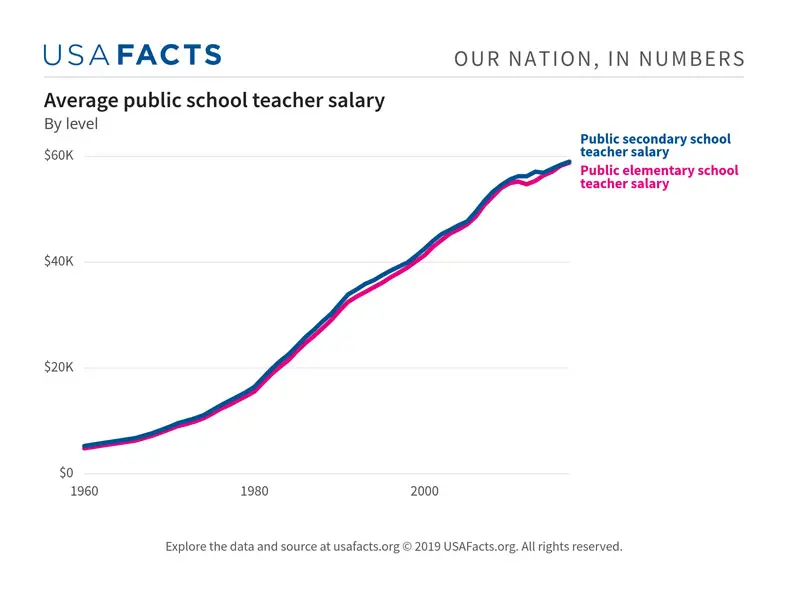
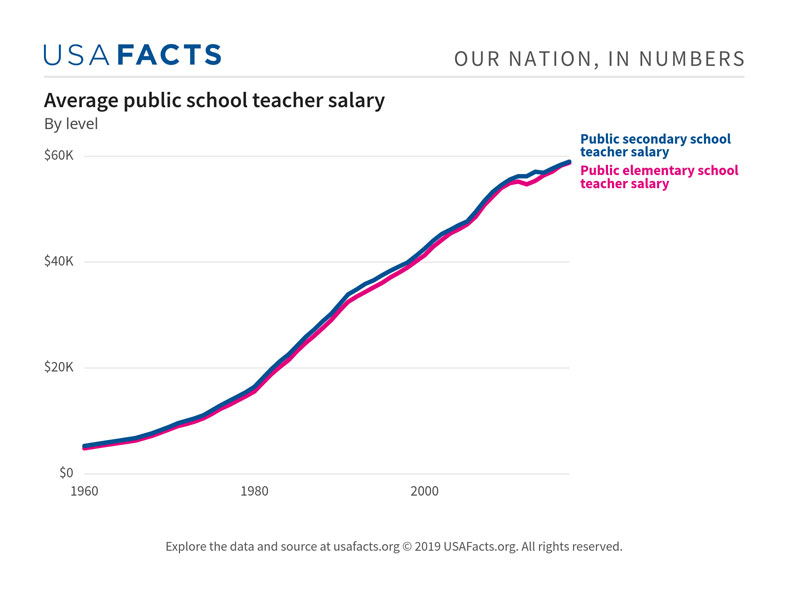
For educators navigating the economic pressures of the modern workforce, the reality of the classroom paycheck often falls short of meeting the rising costs of living, mortgages, and childcare. While teaching remains one of society’s most essential professions, disparities in district funding, geographical pay gaps, and stagnant wage growth have pushed many educators to look beyond traditional school hours for financial relief.
A viable side hustle for an educator must do more than just provide supplemental income; it must respect the rigorous mental and physical demands of the profession. The most successful secondary income streams leverage existing pedagogical skills, fit seamlessly into the academic calendar, and capitalize on the digital flexibility unlocked by remote learning.
According to data from the U.S. Bureau of Labor Statistics (BLS) and employment projections from Projections Central, while educational roles offer stable pension programs and health benefits, base salaries frequently necessitate supplemental revenue. This comprehensive guide evaluates the ten best side hustles for educators—ranging from immediate, fast-setup gigs to scalable, long-term entrepreneurial ventures—while examining the delicate balance required to avoid professional burnout.
Detailed Chronology: The Evolution of Educator Compensation and the Rise of the Side Economy
The financial strain experienced by modern teachers is not a recent phenomenon, but its trajectory has shifted significantly over the last decade due to inflation, shifting educational models, and post-pandemic economic realities.

- The Pre-Digital Era (Pre-2010s): Historically, teachers seeking extra income were limited to localized, in-person opportunities. Traditional side work consisted almost exclusively of after-school tutoring, local summer school instruction, or seasonal retail jobs. Geographic barriers restricted the pool of potential clients, and scaling an educational business required significant physical travel and logistical coordination.
- The Digital Marketplace Boom (2010–2019): The proliferation of online marketplaces revolutionized how educators monetized their expertise. Platforms like Teachers Pay Teachers (TpT) emerged, allowing teachers to transform single-use classroom worksheets into passive, recurring digital assets. Concurrently, early online tutoring networks broke down geographic boundaries, enabling educators to reach students across time zones.
- The Remote Learning Paradigm Shift (2020–2023): The global shift toward remote and hybrid learning fundamentally altered the perception of digital education. Video conferencing tools became ubiquitous, normalizing virtual academic coaching, remote curriculum consulting, and asynchronous online course creation. Teachers who had previously relied solely on brick-and-mortar schools suddenly possessed the digital literacy required to operate independent micro-businesses from home offices.
- The Current Landscape (2024–Present): Today, educators face a complex economic balancing act. While federal and state data highlight incremental salary adjustments, cost-of-living increases have outpaced standard pay scales. Side hustles have matured from desperate measures into sophisticated, strategic micro-enterprises. Modern educators leverage specialized skills—such as ESL instruction, educational consulting for homeschooling families, and digital content creation—to build diversified revenue portfolios tailored precisely to their personal schedules and academic calendars.
Supporting Context & Metrics: Understanding the Teacher Pay Landscape
To understand why secondary income streams have become a staple of the modern teaching profession, one must examine the baseline economic data provided by federal labor reports. Teacher compensation is primarily determined by two core factors: years of accumulated classroom experience and the specific geographic district or state in which an educator is employed. While advanced degrees and certifications such as National Board Certification can elevate earning potential, compensation incentives vary wildly across municipal lines.
National Wage and Employment Projections
Data from the U.S. Bureau of Labor Statistics (BLS) illustrates the national median annual wages for educators, while employment growth projections from Projections Central (covering the 2024–2034 decade) outline the broader health of the workforce:
| Occupation | Median Annual Wage (BLS) | Job Growth Projections (Projections Central, 2024–2034) | Estimated Annual Openings |
|---|---|---|---|
| Elementary School Teachers | $63,970 | -2.0% | ~91,000 (excl. special education) |
| Middle School Teachers | $64,370 | -2.0% | Moderate replacement demand |
| High School Teachers | $72,040 | -1.6% | ~66,200 |
Note: High school educators positioned at the 90th percentile earned approximately $107,600, though percentile metrics do not explicitly account for years of service.
Despite slight projected declines in total employment numbers, workforce exits driven by retirements and career transitions ensure a continuous volume of annual job openings. However, baseline salaries frequently fail to cover escalating household expenses. While district-provided benefits—such as pension plans, health insurance, and paid leave—remain powerful retention tools, they do not pay immediate childcare bills or mortgages. This financial gap drives educators toward sustainable, flexible secondary income.
The 10 Best Side Hustles for Teachers
When evaluating secondary employment, educators must consider three fundamental criteria: What existing skills can be leveraged? What time blocks are realistically available (free periods, weekends, or summer break)? And is the goal quick short-term cash or a scalable, long-term income stream?
1. Tutoring and Academic Coaching
Tutoring represents the most direct, frictionless translation of classroom skills into private revenue. Whether conducted in-person, via virtual video platforms, or through standardized test preparation, academic coaching is perpetually in high demand. Specialized niches, such as English as a Second Language (ESL) instruction, allow educators to connect with international student bases across global time zones. Most digital tutoring platforms enable educators to establish custom hourly rates and select specific availability within days.
2. Curriculum Development and Lesson Planning
For educators who consistently design engaging worksheets, project rubrics, and comprehensive unit assessments, platforms like Teachers Pay Teachers (TpT) offer a powerful passive income engine. By uploading digital files built for the classroom, teachers can sell the same intellectual property repeatedly. Independent storefronts via Etsy or personal websites provide alternative avenues for complete creative control. While building a digital follower base requires upfront time, the resulting revenue continues to flow long after the initial creation phase concludes.
3. Online Teaching and Asynchronous Course Creation
Taking digital monetization a step further, platforms like Udemy or Teachable allow educators to package their expertise into structured, pre-recorded online courses. Although this path demands significant upfront effort in video production, curriculum mapping, and editing, it eliminates live hourly constraints. Once published, an online course operates as an automated asset, making it an ideal summer project with year-round earning potential.

4. Freelance Writing and Content Creation
Educators possess advanced communication and structural editing skills that translate seamlessly into the freelance market. Content writing agencies, educational publishers, and digital marketing firms actively recruit writers for short-turnaround assignments. For those who prefer visual media, alternative outlets like stock photography contributions or graphic design templates on platforms like Canva allow teachers to monetize fundamental creative skills entirely separate from the traditional K-12 environment.
5. Educational Consulting
The rapid expansion of the homeschooling movement has created a lucrative market for independent educational consultants. Families navigating home education frequently hire licensed teachers to design customized scope-and-sequence curricula, track academic progress, and coordinate social-enrichment activities. This model provides steady, retainer-based client relationships rather than transactional, one-off tutoring sessions.
6. Arts, Crafts, and Handmade Goods
For educators gifted in the tactile arts, platforms like Etsy offer a low-risk environment to sell custom classroom decor, handmade teaching aids, jewelry, or personalized gifts. With minimal listing fees, teachers can test market viability for their physical creations without making substantial upfront inventory investments.
7. Coaching and Extracurricular Activities
School districts, municipal recreation departments, and private athletic clubs continuously seek qualified coaches and program leaders. Educators who coach during the academic year can easily extend their expertise into summer leagues, swim instruction, or specialized athletic camps. Community pools and local rec centers frequently hire certified teachers for seasonal roles, paving the way for lucrative private coaching clients.

8. Summer School and Camp Counseling
Working summer school within one’s own district provides a seamless continuation of the academic year, utilizing familiar curricula and student demographics for enhanced compensation. Alternatively, camp counseling offers a refreshing departure from traditional academics—providing outdoor engagement, physical activity, and a genuine mental break from the pressures of the standard school-year routine.
9. Short-Term Rentals
Educators who possess spare residential space, a guest house, or an empty apartment during travel periods can leverage short-term rental platforms like Airbnb to generate substantial revenue. While this venture requires careful management of property insurance, listing optimization, and guest turnovers, it yields passive cash flow that outpaces many transactional gig-economy jobs.
10. Delivery and Rideshare Driving
For absolute schedule flexibility down to a single open lunch hour or weekend evening, rideshare and food delivery services remain accessible options. Requiring only a reliable vehicle, standard insurance, and mileage-tracking software for tax purposes, this route offers immediate cash earnings without the burden of lesson planning or client management.
Official Statements and Professional Perspectives
Balancing a demanding primary career with a secondary enterprise requires rigorous self-regulation and professional boundary-setting. Industry experts and veteran educators emphasize that a side hustle should enhance financial security without compromising professional longevity.

"Working teachers have already mapped out which side hustles are worth a colleague’s limited time and which ones just eat into a weekend for a little cash. Most teachers who take on a side hustle manage to fit it in without it swallowing the rest of their week—the ones who burn out are usually the ones who never set a limit in the first place."
— Amanda Castillo, M.Ed., Education Writer and Former K–12 Educator
When choosing a supplemental path, experts advise educators to evaluate potential legal and ethical conflicts of interest. For example, providing paid private tutoring to students enrolled in one’s own current classes can create ethical complications, even in the absence of explicit district prohibitions. Furthermore, secondary income streams must be carefully managed so they do not drain the physical and emotional capital required to excel in the primary classroom—the very environment securing health insurance, pension contributions, and professional stability.
Future Outlook: Career Sustainability and Long-Term Strategy
As the educational ecosystem continues to adapt to digital transformation, the nature of teacher side hustles will likely evolve in tandem. The expansion of remote learning has permanently broadened the scope of what is possible, eliminating geographic travel time and allowing educators to scale digital products and virtual coaching sessions globally.

However, industry analysts stress that while side hustles serve as vital short-term fiscal shock absorbers, they should not be viewed as permanent structural solutions to systemic underfunding. For long-term financial health, educators are increasingly pairing immediate side gigs with professional development investments—such as pursuing master’s degrees, securing added administrative endorsements, or earning specialized teaching credentials. These credentials drive permanent, compounding increases to base salaries year after year, offering a more sustainable pathway toward financial security than gig work alone.
For the modern educator, the ideal approach combines strategic, flexible secondary income generation with targeted career advancement, ensuring that passion for teaching remains supported by sustainable economic reality.

