
Executive Overview
Parenthood has long been romanticized as a natural, fulfilling milestone, but behind closed doors, a profound and systemic crisis is quietly unfolding. Modern mothers are buckling under an unprecedented weight of responsibility—a phenomenon widely recognized as the "invisible load." Unlike physical labor, which can be shared and measured, the mental load encompasses the relentless anticipation, planning, organization, and emotional regulation required to keep a household functioning.
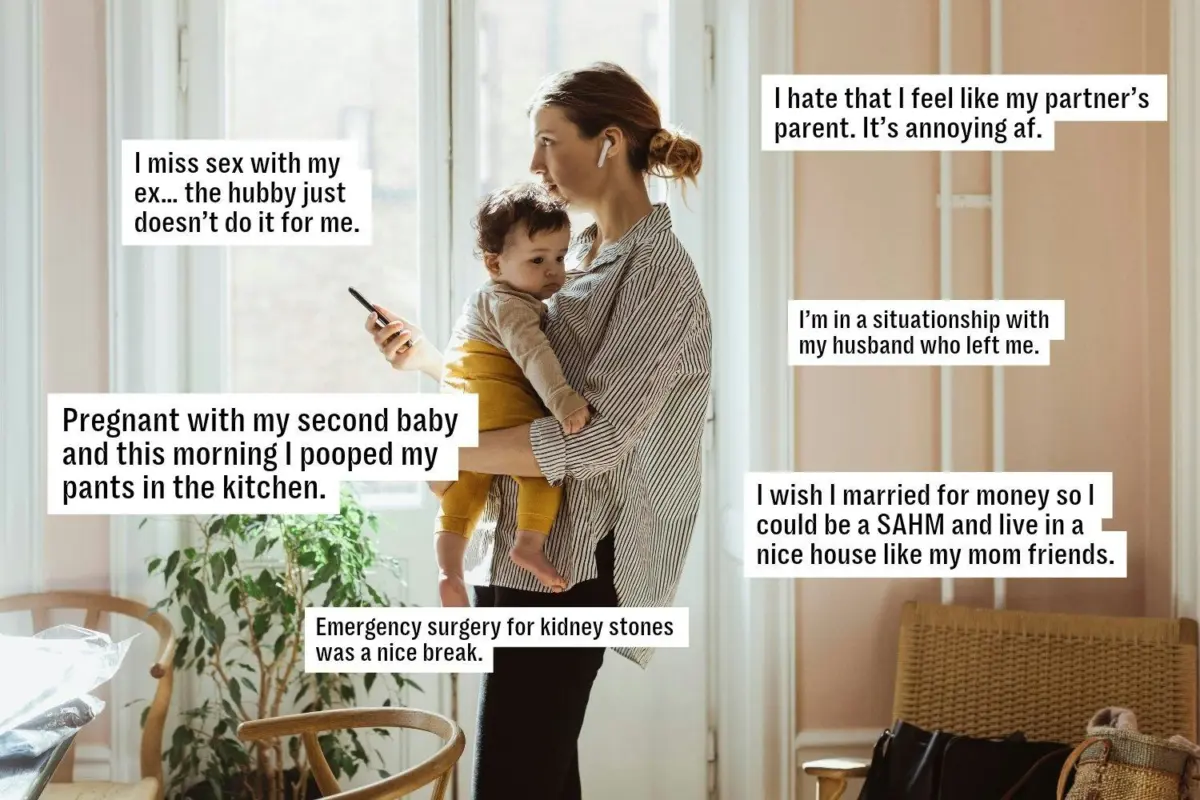
Recent anonymous disclosures from thousands of mothers paint a stark, unflinching portrait of a demographic pushed to the absolute brink. Far from the curated, sunlit perfection often projected on social media, the reality involves chronic burnout, physical ailments, marital disillusionment, financial anxiety, and a deep-seated longing for autonomy.
This article investigates the structural inequities driving the contemporary maternal mental load crisis. By examining first-person accounts, socioeconomic pressures, and the psychological toll of unequal domestic partnerships, we explore why "Mama Needs a Minute" is no longer just a lighthearted internet meme, but a desperate cry for systemic reform.
Detailed Chronology: The Anatomy of Modern Maternal Burnout
To understand how modern mothers reach a breaking point, one must examine the daily accumulation of micro-stressors that dictate their lives. While society often views burnout as a sudden collapse, it is actually a slow, methodical erosion of energy and identity built over years of unacknowledged labor.
Phase 1: The Transition to Parenthood and the Shift in Domestic Labor
For many women, the disparity in labor begins the moment a child enters the picture. Even in progressive households where duties are ostensibly split, studies consistently show that mothers shoulder the lion’s share of cognitive management. They are the designated "project managers" of the family—remembering pediatrician appointments, tracking school supplies, managing dietary restrictions, and anticipating emotional milestones.
In anonymous confessions, this manifests as an agonizing realization: many women feel less like equal partners and more like surrogate parents to their own spouses. One contributor noted the exhausting reality of living with a partner who "hasn’t had a job for seven years," reducing the home dynamic to managing "three teenagers instead of two."
Phase 2: The Mid-Life Squeeze and Compounding Crises
As children grow from toddlers into teenagers, the nature of the labor shifts rather than diminishes. Mothers in their late 30s and 40s frequently find themselves caught in a generational "sandwich generation" squeeze. They are managing failing high schoolers, children with neurodivergent diagnoses like ADHD, and aging parents facing debilitating health crises such as Parkinson’s disease—all while navigating their own physical declines.
Recent entries highlight alarming physical tolls: a 41-year-old undergoing her second back surgery in a month, another recovering from emergency kidney stone surgery who wryly confessed that the hospital stay felt like "a nice break," and countless others grappling with perimenopause, hormonal shifts, and the psychological impact of feeling invisible.
Phase 3: The Point of Fracture
When the invisible load becomes entirely unsustainable, the cracks begin to show in marital satisfaction, personal well-being, and mental health. For some, it leads to fantasies of escape—moving to another country, seeking separation despite financial barriers, or questioning the foundational choice of motherhood itself. The confessions reveal a profound grief: women mourning the loss of their former selves, trapped in cycles of resentment because their partners refuse to acknowledge that cognitive labor is real labor.
Supporting Context & Metrics: The Sociological Reality
The anecdotal evidence provided by anonymous platforms is strongly supported by sociological research and economic data. The modern mother is attempting to perform domestic and emotional labor within an economic and social infrastructure that offers virtually no institutional safety net.
The "Second Shift" and the Productivity Paradox
Sociologist Arlie Hochschild coined the term "The Second Shift" decades ago to describe the labor women perform at home after a full day of paid work. Today, that second shift has evolved into a 24/7 digital tether. Armed with smartphones, mothers manage family logistics via group chats, coordinate schedules late into the night, and monitor children’s digital lives.
- The Wage and Care Gap: Despite women making up nearly half of the modern workforce, they still perform roughly 75% of the world’s unpaid care work, according to global labor organizations.
- The "Wife" Paradox: A viral cultural sentiment often questions what women could achieve if they, too, had a "wife"—someone to manage the household chores, anticipate logistical hurdles, and provide domestic support. Without this support, working mothers face a productivity paradox: striving to succeed in the corporate world while maintaining traditional domestic expectations.
Economic Stressors and the Cost of Living
The contemporary family financial landscape adds fuel to the fire. Inflation, skyrocketing housing costs, and expensive childcare have left many families house-poor or struggling to pay basic utilities, such as winter heating oil. For mothers attempting to budget for the holidays or secure basic necessities, financial anxiety compounds the mental load, leaving little room for self-care, medical treatments, or mental health days.
Official Statements & Expert Perspectives
Mental health professionals, sociologists, and family therapists have increasingly spoken out about the crisis of maternal burnout, urging a shift in how society views domestic labor and mental health.
"The expectation that women can effortlessly balance hyper-demanding careers, intensive parenting, and domestic management without systemic support is a recipe for psychological collapse," notes Dr. Elena Vance, a clinical psychologist specializing in maternal mental health. "When partners minimize the mental load, they are invalidating the very cognitive architecture that keeps their family afloat."
Therapists emphasize that phrases like "I love my kids, but I am running on empty" or "I wish I didn’t become a mom" are not indicators of a lack of love, but rather symptoms of acute systemic deprivation.
- The Call for Boundary Setting: Experts advise that individual self-care—such as taking a walk or booking a massage—is insufficient to cure systemic burnout. True relief requires structural renegotiation within the household.
- Medical Validation: Healthcare providers are also stressing the importance of addressing physical symptoms rather than dismissing them as "part of getting older." Whether through Hormone Replacement Therapy (HRT), mental health support via SSRIs, or couples counseling, professionals are urging mothers to advocate fiercely for their own health.
Future Outlook: Toward a Sustainable Model of Family Life
As the conversation around the invisible load moves from private whisper networks and anonymous confession boards to mainstream public discourse, what does the future hold for modern motherhood?
1. Redefining Partnership
The traditional division of domestic labor is undergoing a necessary, albeit sluggish, evolution. Younger generations of couples are increasingly having explicit conversations about mental load distribution before marriage and children. For households currently in crisis, the path forward requires husbands and partners to actively educate themselves on invisible labor—shifting from a mindset of "helping out" to one of "shared ownership."
2. Workplace and Institutional Reform
True relief cannot happen solely within the four walls of the home. Employers must recognize that working mothers are often carrying an invisible weight that impacts their professional bandwidth. Forward-thinking companies are introducing robust parental leave policies, flexible work arrangements, and mental health benefits that acknowledge the holistic well-being of employees.
3. De-Stigmatizing the Complex Realities of Motherhood
By bringing taboo topics—such as marital ambivalence, sexual disconnect, career burnout, and the sheer terror of responsibility—into the light, communities like Scary Mommy Confessions serve a vital public function. They dismantle the myth of the "perfect mother" and replace it with a shared, collective reality.
Conclusion:
Mama doesn’t just need a minute; she needs a movement. Until society restructures the invisible architecture of domestic life to value mental and emotional labor equally, millions of women will continue to carry a load designed for a village, all by themselves. Recognizing the problem is the first step toward building a sustainable, equitable future for families everywhere.

