
By Allie Hogan
Executive Overview
In a strategic move that bridges generational nostalgia with contemporary retail savvy, Abercrombie & Fitch has officially entered the juvenile apparel market. The launch of the Abercrombie & Fitch Baby & Toddler collection marks a profound milestone for the legacy brand, transforming a retailer once defined by adolescent mall culture into a comprehensive, multi-generational lifestyle destination.
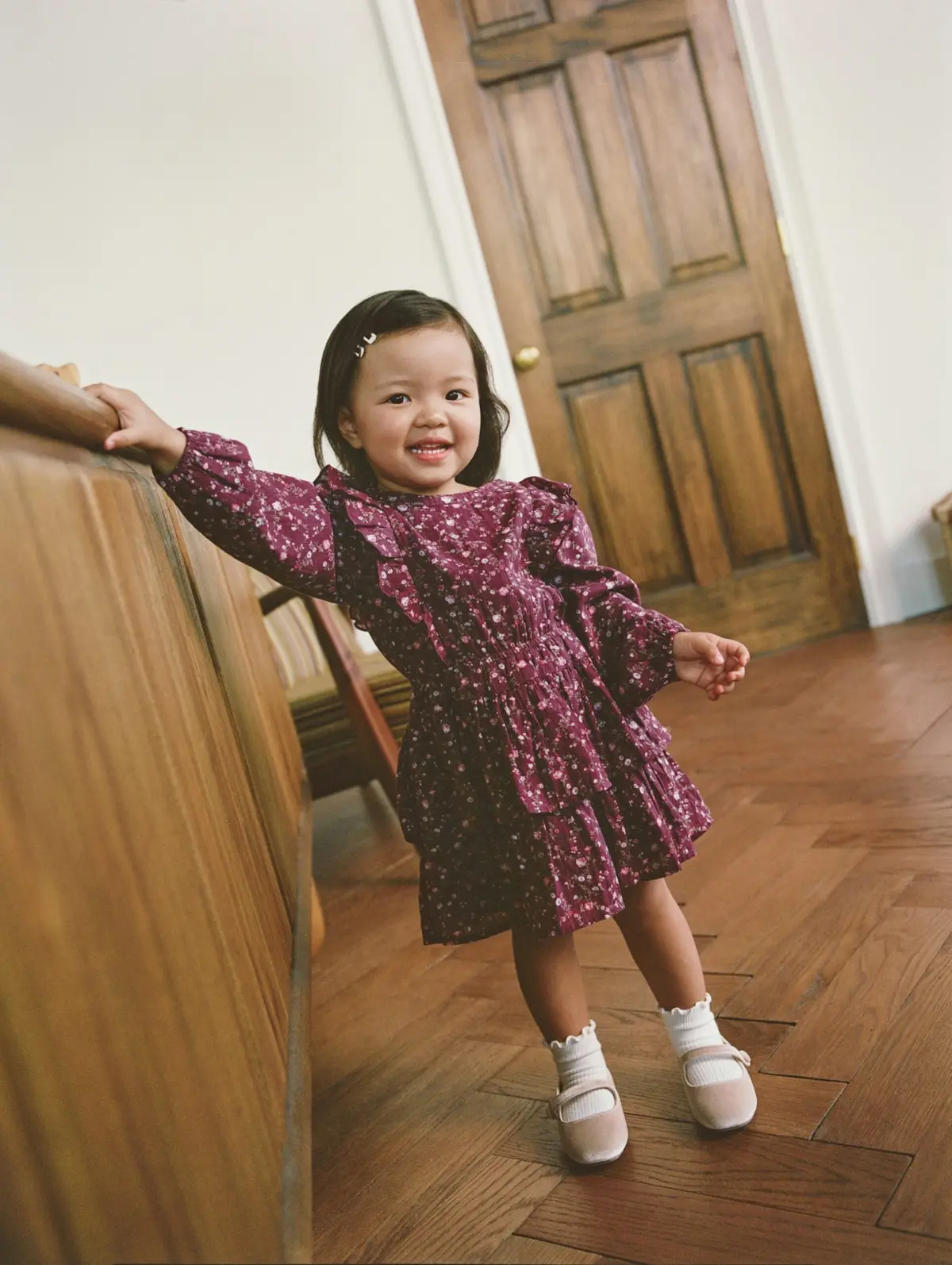
Covering sizes from newborn to 5T, the newly minted line translates the elevated, understated aesthetic of the adult collections into miniature silhouettes. From buttery-soft organic cotton sweat sets to miniature denim engineered with adjustable waistbands, the collection addresses a critical gap in the market: parents no longer have to choose between high-fashion aesthetics and everyday practicality.
This expansion is more than a seasonal product drop; it is a calculated masterclass in brand lifecycle management. By capturing the millennial and older Gen Z demographic—many of whom grew up wearing the brand’s iconic logoed fleece and low-rise denim and are now starting families—Abercrombie & Fitch is capitalizing on built-in brand equity. The debut features everything from playtime essentials and naptime comfort wear to "mommy-and-me" matching ensembles, positioning the brand as a one-stop shop for modern parents seeking chic, functional luxury for their little ones.
Detailed Chronology: From Mall Staple to Modern Family Destination
To understand the weight of Abercrombie & Fitch’s latest venture, one must examine the brand’s turbulent yet triumphant historical arc.
The Nostalgia Era: Adolescence and the Moose Logo
For a generation of consumers who came of age in the late 1990s and 2000s, Abercrombie & Fitch was more than a clothing store; it was a cultural touchstone. Characterized by dark, amber-lit storefronts, the heavy mist of fierce cologne, and walls lined with distressed denim and moose-embroidered hoodies, the brand dominated adolescent wardrobes. However, as tastes shifted toward fast fashion and minimalist athleisure in the 2010s, the brand faced significant cultural fatigue and financial headwinds.
The Great Rebrand: Maturing With the Consumer
Beginning around 2017, leadership executed a sweeping corporate overhaul. The hyper-sexualized marketing campaigns and heavily branded merchandise were phased out. In their place came a sophisticated, inclusive aesthetic defined by neutral color palettes, elevated fabrics, and timeless silhouettes.
As the core demographic of shoppers who once bought high school prom dresses and weekend tees grew into young adulthood, Abercrombie matured alongside them. The introduction of the Wedding Shop, tailoring lines, and extended sizing proved that the brand could successfully capture milestone moments in its customers’ lives.
The Next Frontier: Entering the Nursery
The launch of the Baby & Toddler collection is the ultimate manifestation of this brand maturity. By introducing infant and toddler wear, Abercrombie & Fitch is completing the family life cycle. The timeline moved naturally: first came the young adult consumer, then the career wear and wedding attire, followed by premium loungewear and home goods, and now, the next generation of consumers. This launch signals that the brand is no longer just dressing individuals—it is outfitting households.
Supporting Context & Metrics: The Economics of Mini-Me Fashion
The launch of Abercrombie’s juvenile line arrives at an opportune moment within the broader global children’s apparel market, which continues to demonstrate resilient growth despite broader economic fluctuations.
Market Dynamics and Consumer Behavior
According to recent industry analytics, the global children’s wear market is valued in the hundreds of billions of dollars, driven heavily by millennial and Gen Z parents who view children’s fashion as an extension of their personal style. Unlike previous generations who prioritized purely utilitarian clothing for infants—frequently cycling through cheap, synthetic garments that quickly degraded—today’s parents approach baby fashion with a distinct curation mindset.
- The Rise of Aesthetic Parenting: Driven by visual-first social media platforms, parents increasingly curate cohesive, neutral, or highly stylized wardrobes for their children.
- Durability Meets Design: Modern consumers demand high-performing textiles. Parents are willing to invest more per item if the garment offers features like organic fibers, durable stitching, and adaptable sizing.
- The "Mini-Me" Phenomenon: Coordinated parent-child outfits have evolved from a novelty trend into a staple retail category, driving high conversion rates and strong average order values (AOV) across direct-to-commerce channels.
Engineering the Garment: Form Meets Function
Abercrombie & Fitch’s entry into this competitive landscape is distinguished by its meticulous attention to ergonomic and functional design details. Designing for infants and toddlers requires navigating a complex matrix of safety regulations, tactile sensitivities, and parental pain points.
- Adaptive Sizing: One of the collection’s standout features is the inclusion of adjustable waistbands across all toddler denim styles. Because toddlers experience rapid growth spurts, these adjustable features extend the wearable life cycle of each garment, offering superior value to consumers.
- Streamlined Dressing: Recognizing the daily challenges of changing active infants, the line incorporates strategic features such as two-way zippers on sleepers, reinforced easy-snap closures on onesies, and wide necklines.
- Tactile Comfort: Fabrics have been rigorously tested for softness, utilizing lightweight, breathable weaves that protect sensitive infant skin while maintaining structural integrity through repeated machine washing.
Official Statements and Design Philosophy
In promotional materials and campaign briefs accompanying the launch, the design team at Abercrombie & Fitch emphasized that the collection was built on the pillars of heritage, quality, and emotional resonance.
"If, like us, you spent part of your adolescence begging your parents for Abercrombie & Fitch jeans or moose-covered tees, the iconic brand has brought it all full circle," noted the brand in its official launch communication.
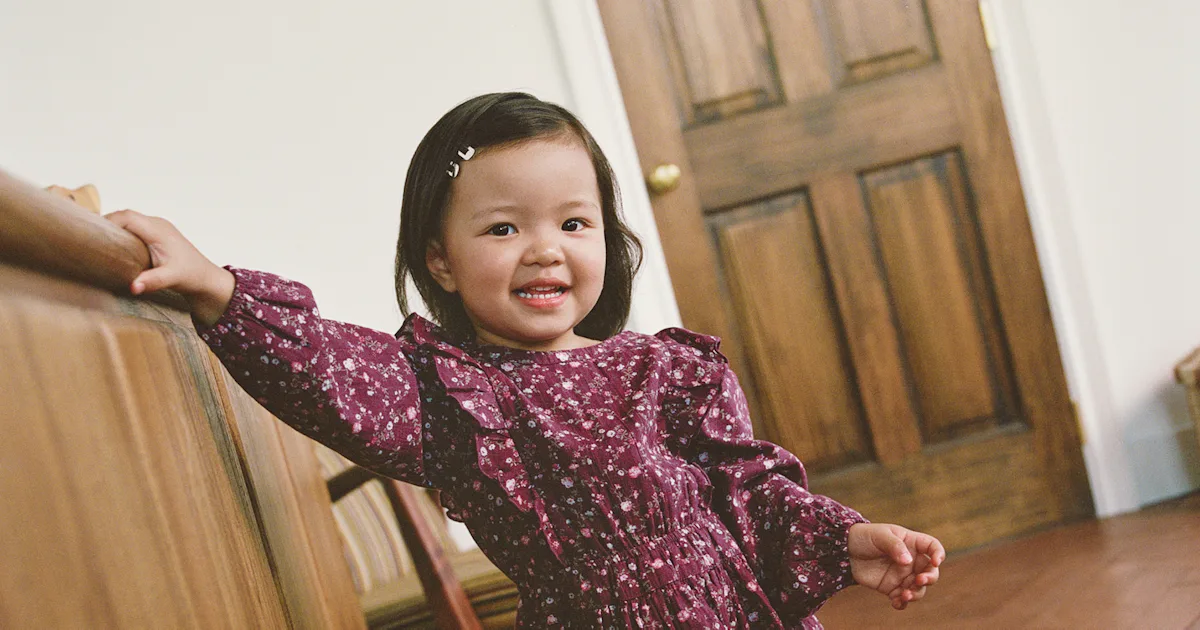
The design philosophy hinges on translating adult trends into pint-sized versions without sacrificing comfort or safety. While the visual language of the collection draws heavy inspiration from the adult line—utilizing relaxed fleece sweat sets, tailored outerwear, and chic seasonal dresses—the core construction remains strictly tailored to the developmental needs of babies and toddlers.
Furthermore, the brand highlighted the emotional weight of the "mommy-and-me" styling options. By offering direct style translations between the adult and junior collections, Abercrombie is tapping into the psychological desire for familial connection and shared identity, allowing parents to share their personal style evolution with their children.
Future Outlook: What the Baby & Toddler Line Means for Abercrombie’s Trajectory
The debut of the Baby & Toddler collection opens a new chapter of growth for Abercrombie & Fitch Co., signaling strong long-term potential for the brand’s ecosystem.
Customer Lifetime Value (CLV) Enhancement
From a retail strategy perspective, acquiring a customer during the infant and toddler stage creates a powerful cascading effect on Customer Lifetime Value (CLV). By outfitting children from newborn up to size 5T, Abercrombie establishes brand loyalty at the earliest possible stage. A parent shopping for a toddler sweat set is highly likely to cross-shop the adult lounge, denim, or workwear categories for themselves.
Expansion Potential and Category Extensions
Industry analysts are already speculating on the future trajectory of the children’s line. Should the initial launch meet or exceed sales projections—as early consumer and editor reception strongly suggests—potential future extensions could include:
- Footwear and Accessories: Expanding into infant footwear, branded baseball caps, and nursery accessories.
- Seasonal Holiday Collections: Specialized capsule drops for major holidays, school milestones, and family portrait seasons.
- Extended Sizing: Pushing beyond 5T into early elementary school grades as the brand’s current cohort of infant parents watch their children grow.
Conclusion
Abercrombie & Fitch’s transition into the baby and toddler market is a masterclass in brand evolution. By honoring its historical roots while listening intently to the lifestyle needs of its matured consumer base, the brand has successfully redefined its perimeter. The Baby & Toddler collection is more than an adorable assortment of miniature clothing; it is a strategic anchoring point that secures the brand’s place in family wardrobes for generations to come.

