
Executive Overview
In contemporary education, a profound shift is quietly transforming classrooms across the globe. Beyond standard academic subjects like mathematics, literature, and science, educators are increasingly recognizing a foundational truth: every teacher is, fundamentally, a teacher of executive functioning.
Executive functioning skills—the core, brain-based cognitive processes that govern our ability to plan, focus, remember instructions, manage multiple tasks successfully, and regulate our impulses—are the invisible scaffolding of all learning. Whether an elementary student is breaking down a complex multi-step math word problem, a middle schooler is organizing research for an English essay, or a high schooler is navigating a long-term collaborative art project, these cognitive mechanisms are constantly at play.
Despite their critical importance, executive functioning skills are rarely taught as explicit subjects in traditional teacher preparation programs. Instead, students are largely expected to master them implicitly. When they struggle—manifesting as disorganization, procrastination, emotional dysregulation, or difficulty starting tasks—they are frequently mislabeled as unmotivated or apathetic.
A growing movement of educational strategists, however, is rewriting this narrative. By intentionally embedding executive functioning strategies into existing curricula and dedicating micro-intervals to explicit cognitive skill-building, teachers can transform the modern learning environment. This comprehensive report explores the fundamental components of executive functioning, actionable classroom strategies across ten key domains, and the forward-looking frameworks empowering students to become independent, resilient learners for life.
Detailed Chronology: The Evolution of Executive Functioning in Education
To understand how executive functioning became a cornerstone of modern pedagogical strategy, it is helpful to trace its evolution from clinical neuropsychology into mainstream classrooms.
- Late 20th Century (The Medical and Clinical Foundation): Historically, executive functioning was a concept reserved for neuropsychology and neurology. Researchers studying patients with frontal lobe injuries identified specific deficits in planning, working memory, and impulse control, attributing these functions to the prefrontal cortex—the command center of the human brain.
- Early 2000s (The Cognitive Psychology Boom): As developmental psychology advanced, researchers began to map how these neural pathways developed in children and adolescents. Neuroscientists confirmed that the prefrontal cortex is one of the last regions of the human brain to fully mature, continuing its development well into a person’s mid-twenties. This revelation explained why children and teenagers naturally struggle with impulse control and long-term planning.
- The 2010s (The SEL and Brain-Based Learning Convergence): Social-Emotional Learning (SEL) programs gained widespread traction in schools. Educators began connecting emotional regulation with cognitive control, realizing that a dysregulated student cannot effectively engage in higher-order thinking.
- Present Day (Intentional Classroom Integration): Today, the educational paradigm has shifted from remediation to integration. Rather than treating executive functioning deficits as behavioral flaws, progressive educators are utilizing systematic, curriculum-embedded strategies to actively build these brain-based pathways for all learners on a daily basis.
Supporting Context & Metrics: Why Executive Functioning Matters
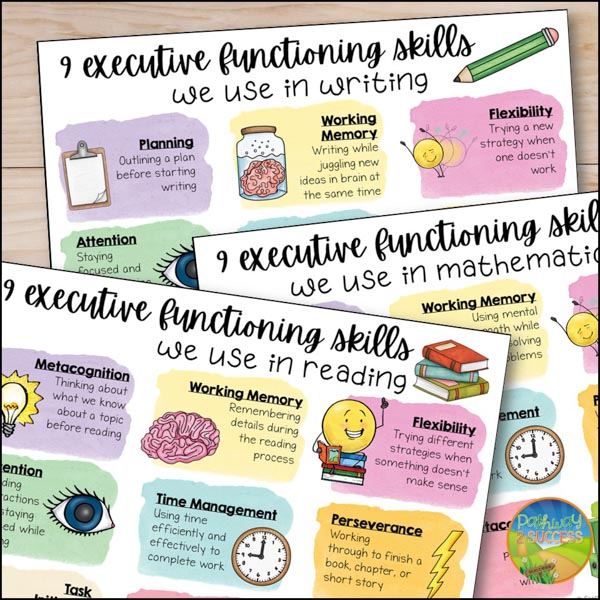
The human brain relies on a complex network of cognitive processes to manage everyday tasks. These processes are generally categorized into distinct yet interconnected pillars. Understanding these definitions provides the necessary context for effective classroom integration.
The Core Pillars of Executive Functioning
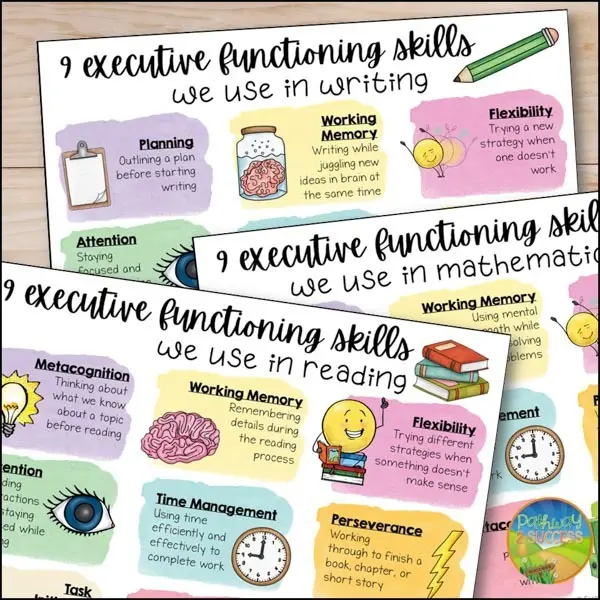
- Planning: The ability to look ahead, identify goals, and map out the sequential steps required to achieve them.
- Metacognition: The practice of thinking about one’s own thinking, allowing students to evaluate their own understanding and adjust strategies in real-time.
- Organization: The physical and mental process of arranging materials, ideas, and information in an orderly, accessible manner.
- Task Initiation: The critical capacity to overcome inertia, conquer procrastination, and begin a task in a timely fashion.
- Attention: The ability to sustain focus on tasks, individuals, or ideas while filtering out internal and external distractions.
- Time Management: The skill of estimating how long tasks will take and utilizing time efficiently to meet deadlines.
- Self-Monitoring: Regularly checking in on one’s own progress, behavior, and accuracy against a predetermined goal or rubric.
- Self-Control: The capacity to pause, reflect, and inhibit impulsive reactions before making a choice.
- Perseverance & Problem-Solving: The resilience to work through obstacles, troubleshoot failures, and persist until a goal is reached.
- Flexible Thinking: The mental agility required to adapt to sudden changes, consider alternative perspectives, and embrace new approaches.
The Cognitive Burden on Students
Data from cognitive development studies indicate that modern students face an unprecedented volume of stimuli and multitasking demands. Without explicit executive functioning toolkits, cognitive overload sets in rapidly.
Research consistently demonstrates that when schools explicitly teach these skills, classrooms experience reduced behavioral disruptions, lower chronic stress levels among students, and significant gains in academic performance across diverse demographic groups. Because the prefrontal cortex is highly plastic—meaning it can physically change and strengthen through consistent practice—targeted classroom interventions yield measurable improvements in student self-efficacy.
Official Strategies: Integrating Executive Functioning into Existing Lessons
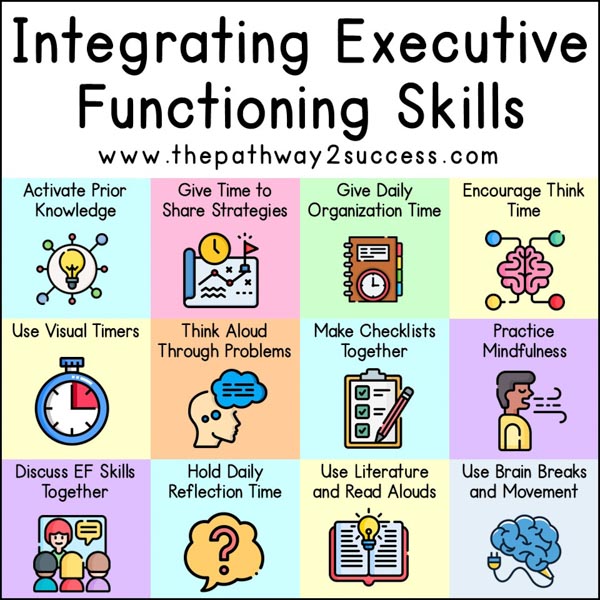
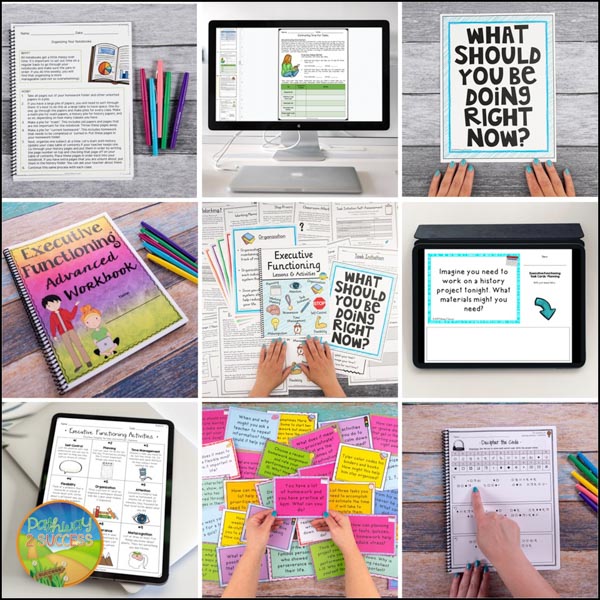
The beauty of executive functioning integration is that educators do not need to overhaul their established curriculums or purchase entirely new instructional materials. Instead, teachers can weave these strategies seamlessly into their daily subject matter.
1. Planning
- Reverse-Engineer Long-Term Projects: Before assigning an essay or science project, work backward with the class to map out milestone deadlines on a shared calendar.
- Visual Checklists: Break complex assignments down into discrete, checkable steps (e.g., Step 1: Write thesis statement; Step 2: Outline three supporting points).
2. Metacognition
- Think-Aloud Protocols: Model your own internal dialogue while solving a difficult math problem or analyzing a primary source document. Show students how you evaluate your mistakes.
- Muddy Point Reflections: Spend the final three minutes of class asking students to write down what concept still feels unclear to them.
3. Organization
- Color-Coded Systems: Assign specific colors to subjects (e.g., green for math, blue for history) to help students quickly locate materials.
- Digital File Hygiene: Dedicate the first five minutes of a digital-heavy class period to organizing desktop files and cloud folders.
4. Task Initiation
- The Five-Minute Rule: Give students permission to work on a daunting assignment for just five minutes. Often, crossing the initial psychological threshold of getting started eliminates the dread of procrastination.
- Starting Routines: Establish predictable opening rituals for every lesson so students know exactly what materials to pull out and how to begin working immediately.
5. Attention
- Brain Breaks: Implement brief, structured movement breaks during long instructional blocks to reset student focus.
- Chunking Instruction: Deliver direct instruction in digestible, 10-to-15-minute segments followed by active student engagement tasks.
6. Time Management
- Visible Timers: Use projected countdown timers during independent or group work blocks to give students a concrete visual representation of passing time.
- Time-Estimation Exercises: Ask students to guess how long a math worksheet will take them before they start, then compare their estimate to the actual time spent.
7. Self-Monitoring
- Rubric Self-Audits: Require students to grade their own rough drafts using a rubric before submitting them for a final grade.
- Progress Trackers: Have students maintain visual graphs of their reading comprehension scores or math quiz results over time.
8. Self-Control
- The "Pause and Breathe" Protocol: When transitions become chaotic, mandate a 10-second collective pause involving deep breathing before moving to the next activity.
- Scenario Discussions: Present brief hypothetical social or academic dilemmas and ask students to role-play the best inhibitory responses.
9. Perseverance and Problem-Solving
- Productive Struggle Framing: Explicitly praise student effort, resilience, and debugging processes rather than focusing solely on correct answers.
- "Ask Three Before Me" & Troubleshooting Boards: Encourage students to consult peers, check anchor charts, or test alternative strategies before asking the teacher for rescue.
10. Flexible Thinking
- Alternative Perspectives: During literature or history discussions, routinely ask: "How might this event look from a completely different point of view?"
- Plan B Exercises: When a lesson plan has to shift unexpectedly due to a school assembly or technical failure, narrate your own cognitive flexibility to the class: "Our original plan changed, so let’s adapt and look at how we can still achieve our goal."
Dedicated Skill-Building Frameworks
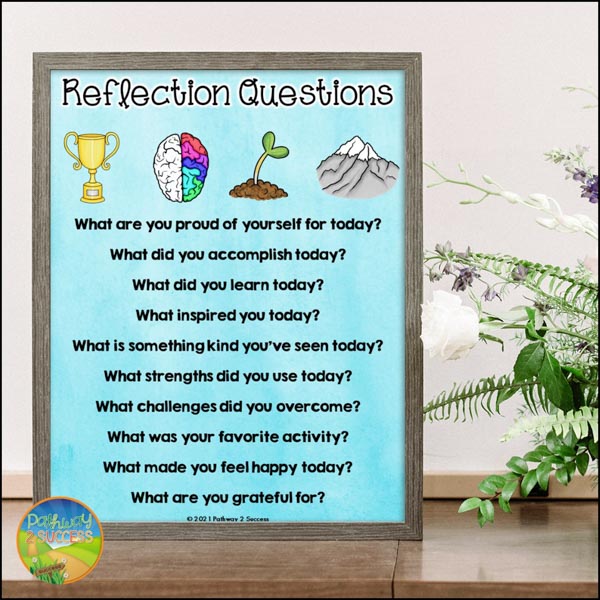
In addition to embedding these skills into daily content, educators can dedicate micro-intervals—ranging from 2 to 5 minutes—to explicit executive functioning instruction. These routines act as mental vitamins for developing minds.
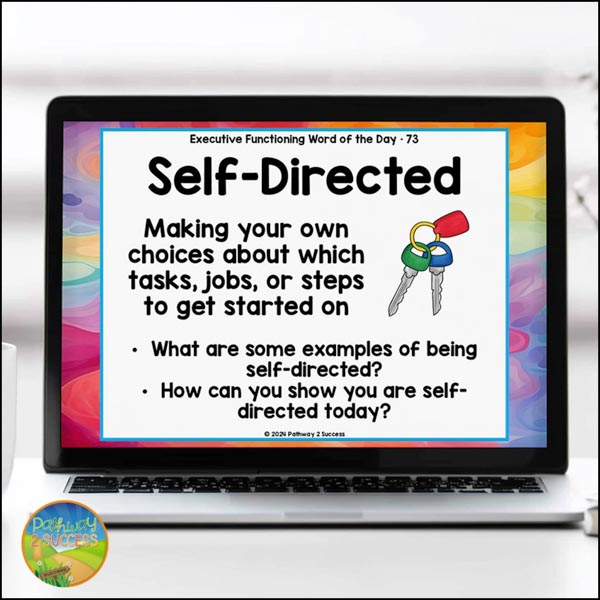
- Executive Functioning Word of the Day: Introduce vocabulary terms that foster cognitive growth (e.g., neuroplasticity, momentum, routine, adapt, self-discipline). Use guided questions to help students connect these words to their daily lives.
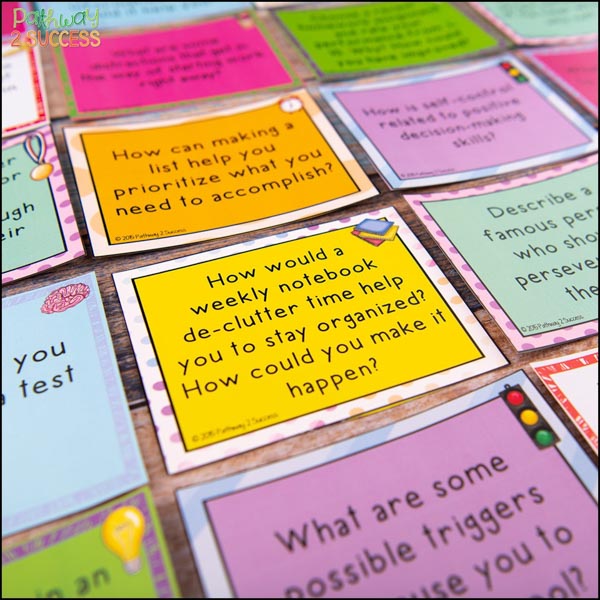
- Discussion and Task Cards: Use prompt cards during morning meetings or homeroom periods to spark dialogue about executive functioning. Questions such as "How can making a list help you prioritize?" or "How is self-control related to positive decision-making?" build metacognitive awareness.
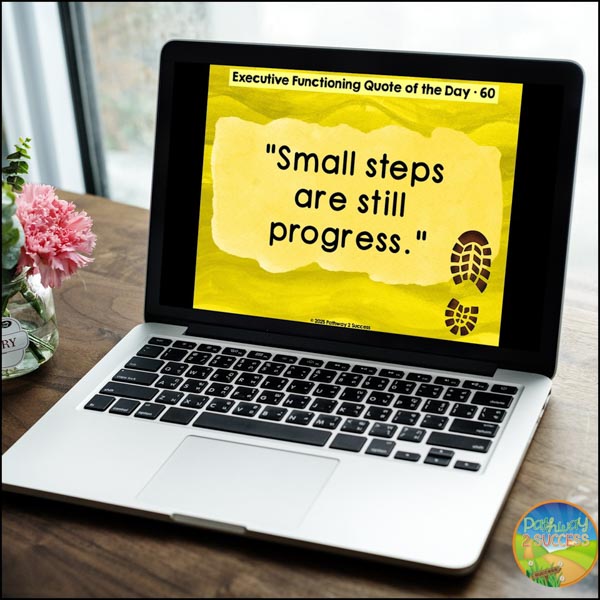
- Motivational Quotes: Start the day with a quote centered on perseverance, focus, or problem-solving. Spend two minutes discussing how historical figures or modern leaders applied executive functioning skills to achieve success.
- Read-Aloud Integration: Utilize literature across all grade levels to highlight character growth. Pause during storytime to ask: "What problem are the characters facing right now?" or "How did the character persevere through this challenge?"
Future Outlook
The integration of executive functioning skills into K-12 education represents a paradigm shift from passive content delivery to active cognitive empowerment. As neuroscientific research continues to illuminate the profound connection between brain development, emotional regulation, and academic success, schools are increasingly viewing these skills not as optional enrichment, but as essential human competencies.
Looking forward, the future of education lies in systemic implementation. Teacher preparation programs are beginning to embed executive functioning science into their core curricula, ensuring that future educators enter the classroom equipped to support diverse cognitive profiles. Furthermore, as workplaces continue to demand high levels of adaptability, complex problem-solving, and self-directed project management, schools that prioritize executive functioning will be uniquely positioned to graduate students who are not merely academically proficient, but deeply resilient, independent, and prepared to thrive in an ever-changing world.

