
Executive Overview
In an era characterized by digital distractions, hyper-fast media consumption, and escalating academic demands, educators and child psychologists are increasingly confronting a quiet crisis: a widespread deficit in executive functioning among children and teenagers. Central to this crisis is the struggle with self-monitoring—the foundational cognitive ability that allows individuals to pause, evaluate their current actions against a defined goal, and make real-time behavioral adjustments.
Far from being an innate trait that children either possess or lack, self-monitoring is an evidence-based executive functioning skill that can be systematically taught, practiced, and strengthened. Recent initiatives in classrooms and clinical environments across the country demonstrate that equipping youth with structured self-monitoring strategies dramatically improves attention span, behavioral self-regulation, academic performance, and personal independence. This report explores the mechanics of self-monitoring, its critical role in cognitive development, and a comprehensive suite of actionable strategies educators and parents can deploy to help kids and teens thrive.
Detailed Chronology: The Evolution of Self-Monitoring in Educational Frameworks
To understand the current emphasis on self-monitoring in schools, it is helpful to examine how educational psychology has evolved regarding behavioral and cognitive intervention.
- Late 20th Century (The Behavioral Paradigm): Historically, classroom management relied heavily on extrinsic reinforcement—rewards and punishments administered by adults to shape student behavior. While effective for immediate compliance, this model often failed to teach children how to regulate themselves in the absence of external authority.
- The Turn of the Century (The Rise of Metacognition): As cognitive psychology gained prominence, researchers began exploring metacognition—"thinking about thinking." Educators recognized that students who could verbally articulate their thought processes, identify their distractions, and evaluate their own learning trajectories achieved significantly better long-term outcomes.
- The 2010s (Integration into Special Education and ADHD Supports): Self-monitoring interventions emerged as a gold-standard, evidence-based practice primarily for students with Attention-Deficit/Hyperactivity Disorder (ADHD) and other executive functioning challenges. Techniques such as self-recording and curriculum-embedded check-ins proved that students could independently track their target behaviors with remarkable accuracy.
- Present Day (Universal Design for Learning): Today, self-monitoring is no longer viewed merely as an accommodation for struggling learners; it is recognized as a universal life skill essential for all children and teens. Modern classrooms increasingly integrate mindfulness, visual goal-setting, and structured reflection into daily routines, shifting the locus of control entirely to the student.
Supporting Context & Metrics: The Anatomy of Executive Functioning
Self-monitoring does not operate in a vacuum. It is deeply intertwined with a suite of executive functioning skills housed within the prefrontal cortex—the area of the brain responsible for decision-making, impulse control, working memory, and emotional regulation.
What is Self-Monitoring?
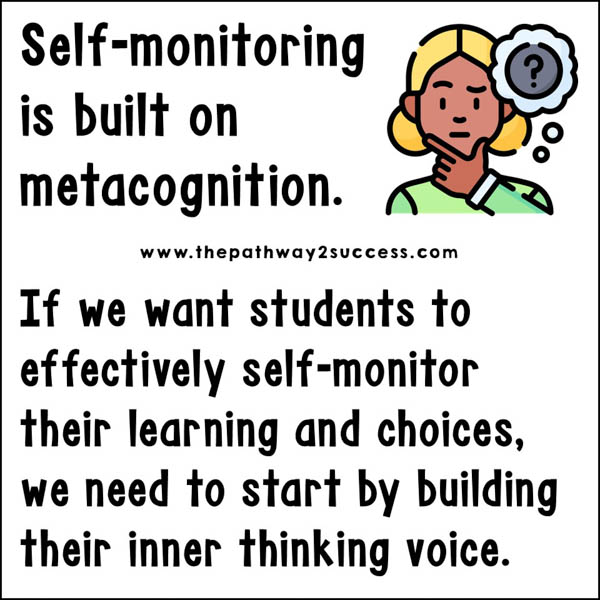
At its core, self-monitoring is the process of checking in with oneself to ensure alignment with a goal. When students lack strong self-monitoring skills, they easily lose sight of ongoing tasks. A student might open a textbook to read a chapter, only to find themselves daydreaming or distracted minutes later without realizing they have strayed from their objective.
Why It Matters
- Attention and Focus: Children are constantly bombarded by internal and external stimuli. Self-monitoring acts as an internal compass, redirecting attention back to the primary task.
- Behavioral Regulation: By catching frustration or boredom in the moment, students can deploy coping mechanisms rather than acting out or shutting down.
- Long-Term Independence: The ultimate goal of education is self-sufficiency. Students who master self-monitoring transition from relying on teacher prompts to autonomously managing their time, behavior, and academic output.
Actionable Frameworks: Evidence-Based Self-Monitoring Strategies for Educators and Parents
Developing robust self-monitoring muscles requires intentional, daily practice. Below is an exhaustive breakdown of evidence-based strategies that can be implemented in classrooms and households to foster these critical skills.
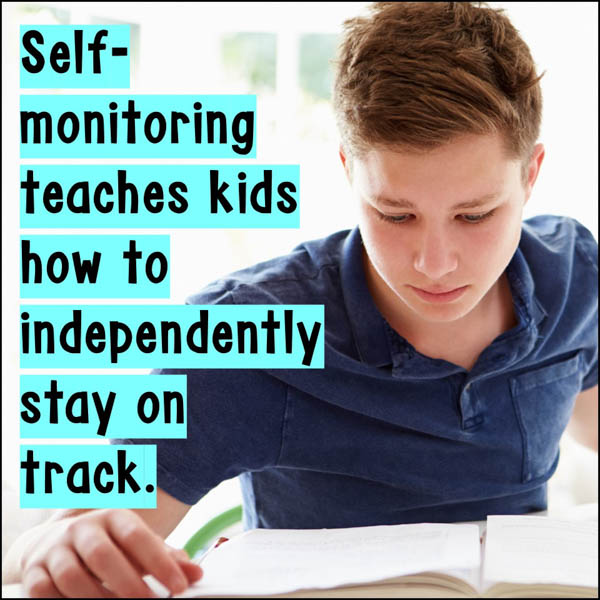
1. Build an Inner Thinking Voice Through Metacognition
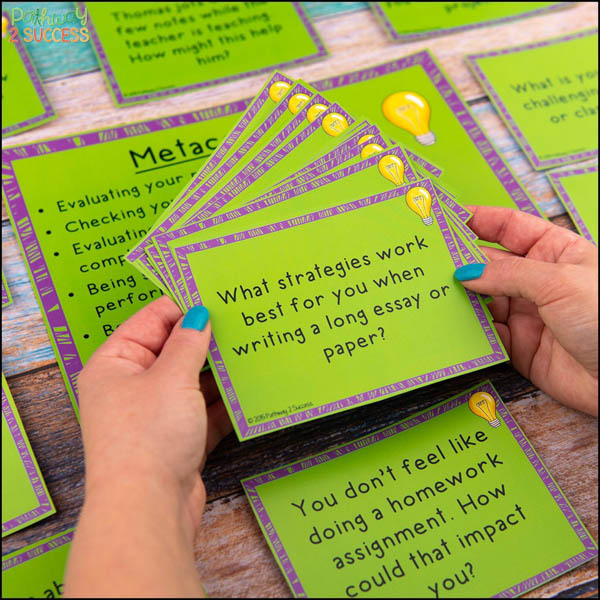
Metacognition is the bedrock of self-monitoring. Adults can help children cultivate an inner thinking voice by holding structured strategy discussions before, during, and after academic tasks.
- Implementation: After completing an assignment, facilitate a class or family conversation. Ask questions like: What part of this activity felt most challenging? At what point did you feel your focus start to slip? What did you do to bring your attention back?
- Benefit: These discussions normalize the struggle of maintaining focus and provide a peer-to-peer exchange of practical coping strategies.
2. Write Out Goals Explicitly
Self-monitoring cannot occur if the goal is vague or undefined. Before a work session begins, children and teens should explicitly write down what they plan to accomplish.
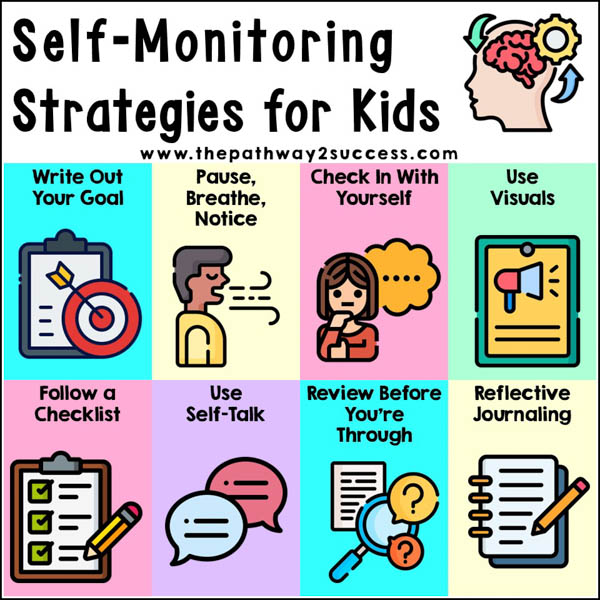
- Implementation: Have students use an index card or sticky note to write a single, clear objective for the working period (e.g., "I am completing problems 1 through 10 on my algebra worksheet").
- Benefit: Placing this physical reminder on the desk anchors their attention and establishes immediate personal accountability.
3. Pause, Breathe, and Notice (Mindful Breathing)
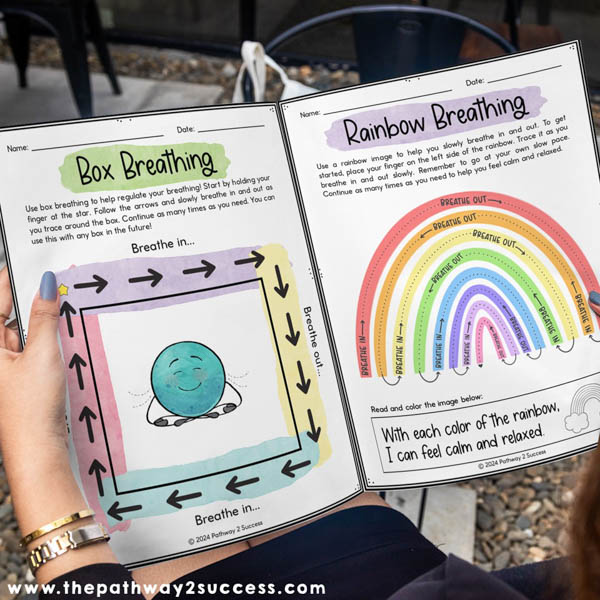
Living in a fast-paced digital culture trains the brain for constant stimulation, making the act of pausing exceedingly difficult. Mindful breathing serves as the physical framework for mental check-ins.
- Implementation: Introduce short, daily breathing exercises. Have students sit comfortably, close their eyes, and take slow, deep breaths while counting them mentally. Encourage them to notice physical sensations and clear mental clutter.
- Benefit: Research confirms that mindful breathing is an evidence-based tool for reducing anxiety, enhancing emotional self-regulation, and sharpening focus.
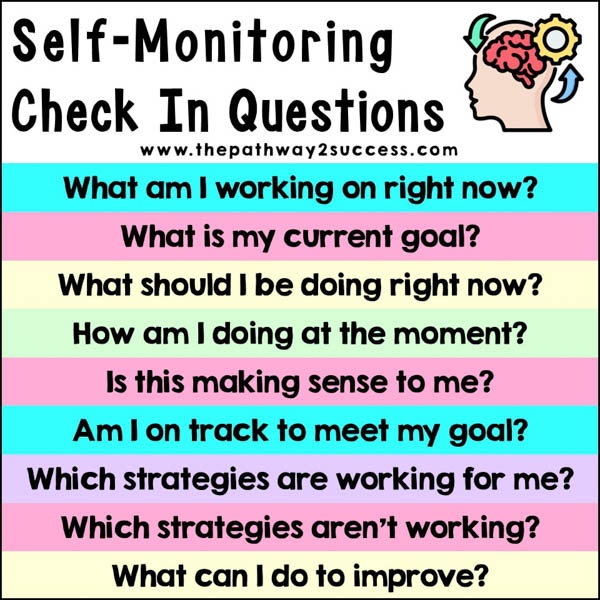
4. Schedule Structured Self-Check-Ins
Rather than expecting students to autonomously monitor their progress throughout a lengthy task, adults should engineer structured moments for reflection.
- Implementation: Midway through a test, project, or study session, sound a gentle chime or timer. Instruct students to pause and ask themselves diagnostic questions: Am I currently on track? Do I need to change my approach? How is my energy level?
- Benefit: This interrupts autopilot behavior, allowing students to course-correct before small errors compound into major roadblocks.
5. Utilize Positive Self-Talk
Internal dialogue heavily influences external behavior. Negative self-talk ("I can’t do this," "I’m stupid") sabotages concentration, whereas positive self-talk builds resilience.
- Implementation: Introduce and practice specific affirmative phrases, such as: "I can take this one step at a time," "Mistakes help my brain grow," or "I am staying focused on my goal."
- Benefit: Positive affirmations empower kids and teens to manage frustration and maintain momentum through difficult tasks.
6. Leverage Visual Supports and Checklists
Visual cues reduce the cognitive load required to remember multi-step instructions, making them invaluable for learners with ADHD or attention challenges.
- Implementation: Create customizable checklists for routine tasks—such as organizing a backpack, writing an essay, or cleaning a workspace. Once mastered, encourage students to design their own checklists.
- Benefit: Checklists foster independence by allowing students to track their own progress step-by-step without constant adult supervision.
7. Track Behavior with Tally Charts and Timers
Tangible tracking mechanisms provide instant feedback loops that make abstract concepts like "focus" concrete.
- Implementation: Use tally charts for repetitive tasks (e.g., placing a mark for every completed math problem) or set short, manageable timers (e.g., 10 minutes of uninterrupted journal writing) to build stamina gradually.
- Benefit: These tools gamify concentration, transforming daunting responsibilities into achievable micro-goals.
8. Review Work Before Submission
Reviewing completed work is a quintessential self-monitoring behavior that bridges the gap between task completion and quality control.

- Implementation: Establish a non-negotiable classroom or household rule: no assignment is finished until it has been thoroughly reviewed against the original instructions.
- Benefit: This habit curates conscientiousness, reduces careless errors, and teaches pride in craftsmanship.
9. Deploy Point Sheets and Brain Breaks
- Point Sheets: Break working sessions into manageable time blocks where students rate their adherence to specific goals (e.g., staying in seat, completing work), providing immediate behavioral feedback.
- Brain Breaks: Integrate strategic pauses—such as stretching, deep breathing, or quick physical movements—to refresh cognitive stamina and serve as natural reset points for self-reflection.
10. Engage in Reflective Journaling
Following a project or school day, set aside time for structured journaling. Asking reflective questions (What went well? What got in my way? What would I do differently next time?) deepens self-awareness and solidifies executive functioning skills over the long term.
Official Statements & Expert Perspectives
Child development specialists and educational researchers emphasize that teaching self-monitoring is an investment in lifelong resilience.
"When we teach children how to monitor their own attention and behavior, we are handing them the keys to their own cognitive independence," notes Dr. Elena Vance, a leading researcher in educational psychology. "External discipline manages a child for a day; self-monitoring teaches a child how to manage themselves for a lifetime."
Educators working in classrooms implementing these strategies report a tangible shift in school culture. Rather than viewing discipline as a punitive measure enforced by teachers, students increasingly view behavior management as an internal skill set they are actively cultivating.
Future Outlook: The Next Frontier in Student Empowerment
As educational paradigms continue to shift toward holistic child development, the integration of executive functioning training into standard curricula is expected to accelerate. Schools are moving away from rigid, one-size-fits-all disciplinary models and toward personalized, metacognitive toolkits.
Future initiatives will likely see a deeper synthesis of digital mindfulness tools, personalized self-monitoring software, and professional development programs designed to train educators in executive functioning pedagogy. By embedding these evidence-based practices into the daily lives of children and teens, society is building a more resilient, self-aware, and focused generation capable of navigating the complex demands of the 21st century.

