
Executive Overview
In the high-stakes environment of modern education, instructional coaching and professional development are foundational to school improvement. However, when school leaders or instructional coaches introduce new pedagogical frameworks, curricula, or administrative mandates, they frequently encounter resistance. Traditionally, educational institutions have diagnosed this pushback as a personal deficit residing entirely within the teacher—characterizing hesitant educators as inflexible, change-resistant, or unwilling to adapt.
Renowned instructional coach, educator, and author Elena Aguilar challenges this long-standing paradigm in her ninth book, How to Coach Resistance: Turning Pushback Into Possibility. Aguilar posits that teacher resistance is rarely a localized issue born of stubbornness; rather, it is a dynamic, relational phenomenon co-created by both the teacher and the coach.
This article explores Aguilar’s transformative frameworks, dissecting how instructional leaders often inadvertently fuel the very resistance they seek to eliminate. By examining the emotional undercurrents of pushback, utilizing diagnostic growth models like the ACE and Gaps Frameworks, and recognizing "righteous resistance," this piece provides a comprehensive roadmap for transforming adversarial interactions into collaborative partnerships for genuine educational reform.
Detailed Chronology: The Evolution of Professional Coaching Dynamics
To understand the current crisis of teacher burnout and institutional pushback, it is necessary to examine how instructional coaching and professional development (PD) have evolved over the past few decades.
The Era of Compliance-Driven Coaching (Late 20th Century)
Historically, supervision in schools was largely evaluative. Principals and administrators acted primarily as inspectors rather than collaborators. Professional development was handed down from district offices in a "sit-and-get" seminar format. When teachers failed to implement top-down mandates, the response was corrective, relying on compliance models rather than developmental support.
The Rise of the Instructional Coach (2000s–2010s)
As educational research shifted toward job-embedded professional learning, the role of the instructional coach emerged. Designed to bridge the gap between abstract educational theory and classroom practice, coaches were embedded in schools to support teachers non-evaluatively. Yet, early coaching models frequently carried implicit expectations of rapid pedagogical transformation. Coaches were trained to implement specific literacy programs, math curricula, or technological integrations, often measuring success by the speed of adoption rather than the depth of understanding.
The Post-Pandemic Reality and Deepening Burnout (2020s)
Following the systemic disruptions of the COVID-19 pandemic, classrooms face unprecedented stress. Teachers are inundated with addressing significant learning gaps, navigating socio-emotional crises, and managing increased administrative scrutiny. In this climate, top-down directives to change curriculum or teaching methods often trigger immediate, defensive pushback.
It is within this current landscape that Aguilar’s work arrives as a vital intervention. Rather than treating resistance as a logistical hurdle to be bypassed, Aguilar tracks the evolution of coaching toward a deeply empathetic, psychological, and relational discipline. She argues that modern instructional leaders must pivot from enforcing compliance to investigating the underlying barriers that make change feel perilous to educators.
Supporting Context & Metrics: Unpacking the Anatomy of Resistance
To effectively shift how educational systems handle pushback, stakeholders must analyze the mechanics of the coaching interaction. When a teacher reacts defensively to a suggested change, it typically sparks a reciprocal defense mechanism in the coach.
The "Two Hands" Dynamic
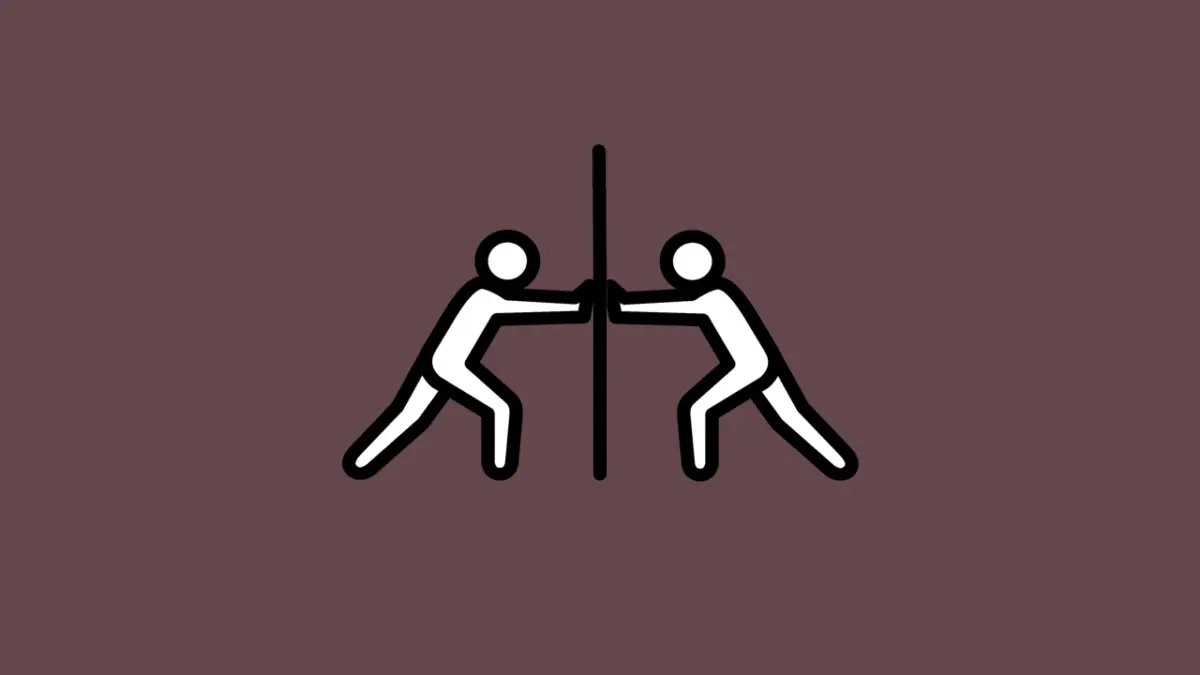
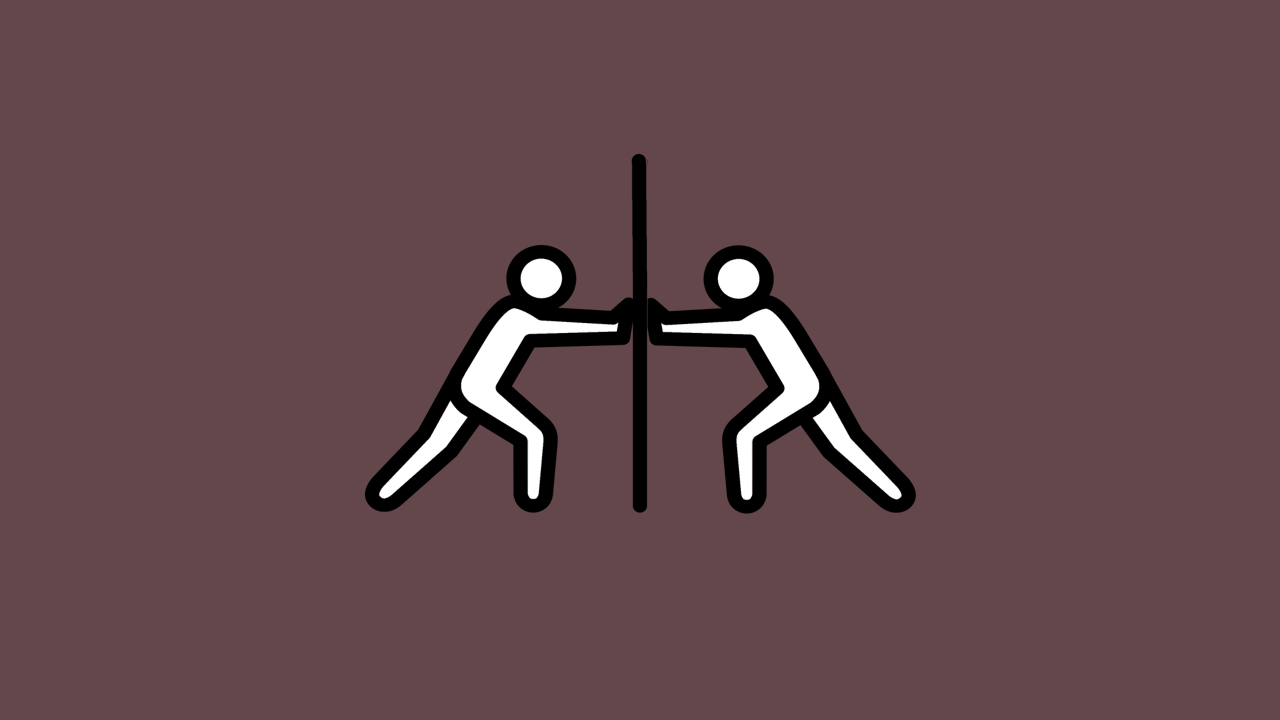
Aguilar visualizes resistance through a powerful metaphor: two people pushing against each other with their hands.
- The Teacher’s Pressure: Driven by fear of failure, fatigue, or a genuine belief that a directive harms students, the teacher pushes back.
- The Coach’s Pressure: Driven by anxiety to meet district metrics, fear of failing in their coaching role, or a desire to prove the validity of a curriculum, the coach pushes back harder.
The resulting deadlock is fueled by mutual defensiveness. The teacher claims students cannot handle rigorous tasks; the coach insists they can. Each escalation intensifies the tension. Aguilar’s breakthrough insight is remarkably simple yet counterintuitive: the coach must drop their hand.
[Traditional Dynamic]
Teacher Pushback (Fear/Defense) <===========> Coach Counter-Pressure (Anxiety/Mandates) = DEADLOCK

[Transformed Dynamic]
Teacher Pushback (Fear/Defense) <----------- [Coach Drops Hand / Drops Curiosity] -> Collaborative Problem-Solving
Dropping the hand does not mean capitulating or abandoning high standards. It means halting the exertion of personal force and replacing it with radical curiosity. By stepping out of the power struggle, the coach creates psychological safety, allowing the underlying needs of the educator to surface.
Official Frameworks for Action: The Aguilar Method
For coaches and school leaders seeking practical applications of these concepts, Aguilar offers structured analytical frameworks designed to decode resistance and isolate its root causes.
1. The ACE Framework: Addressing the Emotional Core
Beneath nearly every instance of professional pushback lies a complex web of unexpressed emotions—fear, shame, exhaustion, or grief over changing professional identities. The ACE framework provides a three-step protocol to navigate these waters without requiring coaches to act as clinical therapists.
- Acknowledge Emotions: Before jumping into tactical problem-solving, coaches must pause and name the emotional landscape. This requires exploratory language rather than declarative labeling. Instead of saying, "You are angry about this new curriculum," a coach might offer, "I’m noticing some heavy frustration or hesitation around these reading requirements. Does that resonate with what you’re feeling?" This builds immediate acceptance.
- Cultivate Compassion: Teachers under intense pressure often subject themselves to severe self-criticism. Cultivating compassion involves helping educators access self-kindness—often unlocked by asking, "What would you say to a best friend experiencing this exact struggle?" Crucially, Aguilar notes that coaches cannot authentically offer this invitation if they have not practiced radical self-compassion themselves.
- Expand the Story: Human beings naturally construct narratives to make sense of struggle (e.g., "My students are incapable of learning this," or "Administration doesn’t care about my workload"). Coaches must gently help educators unpack these internal narratives, examine the beliefs attached to them, and deliberately choose to expand their perspectives to include alternative possibilities.
2. The Gaps Framework: Diagnosing Actual Needs
When instructional strategies stall, coaches often assume a will gap—the mistaken belief that the teacher simply refuses to change. However, Aguilar’s Gaps Framework categorizes professional hurdles into six distinct areas for growth:
- Skill: The mechanical ability to execute a teaching strategy.
- Knowledge: Understanding the foundational concepts behind a pedagogical approach.
- Capacity: Having the time, energy, and physical/mental bandwidth to implement a change.
- Will: The internal motivation and desire to adopt a practice.
- Emotional Intelligence: The self-awareness and relational regulation needed to navigate classroom dynamics.
- Cultural Competence: The awareness of cultural biases, systemic inequities, and the socio-cultural realities of students.
By systematically evaluating these six categories, coaches prevent misdiagnosing systemic exhaustion or lack of training as stubbornness. For example, a high school math teacher objecting to reading-heavy common core standards may not lack the will to teach literacy; rather, they suffer from a knowledge and skill gap, having never received professional training in reading instruction.
3. Honoring "Righteous Resistance"
A vital contribution of Aguilar’s work is the validation of pushback that is entirely justified. Resistance is not inherently pathological. When a kindergarten teacher is mandated to enforce one hour of continuous sedentary carpet instruction, their pushback is not a deficit—it is a developmentally informed, ethical rejection of a harmful practice.
Coaches must possess the discernment to recognize when a teacher’s resistance stems from deep professional ethics. In such cases, the coach’s role shifts from persuasion to advocacy: exploring systemic avenues for pushback, identifying institutional points of leverage, and helping the educator navigate the ethical tensions of working within flawed bureaucratic structures.

Future Outlook: Transforming School Culture Through Relational Coaching
As educational systems look toward the future, the sustainability of the teaching workforce depends heavily on how leadership communicates and collaborates with frontline educators. The old paradigm of compliance-driven coaching breeds alienation, accelerates teacher attrition, and deepens institutional fractures.
By embracing the principles outlined in How to Coach Resistance, school districts, instructional coaches, and building administrators can foster a culture defined by:
- Psychological Safety: Classrooms and staffrooms where educators feel safe to voice vulnerabilities, admit instructional failures, and ask for genuine support without fear of professional reprisal.
- Partnership Over Prescription: Shifting the supervisory tone from "I am here to fix you" to "We are partners investigating how to best serve these students."
- Systemic Empathy: Acknowledging that educator well-being and student achievement are inextricably linked. When leaders prioritize emotional intelligence and structural capacity, resistance transforms from an adversarial roadblock into an essential compass guiding meaningful, sustainable school improvement.
Ultimately, Elena Aguilar’s framework reminds us that sustainable change cannot be beaten into a system; it must be cultivated through trust, deep listening, and an unyielding commitment to shared inquiry.

