
Executive Overview
Education has long been celebrated as a noble profession driven by an intrinsic passion for shaping young minds. However, a stark economic reality underpins the global classroom: teachers are consistently underpaid relative to the immense societal value they provide and the heavy operational burdens they carry. While educators enter the profession propelled by a dedication to student success, stagnating wages and escalating living costs have forced many to seek alternative revenue streams.
Rather than viewing supplemental work as an anomaly, modern labor trends highlight side hustles as a pragmatic, enduring component of a contemporary teacher’s career. From digital curriculum marketplaces to virtual tutoring and remote consulting, educators are leveraging their specialized pedagogical skills to achieve financial stabilization. This investigative overview explores the financial forces driving teachers to pursue secondary employment, highlights ten accessible side hustles tailored to academic schedules, and outlines strategic frameworks for balancing extra work without succumbing to burnout.
Detailed Chronology: The Evolution of Educator Compensation and the Rise of the Gig Economy
To understand why modern educators increasingly rely on supplemental income, it is essential to trace the historical and systemic trajectory of teacher compensation.
Mid-to-Late 20th Century: The Stability Era
For decades, the teaching profession offered a predictable, middle-class stability characterized by modest yet reliable salaries, robust health benefits, and standardized pensions. While compensation rarely matched corporate entry-level salaries requiring comparable education, the total compensation package was generally deemed sufficient to sustain a household. Side employment was largely restricted to traditional summer jobs, such as coaching school sports, working as camp counselors, or teaching summer school within the district.

The Turn of the Century and Economic Shifts
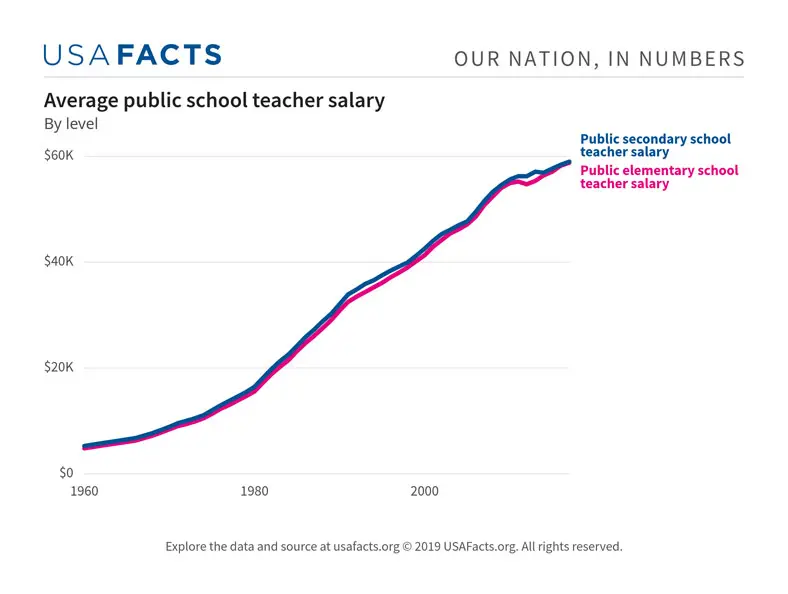
As the early 2000s unfolded, systemic shifts began to erode the purchasing power of educators. Budget cuts following economic downturns—particularly the 2008 financial crisis—stagnated public education funding across numerous states. Salary increases failed to keep pace with inflation, housing costs, and healthcare expenses. Consequently, teachers found themselves working longer hours, absorbing out-of-pocket classroom supply costs, and facing a widening compensation gap compared to other college-educated professions.
The Digital Era and the Proliferation of the Gig Economy
The mid-2010s marked a pivotal transformation. The rise of digital platforms—such as TeachersPayTeachers, VIPKid, Udemy, and Etsy—created low-barrier, high-accessibility markets for specialized educational content and remote services. Teachers no longer had to rely solely on physical, local side jobs. Instead, they could monetize their lesson plans, grade-level expertise, and administrative organization on a global scale.
The COVID-19 Pandemic and the Remote Learning Boom
The COVID-19 pandemic permanently altered the educational landscape. The rapid, widespread adoption of remote learning infrastructure dismantled geographic barriers for instructional work. Video conferencing tools normalized virtual classrooms, enabling educators to scale private tutoring, online course creation, and educational consulting. Furthermore, partnerships between tech platforms (such as Airbnb’s collaboration with the National Education Association in 2022) further formalized pathways for educators to monetize secondary assets, cementing the modern side hustle as a permanent pillar of educational economics.
Supporting Context & Metrics: Analyzing Teacher Salaries and Financial Pressures
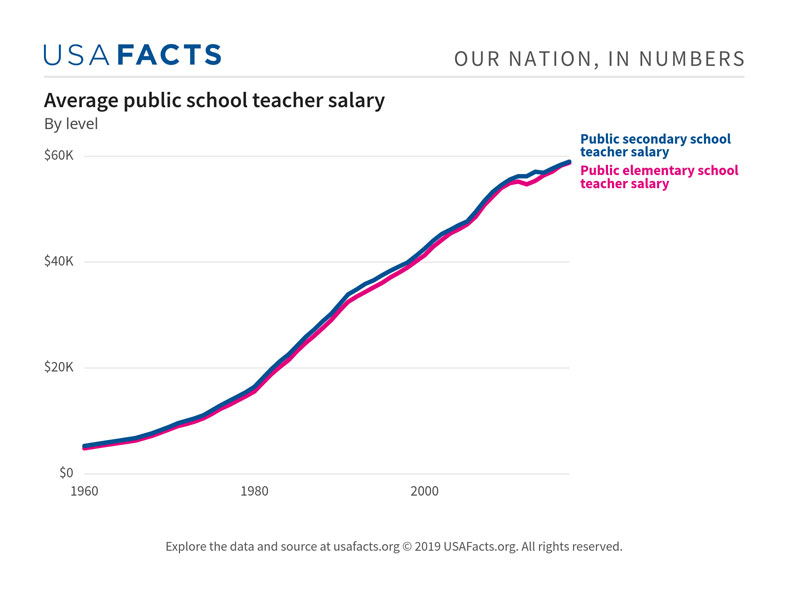
Salary structures in education are rarely monolithic; they are determined by a complex matrix of educational attainment, years of experience, and geographic location.
How Teacher Salaries Are Determined
Compensation packages generally scale according to two primary axes:
- Education Level: Teachers who attain master’s degrees, doctorates, or specialized certifications regularly command higher placement on district salary schedules.
- Experience (Steps): Incremental pay raises are typically awarded annually based on years of service within a district.
However, geographic disparities remain pronounced. Cost-of-living adjustments and local tax bases create vast differences between well-funded suburban districts and under-resourced rural or urban systems.
Bureau of Labor Statistics (BLS) Data
According to current data from the U.S. Bureau of Labor Statistics (BLS):
- Elementary School Teachers: Mean annual wages range between $67,790 and $69,480.
- Middle School Teachers: Comparable averages apply, fluctuating tightly around the upper-$60k threshold.
- High School Teachers: High school educators show similar median earnings, though experienced professionals in the 90th percentile can command average earnings upwards of $101,710 per year.
Crucially, these higher figures represent career peaks rather than starting salaries, leaving early-career teachers searching for immediate financial stopgaps. Beyond base pay, educators often receive crucial non-monetary compensation, including pension plans, healthcare coverage, and professional development stipends, which add intrinsic value to long-term employment in the field.

10 Sustainable Side Jobs for Teachers
For educators seeking to supplement their incomes without abandoning their primary vocation, numerous viable, flexible opportunities exist that leverage professional skill sets.
1. Tutoring and Academic Coaching
Private tutoring remains the quintessential academic side hustle. With the integration of remote video conferencing platforms, tutors are no longer bound by geographic constraints or travel times. Specialized areas, such as English as a Second Language (ESL) instruction, standardized test preparation (SAT/ACT), and subject-specific academic coaching, allow teachers to book high-paying clients globally on flexible schedules.
2. Curriculum Development and Lesson Planning
Every educator understands the immense labor required to build effective lesson plans, assessments, and worksheets. Teachers who excel at curriculum design can monetize these materials via digital marketplaces like TeachersPayTeachers, Etsy, or personal websites. This generates passive income while helping overworked peers streamline their preparation.
3. Online Teaching and Course Creation
Platforms like Udemy and Skillshare allow educators to package their expertise into structured, asynchronous online courses. The growing demand for continuous adult learning and supplemental student education provides a lucrative marketplace for teachers to build scalable digital assets.

4. Freelance Writing and Content Creation
Writing job boards and educational blogs actively seek subject-matter experts to draft articles, textbook summaries, and instructional guides. Teachers with intermediate tech skills can also diversify into stock photography, blogging, or contributing design templates to platforms like Canva.
5. Educational Consulting and Professional Development
As homeschooling and alternative schooling models expand, the demand for expert guidance has surged. Educators can work part-time as homeschool consultants, evaluating student progress, aligning curricula with state standards, and advising parents on educational strategies.
6. Arts, Crafts, and Handmade Goods
Teachers gifted in manual arts can leverage platforms like Etsy to sell custom crafts, classroom decor, and personalized gifts. With minimal startup listing fees, this creative outlet provides both personal fulfillment and supplemental revenue, particularly during summer recesses.
7. Sports Coaching and Extracurricular Leadership
Maintaining an active lifestyle through athletics can translate into paid coaching positions within school districts, local recreation leagues, or private clubs. Alternatively, certified educators can work seasonally as swim instructors, lifeguards, or private athletic trainers.

8. Summer Camps and District Summer School Programs
Summer break serves as a primary window for concentrated earning. Teachers can staff district-led credit recovery programs or serve as camp counselors for private and municipal organizations, maintaining positive engagement with students while generating extra income.
9. Real Estate and Property Management
Real estate platforms like Airbnb have transformed housing assets into reliable income streams. According to historical data from Airbnb, approximately 10% of their hosts identify as educators, generating significant supplemental revenue through spare room or property rentals, supported by industry partnerships tailored to teachers.
10. Delivery and Rideshare Services
For ultimate schedule flexibility, driving for rideshare networks or food and grocery delivery apps (such as DoorDash and Instacart) allows teachers to earn supplementary income during evenings, weekends, or lunch breaks with minimal barrier to entry.
Official Statements and Industry Insights
Educational economists and labor advocates emphasize that while side hustles offer immediate relief, they must be approached with strategic intent.

Labor researchers note that the normalization of remote learning has permanently revolutionized supplemental work for educators. By eliminating daily commutes for tutoring and consulting, teachers can maximize hourly efficiency without sacrificing recovery time. However, institutional stakeholders caution that reliance on side hustles should not mask systemic compensation issues within public education.
As noted in recent analyses from education advocacy groups, side hustles function best when they contribute to professional growth rather than exacerbating occupational fatigue:
"Embracing side hustles for teachers during the break allows them to continue their professional growth while exploring different avenues, provided that clear boundaries are maintained to protect personal well-being."
Future Outlook: Balancing Careers, Ethics, and Sustainability
As the educational ecosystem continues to evolve, the intersection of full-time teaching and supplemental entrepreneurship will require careful navigation.

The Pros and Cons of Teacher Side Hustles
- Advantages: Financial stability, freedom to pursue personal passions, accelerated professional skill development, and expanded professional networks.
- Challenges: Potential conflicts of interest (particularly when side businesses overlap with a teacher’s primary district), rigorous time management demands, and the constant risk of occupational burnout.
Strategic Roadmap for Educators
To successfully sustain both a primary teaching career and a side hustle, educators are advised to implement five core strategies:
- Prioritization and Time Management: Establish rigid schedules to ring-fence grading and lesson planning away from side business hours.
- Skill Alignment: Choose side hustles that directly utilize pedagogical expertise (e.g., tutoring, curriculum design) to compound professional value.
- Boundary Setting: Recognize early signs of burnout and enforce strict offline hours.
- Professional Networking: Engage with broader digital and local communities to source sustainable, high-yield opportunities.
- Financial Planning: Track supplemental earnings diligently and consult financial professionals to manage tax obligations associated with independent contractor work.
Conclusion
Teaching remains an indispensable pillar of society, yet economic realities make supplemental income a vital tool for many educators. By thoughtfully selecting scalable side hustles—ranging from digital course creation to remote academic coaching—teachers can fortify their financial health while continuing to inspire the next generation of learners.

