
Executive Overview
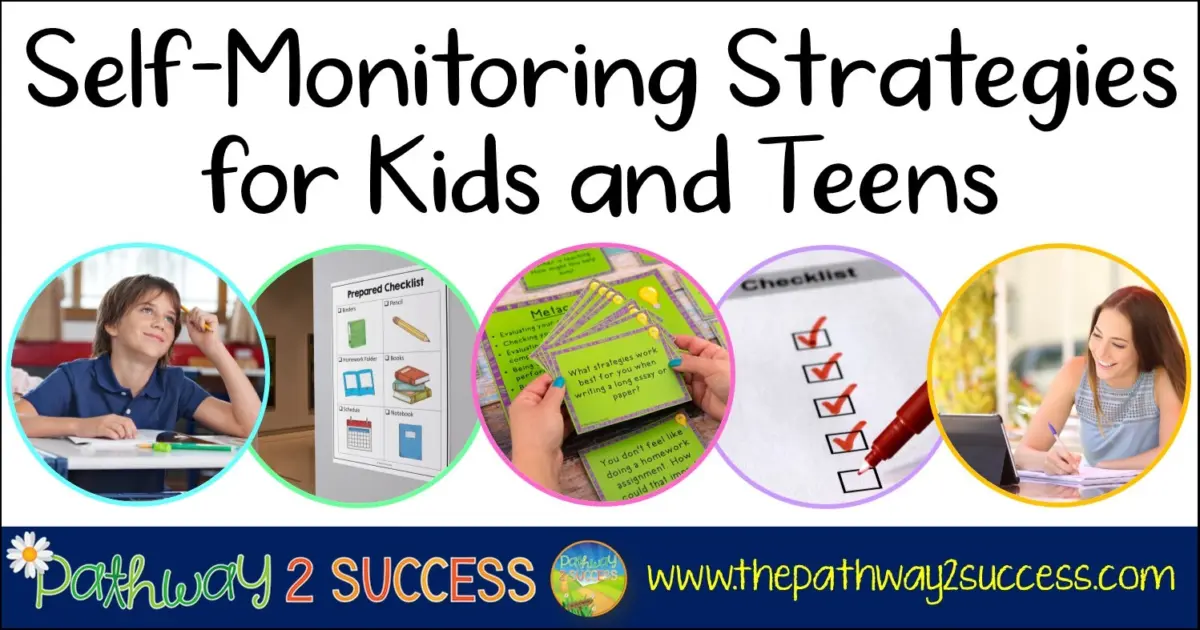
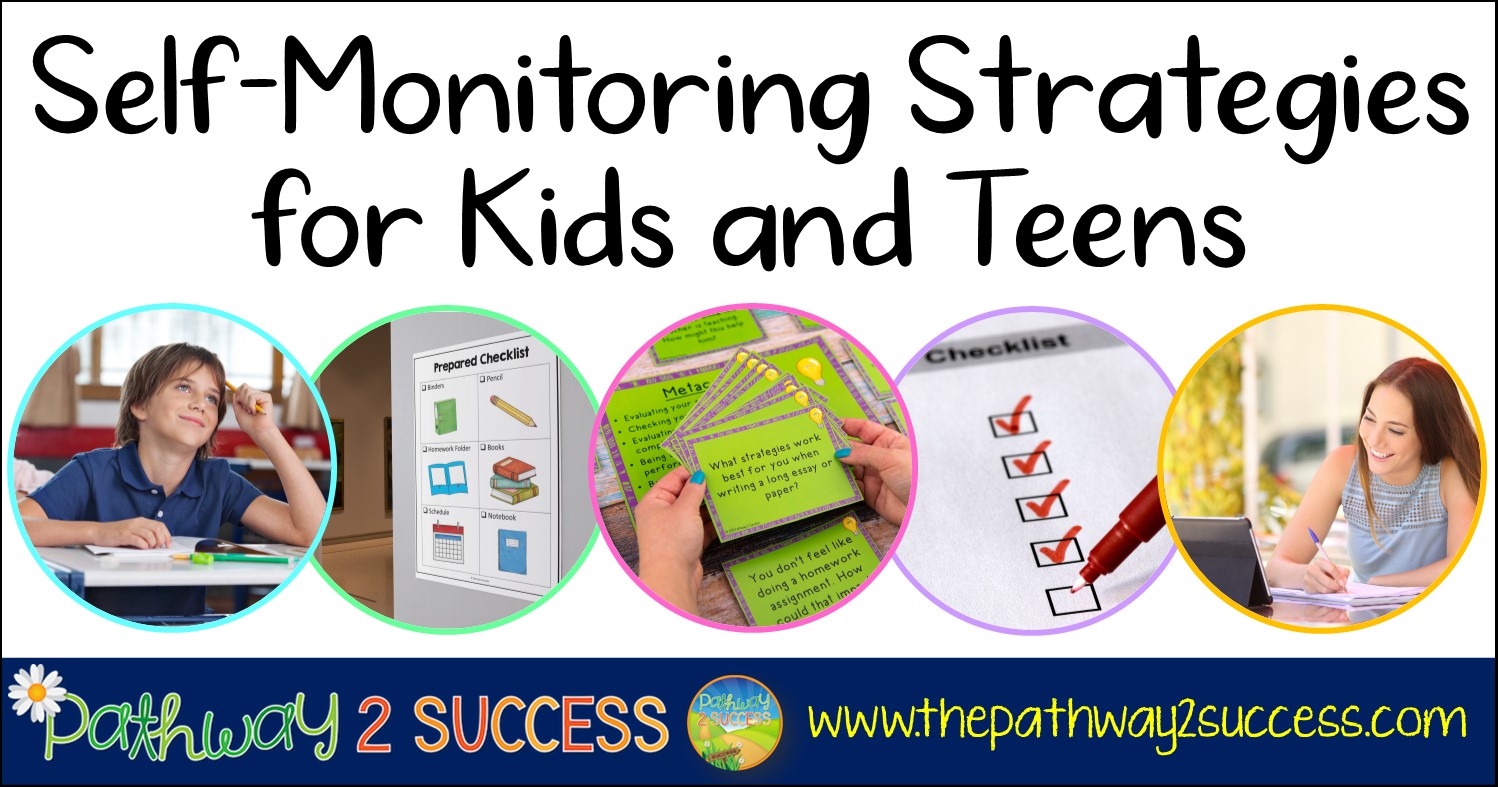
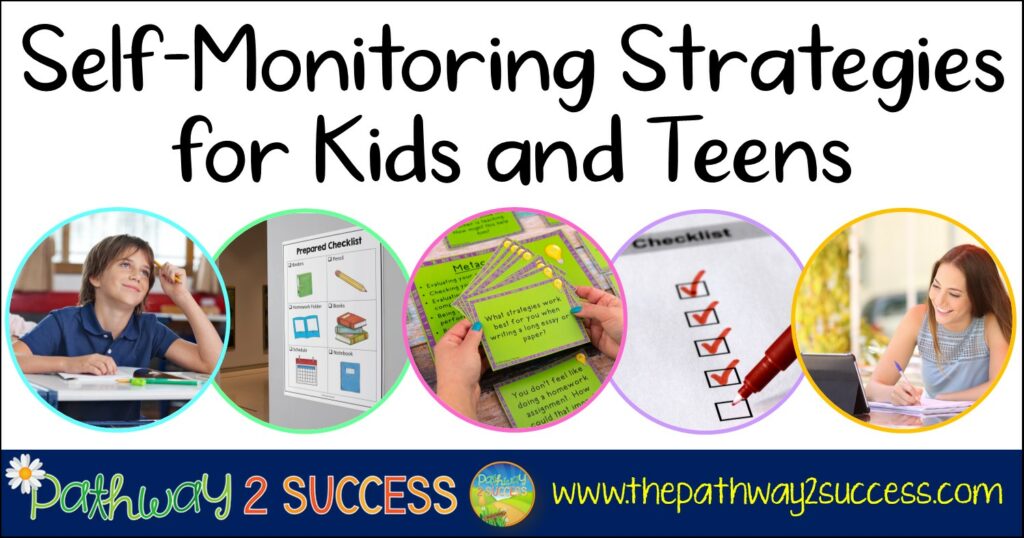
In modern classrooms and households alike, educators and parents face a persistent challenge: helping children and adolescents sustain attention, manage complex behaviors, and independently achieve their long-term goals. While traditional discipline models often rely on external rewards and punishments, a paradigm shift is occurring across educational psychology. The new focal point is self-monitoring—an evidence-based executive functioning strategy that empowers students to track their own behaviors, evaluate their progress, and realign their actions in real-time.
Far from being an innate trait, self-monitoring is a foundational life skill that can be systematically taught, practiced, and strengthened. Grounded in the principles of metacognition (thinking about thinking) and self-regulation, self-monitoring bridges the gap between intention and action. Recent educational frameworks emphasize that when children learn to pause, breathe, and objectively evaluate their focus, they unlock greater academic independence, emotional resilience, and personal accountability. This report explores the core concepts of self-monitoring, the cognitive mechanisms behind it, and a comprehensive suite of actionable strategies that parents and educators can implement to foster these vital skills in kids and teens.
Detailed Chronology: The Evolution of Self-Monitoring in Educational Psychology
The integration of self-monitoring into mainstream pedagogical practices did not happen overnight. Its development represents a steady evolution within cognitive-behavioral science and special education over the past several decades.
- Late 20th Century (The Behavioral Roots): Initially, behavioral management in schools relied heavily on teacher-managed reinforcement systems (such as token economies or point sheets where adults tracked student compliance). Researchers soon realized that while these methods changed short-term behavior, they failed to foster long-term independence.
- The Rise of Cognitive-Behavioral Interventions (1980s–1990s): Psychologists began shifting focus toward self-management techniques. Studies demonstrated that when students were taught to observe and record their own behaviors (Self-Monitoring of Attention or Self-Monitoring of Performance), academic engagement and task completion improved significantly compared to adult-led oversight.
- The Executive Functioning Boom (2000s–Present): Modern neuroscience cemented self-monitoring as a cornerstone executive function housed within the prefrontal cortex. As researchers mapped out how the developing adolescent brain handles impulse control, working memory, and cognitive flexibility, schools began adopting school-wide social-emotional learning (SEL) frameworks. Self-monitoring transitioned from a specialized intervention for students with ADHD to a universal design for learning (UDL) strategy benefiting all students.
- Contemporary Implementation (Present Day): Today, educators utilize a blend of metacognitive discussions, digital timers, visual checklists, and reflective journaling. Self-monitoring is now recognized not merely as a tool for classroom management, but as an essential modern life skill required to navigate high-distraction digital environments.
Supporting Context & Metrics: The Science of Metacognition
To understand why self-monitoring is so effective, one must examine the cognitive architecture that supports it. Metacognition—the ability to analyze one’s own thought processes—serves as the engine for self-monitoring.
The Cost of Unmonitored Attention
Without internal feedback loops, children and teens easily lose sight of ongoing tasks. Contemporary educational studies highlight several critical insights regarding student focus and self-regulation:
- Distraction Vulnerability: The average attention span in modern learning environments faces unprecedented disruption from digital saturation, making intentional "pauses" more vital than ever.
- The Independence Gap: Students who rely entirely on external cues from teachers struggle with transitions, unstructured study halls, and higher-education environments where adult scaffolding is significantly reduced.
- Emotional Resilience: Research published in developmental psychology journals indicates that mindful breathing and self-check-ins lower cortisol levels, reducing test anxiety and improving working memory capacity.
By teaching students to intercept autopilot behaviors, educators cultivate a proactive mindset. Instead of reacting to frustration or boredom with disengagement, students equipped with self-monitoring strategies can diagnose their emotional and cognitive states and apply corrective measures independently.
Official Perspectives and Expert Frameworks
Educational leaders, psychologists, and school counselors increasingly advocate for embedding executive functioning instruction directly into core curricula.
Dr. Sarah Lin, a leading educational psychologist specializing in adolescent cognitive development, notes: "When we ask students to simply ‘pay attention,’ we are often using shorthand for a complex neurocognitive process that they may not know how to execute. Self-monitoring provides the scaffolding. It teaches children how to look inward, recognize when they have veered off course, and gently guide themselves back to their objectives without shame or panic."
Furthermore, school counselors emphasize that self-monitoring acts as a protective factor for mental health. When children and teenagers learn to validate their challenges using positive self-talk and objective checklists, they develop a growth mindset. They begin to view mistakes or wandering attention not as personal failures, but as temporary data points indicating that a strategy adjustment is needed.
Comprehensive Strategies for Building Self-Monitoring Skills
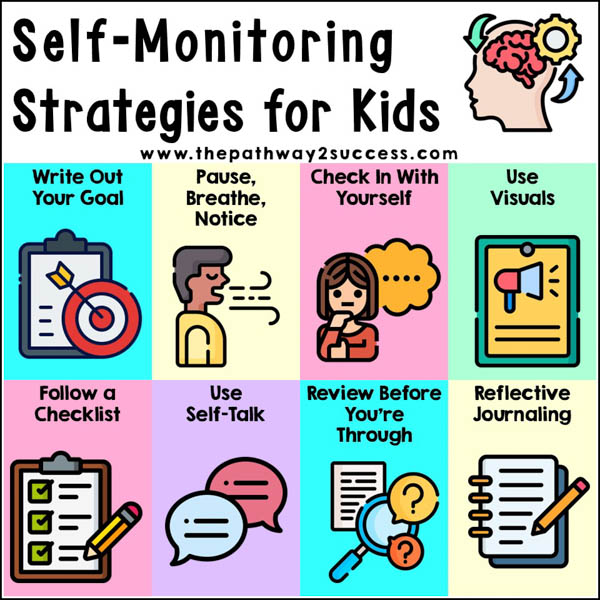
Developing robust self-monitoring habits requires a multi-layered approach that combines cognitive awareness with tactile, easy-to-use classroom tools. Below are the primary strategies recommended by educational specialists.
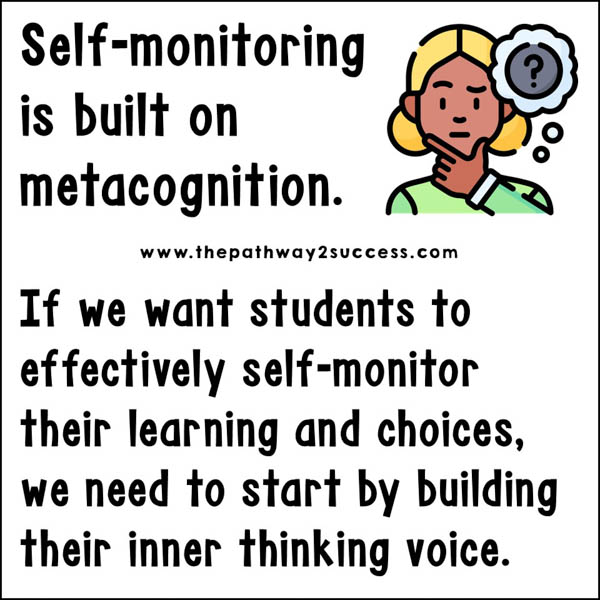
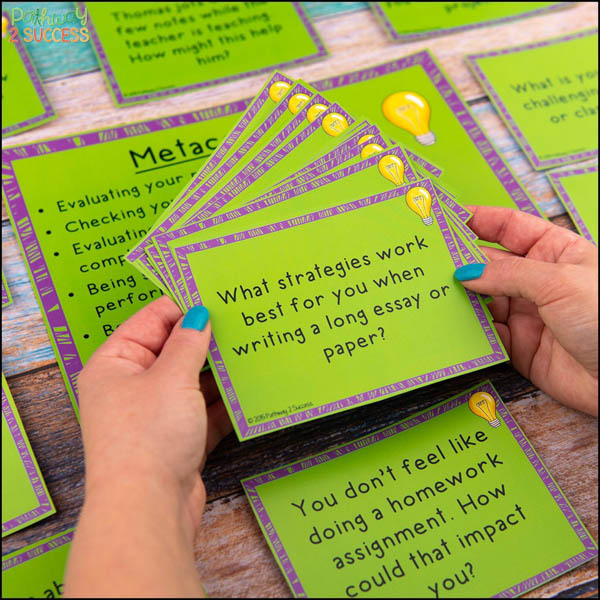
1. Build an Inner Thinking Voice Through Metacognition
Self-monitoring begins long before a task is finished; it starts with active mental preparation. Educators and parents can foster an internal dialogue by holding strategy discussions before, during, and after activities.
- Post-Activity Debriefs: After completing an assignment, host a classroom or household conversation. Ask questions like: Where did you feel your focus start to slip? What specific trigger caused you to lose momentum?
- Normalizing Distraction: By discussing how even adults get bored or overwhelmed by challenging tasks, children learn that losing focus is a universal human hurdle, not a character flaw.
2. Write Out Specific Goals
Clarity is the enemy of procrastination. Before a working session begins, students should write down their immediate objective on a sticky note or index card (e.g., "I am reading Chapter 4 and writing down two key takeaways"). Having a physical, visible reminder builds immediate ownership and sets a clear baseline against which students can measure their progress.
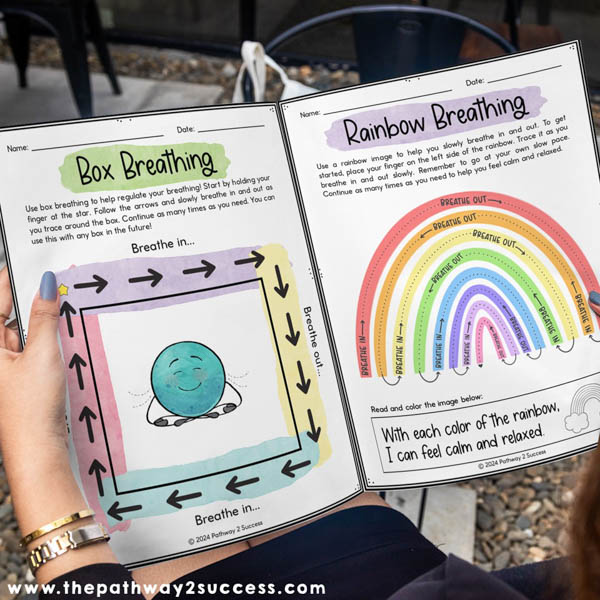
3. Pause, Breathe, and Notice
Living in a fast-paced world trains the nervous system to rush. Introducing mindful breathing routines helps children master the art of the pause.
- The Breathwork Framework: Guide students through slow, deliberate inhales and exhales while counting breaths mentally.
- Mindful Check-Ins: Use breathwork as a transitional anchor. Once calm, students can evaluate their current physical and emotional state, creating the mental space necessary for effective self-monitoring.
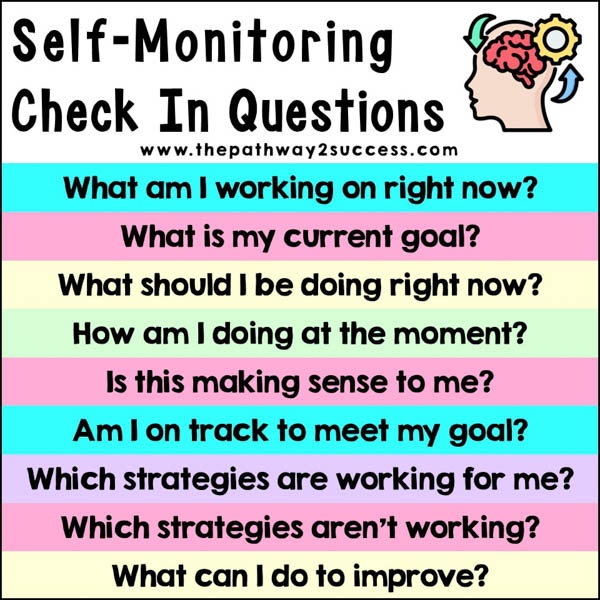
4. Implement Structured Check-Ins
Do not leave self-monitoring to chance; build structured check-in windows into daily routines.

- Mid-Task Interventions: Set a gentle chime or timer halfway through an exam or independent work block.
- Guiding Questions: Prompt students to ask themselves: Am I still working toward my goal? Do I need to change my approach? Am I rushing, or do I need to take a quick mental break?
5. Harness Positive Self-Talk
The internal narrative a child maintains heavily influences their persistence. Negative self-talk ("I am bad at math; I can’t do this") triggers avoidance behavior. Conversely, positive affirmations build resilience. Teaching students phrases like: "I can break this down into smaller steps," or "Mistakes help my brain grow," provides the emotional fuel needed to sustain effort through difficult tasks.
6. Utilize Visuals, Checklists, and Tally Charts
External supports can serve as cognitive training wheels.
- Visual Reminders: Display cues in classrooms or study spaces that prompt attention and organization.
- Customizable Checklists: Break multi-step projects into granular tasks. Checking off completed items provides immediate dopamine reinforcement and keeps complex projects manageable.
- Tally Charts: For target behaviors (such as staying seated or completing math problems), tracking tallies allows students to gamify their focus and see quantitative proof of their productivity.
7. Strategic Timing and Brain-Boosting Breaks
Working continuously without rest diminishes cognitive returns. Using timers for structured work periods (e.g., 10 to 15-minute focus sprints) teaches time management. Pair these sprints with brain-boosting breaks—such as quick stretches, water breaks, or coloring pages—that serve as natural checkpoints for self-evaluation.
8. Reflective Journaling
After major projects or eventful school days, reflective writing allows students to synthesize their experiences. Prompts such as "What went well today?" and "What would I do differently next time?" strengthen the metacognitive muscles required for lifelong self-regulation.
Future Outlook
As educational landscapes continue to evolve, the integration of executive functioning skills like self-monitoring will remain paramount. Future classrooms are projected to blend traditional pedagogical strategies with adaptive, metacognitive training that equips students for increasingly complex environments.
By systematically teaching children and teens how to write out goals, practice mindfulness, utilize self-talk, and objectively review their progress, we do more than improve academic performance. We cultivate self-reliant, resilient individuals equipped to navigate the challenges of tomorrow with confidence, clarity, and enduring personal agency.

