
Executive Overview
As the autumn leaves fall and the nights grow longer, educators, parents, and students face a perennial challenge: maintaining academic momentum amid the mounting distractions of the holiday season. October brings a distinct atmosphere of mystery, costume planning, and cultural festivity that can easily pull student focus away from core curricula. However, rather than fighting this seasonal shift in psychology, modern educational technology is increasingly leaning into it.
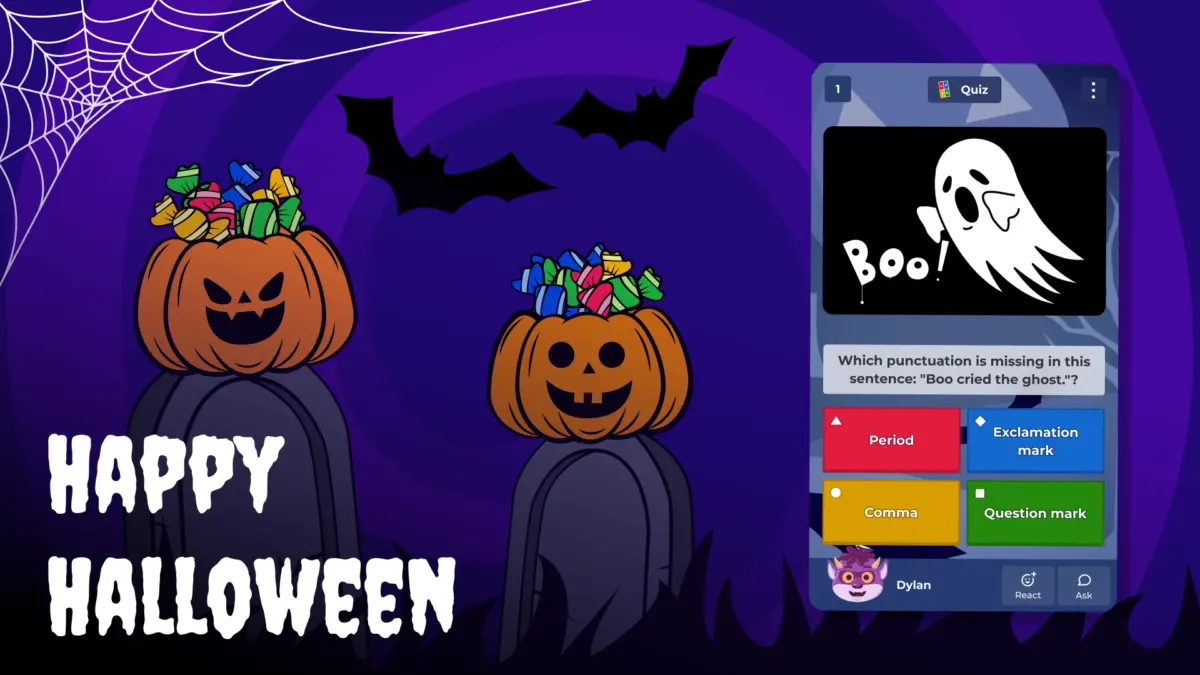
Enter Kahoot!, the global game-based learning platform, which has rolled out an expansive, curated library of Halloween-themed educational content designed to turn the spooky season into a powerhouse for academic engagement. By weaving together iconic pop-culture characters, rigorous scientific inquiry, and historical deep dives, Kahoot! aims to prove that learning can be both delightfully eerie and deeply rigorous.
This initiative is far more than a marketing gimmick; it represents a calculated pedagogical strategy. By tapping into the intrinsic motivation of gamification and marrying it with familiar intellectual properties—ranging from Star Wars and Marvel to Nickelodeon and Disney—the platform offers educators a turnkey solution to address learning fatigue. This comprehensive report explores the architecture of Kahoot!’s seasonal campaign, breaking down how targeted modules for teachers, parents, students, and lifelong learners are reshaping traditional instructional paradigms just as exam season looms on the horizon.
Detailed Chronology: The Evolution of Seasonal EdTech
To understand the weight of Kahoot!’s current Halloween lineup, one must examine the broader evolution of digital learning tools over the past decade. The integration of holiday-themed curricula into interactive platforms has undergone a dramatic transformation, moving from static printable worksheets to dynamic, cloud-based, multi-player experiences.
Phase One: The Print-and-Pass Era (Early 2010s)
Before interactive game-based platforms dominated classrooms, teachers relied on static, physical materials to celebrate holidays. Crossword puzzles involving vocabulary words, coloring sheets of jack-o’-lanterns, and printed math word problems themed around ghosts and goblins were the standard. While these activities fostered a festive mood, they offered zero real-time data analytics for educators, lacked adaptive difficulty, and frequently resulted in passive or disengaged student behavior.
Phase Two: The Rise of Digital Quizzing (Mid-to-Late 2010s)
As schools adopted smartboards, tablets, and bring-your-own-device (BYOD) policies, platforms like Kahoot! emerged to revolutionize formative assessment. Early digital seasonal content primarily consisted of user-generated quizzes. While innovative for their time, these quizzes varied wildly in quality, often suffering from factual inaccuracies or poor alignment with established educational standards like the Common Core or Next Generation Science Standards (NGSS).
Phase Three: Strategic Brand Partnerships and Curated Collections (2020–Present)
The modern era of EdTech is defined by high-value institutional and corporate partnerships. Recognizing that students respond intensely to culturally relevant media, platforms like Kahoot! began collaborating directly with major content creators, scientific institutions, and media conglomerates—including Disney, Marvel, Nickelodeon, NASA, the Museum of Science, and WWF.
The current 2026 autumn initiative represents the pinnacle of this evolutionary arc. By deploying expertly curated, standards-aligned modules that merge pop-culture franchises with core academic subjects—such as Marvel’s Midnight Monster Math or the Museum of Science’s lunar phases modules—Kahoot! has transitioned from a simple quizzing tool into a comprehensive, multi-disciplinary digital ecosystem.
Supporting Context & Metrics: Why Gamification Works in October
The transition into the final quarter of the calendar year is historically fraught with behavioral and academic hurdles in educational settings. Known colloquially among educators as the "pre-holiday slump," the weeks leading up to late autumn coincide with shorter daylight hours, fluctuating weather, and the anticipation of festivities.
The Psychology of Play and Motivation
According to educational psychologists, gamification activates the brain’s reward pathways by releasing dopamine in response to achievement, friendly competition, and immediate feedback. When applied to academic subjects during high-distraction periods, games bridge the gap between recreational downtime and cognitive effort.

Data compiled across various EdTech implementations indicates that gamified assessments yield striking benefits:
- Enhanced Knowledge Retention: Interactive quizzing structures improve long-term memory recall by up to 40% compared to traditional lecture-and-test formats.
- Reduction in Test Anxiety: The low-stakes, high-energy environment of a multi-player digital game strips away the clinical dread often associated with autumn midterms and quiz preparation.
- Heightened Participation Rates: Introverted or reluctant learners who rarely raise their hands in class frequently emerge as top competitors in digital game spaces, leveling the social playing field.
Curated Content Pillars for Diverse Audiences
Kahoot!’s latest seasonal rollout is meticulously segmented to address the unique pain points of four distinct demographics within the learning community:
- For Teachers: The platform bridges the gap between entertainment and rigorous curriculum standards. Through partnerships with TED-Ed, educators can lead classes through the dark historical waters of the Salem Witch Trials or the literary roots of Dracula. Meanwhile, channels featuring Nickelodeon (SpongeBob SquarePants, Teenage Mutant Ninja Turtles) and Disney infuse mathematics, language arts, and general science with familiar faces, ensuring students remain anchored to core competencies.
- For Parents: Recognizing that learning shouldn’t stop at the school bell, home-use collections strip the intimidation factor from foundational skills. The Hello Kitty And Friends modules introduce cognitive exercises and basic arithmetic through festive house-decorating puzzles. Similarly, Marvel integration via Groot and friends targets counting, addition, and subtraction, while the Peanuts gang (It’s the Great Pumpkin, Charlie Brown) promotes emotional literacy and emotional resilience regarding disappointment and hope.
- For Students (Exam Prep): As autumn marks the descent into midterm exam season, study fatigue is a major hazard. The Museum of Science provides bite-sized STEM modules exploring insect behaviors and lunar cycles (aligned with NGSS standards like 1-ESS1-1). The WWF Wild Classroom debunks myths about creepy-crawly or misunderstood animals, teaching ecology through a seasonal lens. Furthermore, Wiktionary provides advanced vocabulary modules designed to stretch high-school-level lexicon retention through challenging "wicked words" games.
- For Lifelong Learners and Professionals: Adults are not left out of the autumnal fun. Wikipedia-curated collections challenge participants on the genuine historical origins of Halloween traditions, folklore, and global cultural touchstones. For pop-culture aficionados, the Star Wars "Happy Ghoul-actic Halloween" module tests deep-cut trivia involving Padawans, Jedi Masters, and tongue-in-cheek cosmic humor suitable for office parties, family get-togethers, and social gatherings.
Official Statements and Industry Perspective
Educational technology experts and institutional partners have praised the strategic rollout of these immersive learning tools. As digital equity and student engagement remain at the forefront of educational policy discussions, industry leaders emphasize the necessity of meeting students where they are—both cognitively and culturally.
"When children and students see characters they love tackling math puzzles, historical inquiries, or ecological facts alongside them, the psychological barrier of ‘difficult schoolwork’ dissolves," noted a leading digital curriculum developer during a recent EdTech symposium. "Halloween is naturally an imaginative holiday. By channeling that imagination into structured inquiry—whether it’s tracking the phases of the moon with the Museum of Science or unpacking vocabulary with Wiktionary—we transform a seasonal distraction into a masterclass in active learning."
Platform executives have continually emphasized that premium tiers—such as the Kahoot!+ Gold plans tailored for K-12 schools, individual students, and personal family users—unlock unlimited access to verified creators and institutional safety standards. This ensures that educators do not have to spend precious weekend hours vetting user-generated content for safety, factual accuracy, or pedagogical soundness.
Future Outlook: The Next Frontier of Immersive EdTech
As we look beyond the current academic term toward the future of digital education, several critical trends are poised to shape how seasonal learning and gamification evolve:
1. Hyper-Personalization and Adaptive AI
The next iteration of seasonal learning modules will likely leverage generative artificial intelligence to dynamically adjust difficulty levels in real time. If a student struggles with subtraction problems framed around a Marvel-themed Halloween module, the system will adjust the complexity on the fly, offering targeted micro-lessons without breaking the narrative immersion of the game.
2. Deepening Cross-Industry Intellectual Property Integrations
The success of partnerships between EdTech platforms and major media giants (Disney, Sanrio, Lucasfilm) signals a permanent shift in how educational content is packaged. Future quarters will likely see expanded cinematic and literary tie-ins, turning major global entertainment releases into year-round educational pipelines.
3. Bridging Formal and Informal Learning Environments
The blurring lines between classroom instruction and home-based parental engagement will continue to tighten. Tools that function seamlessly across HTML5 web browsers, iOS, and Android applications—allowing parents to monitor progress while kids play on the go—will become the baseline expectation for consumer and enterprise software alike.
Conclusion
Kahoot!’s seasonal campaign demonstrates that education and entertainment do not need to exist in silos. By wrapping essential math, science, history, and literacy curricula in the playful, mysterious aesthetics of autumn, the platform provides a vital service to educators and parents alike. Whether preparing for rigorous midterms, building emotional intelligence with Charlie Brown, or debating Star Wars trivia at a family gathering, learners of all ages are finding that mastering new skills can be the most "eerie-sistible" part of the year.

