

Executive Overview
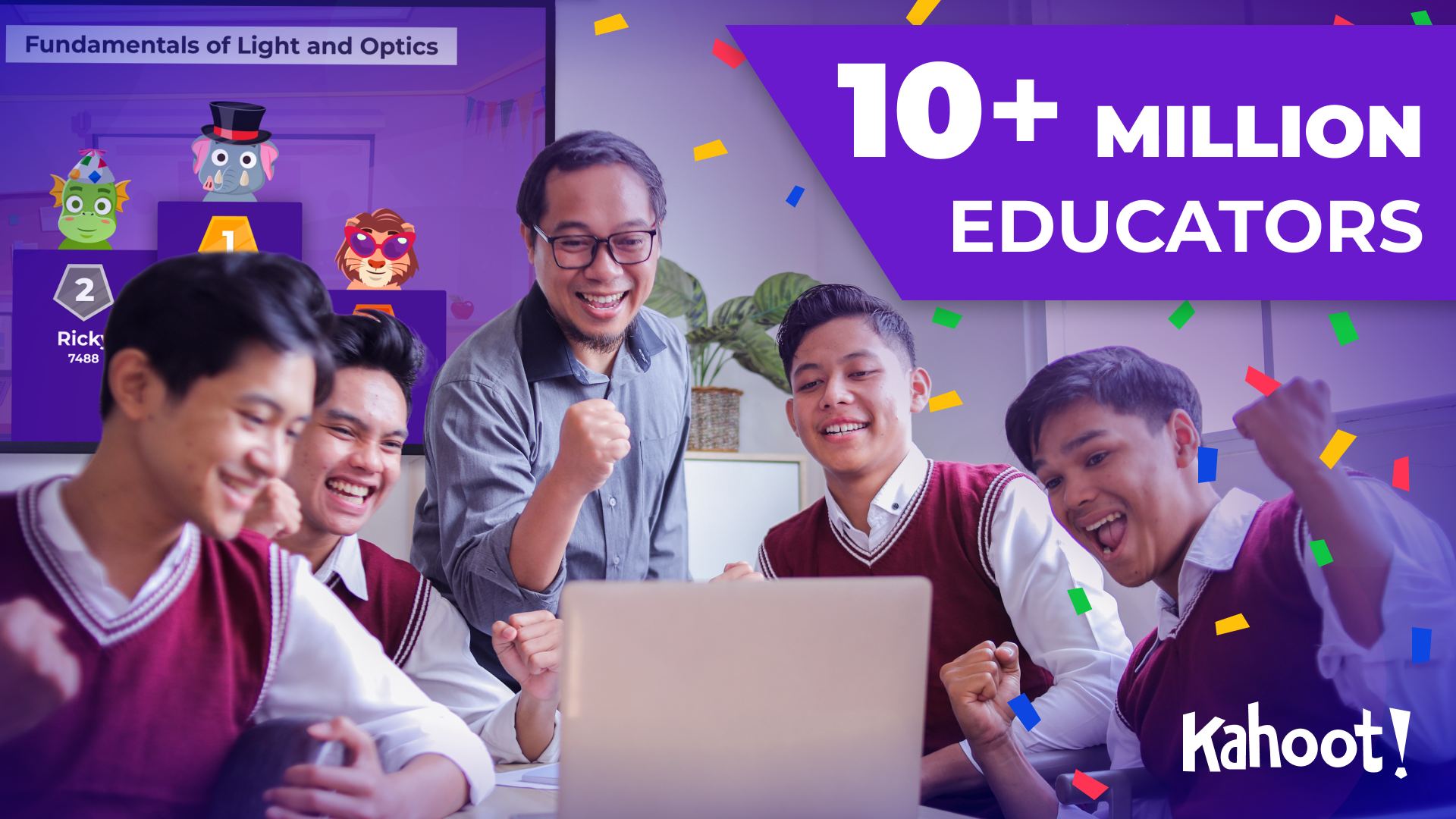
In an era defined by rapid technological integration and the relentless pursuit of student engagement, digital learning platforms have fundamentally reshaped the architecture of the modern classroom. Recently, global learning platform Kahoot! reached a monumental milestone, welcoming its 10-millionth educator to its vibrant worldwide community. This historic achievement represents far more than a simple corporate metric; it underscores a profound paradigm shift in how foundational and higher-education institutions approach pedagogy, student participation, and knowledge retention.
From kindergarten classrooms where children first encounter digital gamification to sprawling university lecture halls exploring advanced theoretical concepts, Kahoot! has established itself as an indispensable tool for modern instructors. This comprehensive report examines the trajectory of the platform, the pedagogical implications of gamified learning, firsthand perspectives from educators across the globe, and the strategic vision driving the next generation of educational technology.
Detailed Chronology: The Evolution of Digital Engagement in Education
To understand the magnitude of reaching 10 million educators, one must trace the evolution of interactive learning over the past decade. Traditional educational models have historically relied on unilateral information transfer—the classic "lecture and listen" dynamic. While foundational, this approach frequently struggles to maintain sustained attention, cognitive engagement, and measurable feedback loops in real-time.
The Genesis of Game-Based Learning
When interactive quiz platforms first emerged, they were largely viewed as supplementary novelties—fun interludes designed to break up the monotony of standard instruction. However, early adopters quickly realized that game mechanics—such as time-pressured challenges, competitive leaderboards, and instant visual feedback—tapped directly into intrinsic human motivation.
As mobile device penetration increased and schools embraced Bring Your Own Device (BYOD) policies alongside institutional hardware rollouts, platforms like Kahoot! transitioned from peripheral novelties to core instructional infrastructure. Educators began utilizing these tools not just for end-of-unit trivia, but for formative assessments, conceptual scaffolding, and dynamic reviews.
Scaling Across Demographics and Disciplines
Over successive academic cycles, the platform transcended traditional subject boundaries. While initially popular in STEM fields and language acquisition due to the ease of multi-choice testing, humanities instructors, vocational trainers, and special education teachers adapted the interface to suit diverse cognitive needs.
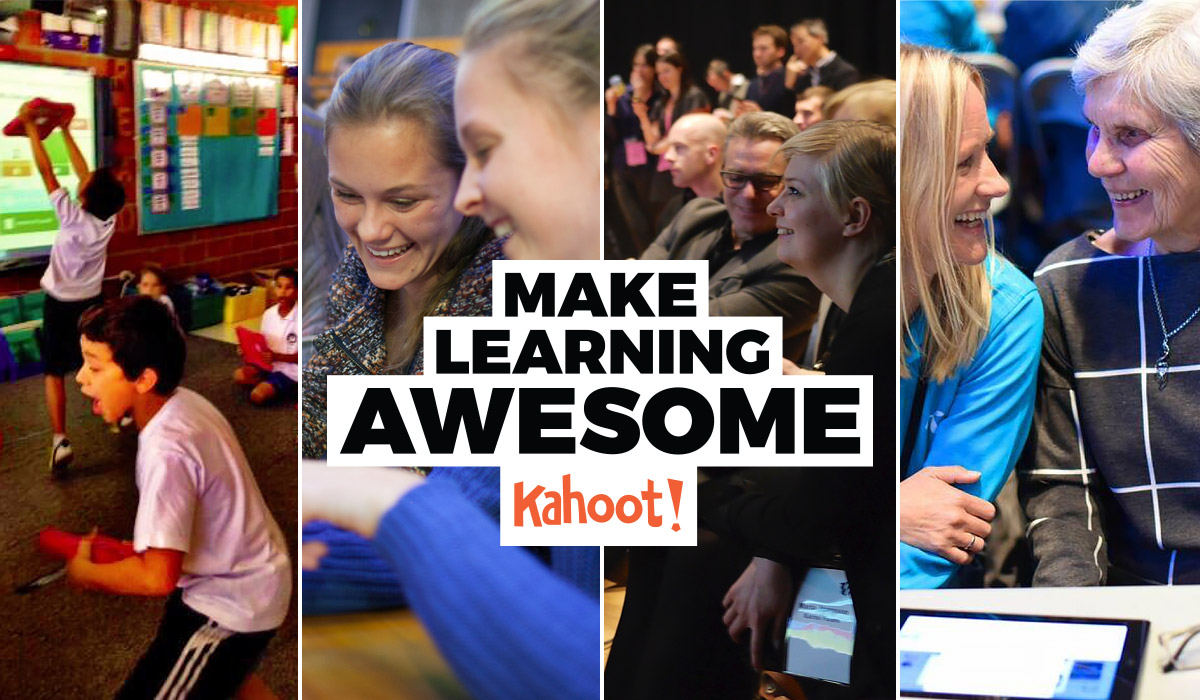
The expansion into higher education represented another critical turning point. University professors, accustomed to impersonal lecture halls housing hundreds of students, leveraged anonymous polling and real-time response metrics to bridge the pedagogical gap between faculty and undergraduates. This historical shift from passive observation to active participation laid the groundwork for the unprecedented community growth celebrated today.
Supporting Context & Metrics: The Anatomy of Modern Classroom Engagement
The milestone of 10 million educators offers a compelling lens through which to examine current trends in educational technology (EdTech). Behind this impressive statistic lies a complex web of global usage patterns, pedagogical strategies, and technological adaptations designed to keep learning tempos high throughout the academic year.
Overcoming the Mid-Year Slump
One of the most persistent challenges educators face is maintaining student momentum across changing seasons. Whether combating the sluggishness of late winter, preparing students for high-stakes standardized testing, or maintaining focus in the weeks leading up to long summer breaks, maintaining consistent engagement requires deliberate intervention.
Data from educational researchers indicates that interactive platforms serve as vital psychological reset buttons within the classroom. By transforming high-stress environments—such as exam reviews—into collaborative, low-stakes competitive games, instructors can significantly lower anxiety while simultaneously reinforcing academic mastery.
Beyond the Quiz: Expanding the Pedagogical Toolkit
While multiple-choice quizzes remain a cornerstone feature, modern educators increasingly rely on a diverse suite of digital tools to capture student interest from the first day of school to the last. Key features driving contemporary instructional strategies include:
- Formative Assessment Templates: Allowing teachers to gauge comprehension levels instantly without the lag time associated with traditional grading.
- Real-Time Polling and Surveys: Providing safe, anonymous spaces for students to voice opinions, express confusion, or guide the pacing of complex topics.
- Student-Led Content Creation: Empowering learners to design their own educational games, thereby shifting them from passive consumers of information to active co-creators of knowledge.
- Comprehensive Analytics Dashboards: Equipping instructors with granular insights into class-wide misconceptions and individual learning trajectories.
Official Statements and Global Perspectives
The human element remains the true engine of this global educational movement. Educators from diverse geographic and institutional backgrounds have shared profound insights regarding the impact of interactive tools on their daily instructional practice.
Primary and Secondary Perspectives
Pam Ganley, an elementary and middle school educator based in Arizona, United States, highlights the versatility of digital integration in foundational learning environments:
"I love using the Kahoot! platform because it allows me to create engaging and interactive content that enriches both my lessons and my students’ learning experiences. I use Kahoot! to teach new concepts, review topics, reinforce learning, and check whether students are grasping the material."
Ganley’s testimony echoes a sentiment shared by millions of primary educators: the necessity of blending academic rigor with accessibility and enjoyment. By lowering the barrier to entry for complex topics, teachers can foster a lifelong love of learning during critical developmental years.
Higher Education Insights
The transformation is equally pronounced in tertiary education. Professor Kurt Naicker, a Senior Lecturer at the University of Johannesburg in South Africa, emphasizes how real-time feedback mechanisms revolutionize university teaching:
"Kahoot! has fundamentally transformed how learning materials are presented in higher education. The use of anonymous surveys and real-time feedback has greatly contributed to my ability, as a teaching faculty member, to continuously assess where my students are on their learning journey."
In large university settings where student alienation is a recognized risk, real-time interactive tools serve as an equalizer, ensuring that every voice—even those of reticent learners—is registered and accounted for.

Future Outlook: The Next Horizon for EdTech and Global Educators
As Kahoot! and its vast community look toward the future, the horizon of educational technology points toward deeper personalization, enhanced artificial intelligence integration, and an even greater emphasis on collaborative global learning.
The Rise of AI-Assisted Pedagogy
The next decade of educational technology will undoubtedly be shaped by ethical, intuitive artificial intelligence. Future iterations of interactive platforms are expected to feature automated quiz generation based on uploaded textbook chapters, real-time adaptation of difficulty levels tailored to individual student performance, and predictive analytics that alert educators to potential learning gaps before students fall behind.
Sustaining Global Community Initiatives
Reaching 10 million educators is not a finish line, but rather a launchpad for future innovation. The ongoing dialogue between software developers and classroom practitioners will remain essential. By listening closely to the evolving needs of teachers across kindergarten to higher education sectors, platforms can ensure that technology serves human pedagogy rather than overshadowing it.
Conclusion: A Call to Action for the Global Academic Community
The milestone of 10 million educators stands as a testament to the dedication, creativity, and resilience of teaching professionals worldwide. In an era marked by shifting educational landscapes, these educators have consistently proven that learning can be dynamic, inclusive, and profoundly engaging.
For educators who have yet to integrate interactive, game-based methodologies into their classrooms, the invitation remains open. By embracing modern digital tools, instructors can transform their teaching environments, inspire curiosity, and ensure that every student remains an active participant in their own academic journey from the first day of the school year to the last.

