In an era defined by relentless digital notifications, hyper-fast media consumption, and pervasive multitasking, maintaining sustained focus has become a monumental challenge for growing minds. For children and adolescents navigating critical developmental milestones, attention is not merely a preference; it is a foundational pillar of cognitive architecture. It serves as the gateway for processing new information, solving complex problems, and pursuing long-term academic and personal goals.
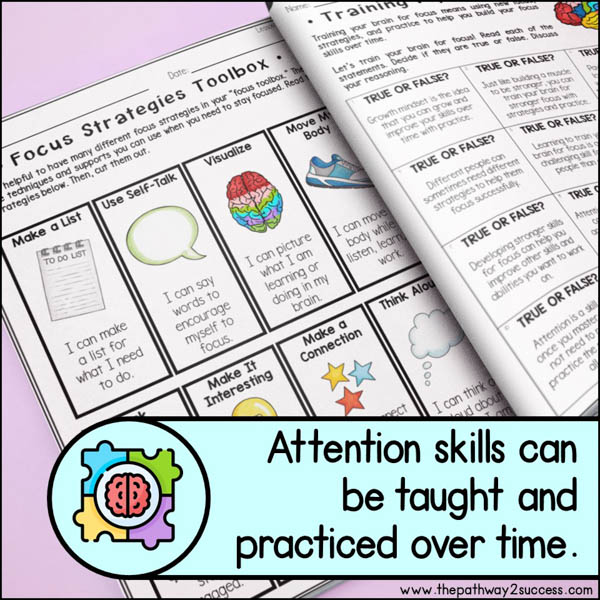
Fortunately, contemporary educational psychology and neuroscience confirm that attention is a malleable skill. Young people can actively build and strengthen their concentration through deliberate, research-backed interventions. Far from relying on superficial tips or anecdotal advice, educators, parents, and clinicians are increasingly turning to evidence-based strategies—interventions validated by rigorous scientific research, randomized controlled trials, and comprehensive meta-analyses.
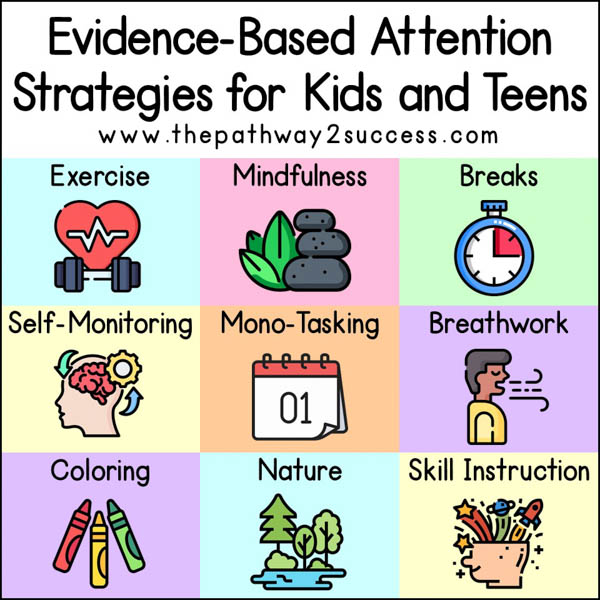
This comprehensive report examines the scientific underpinnings of twelve proven attention strategies for kids and teens. By exploring how physical movement, mindfulness, purposeful breaks, and proper sleep structurally alter brain function, this guide provides an authoritative blueprint for fostering focus in both the classroom and the home.
Detailed Chronology: The Evolution of Attention Research in Education
To understand how we evaluate attention today, it is helpful to trace the scientific progression of how educational research has evolved over the past several decades.
The Mid-to-Late 20th Century (The Rise of Behavioral Monitoring): Early investigations into student focus primarily centered on behavioral observation and time-on-task metrics. Researchers like Gopher et al. began dissecting the mechanics of task-switching, laying the groundwork for understanding why multitasking severely degrades cognitive performance.
The Turn of the Millennium (The Meta-Analytic Shift): As neuroscience tools became more sophisticated, researchers moved away from isolated classroom observations toward meta-analyses—comprehensive reports pooling dozens of independent studies. Seminal works, such as Reid et al.’s 2005 evaluation of self-monitoring, proved that students could actively regulate their own attention needs.
The 2010s (Neuroplasticity and Environmental Psychology): This decade marked a massive influx of research validating non-traditional learning enhancements. Landmark studies on Attention Restoration Theory (Berman et al., 2008; Stevenson et al., 2018) highlighted the cognitive benefits of nature exposure. Simultaneously, institutional bodies like the Institute of Medicine (2013) published definitive reports linking physical education directly to sustained classroom attention.
The 2020s and Beyond (Holistic and Integrative Interventions): Modern research emphasizes a holistic approach to executive functioning. Recent studies (such as Suryagayathri, 2024, on coloring; and Yadav et al., 2022, on yoga) validate somatic and creative practices as legitimate tools for down-regulating the nervous system and sharpening selective attention.
Supporting Context & Metrics: The Science of Focus
What precisely makes a strategy "evidence-based"? In scientific terms, an intervention earns this designation when multiple high-quality empirical studies—culminating in meta-analyses—demonstrate consistent, measurable positive outcomes.
The Core Pillars of Attention Enhancement
1. Exercise and Movement
A robust meta-analysis conducted by de Greeff et al. (2018) established that consistent physical activity yields profound positive effects on overall academic performance and attention spans, particularly when sustained over multiple weeks. Furthermore, the Committee on Physical Activity and Physical Education in the School Environment (2013) noted that embedding short bursts of physical movement directly into classroom lessons significantly increases student time-on-task.
2. Mindfulness, Meditation, and Breathwork
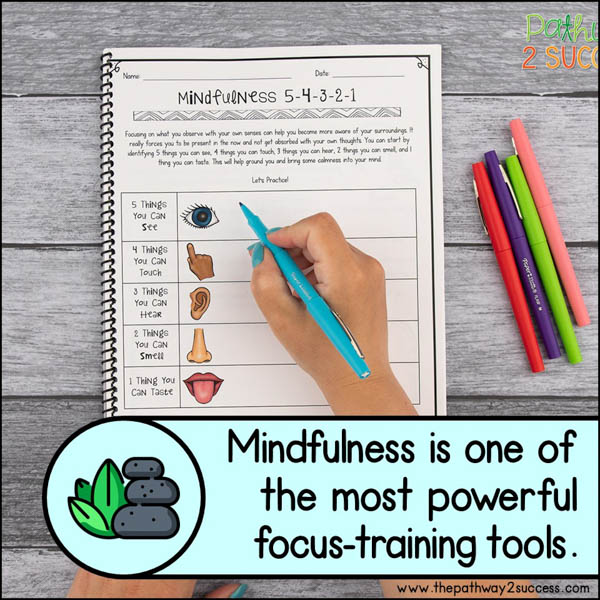
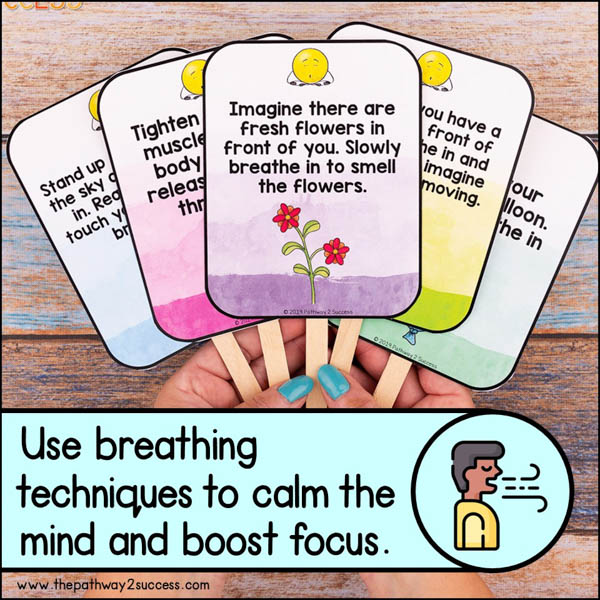
Mindfulness—the practice of anchoring awareness in the present moment—has moved from ancient tradition to clinical validation. A comprehensive meta-analysis by Verhaeghen (2021) revealed that mindfulness practices produce significant, measurable improvements in focused and sustained attention. Mechanistically, deep diaphragmatic breathing directly impacts the autonomic nervous system. As Ma et al. (2017) demonstrated, controlled breathing lowers cortisol levels, reduces negative affect, and soothes the amygdala—the brain’s emotional processing center. By quieting stress responses, the brain frees up the cognitive bandwidth necessary for deep concentration.
3. Strategic Breaks and Mono-Tasking
The modern myth of multitasking has been thoroughly dismantled by cognitive science. Research confirms that when individuals attempt to process multiple streams of input simultaneously, they are not actually multitasking; they are rapid task-switching (Gopher et al., 2000). This constant shifting induces mental fatigue, spikes error rates, and diminishes productivity.
Conversely, taking intentional breaks—whether active (physical movement) or passive (listening to a narrative)—allows the prefrontal cortex to regroup. Janssen et al. (2014) observed tangible attention boosts following both active and passive break intervals, proving that strategic resting is a prerequisite for sustained cognitive output.
4. Environmental and Somatic Interventions
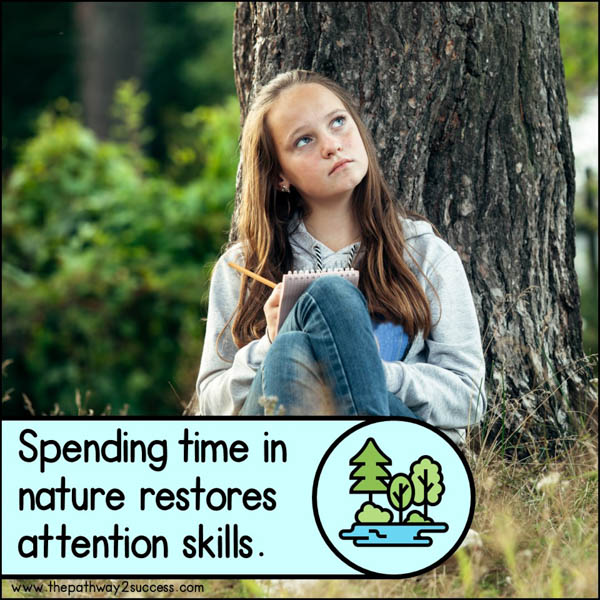
Nature Exposure: Attention Restoration Theory posits that natural environments replenish depleted cognitive resources. Stevenson et al. (2018) confirmed through meta-analysis that working memory, cognitive flexibility, and attention control all improve following exposure to natural settings—or even natural imagery (Berman et al., 2008).
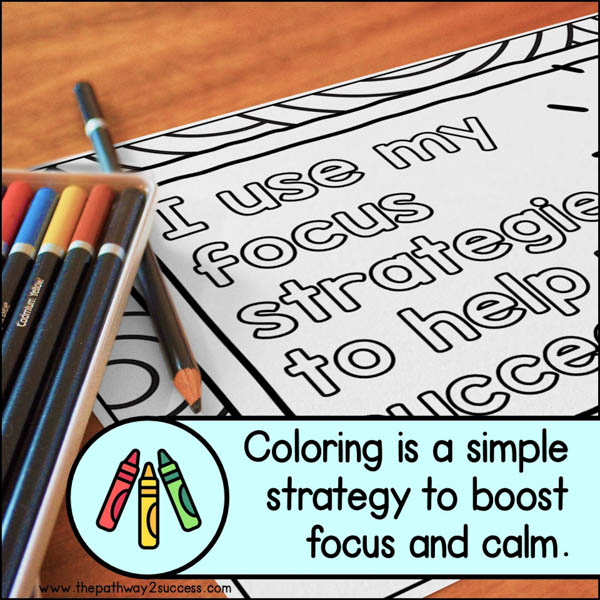
Coloring and Creative Arts: Often dismissed as mere pastime activities, structured coloring has been shown to reduce anxiety and sharpen selective attention (Holt et al., 2019). Recent findings by Suryagayathri (2024) indicate that students who incorporate coloring into their routines report enhanced abilities to manage distractions and refocus in noisy environments.
Yoga: A systematic review of 18 clinical studies by Yadav et al. (2022) highlighted that integrating yoga into youth routines significantly bolsters attention, while simultaneously mitigating stress and anxiety.
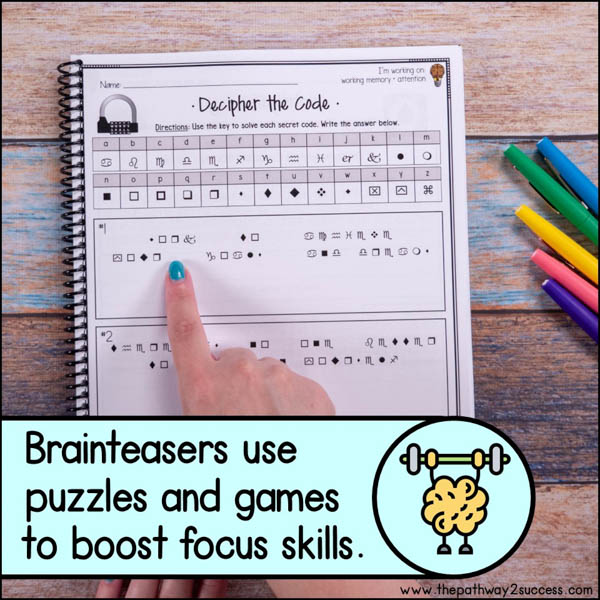
Brainteasers and Puzzles: Engaging puzzles actively train executive functions. Research by Altun et al. (2016) and Winarsunu & Fasikkhah (2022) demonstrated that structured brainteaser curricula measurably expand attention spans and foster peer self-regulation.
5. Sleep: The Ultimate Foundation
While not an active classroom strategy, sleep is arguably the most critical variable in the equation of attention. In his seminal work Why We Sleep, Dr. Matthew Walker (2017) outlines the extensive neurobiological processes that occur during deep sleep. Without adequate, high-quality rest, the brain’s neural pathways fail to consolidate memories, leading to severely compromised attention spans, sluggish reaction times, and diminished problem-solving capacities.
Official Statements and Expert Perspectives
Educational psychologists and institutional leaders emphasize that attention is a skill built over time, rather than an innate trait that children either possess or lack.
"Direct skill instruction is an evidence-based approach that helps kids and teens learn new skills. By directly teaching and practicing the skills that students are struggling with, learners can build their own internal toolbox of strategies."
— Educational Research Synthesis ( Hattie, 2018; Meltzer et al., 2007)
Experts advocate for structured strategy instruction—encompassing everything from reading and writing frameworks to task initiation and self-monitoring. When educators and parents explicitly teach children how to pause, check in on their current state of engagement, and self-correct when distracted (Reid et al., 2005), they empower learners to take agency over their cognitive development.
Furthermore, developmental advocates stress that systemic environments must adapt to these scientific insights. Classrooms that integrate flexible seating, mandatory movement breaks, nature views, and direct emotional regulation techniques create an optimal ecosystem for young brains to thrive.
Future Outlook: Tailoring Focus for the Next Generation
As society continues to grapple with technological evolution and expanding digital distractions, the mandate for evidence-based attention training in youth will only intensify. The future of education lies in personalized, multi-modal interventions.
Because every child is a unique individual, no single focus strategy will work universally for every student or in every context. The path forward requires a flexible, experimental approach:
Assess and Experiment: Introduce evidence-based techniques—ranging from mindful breathing and yoga to mono-tasking and structured self-monitoring.
Monitor Outcomes: Observe how students respond to different stimuli, allowing them to identify which tools resonate most with their personal learning styles.
Prioritize Fundamentals: Never overlook foundational physiological needs, such as restorative sleep and physical wellness, which anchor all higher-order cognitive tasks.
Ultimately, helping children and teens "focus on their focus" is one of the most empowering gifts educators and caregivers can provide. By anchoring interventions in rigorous science, we pave the way for a generation equipped to navigate complexity with clarity, resilience, and sustained attention.