
Executive Overview
Frontline workers are the indispensable heartbeat of modern society. From the nurses managing critical care in bustling emergency rooms to the teachers shaping young minds in classrooms, and the delivery drivers navigating complex supply chains to bring goods to our doorsteps, these individuals deliver essential services while acting as the direct public face of their organizations. They are the shock absorbers of economic volatility, the face-to-face representatives of corporate and public trust, and the executors of daily operations that keep society moving.
Yet, a profound disconnect exists between the vital importance of these roles and the level of organizational support afforded to the people who fill them. Despite carrying immense operational, emotional, and physical responsibilities, a significant and alarming proportion of frontline personnel report that their employers are falling drastically short in providing the resources, training, and institutional backing required to succeed.
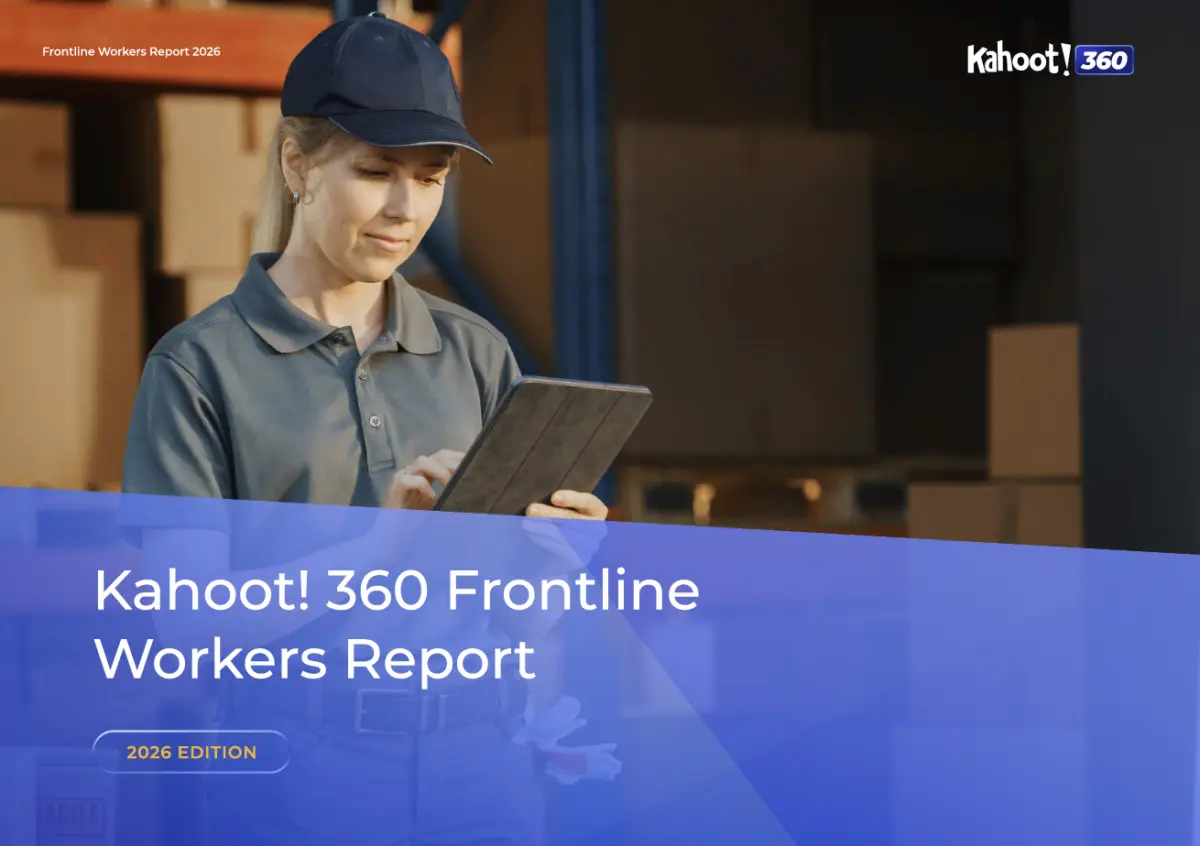
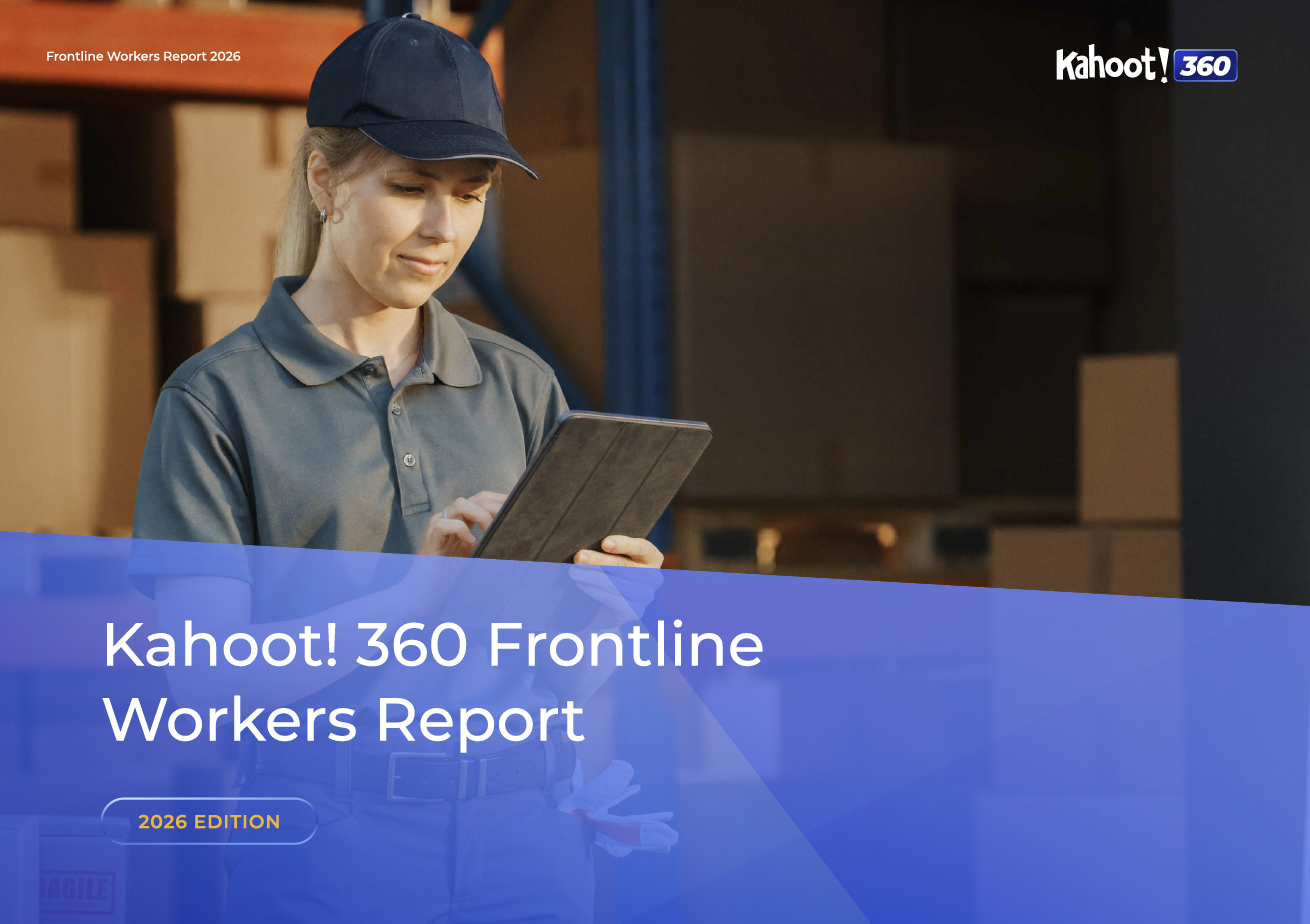
These findings are brought into sharp relief by the newly published Kahoot! 360 Frontline Workers Report, a comprehensive study released in September 2026. Surveying 4,000 frontline workers across the United States and the United Kingdom, the research offers an unvarnished look at the escalating pressures defining contemporary frontline labor. The report investigates the convergence of workplace strain, personal financial burdens, precarious safety margins, and shifting career trajectories. Most notably, the data reveals a ticking time bomb for human resources and executive leadership alike: pervasive training deficiencies are not only crippling worker productivity and morale, but they are also directly jeopardizing public safety and accelerating an impending exodus of talent.
As organizations grapple with chronic retention challenges, the Kahoot! 360 report challenges conventional corporate wisdom. It dismantles the pervasive myth that frontline workers view their jobs merely as transient stopgaps, proving instead that the vast majority are eager for long-term professional investment. By examining the anatomy of this workplace crisis—from the root causes of systemic training failures to the urgent need for continuous, accessible learning models—this article explores how forward-thinking enterprises can transform frontline engagement from an operational vulnerability into a strategic competitive advantage.
Detailed Chronology: The Evolution and Escalation of the Frontline Crisis
To understand the current state of frontline labor, it is necessary to trace the trajectory of how these roles have evolved over recent years and how organizational support structures have failed to keep pace.
The Pre-Pandemic Baseline and the Great Strain
Historically, frontline positions—spanning retail, hospitality, healthcare, education, logistics, and manufacturing—were treated by traditional human resource frameworks as high-turnover, low-investment sectors. Training was largely transactional, consisting of mandatory onboarding videos, compliance checklists, and rudimentary shadowing. Little thought was given to continuous professional development or psychological safety.
The Shifting Pressures of the Mid-2020s
As the global economy navigated the turbulence of the post-pandemic era, the demands placed upon frontline workers grew exponentially. Supply chain bottlenecks, labor shortages, heightened customer expectations, and inflationary pressures converged on the workforce. Frontline employees were suddenly expected to act with greater autonomy, manage more complex digital and logistical tools, and de-escalate increasingly tense public encounters—often without a commensurate upgrade in their training or compensation.
The September 2026 Benchmark
Commissioned to capture this changing reality, the September 2026 survey underpinning the Kahoot! 360 Frontline Workers Report gathered data from 4,000 workers across two major economies (the US and UK). The resulting analysis mapped out a critical inflection point. By the autumn of 2026, the cumulative weight of inadequate preparation, burnout, and financial strain had reached a critical threshold. The report documented not merely generalized dissatisfaction, but concrete operational failures—instances where untrained staff were thrust into high-stakes scenarios, directly threatening customer safety, employee well-being, and institutional stability. Today, organizations stand at a crossroads: continue with outdated, one-off compliance training models and face a mass resignation of talent, or pivot toward continuous, technology-enabled learning ecosystems that empower frontline staff.
Supporting Context & Metrics: Unpacking the Data
The Kahoot! 360 Frontline Workers Report provides a rigorous empirical foundation for understanding the modern workplace. The numbers paint a sobering picture of systemic neglect, yet they also highlight clear pathways for institutional remediation.

The Training Deficit: A Hazard to Public and Personnel Safety
Perhaps the most startling revelation of the 2026 report centers on the sheer scale of unpreparedness among frontline staff:
- 58% of frontline workers report having been explicitly asked to carry out a task without receiving the relevant training. This indicates that task delegation without preparation is not an isolated anomaly, but a systemic management practice.
- 37% of surveyed workers received no formal training whatsoever in the 12 months preceding the survey.
These training gaps transcend mere operational inefficiency; they represent tangible, high-stakes risks to human life and well-being:
- Over one in four (26%) frontline workers confess that inadequate training directly contributed to a workplace mistake that could have caused physical harm to a customer, patient, passenger, or member of the public.
- 22% of respondents state that training deficiencies put their own physical safety—or that of a close colleague—at direct risk.
In sectors where split-second decisions dictate outcomes—such as healthcare settings, public transit, and emergency-adjacent retail or logistics—operating without proper training transforms everyday employees into unwitting liabilities.
The Retention Crisis: Why 39% Are Looking for an Exit
Unsurprisingly, the chronic failure to support frontline personnel has catalyzed a severe retention crisis. According to the data, 39% of frontline workers are actively considering leaving their jobs within the next 12 months.
Workers point to a compounding matrix of push factors:
- Financial Strain: Stagnant wages failing to keep pace with the cost of living.
- Burnout: Chronic understaffing leading to unmanageable workloads and emotional exhaustion.
- Lack of Training and Development: Feeling professionally stranded, ill-equipped for daily tasks, and devoid of upward mobility.
The Long-Term Career Paradox
A common justification among employers who underinvest in frontline training is the assumption that these workers view their employment as short-term stepping-stones rather than careers. The Kahoot! 360 report explodes this myth.
The research reveals that 62% of frontline workers view their current role as their long-term career, rather than a temporary gig. This disconnect exposes a self-fulfilling prophecy engineered by management: employers withhold robust training because they assume workers will leave quickly; consequently, because workers receive no training, they feel unprepared, undervalued, and ineffective, prompting them to quit. Breaking this cycle requires organizations to recognize that frontline staff are deeply invested in their professional identities and long-term futures.
Official Insights and Industry Analysis
Analyzing the broader implications of the Kahoot! 360 Frontline Workers Report, workforce strategists and organizational psychologists emphasize that the traditional corporate playbook for employee engagement is fundamentally broken when applied to the frontline.
Bridging the Office-Frontline Divide
In many enterprise environments, communication and learning tools are optimized for desk-bound corporate employees. Intranets, lengthy PDF manuals, and scheduled in-person seminars are poorly suited for a nurse on a hospital floor, a delivery driver on a tight route, or a retail associate on a busy sales floor. Industry experts note that frontline workers operate in dynamic, fast-paced environments where information must be digestible, immediate, and accessible at the exact point of need.
The Cost of Inaction
Financial analysts point out that the hidden costs of ignoring frontline training far outweigh the investment required to fix it. High turnover triggers a continuous cycle of recruitment, onboarding, and lost productivity. More critically, in industries governed by customer satisfaction, public safety, and regulatory compliance, a single training-related error can result in catastrophic legal liabilities, brand erosion, and regulatory penalties.
Redefining Corporate Responsibility
Leadership frameworks are increasingly recognizing that empowering frontline workers is a core component of corporate social responsibility and risk management. When organizations provide workers with the tools to excel, they simultaneously safeguard the public, elevate service quality, and foster an inclusive culture where every employee feels valued and capable.
Future Outlook: From One-Off Training Days to Continuous Learning Support
The transition from a precarious frontline labor market to a resilient, high-performing workforce requires a fundamental paradigm shift. Organizations must move away from archaic, check-the-box training methods—such as annual compliance seminars or sporadic, one-off training days—and embrace a culture of continuous learning.
The Imperative of Agility and Accessibility
Frontline employees frequently encounter novel situations, unexpected customer demands, and rapid operational changes that require independent, on-the-spot decision-making. Waiting for scheduled training sessions is obsolete. Knowledge must be integrated directly into the daily workflow, accessible anytime and anywhere via intuitive mobile technology.
Empowering the Workforce with Modern Tools
Platforms designed specifically for modern workforce engagement are leading this transformation. Kahoot! 360, positioned as the ultimate workforce engagement platform, offers a blueprint for how organizations can bridge the gap between leadership and the frontline. By combining interactive learning, communication apps, and flexible delivery models, platforms like Kahoot! 360 enable organizations to:
- Deliver bite-sized, asynchronous training that workers can complete at their own pace during downtime or shift transitions.
- Foster team connection and collaboration through live, gamified sessions that boost morale and reinforce critical knowledge.
- Provide instant access to essential resources, ensuring employees always have the information they need to perform their duties safely and effectively.
Moving Forward
The message of the Kahoot! 360 Frontline Workers Report is unambiguous. The organizations that thrive in the years ahead will be those that view their frontline staff not as expendable labor, but as strategic anchors of their enterprise. By investing in comprehensive training, dismantling the barriers to professional growth, and embracing continuous learning ecosystems, employers can turn the tide on burnout, dramatically improve retention, and unlock unprecedented levels of performance and engagement.
To explore the complete findings, statistical breakdowns, and strategic recommendations, access the full Kahoot! 360 Frontline Workers Report. Discover how your organization can leverage Kahoot! 360 to empower your frontline teams today.

