
Executive Overview
As education systems worldwide grapple with the dual challenges of post-pandemic learning recovery and rapid technological integration, the demand for adaptable, engaging, and efficient classroom tools has never been higher. At the forefront of this educational evolution is Kahoot!, the globally recognized game-based learning platform. With the commencement of the new academic year, Kahoot! has unveiled a sweeping suite of updates designed to tackle the most pressing obstacles educators face today—ranging from the logistical hurdles of device-free teaching to persistent academic deficits in core subjects like mathematics and language arts.
This comprehensive release introduces several groundbreaking features, including the Classic Unplugged Mode, Team Tiles, Math Missions, expanded language-learning capabilities supporting over 55 languages, advanced open-ended questioning tools tailored for senior students, and the AI-powered Kahoot! Assistant. Together, these innovations represent a paradigm shift in EdTech design: rather than forcing classrooms to conform to rigid digital ecosystems, Kahoot! is engineering flexibility, allowing teachers to customize their instructional methods based on the unique dynamics of their students.
This report provides an in-depth exploration of these new features, analyzing their pedagogical foundations, technological architecture, and potential impact on learning outcomes across primary, secondary, and higher education.
Detailed Chronology of the 2026 Back-to-School Release
The rollout of Kahoot!’s newest educational ecosystem is the culmination of extensive research into contemporary classroom dynamics, teacher feedback, and emerging technological trends in artificial intelligence and interactive pedagogy.
Phase 1: Addressing the Device Divide and Unplugged Pedagogy
For years, the digitization of the classroom has been heralded as the ultimate path forward. However, educators frequently report challenges associated with universal device access, screen fatigue, and the digital distraction of personal smartphones and tablets. Recognizing this, Kahoot! initiated development on offline-optional frameworks early in the preceding academic year.
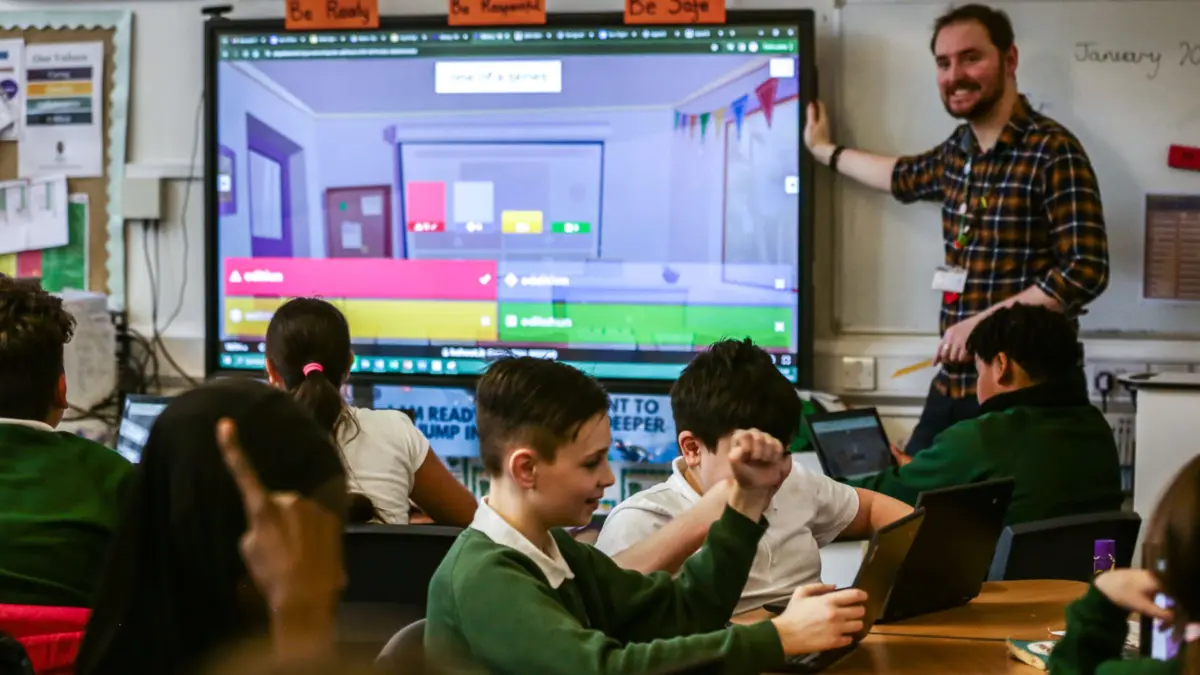
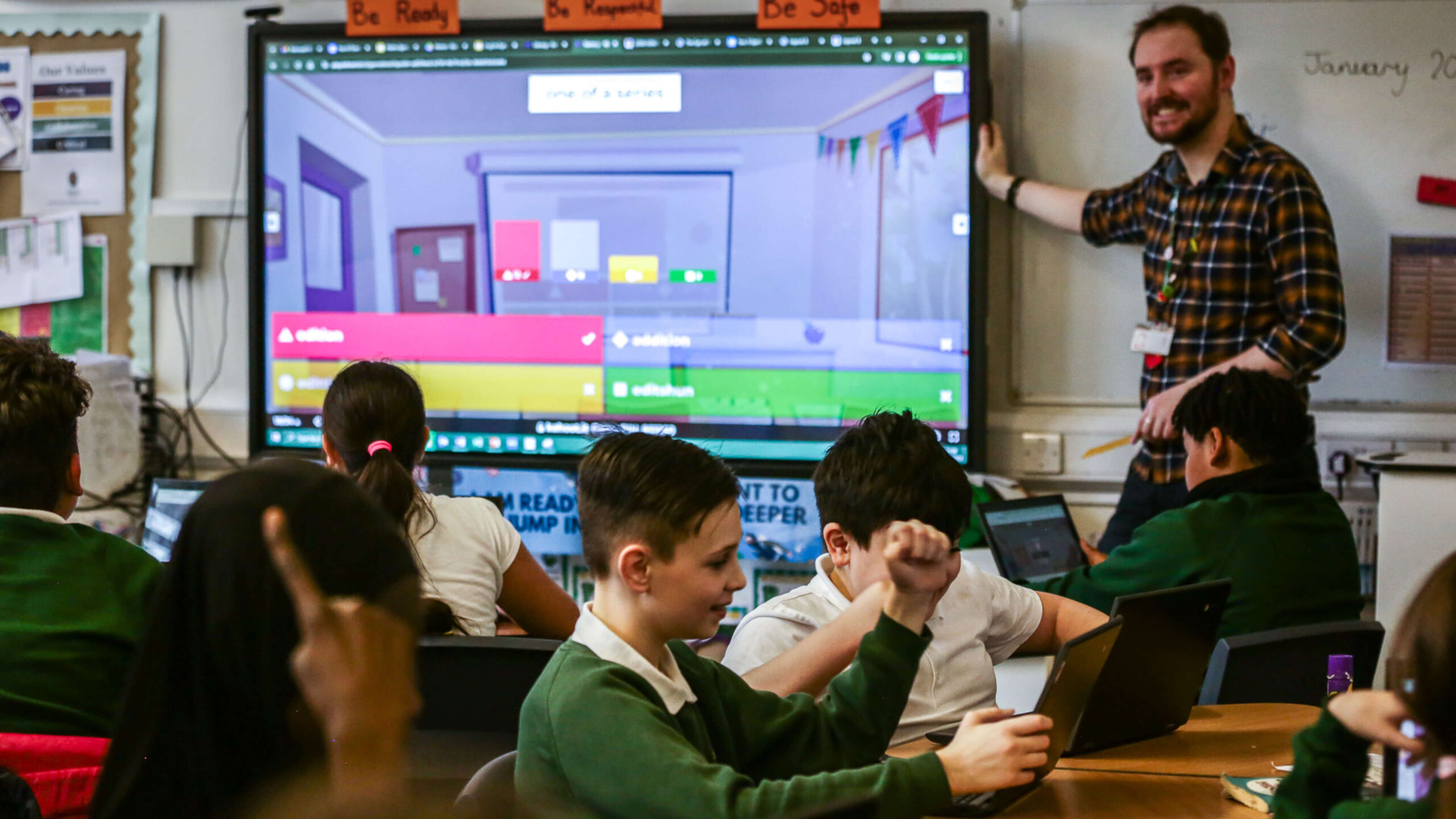
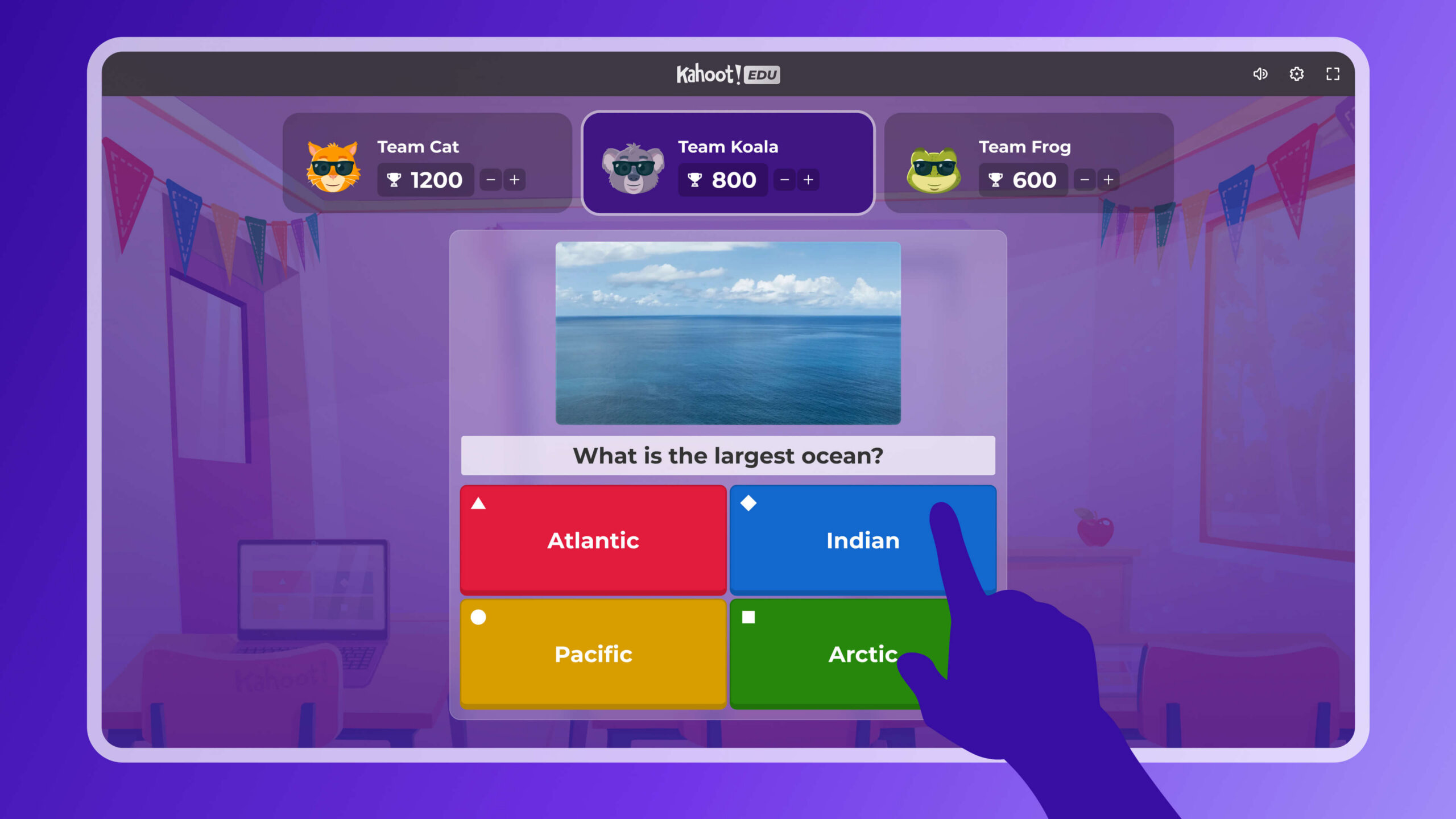
The resulting release introduces the Classic Unplugged Mode and Team Tiles. These features enable teachers to conduct fully interactive quizzes and learning modules projected onto a single shared classroom display. Instead of relying on individual devices, students engage through physical response cards, verbal consensus, or collaborative group discussions. This development marks a critical shift in EdTech philosophy, acknowledging that tactile interaction and peer-to-peer collaboration are often superior to isolated screen time.
Phase 2: Bridging Skill Gaps in STEM and Literacy
Following the initial focus on classroom engagement, the development cycle turned toward individualized remediation—specifically targeting mathematics and multilingual acquisition.
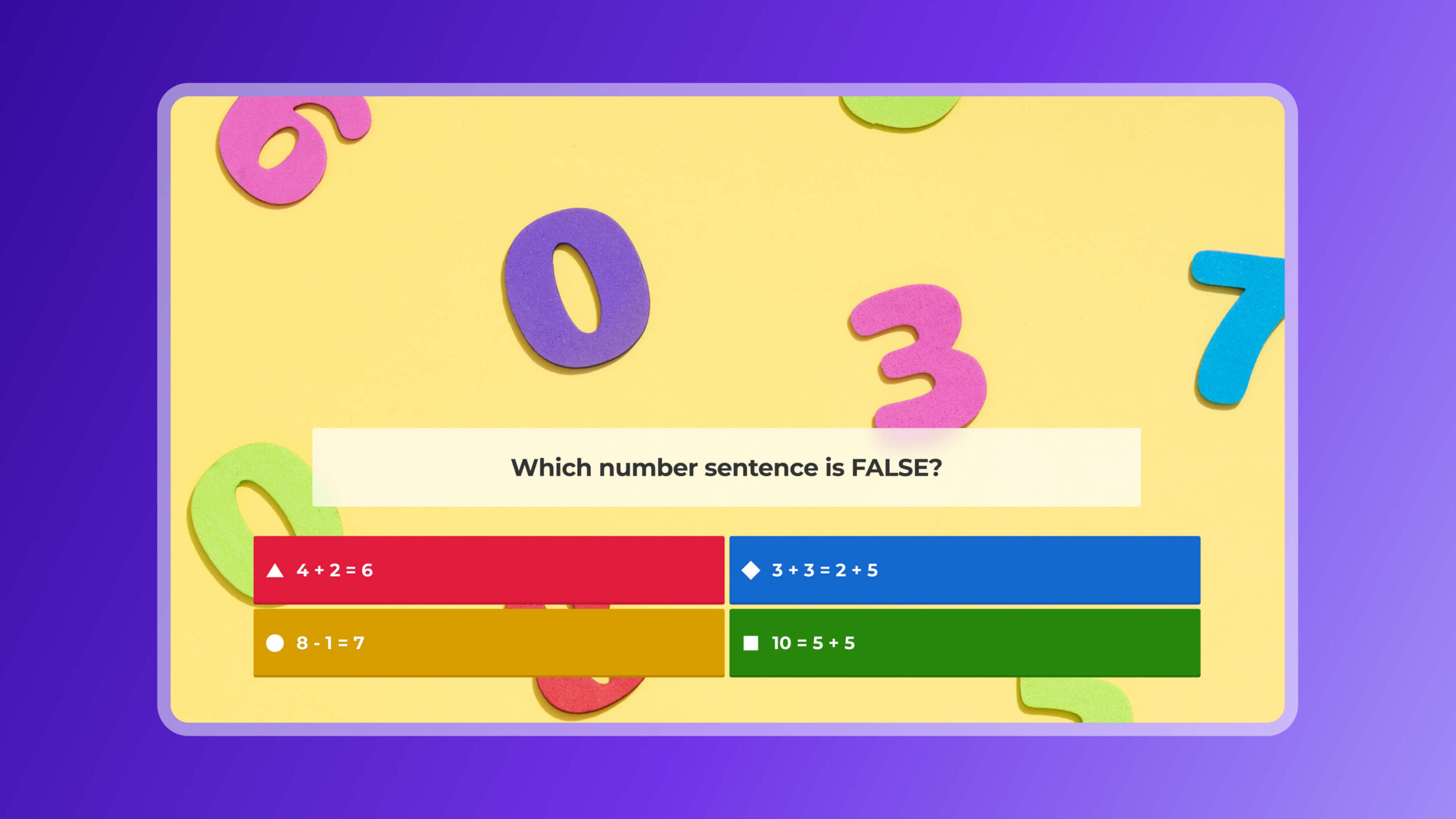
- Math Missions: Deployed to combat chronic math anxiety and foundational skill deficits, this flexible, self-paced module adapts dynamically to each learner’s pace. Moving seamlessly from basic number sense to advanced algebra, the system provides real-time diagnostic data to educators while fostering autonomous problem-solving skills.
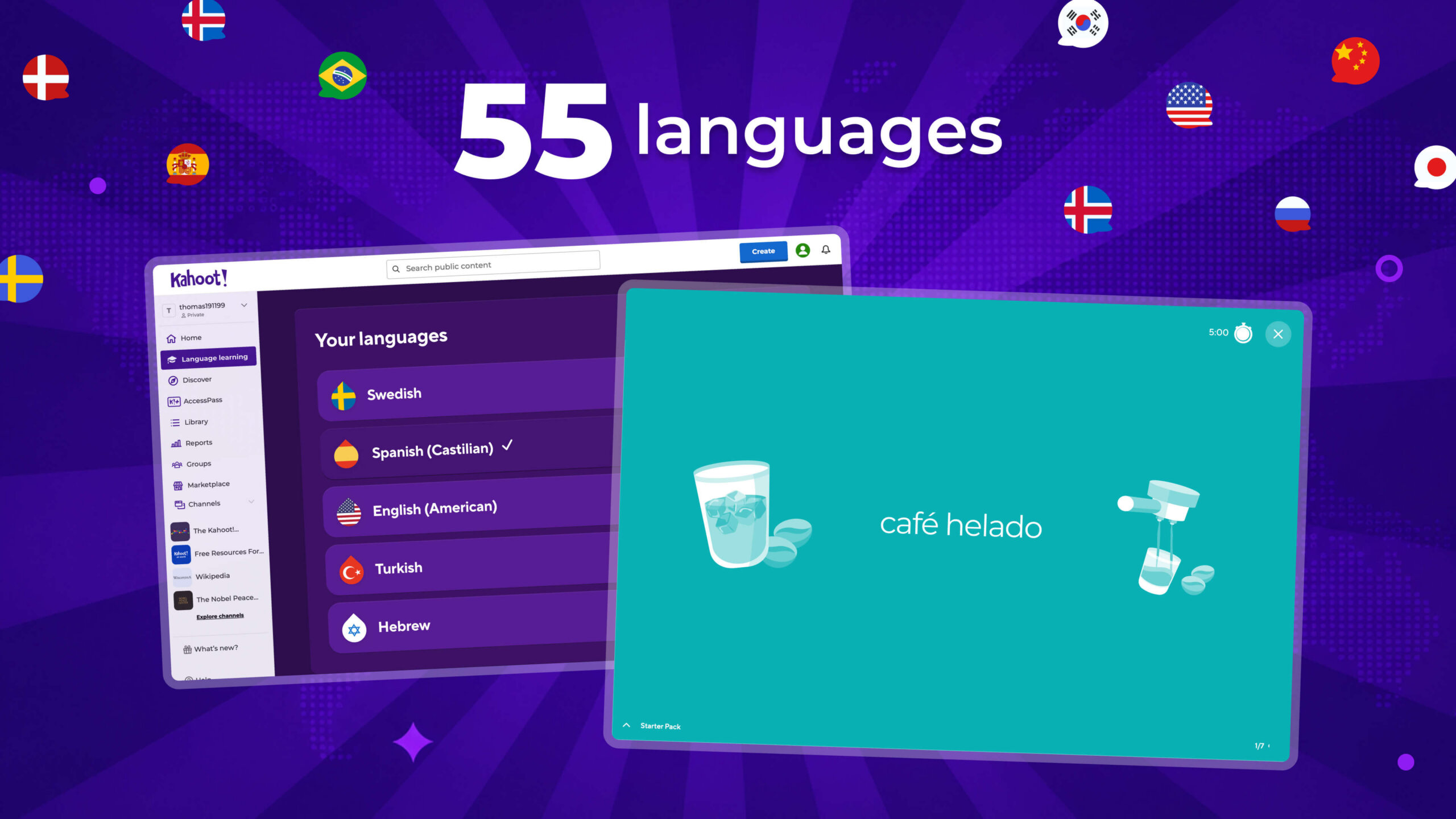
- Language Learning Suite: Recognizing the increasing multiculturalism of modern classrooms, Kahoot! integrated comprehensive support for over 55 languages. This feature blends bite-sized visual lessons with gamified repetition, creating a unified tool for vocabulary expansion, classroom warm-ups, and frictionless homework assignments.
Phase 3: Elevating Critical Thinking and Streamlining Workflow
In the final stages leading up to the global back-to-school launch, platform developers focused on senior student cohorts (ages 16 and older) and educator efficiency.
- Open-Ended Questioning: Moving beyond traditional multiple-choice frameworks, the platform unlocked secure open-ended response types for older students. This update encourages deep critical thinking, facilitates qualitative peer review, and transforms passive quiz-takers into active contributors.
- The Kahoot! Assistant: Addressing the persistent crisis of teacher burnout and administrative overload, the introduction of the platform’s proprietary AI assistant allows educators to instantly generate curriculum-aligned content from URLs, raw text documents, or existing slide decks. By automating the heavy lifting of lesson preparation, Kahoot! has significantly lowered the barrier to creating dynamic, multimedia-rich lessons.
Supporting Context & Metrics: The Pedagogical Need for Flexibility
To fully understand the significance of Kahoot!’s latest updates, one must examine the current macroeconomic and institutional pressures shaping global education.
The Problem of Screen Fatigue and Digital Equity
While 1:1 device programs (where every student is assigned a laptop or tablet) have become standard in many districts, they introduce significant pedagogical hurdles. Research consistently demonstrates that excessive screen time can impair sustained attention spans and diminish interpersonal communication skills among younger demographics. Furthermore, disparities in device maintenance, connectivity, and digital literacy can widen equity gaps within a single classroom.
By introducing Team Tiles and Unplugged Mode, Kahoot! provides schools with a hybrid model. Educators can harness the motivational psychology of gamification while retaining the collaborative, social atmosphere of a traditional, discussion-based classroom.
The Mathematics Recovery Imperative
Global educational assessments over recent years have highlighted persistent learning gaps in mathematics, often exacerbated by disrupted schooling cycles. Traditional standardized testing frequently identifies these gaps too late for effective intervention.
Math Missions addresses this structural flaw by embedding continuous, formative assessment directly into the learning loop. Because the platform adjusts difficulty levels automatically based on student performance, high-achieving students are appropriately challenged, while struggling learners receive scaffolded reinforcement without public stigmatization.
Administrative Burden and Teacher Retention
Teacher burnout remains one of the most critical threats to institutional stability worldwide. Studies consistently show that educators spend a disproportionate number of their off-hours on lesson planning, material sourcing, and administrative paperwork.
The Kahoot! Assistant directly targets this inefficiency. By utilizing generative AI to convert existing pedagogical assets—such as PDF syllabi or PowerPoint presentations—into interactive learning games within seconds, the platform reclaims hundreds of instructional planning hours annually for the average educator.
Official Statements and Educational Vision
Leadership at Kahoot! has emphasized that the 2026 back-to-school release is not merely a collection of feature updates, but a holistic reaffirmation of the company’s mission to make learning awesome.
"The beginning of the school year is the ultimate window of opportunity to establish a culture of curiosity and success in the classroom," noted a senior product spokesperson during the global launch. "Our objective with this release was to listen directly to educators. They told us they needed flexibility—the ability to teach without being entirely dependent on individual devices, tools to address foundational learning gaps in subjects like mathematics, and smarter ways to reclaim their planning time. With these new features, we are empowering teachers to meet every individual learner where they are."
Educational strategists have echoed these sentiments, pointing out that the integration of senior-level open-ended questions and expansive language tools demonstrates a mature understanding of developmental psychology across different age groups. While primary students benefit from tactile group play and foundational math reinforcement, older students require safe, structured spaces for nuanced critical analysis and debate.
Future Outlook: The Next Frontier in Game-Based Learning
As we look toward the future of educational technology, several key trajectories emerge from Kahoot!’s latest strategic initiatives:
1. The Rise of Intelligent, Adaptive Classrooms
The integration of AI tools like the Kahoot! Assistant signals a permanent transition from static software to dynamic, co-creative teaching partners. Future iterations are expected to offer even deeper predictive analytics, flagging potential learning drop-offs weeks before formal assessments take place, thereby transforming education from a reactive model to a proactive one.
2. Hybrid Learning as the New Baseline
The success of unplugged and device-flexible modes indicates that the future of EdTech is not purely digital, but thoughtfully hybrid. The most effective classrooms of tomorrow will seamlessly blend physical manipulatives, group collaboration, and digital amplification—a balance that Kahoot! has positioned itself to lead.
3. Global Accessibility and Inclusivity
With support spanning over 55 languages and scalable pricing structures ranging from free tiers (Kahoot! Go) to comprehensive institutional bundles (Kahoot!+ Gold for primary, secondary, and higher education), the platform is cementing its role as a universal infrastructure for global learning.
Conclusion
The back-to-school launch marks a defining moment for Kahoot! and the broader EdTech community. By addressing the multifaceted realities of modern teaching—device management, foundational skill remediation, multilingual inclusivity, critical thinking, and educator workload—Kahoot! has delivered a robust, authoritative toolkit. For educators striving to inspire the next generation of thinkers, innovators, and problem-solvers, these new features offer a clear, efficient, and profoundly engaging path forward.

