The landscape of holiday shopping has undergone a profound transformation. Long gone are the days when consumers anxiously awaited the dawn of the Friday immediately following Thanksgiving to storm brick-and-mortar department stores in search of holiday bargains. Today, the retail industry has adopted an accelerated, digital-first paradigm. Nowhere is this shift more evident than in the market for educational and Science, Technology, Engineering, and Math (STEM) toys.
Driven by shifting consumer behaviors, supply chain optimizations, and an overarching emphasis on online-only commerce, major retailers are rolling out their most anticipated Black Friday and Cyber Monday discounts as early as mid-November. For parents, educators, and gift-givers, this early commencement offers a strategic advantage. It alleviates the intense pressure of end-of-year inventory shortages and provides ample time to research, evaluate, and procure high-value learning kits.
This comprehensive report examines the strategic pivot toward early online holiday shopping, analyzes the current macroeconomic and retail trends driving the demand for educational play, and provides an authoritative guide to the top 15 STEM toys, robotics, and chemistry kits to watch during this promotional window.
Detailed Chronology: The Shift to Mid-November Online Retail
The transition from a single-day frenzied shopping event to a month-long e-commerce marathon did not happen overnight. It is the result of a calculated evolution by major retail conglomerates seeking to optimize logistics, manage website traffic, and capture consumer spending before traditional holiday budgets are exhausted.
Early November: The Soft Launch and Logistics Optimization
In previous decades, the period leading up to Thanksgiving served as a quiet buildup, with retailers holding back their best promotions to create artificial scarcity and urgency. However, the exponential growth of e-commerce—accelerated by global shifts toward digital infrastructure—proved that consumers prefer a staggered shopping experience.
By mid-November, major online distribution channels initiate the rollout of "early-bird" Black Friday deals. For STEM toys and learning robotics, this timing is critical. Educational toys often involve complex microprocessors, specialized components, and precise manufacturing processes that can be vulnerable to supply chain bottlenecks. By launching promotions mid-month, retailers distribute fulfillment waves over a longer period, mitigating the risk of shipping delays and server overloads that historically plagued websites on Black Friday proper.
Thanksgiving to Cyber Monday: The Peak Digital Window
While the official holiday shopping weekend still commands massive digital traffic, its function has changed. It is no longer the exclusive starting gate, but rather the grand crescendo of a multi-week promotional season. Retailers now concentrate their marketing efforts almost exclusively on online platforms. Physical storefronts, once the battlegrounds for doorbuster deals, have taken a back seat to digital storefronts, app-based shopping portals, and click-and-collect fulfillment centers.
This digital-first approach ensures that parents do not have to navigate crowded aisles or face depleted inventory shelves. Instead, they can thoroughly vet educational toys from the comfort of their homes, comparing features, reading pedagogical reviews, and locking in deep discounts weeks ahead of the holiday rush.
Supporting Context & Metrics: The Rising Demand for Educational Play
The surge in popularity for STEM toys is not merely a passing retail trend; it reflects a broader cultural and educational movement. Modern parents and educators increasingly recognize that early exposure to coding, robotics, logic, and experimental science lays a critical foundation for future academic and professional success.
Bridging Play and Practical Skill Development
The modern toy market has successfully blurred the line between entertainment and education. Traditional toys that offer passive engagement are increasingly being replaced by active learning systems. According to educational toy industry metrics, demand for interactive coding robots, circuit-building kits, and logic-based puzzle games has seen consistent year-over-year growth.
This growth is underpinned by several key factors:
Early Tech Literacy: With automation and software integration defining modern industries, introducing children to algorithmic thinking, robotics, and basic programming at an early age is viewed as essential literacy.
Inclusivity in STEM: Manufacturers have made concerted efforts to develop kits that appeal across gender lines, such as specialized chemistry sets designed to highlight cosmetic science and biological applications, broadening the appeal of scientific inquiry.
Screen-Free Alternatives: Paradoxically, alongside sophisticated coding robots, there is a massive resurgence in demand for tactile, screen-free engineering toys—such as advanced marble runs and mechanical physics kits—that foster spatial reasoning without digital device dependency.
The Top 15 STEM Toys and Learning Kits to Watch Out For
To help consumers navigate the overwhelming array of early holiday promotions, industry experts have curated a definitive list of the top 15 STEM toys, learning kits, and robotics systems featured across major online retailers this season.
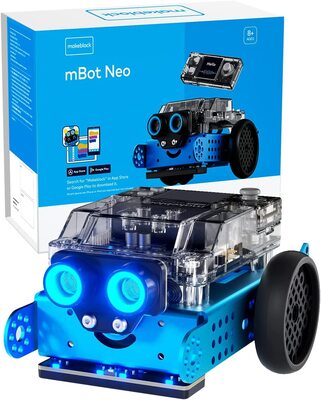
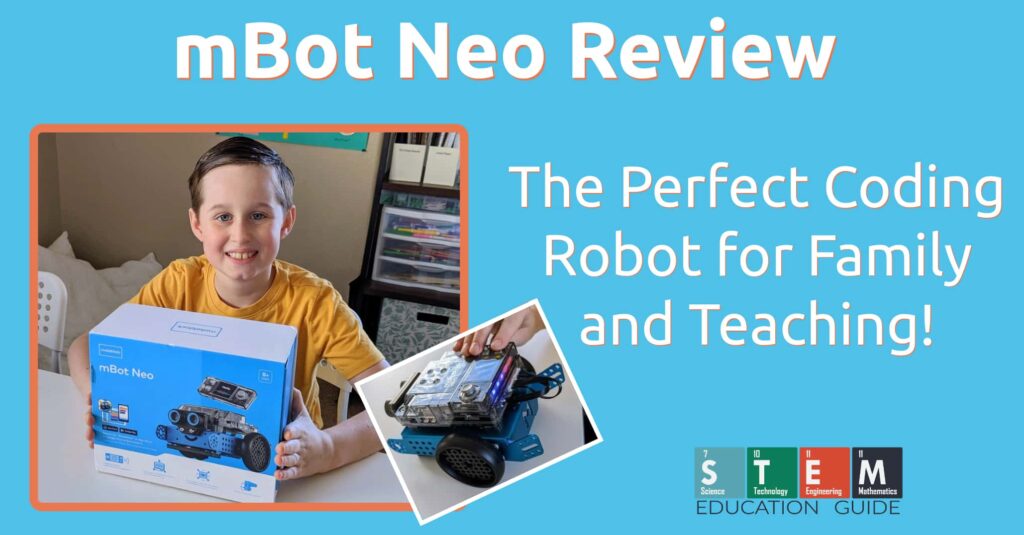
Overview: The mBot Neo is a robust, premium DIY coding robot constructed from durable aluminum and thick plastics. Designed for hands-on assembly, it introduces children to robotics and software development through a companion app.
Key Features: Users can program the robot to move, dance, light up, and sing. For children who are still developing their coding skills, the unit features a wide array of preprogrammed activities accessible via a standard controller. It stands out as a premier entry point into mechanical assembly and block-based coding.
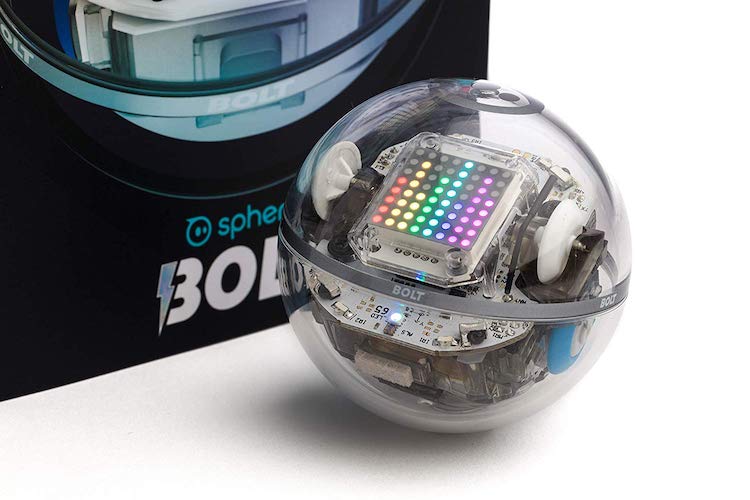
2. Sphero BOLT
Category: Programmable Robotic Ball
Overview: The Sphero BOLT is a shock-proof, waterproof, highly durable robotic sphere that responds directly to user-generated code.
Key Features: Offering virtually endless programming capabilities, the BOLT bridges the gap between beginner-friendly drawing commands and advanced JavaScript programming for older children. Its durability makes it ideal for both home environments and classroom settings.
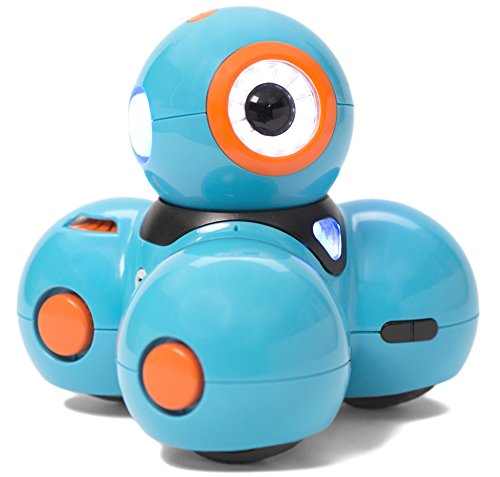
3. Wonder Workshop Dash
Category: Interactive Robotics for Ages 6+
Overview: As one of the pioneering consumer educational robots, Dash combines an appealing physical design with sophisticated software capabilities.
Key Features: Targeted at children ages six and up, Dash is fast, responsive, and fully programmable via intuitive in-app challenges that guide young learners through sequential problem-solving. Equipped with an onboard microphone for sound playback and vocal interactivity, Dash can even communicate with other robots in multi-user settings. Special holiday bundles, such as the STEAM Creativity Bundle, often include supplementary flashcards and learning accessories.
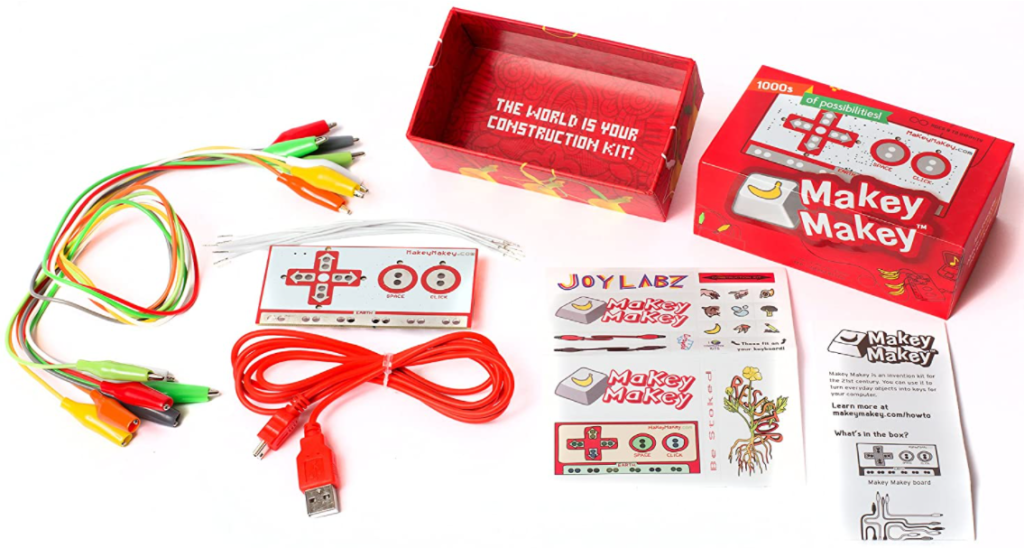
4. Makey Makey Invention Kit
Category: Hands-On Technology & Circuitry
Overview: Created by JoyLabz, Makey Makey transforms everyday conductive objects—such as bananas, Play-Doh, or graphite pencil drawings—into touchpads that interface with a computer.
Key Features: Comprising the core Makey Makey board, alligator clips, and a USB cable, this kit champions simplicity and imagination. It offers an exceptionally accessible entry point into computer science and invention for young minds.
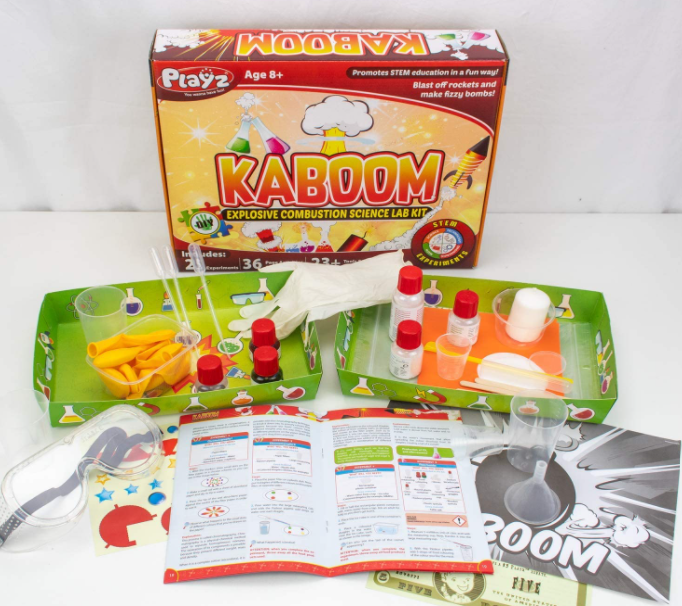
5. Playz Kaboom Explosive Science Lab Kit
Category: Chemistry & Combustion Science
Overview: Dispelling the notion that science is dry or academic, this kit delivers over 25 high-energy, explosive experiments designed to captivate inquisitive children.
Key Features: Young scientists can construct outdoor rockets, explore fireproof balloons, and witness simulated volcanic eruptions. Crucially, the kit emphasizes the underlying chemical reactions and scientific principles ("the why"), transforming raw energy into structured education.
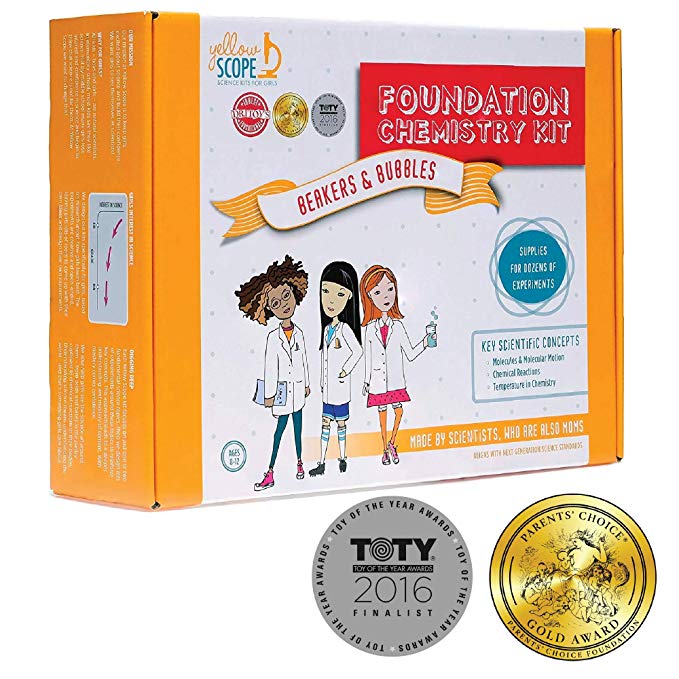
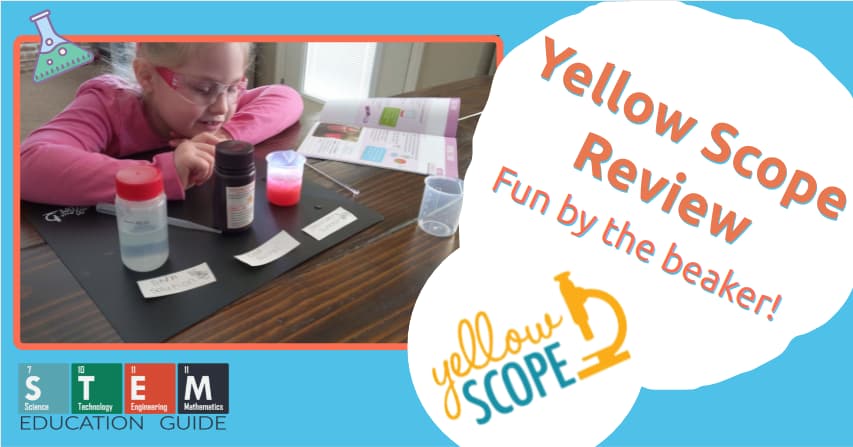
6. Yellow Scope Foundation Chemistry Kit (Beakers & Bubbles)
Overview: Developed by female scientists, Yellow Scope creates rigorous, engaging STEM kits explicitly designed to inspire girls and boys alike to pursue scientific disciplines.
Key Features: The Beakers & Bubbles kit dives into the chemistry behind everyday consumer products, introducing children to specialized fields like cosmetic science. It features professional-grade lab equipment and comprehensive experimental guides that encourage critical thinking.
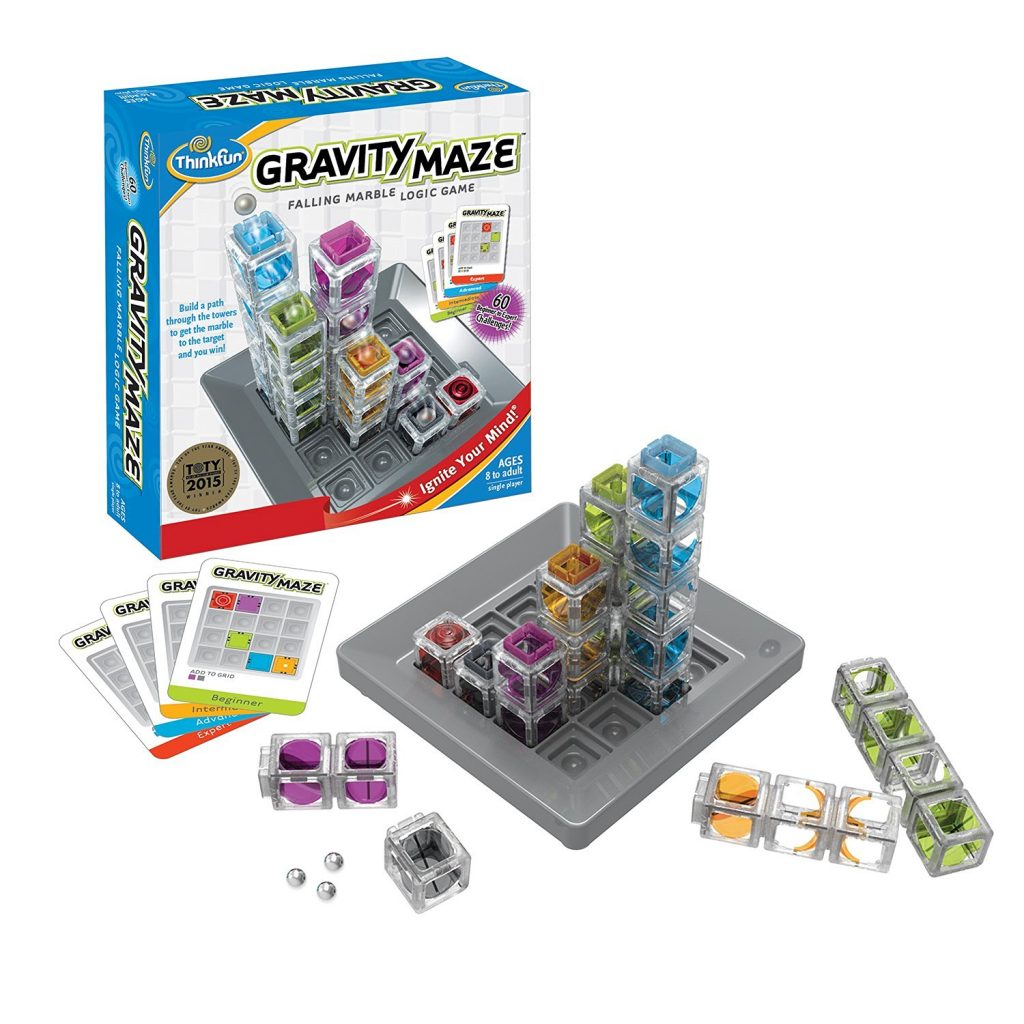
7. ThinkFun Gravity Maze Marble Run
Category: Logic Game & Spatial Reasoning
Overview: Merging the classic appeal of a marble run with a demanding logic puzzle, ThinkFun’s Gravity Maze challenges players to use challenge cards to route a marble through a vertical grid system.
Key Features: Designed for ages eight and up, the modular setup ensures high replay value. It requires players to visualize architectural layouts, understand gravity, and apply deductive reasoning.
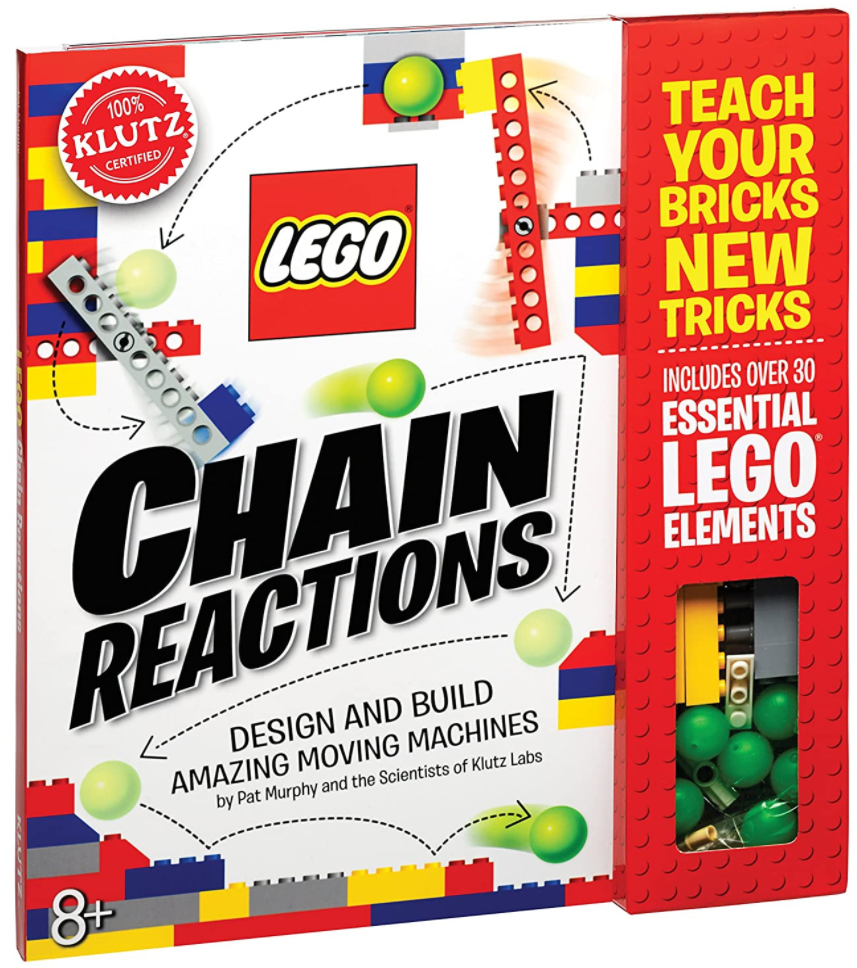
8. LEGO Chain Reactions Science & Building Kit (Klutz)
Overview: Published in partnership with Klutz, this kit provides specialized LEGO components and structural guides to help children build intricate, moving contraptions.
Key Features: Focusing on physics, kinetic energy, and mechanical cause-and-effect, this set empowers children to construct functional machines that interact with one another, instilling engineering confidence through play.
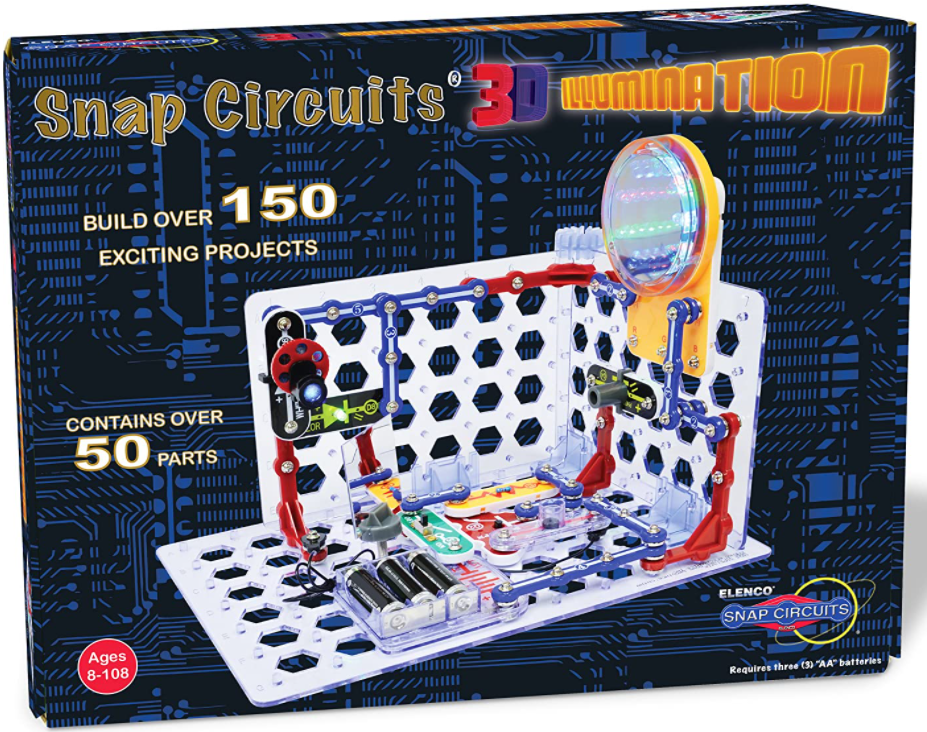
9. Snap Circuits 3D Illumination Electronics Exploration Kit
Category: Electronics & Circuitry
Overview: Snap Circuits systems are renowned for teaching the fundamentals of electrical engineering through safe, modular snap-together components.
Key Features: The 3D Illumination edition elevates traditional flat circuit boards into multi-dimensional structures featuring lights, mirrors, and motorized elements, offering deep insight into electrical currents and circuit design.
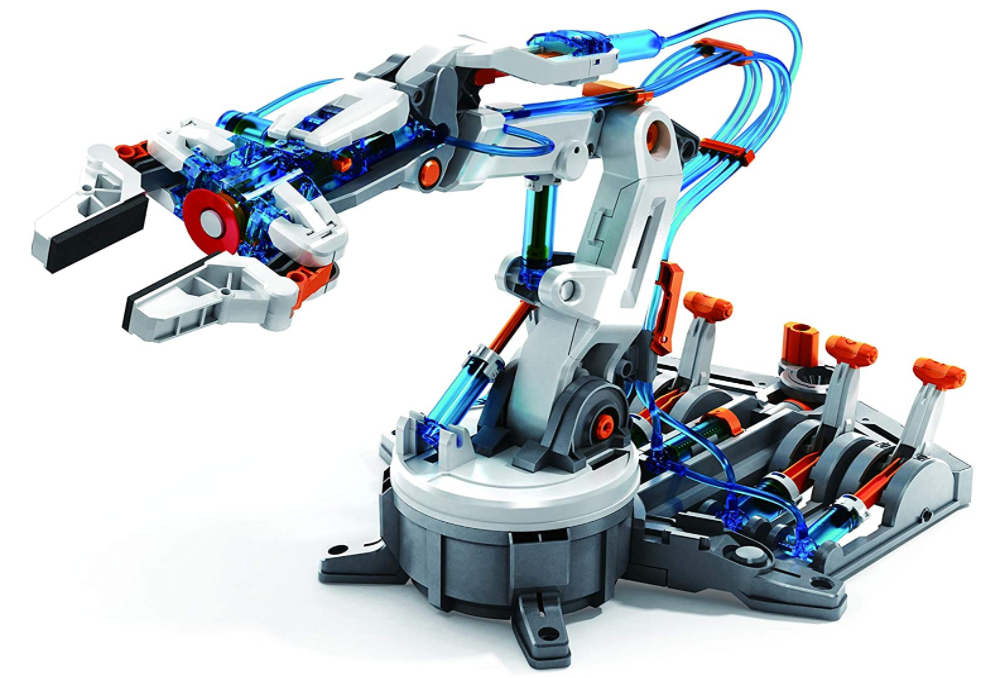
10. Elenco Teach Tech HydroBot Hydraulic Arm Kit
Category: Renewable Energy & Mechanical Engineering
Overview: Utilizing water-powered hydraulic plungers, the HydroBot Arm allows children to build a fully functional robotic appendage capable of 270-degree rotation.
Key Features: This kit provides a tangible introduction to fluid dynamics, mechanical advantage, and renewable energy concepts, rewarding young tinkerers with precise manual control over gripping and lifting mechanisms.
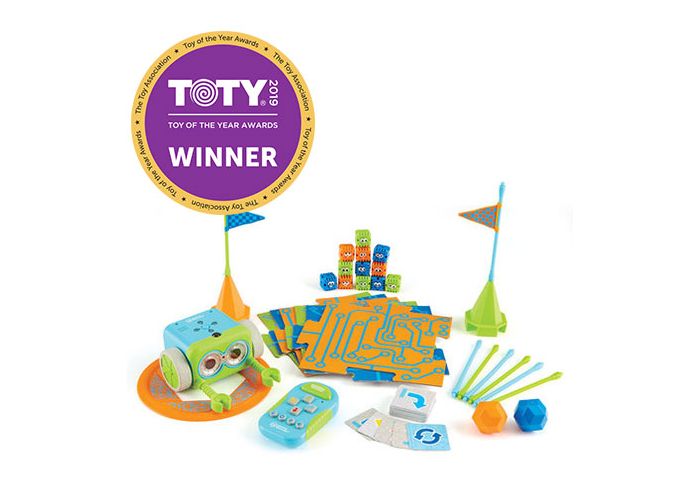
11. Learning Resources Botley The Coding Robot Activity Set
Category: Screen-Free Early Coding
Overview: Botley is an exceptional screen-free coding robot tailored for younger children, utilizing a remote programmer to transmit directional and logical commands.
Key Features: Without requiring tablets or smartphones, children learn obstacle avoidance, looping, and conditional logic through physical play, making foundational computer science accessible to early learners.
Overview: For children ready to progress beyond basic electronic toys, the Mech-5 is a fully mechanical, battery-free programmable robot.
Key Features: Children input physical code directly onto a mechanical coding wheel, directing the robot to kick, throw, draw, lift, and spin. This setup fosters deep problem-solving skills through hands-on mechanical tinkering.
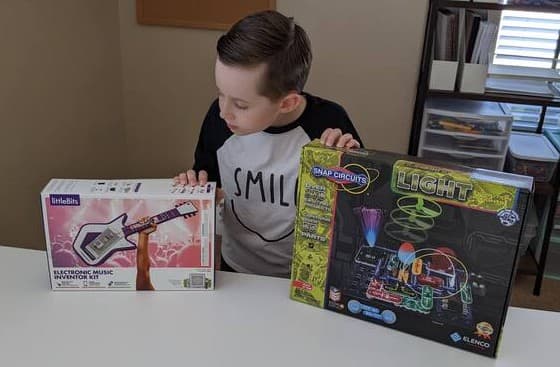
13. littleBits Electronic Music Inventor Kit
Category: Audio Technology & Creative Engineering
Overview: Combining modular electronics with musical creativity, this kit allows children to build and customize their own electronic guitar-like instruments.
Key Features: Users snap together individual electronic blocks to manipulate sound waves, connecting their creations to a free app to program unique audio effects and collaborative jam sessions.
14. Kid K’NEX Build-A-Bunch Construction Set
Category: Toddler Engineering & Fine Motor Skills
Overview: Traditional K’NEX sets can feature small parts unsuitable for younger children, but the Kid K’NEX line utilizes chunky, soft, colorful plastic pieces specifically engineered for toddlers.
Key Features: With 66 pieces designed for stacking and connecting, young children can build animals, vehicles, and abstract structures, developing an early foundation for spatial engineering without safety hazards.
15. Ravensburger GraviTrax XXL Marble Run Starter Set
Category: Modular Physics & Architectural Design
Overview: GraviTrax reinvents the classic marble run through an innovative hexagonal grid system and completely screen-free modular architecture.
Key Features: The XXL starter set includes an extensive collection of tracks, curves, and action tiles. It challenges children to master momentum, gravity, and magnetic propulsion to create complex, functional racing courses.
Official Statements and Industry Insights
Retail analysts and educational toy manufacturers have emphasized that the early rollout of holiday deals is a permanent structural change rather than a temporary anomaly.
"The acceleration of holiday promotions into mid-November represents a mature adaptation to consumer demand for digital convenience," notes retail logistics expert Marcus Vance. "When parents shop early for educational toys, they are not just hunting for discounts; they are investing time to select items that align with their children’s cognitive development. Retailers who accommodate this shift with robust online fulfillment are capturing the lion’s share of the seasonal market."
Furthermore, toy manufacturers highlight the psychological value of educational play during high-stress economic periods. Educational psychologists point out that toys combining tactile creation with digital logic—such as programmable robots and complex circuit kits—provide children with a sense of agency, resilience, and curiosity that standard entertainment media cannot replicate.
Future Outlook: What to Expect in Holiday Retail
As the retail sector continues to refine its seasonal strategies, consumers can expect the following trends to define future holiday shopping cycles:
Further Compression of the Shopping Window: The traditional Black Friday weekend will likely continue to evolve into a month-long "Holiday Preview" phase, with peak discounting events occurring earlier in November to alleviate supply chain congestion.
Augmented Reality (AR) Integration: E-commerce platforms are increasingly incorporating AR features, allowing parents and children to visualize complex STEM toys—such as robotic arms and architectural marble runs—in a virtual room setting before purchasing.
Sustainable and Durable Design: Consumer demand is shifting heavily toward durable, upgradeable educational kits that reduce plastic waste and offer modular expansion over several years, ensuring that holiday investments yield long-term educational value.
By leveraging early-bird promotions and focusing on high-utility educational gifts, holiday shoppers can secure top-tier STEM toys while avoiding the logistical headaches of late-season retail congestion.