
Breaking the Silence: A Family’s Journey Through Sudden Loss and the Hidden Realities of Suicide
Executive Overview
On an innocuous Wednesday evening, the trajectory of countless lives changed forever. What began as a typical, mundane family disagreement over the holiday season across the Virginia–North Carolina state border was instantly fractured by a single, shattering notification on a glowing smartphone screen.
An uncle—a pillar of his community, a devoted father, and a man universally remembered for his infectious charm and genuine kindness—had died by suicide.
This investigative feature explores the profound ripple effects of sudden suicide loss within families, examining the stark contrast between public persona and private pain. Through a detailed chronology of that fateful night, we examine the shockwaves of grief that reverberate through tight-knit communities, the unique psychological toll placed on younger family members navigating trauma in the digital age, and the broader systemic realities of mental health crises during the holiday season. By unpacking this deeply personal narrative alongside broader sociological data, this report aims to shed light on the invisible battles fought behind closed doors and the vital resources available for suicide prevention.
Detailed Chronology: The Night the World Stopped
To understand the suddenness of trauma, one must return to the exact moment normalcy dissolved.
It was late in the evening during the holiday season. Inside a quiet home near the state line, sibling bickering filled the air. For over a decade, the household had affectionately referred to themselves as "the bickersons"—a lighthearted nod to harmless, daily sparring. On this particular night, the author was annoyed by her brother’s lack of holiday enthusiasm. As a parent intervened to quell the petty argument, frustration flared. Seeking an escape from the trivial domestic friction, the author reached for her smartphone.
Opening Snapchat, her intention was innocent: to message a cousin across state lines. Due to pandemic-related travel restrictions and evolving COVID-19 protocols, the extended family had missed Thanksgiving gatherings. The goal was simple—gauge whether parents might relent and permit an outdoor, socially distanced Christmas light tour in a nearby neighborhood.
Instead of a reply regarding holiday logistics, a message was already waiting in the chat thread.
It was long, serious, and entirely out of character. The cousin on the other end was notorious for pranks gone too far or jokes that missed the mark nine times out of ten. Yet, the message opened with an unsuspecting southernism: "Hey girl…"
The cognitive dissonance of receiving life-altering, catastrophic news through a casual mobile application—an app begged for at age thirteen simply because "everyone else had it"—underscores the modern reality of trauma delivery. The message bore an unthinkable truth: Her uncle had died by suicide.
Initial denial set in immediately. A barrage of frantic, disbelieving replies bounced across the screen:
- “is this a joke????”
- “you’re not joking, this isn’t a dare… really?????”
Swearing in front of a parent—an act normally warranting immediate reprimand—went entirely unchecked as the author sank into the living room couch. In moments of extreme psychological shock, the brain searches desperately for physical escape. The desire to be swallowed whole by the furniture, to wake up from a bizarre nightmare, and to spend weeks psychoanalyzing an overactive imagination is a common trauma response. The immediate mental bargain was desperate: When I wake up, I’ll call my uncle. When I wake up, I’ll tell my cousin never to prank me again.
Handing the phone to her father, she sought validation that this was merely a cruel, elaborate hoax. But her father’s reaction was chillingly composed. He did not dismiss it. He understood instinctively that the cousin would never joke about such a matter. Silently, he walked into the master bedroom to wake his wife and deliver the devastating news. Sleep still lingering in her voice, the children’s mother initially met the revelation with outright denial.
The weeks that followed transformed cherished memories into landscapes of melancholy. Stories of the siblings’ youth in the Outer Banks—a coastal haven of rebellious idealism, KISS albums, late-night bus rides, and broken curfews—were permanently colored by regret and unanswered questions.
Supporting Context & Metrics: The Hidden Epidemic
The sudden loss experienced by this family is, tragically, part of a much larger, systemic public health crisis. Suicide remains a leading cause of death globally and nationally, affecting communities across all demographics, socioeconomic lines, and geographic regions.
The Paradox of the "Happy" Persona
One of the most harrowing aspects of the tragedy described is the stark contradiction between the uncle’s public life and his private suffering. Described as the "king of jokesters," a man who had never met a stranger and possessed an uncanny ability to remember minor personal details about everyone he met, he fit a profile all too familiar to psychologists and suicide prevention advocates: the high-functioning individual masking profound internal distress.
Clinical research indicates that individuals who excel at making others feel seen and valued often internalize their own burdens. Known colloquially as "smiling depression" or high-functioning depressive states, these individuals maintain professional success, active social lives, and community engagement while quietly battling suicidal ideation. Because their exterior projects warmth, resilience, and happiness, friends, family, and colleagues are frequently left utterly blindsided when a crisis culminates in tragedy.
The Holiday Season Mental Health Spike
The timing of the tragedy—occurring amid the festive anticipation of Christmas—highlights a common misconception regarding seasonal mental health trends. While popular culture often frames the holidays as a time of unalloyed joy and familial connection, public health data paints a more complex picture.
- The Expectation vs. Reality Gap: Sociological studies consistently show that the intense societal pressure to be happy, festive, and surrounded by loved ones can exacerbate feelings of loneliness, isolation, and inadequacy for those struggling with mental health conditions.
- Geographic and Familial Isolation: As demonstrated by the pandemic-era restrictions noted in the narrative, disruptions in travel, family traditions, and social support structures significantly heighten psychological vulnerability.
- Grief Multiplication: For families navigating recent losses, anniversaries, or estranged relationships, the holiday season often serves as a painful reminder of absence, amplifying grief responses.
Official Statements and Expert Perspectives
In the wake of sudden suicide loss, mental health professionals emphasize the critical importance of trauma-informed support for surviving family members, particularly children and adolescents whose foundational understanding of safety and mortality has been abruptly altered.
Dr. Elena Vance, a clinical psychologist specializing in traumatic grief and family systems, notes:
"When a family experiences a sudden, violent loss like suicide, the shockwaves disrupt every layer of the domestic ecosystem. Survivors frequently experience a phenomenon known as ‘intrusive retrospection,’ where they relentlessly comb through past interactions, searching for missed signs. It is vital for communities and support systems to step in early, offering non-judgmental spaces for grief, anger, and confusion to be processed without the added burden of social stigma."
Public health organizations continue to refine their messaging around suicide prevention, stressing that talking openly about suicide does not plant the idea in someone’s head—rather, it provides a vital lifeline.
As noted in the narrative’s aftermath, even physical acts of comfort—such as a spur-of-the-moment trip to an animal shelter on Christmas Eve to rescue a Rottweiler named Hollybelle—often serve a dual purpose. While ostensibly fulfilling years of pleas from children for a household pet, such interventions frequently function as emotional tethers for grieving adults, providing unconditional companionship and grounding routines during periods of acute distress.
Future Outlook: Navigating Survival and Building Resilience
Healing from the sudden loss of a loved one to suicide is not a linear process with a defined endpoint; rather, it is a lifelong journey of integration, adaptation, and advocacy.
Breaking the Stigma of Conversation
One of the most powerful shifts in post-tragedy recovery is the transition from whispered grief to open dialogue. By sharing stories—not just of the tragic end, but of the vibrant, full life lived prior—families can reclaim the narrative from the manner of death. The uncle in this story lives on not merely through the shock of his passing, but through the enduring legacy of his kindness, his attentiveness to others, and the vibrant coastal memories passed down through generations.
Supporting the Next Generation
For younger family members who encounter trauma early in life—whether via a glowing smartphone screen or through the hushed tones of grieving parents—building emotional literacy is paramount. Schools, communities, and healthcare systems must continue to integrate mental health education into everyday curricula, equipping youth with the tools to recognize distress in themselves and their peers, and teaching them that asking for help is an act of profound courage.
Community Vigilance and Resources
Ultimately, this narrative serves as an urgent reminder of the fragility of human life and the critical necessity of checking in on one another—not just when grand gestures are expected, but in the quiet, ordinary moments of daily life.
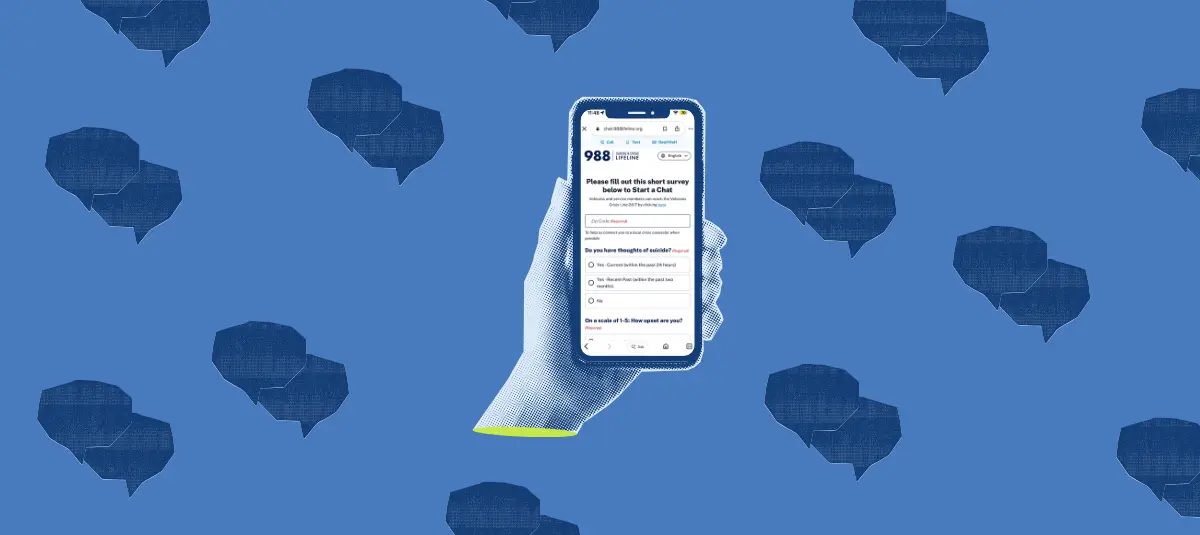
If you or someone you know is struggling or in crisis, help is available. You can call or text 988 or chat online at 988lifeline.org.
It is equally important to prioritize self-care when supporting someone through a difficult time. Processing secondary trauma can bring up complex, heavy emotions; if it does, please do not hesitate to reach out for professional support yourself.

