In the modern educational landscape, instructional coaching and administrative leadership are widely recognized as critical levers for improving classroom practice. Yet, anyone who has ever stepped into the role of a school leader or instructional coach knows the profound friction that often occurs when attempting to introduce a new curriculum, pedagogical framework, or operational strategy. The standard institutional narrative frequently frames this friction as "teacher resistance"—a stubborn unwillingness to change, a defensive entrenchment in outdated habits, or an institutional inertia that slows down systemic progress.
However, a groundbreaking paradigm shift is challenging this simplistic diagnosis. In her ninth and latest book, How to Coach Resistance: Turning Pushback Into Possibility, renowned educator, author, and instructional coach Elena Aguilar argues that resistance is rarely a localized character flaw belonging solely to the teacher. Instead, Aguilar posits that resistance is a dynamic, relational phenomenon co-created by both parties in the interaction. When coaches or administrators respond to hesitation with defensive pressure, they unwittingly exacerbate the very pushback they are trying to dismantle.
This article explores Aguilar’s transformative insights—gleaned from decades of fieldwork, adult learning theory, and her recent interview on the Cult of Pedagogy podcast. By dissecting the hidden emotional currents beneath pushback, mapping out precise frameworks for professional growth, and recognizing the validity of "righteous resistance," this piece provides an investigative look at how educational leaders can rewrite the script on teacher coaching, moving from compliance-driven enforcement to genuine collaborative partnership.
Detailed Chronology: The Evolution of Professional Coaching and the Discovery of Relational Resistance
To understand why Aguilar’s work marks a critical turning point in educational leadership, it is helpful to trace how the conceptualization of professional coaching has evolved over the past several decades.
Phase One: The Compliance and Deficit Era (Late 20th Century)
Historically, classroom observation and teacher evaluation models were built on top-down, compliance-driven frameworks. When an administrator or "master teacher" entered a classroom, their primary role was evaluative or prescriptive. If a teacher struggled to implement a new initiative, the underlying assumption was rooted in a strict deficit model: the teacher lacked either the skill or the motivation to succeed. Feedback sessions frequently resembled corrective lectures, where the coach dictated solutions and expected immediate compliance. Unsurprisingly, this approach generated high levels of anxiety, defensiveness, and quiet resignation among educators.
Phase Two: The Rise of Instructional Coaching (Early 2000s)
As educational research began to emphasize the importance of professional learning communities (PLCs) and job-embedded professional development, the role of the instructional coach emerged as a distinct professional identity. Coaches were positioned not as evaluators, but as non-evaluative thought partners designed to support teacher growth. While this model significantly improved psychological safety, coaches still routinely encountered "resistance." Professional literature during this period focused heavily on behavior-management strategies for coaches—how to handle difficult personalities, how to overcome objections, and how to gently persuade hesitant educators to adopt evidence-based practices.
Phase Three: The Relational and Emotional Turn (Present Day)
Aguilar’s How to Coach Resistance represents the maturation of this field into a sophisticated, emotionally literate discipline. Rather than viewing resistance as a stubborn barrier to be overcome, Aguilar’s framework treats pushback as valuable data. It reframes resistance as a symptom of a relational dynamic—an emotional tug-of-war where both the teacher and the coach are operating out of fear, stress, or systemic pressure. By shifting the locus of control from the teacher’s "stubbornness" to the coach’s methodology, this modern era of coaching empowers leaders to alter the entire trajectory of professional friction by fundamentally changing their own behavior.
Supporting Context & Metrics: Unpacking the Dynamics of Pushback
To operationalize Aguilar’s philosophy, educational leaders must examine the invisible mechanics that drive professional friction. According to Aguilar, resistance is rarely about the surface-level issue—be it a new math curriculum, a digital grading system, or a revised behavioral policy. Instead, it is fueled by a complex interplay of emotional, cognitive, and systemic factors.
The Physics of Pushback: Dropping the Hand
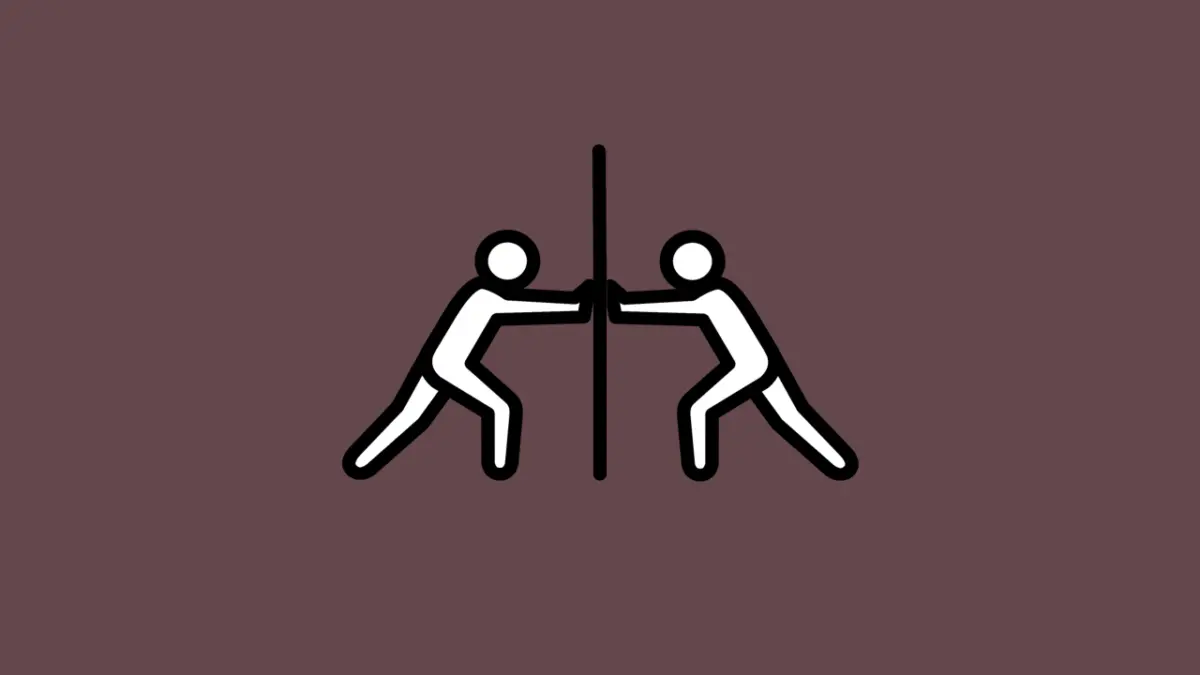
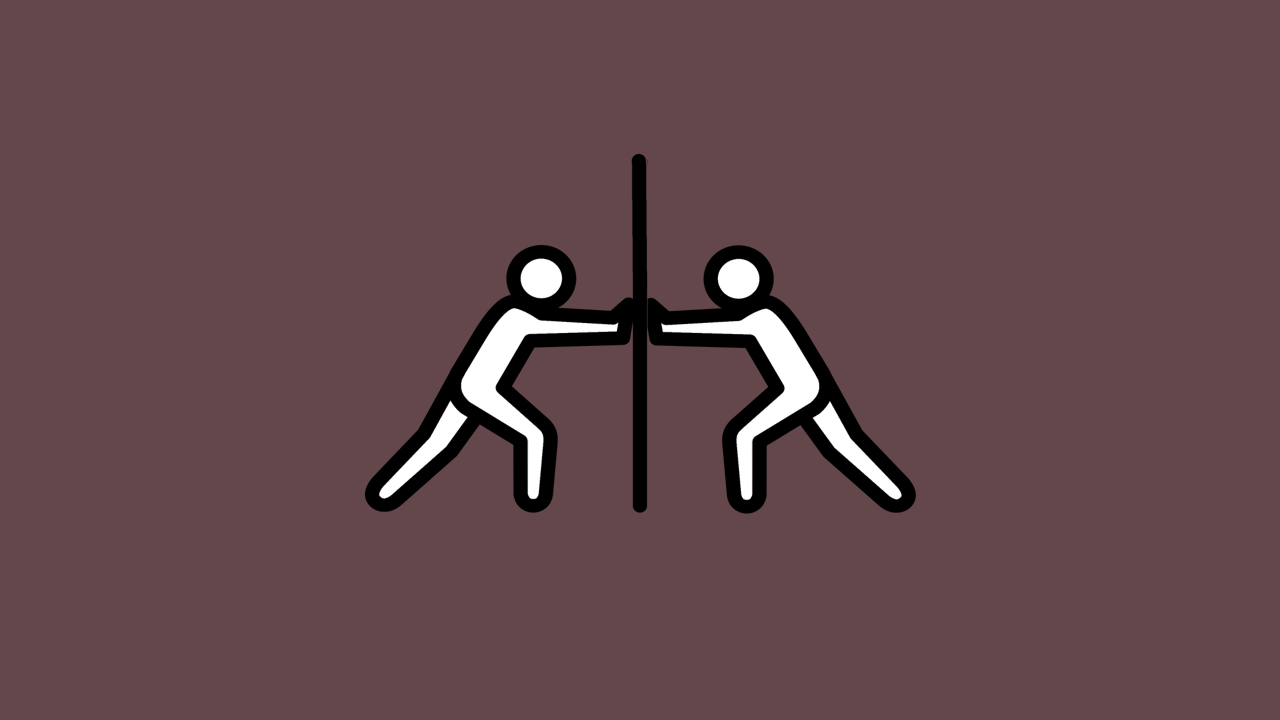
Aguilar employs a vivid physical metaphor to describe the coaching dynamic: two people pushing against each other with outstretched hands.
The Teacher’s Hand: Pushes back out of anxiety, fear of inadequacy, or a genuine belief that the mandate will harm students.
The Coach’s Hand: Pushes forward out of anxiety, fear of failure, or pressure from district administration to show immediate fidelity metrics.
The harder the coach pushes for compliance, the more rigid the teacher’s defense becomes. The breakthrough occurs when the coach consciously decides to "drop their hand." Dropping the hand does not mean abandoning high standards or agreeing with a flawed premise; rather, it means stepping back from adversarial pressure, replacing argumentation with radical curiosity, and opening a genuine dialogue.
The ACE Framework: A Structured Approach to Emotion
When a coach drops their hand and begins to investigate what lies beneath the surface, they almost always encounter intense emotional states. To help leaders navigate this, Aguilar developed the ACE framework: Acknowledge emotions, Cultivate compassion, and Expand the story.
Acknowledge Emotions: Coaches do not need clinical degrees to validate a teacher’s emotional reality. By simply pausing to name underlying affective states—such as nervousness, distress, overwhelm, or shame—coaches communicate profound acceptance. Using tools like Aguilar’s Core Emotions inventory allows educators to pinpoint precise feelings rather than defaulting to generic frustration.
Cultivate Compassion: Burnout and self-judgment often plague struggling classrooms. When teachers harbor harsh internal critics, they struggle to embrace new methodologies. Aguilar suggests prompting teachers to ask themselves: "What would you say to a best friend going through this exact scenario?" This simple cognitive shift unlocks self-compassion, which in turn fosters empathy toward students and administrators. Crucially, Aguilar notes that coaches cannot successfully invite others into compassion if they have not cultivated self-compassion for their own exhausting professional realities.
Expand the Story: Every educator carries deeply ingrained beliefs about their students, their capabilities, and their working environment. Unpacking these narratives allows teachers to recognize the limiting stories they are telling themselves and consciously choose to expand their perspective.
Navigating the Gaps Framework
Beyond emotional hurdles, instructional gaps frequently masquerade as attitudinal resistance. Aguilar’s Gaps Framework categorizes professional stumbling blocks into six distinct areas:
Skill
Knowledge
Capacity
Will
Emotional Intelligence
Cultural Competence
Administrators and instructional coaches frequently commit the critical error of misattributing a knowledge or capacity gap to a will gap—assuming a teacher simply "doesn’t want to do it." For instance, a veteran secondary math teacher who aggressively objects to a literacy-heavy curriculum is often labeled as resistant. However, a deeper inquiry frequently reveals that the teacher was never formally trained in reading instruction. Once the knowledge gap is identified and addressed through targeted professional development, the "resistance" vanishes.
Official Statements and Expert Insights
Reflecting on the core principles of her methodology, Elena Aguilar emphasizes that reframing resistance is ultimately an act of profound professional optimism.
"This is not to blame you," Aguilar writes, addressing instructional coaches and leaders directly. "It is the most hopeful thing I can tell you, because it means resistance is not fixed. It is determined at least in part by what you bring into the room, and what you bring is something you can change."
This perspective radically alters the accountability loop within school systems. Instead of viewing professional development as a mechanism to fix flawed teachers, leadership is reframed as a collaborative ecosystem where administrators and coaches actively reflect on their communicative posture.
Furthermore, Aguilar challenges the assumption that all resistance is inherently counterproductive. In professional environments marked by top-down mandates that may ignore developmental realities—such as requiring young children to sit passively through extended instructional blocks—pushback can be an indicator of professional integrity.
"There are times when resistance is righteous, and there needs to be resistance," Aguilar notes. "Resistance in and of itself is not a bad thing."
When teachers raise ethical or developmentally sound objections, effective leaders must create safe avenues for dissent, exploring options for pushback, identifying institutional boundaries, and advocating collectively for student well-being.
Future Outlook: Transforming School Culture Through Relational Coaching
As educational systems continue to navigate high rates of educator burnout, shifting curricular demands, and complex policy landscapes, the traditional playbooks for teacher supervision are proving increasingly obsolete. The future of educational leadership belongs to organizations capable of shifting from punitive compliance models to relational, trust-based coaching cultures.
Moving forward, school districts that integrate frameworks like Aguilar’s ACE model and Gaps Framework are likely to see tangible benefits:
Increased Retention: Teachers who feel emotionally validated, listened to, and supported rather than policed are significantly less likely to leave the profession.
Accelerated Pedagogical Growth: When coaching conversations pivot from adversarial debates over compliance to shared inquiries into skill and knowledge gaps, professional development becomes genuinely transformative.
Higher Psychological Safety: Cultivating curiosity over judgment creates a healthy organizational culture where mistakes are treated as data points for learning rather than infractions leading to reprimand.
Ultimately, the core message for instructional coaches, principals, and educational leaders is as simple as it is challenging: drop the hand of forced compliance, lean into radical curiosity, and partner with teachers to turn pushback into possibility. When educators trust that their coaching partners are there to listen, validate, and collaborate rather than judge and direct, the entire school community opens up to unprecedented levels of growth and innovation.