
Executive Overview
The holiday shopping season has officially undergone a structural evolution. No longer confined to the chaotic, predawn brick-and-mortar stampedes of the past, the modern holiday retail calendar begins significantly earlier—often kicking off by mid-November—with an overwhelming emphasis on online-only channels. For parents, educators, and gift-givers hunting for educational and developmental items, this shift brings both opportunity and strategy. Retailers are deploying deep, highly anticipated discounts on Science, Technology, Engineering, and Math (STEM) toys earlier than ever before to bypass supply chain bottlenecks and capture the surging demand for home-based learning tools.
STEM toys have rapidly transitioned from niche educational novelties to mainstream holiday wishlist staples. Combining cognitive challenge with tactile engagement, these products bridge the gap between entertainment and academic enrichment. As digital-first purchasing continues to dominate the consumer landscape, major brands and e-commerce giants are rolling out aggressive promotions for programmable robots, chemistry lab kits, logic puzzles, and complex circuit sets.
This comprehensive guide breaks down the macroeconomic shift toward early online retail sales, analyzes the changing landscape of educational play, and provides an authoritative curation of the top 15 STEM toys and learning kits to watch during this year’s Black Friday and Cyber Monday shopping windows.
Detailed Chronology: The Shift to Mid-November Online Retail
The traditional narrative of Black Friday—a single day of frenzied, in-person retail consumption immediately following Thanksgiving—has been systematically dismantled over the past half-decade. The catalyst for this transformation was a combination of shifting consumer habits, logistical realities, and the accelerated pivot toward e-commerce.
Phase 1: The October Kickoff and Early Bird Promotions
In response to inventory forecasting challenges and consumer demand for spread-out holiday budgeting, major online retailers began introducing "holiday preview" sales as early as October. By the time November arrives, the traditional boundaries between Black Friday, Cyber Monday, and the broader holiday season have completely dissolved. Retailers recognize that modern consumers prefer to research, compare prices, and purchase educational toys well in advance of the December holidays to ensure timely delivery and avoid stress.
Phase 2: The Mid-November E-Commerce Pivot
By mid-November, the retail strategy shifts decisively toward online-only fulfillment. Because physical storefronts often face inventory limitations, staffing constraints, and localized crowding, retailers now allocate the vast majority of their deepest promotional discounts to their digital platforms. For high-demand educational categories like robotics and science kits, this means that the absolute best pricing of the season frequently appears weeks before Thanksgiving, rather than on Black Friday itself.
Phase 3: The Extended Cyber Week
The shopping cycle no longer concludes on Cyber Monday. Instead, it serves as the culmination of a continuous, month-long promotional window. For STEM toy shoppers, this extended timeline requires a proactive approach: waiting until late November to purchase popular coding robots or specialized chemistry sets risks encountering out-of-stock notices or delayed shipping windows.
Supporting Context & Metrics: The Rise of Educational Play
The explosive growth of the STEM toy market is not accidental; it is driven by a broader cultural and educational recognition of the skills required for the modern workforce. According to market research analysts, the global educational toy market has experienced exponential expansion, fueled by parental demand for toys that offer measurable cognitive benefits.
Why STEM Toys Matter in Modern Development
Modern pedagogy emphasizes experiential learning—the concept that children learn best by doing, failing, iterating, and succeeding through hands-on experimentation. Unlike passive entertainment, high-quality STEM toys encourage:
- Computational Thinking: Breaking down complex problems into manageable, sequential steps (found in coding toys and logic puzzles).
- Resilience and Iteration: Encouraging trial-and-error when a robot fails to follow a path or a chemical reaction doesn’t behave as expected.
- Spatial Reasoning: Developing mental manipulation of shapes and structures through advanced construction and marble run sets.
- Inclusivity: Expanding academic horizons by introducing girls and underrepresented demographics to rewarding technical career paths early in life.
Top 15 STEM Toys and Learning Kits to Watch
To help navigate the vast array of discounts available this Black Friday and Cyber Monday, we have curated the top 15 STEM toys and learning kits. Each selection has been evaluated for educational value, build quality, and engagement potential.
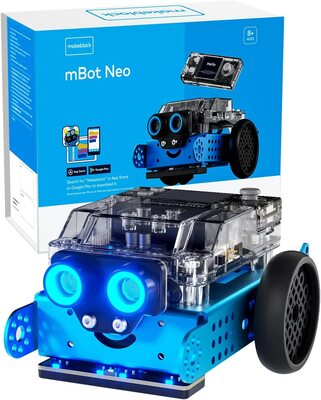
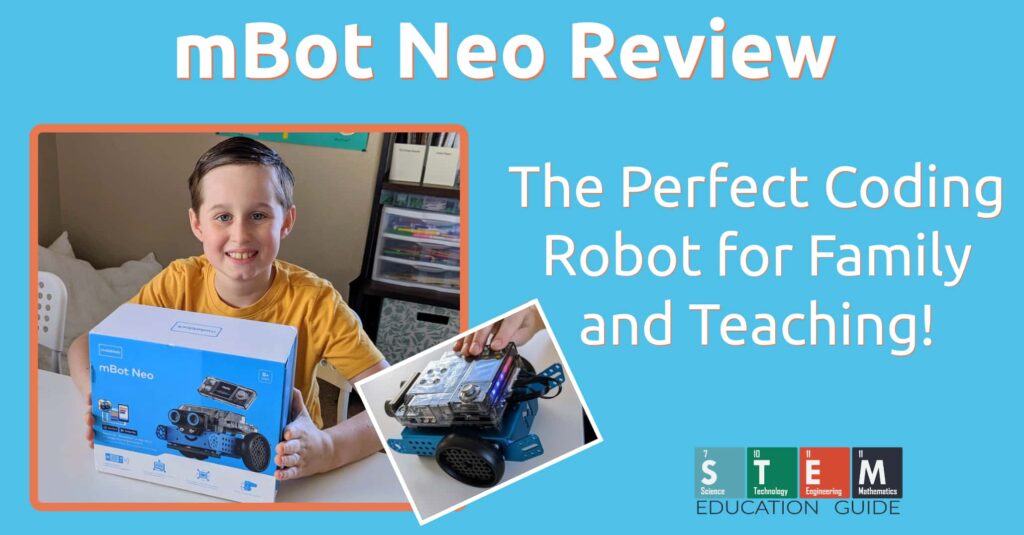
1. mBot Neo
- Category: DIY Coding Robot & Robotics
- Target Audience: Kids interested in robotics and programming
- Overview: Built from durable aluminum and thick plastics, the mBot Neo is a robust introduction to robotics. Children assemble the robot themselves and then use a companion app to learn programming languages. The bot can be coded to move, dance, light up, and sing. For children who are still warming up to coding, the kit includes pre-programmed activities accessible via a standard controller. It stands out as a premier entry point into mechanical assembly and software logic.
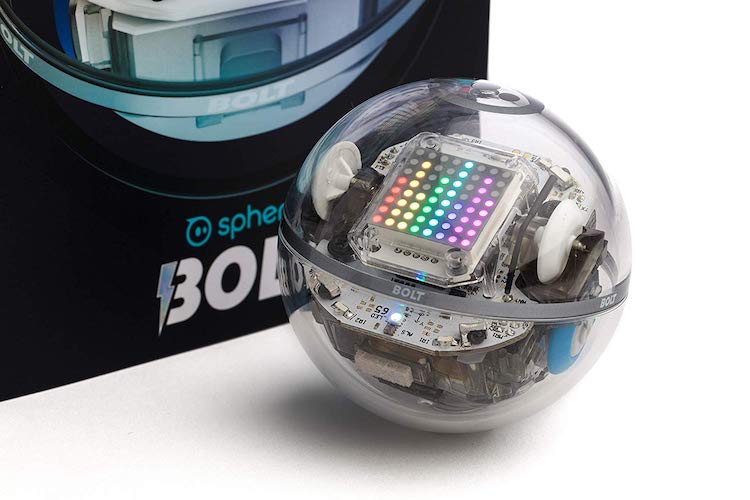
2. Sphero BOLT
- Category: Programmable Robotic Spheres
- Target Audience: Coders of varying skill levels
- Overview: The Sphero BOLT is a shock-proof, waterproof, and highly durable robotic ball designed to withstand rigorous play. Users write code on their devices, and the BOLT executes those commands precisely. With an endless array of beginner and advanced classroom and home activities available, it provides a scalable learning curve that grows alongside the child’s programming capabilities.
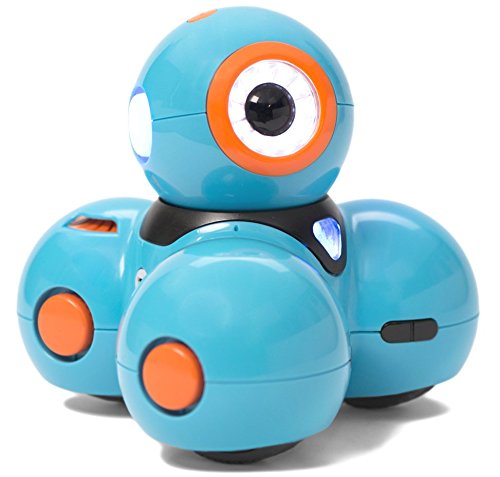
3. Wonder Workshop Dash
- Category: Interactive Character Robotics
- Target Audience: Ages 6 and up
- Overview: Dash is a fast, responsive, and visually appealing robot designed to make coding accessible to young learners. In-app challenges guide children through progressive programming sequences without requiring prior coding experience from parents. Dash features an integrated microphone for voice playback and interactive capabilities that allow multiple Dash units to communicate with one another. Look for special bundles, such as the STEAM Creativity Bundle, during holiday sales.
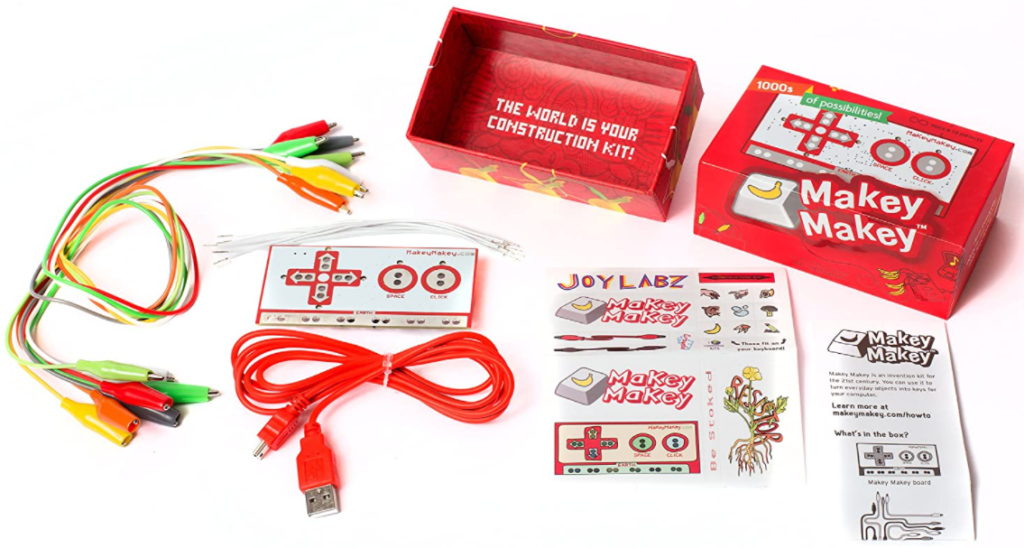
4. Makey Makey
- Category: Invention & Circuitry Kits
- Target Audience: Hands-on technology learners
- Overview: Makey Makey turns everyday objects—such as bananas, Play-Doh, or aluminum foil—into computer keys. Using an innovative circuit board, alligator clips, and a USB cable, children learn the fundamentals of conductivity and circuit design while inventing their own custom video game controllers and musical instruments. Its simplicity and open-ended creative potential make it a standout educational gift.
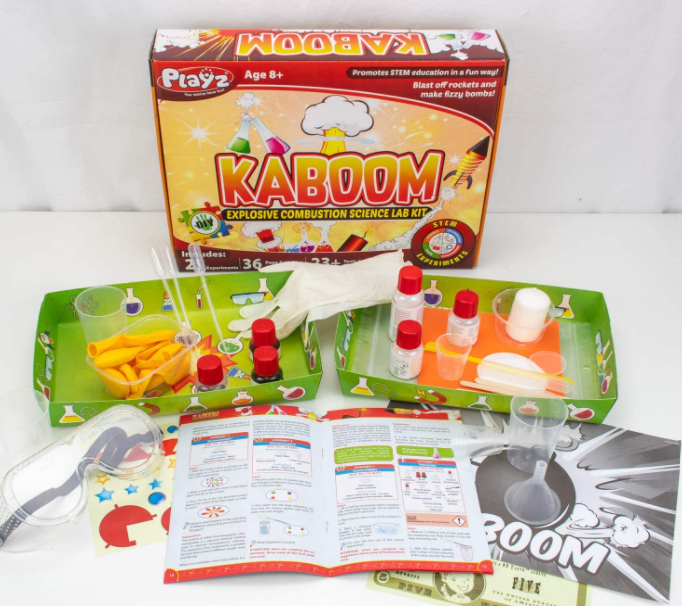
5. Kaboom Explosive Science Lab Kit
- Category: Chemistry & Combustion Science
- Target Audience: Energetic young scientists
- Overview: Moving away from dry textbooks, this kit features over 25 explosive and combustion-based experiments designed to teach chemical reactions safely. Whether launching an outdoor rocket or building a fireproof balloon, children learn the underlying scientific principles behind energy transformations. Parents appreciate that the kit clearly explains the "why" behind each experiment, transforming chaotic energy into structured learning.
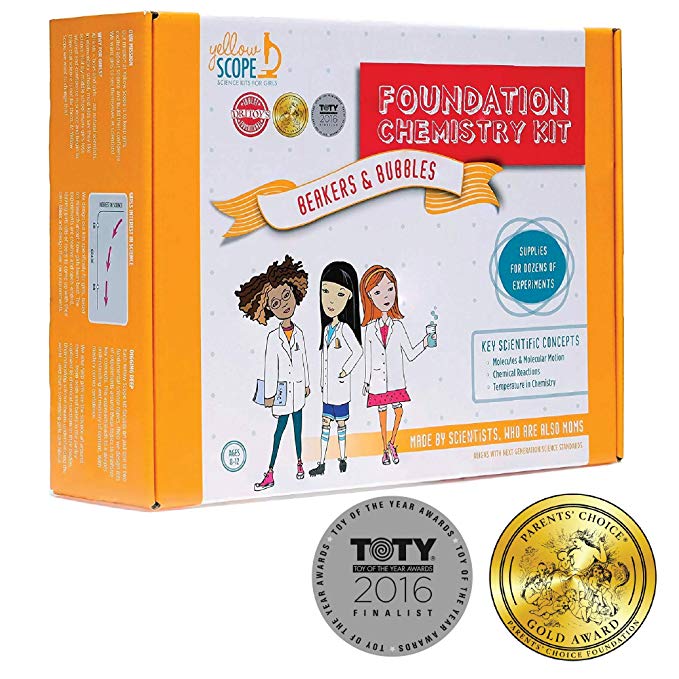
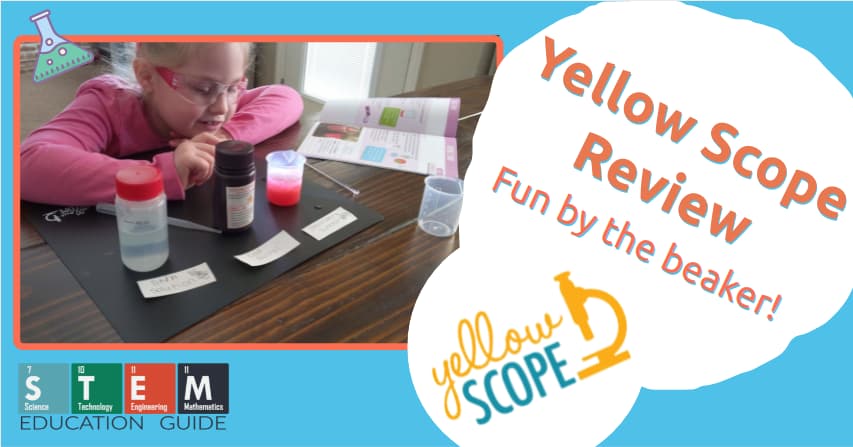
6. YELLOW SCOPE Foundation Chemistry Kit
- Category: Specialized Chemistry (Beakers & Bubbles)
- Target Audience: Young scientists, with a strong focus on inspiring girls in STEM
- Overview: Developed by female scientists, Yellow Scope kits challenge traditional market norms by offering rigorous, high-quality chemistry sets designed to spark interest in STEM careers—including cosmetic science. Children explore the chemical reactions behind everyday beauty and body products through hands-on experimentation, making scientific inquiry relatable and exciting.
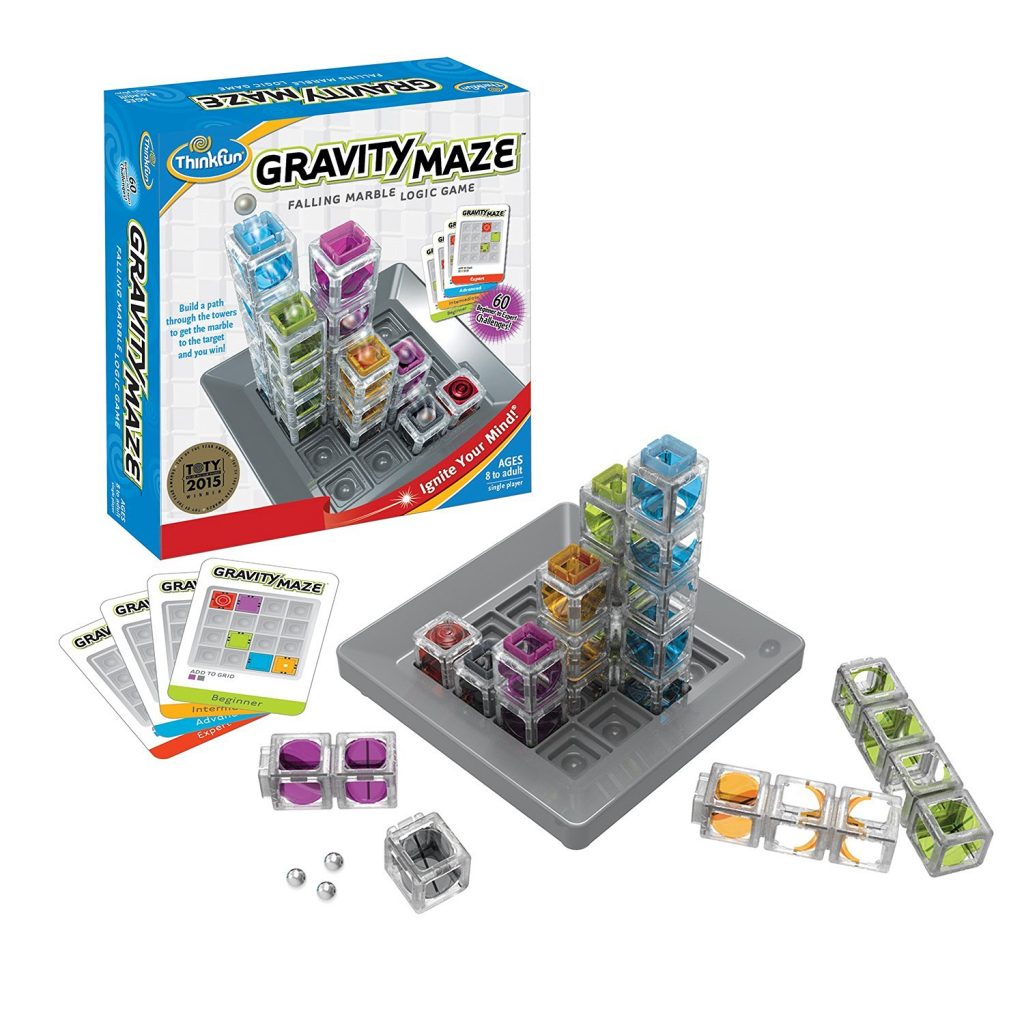
7. ThinkFun Gravity Maze Marble Run
- Category: Logic Games & Spatial Reasoning
- Target Audience: Ages 8 and up
- Overview: Combining a traditional marble run with a sophisticated logic game, Gravity Maze challenges players to use challenge cards to route a marble successfully from start to finish through translucent towers. With numerous possible configurations, it develops critical spatial reasoning and planning skills, ensuring high replay value.
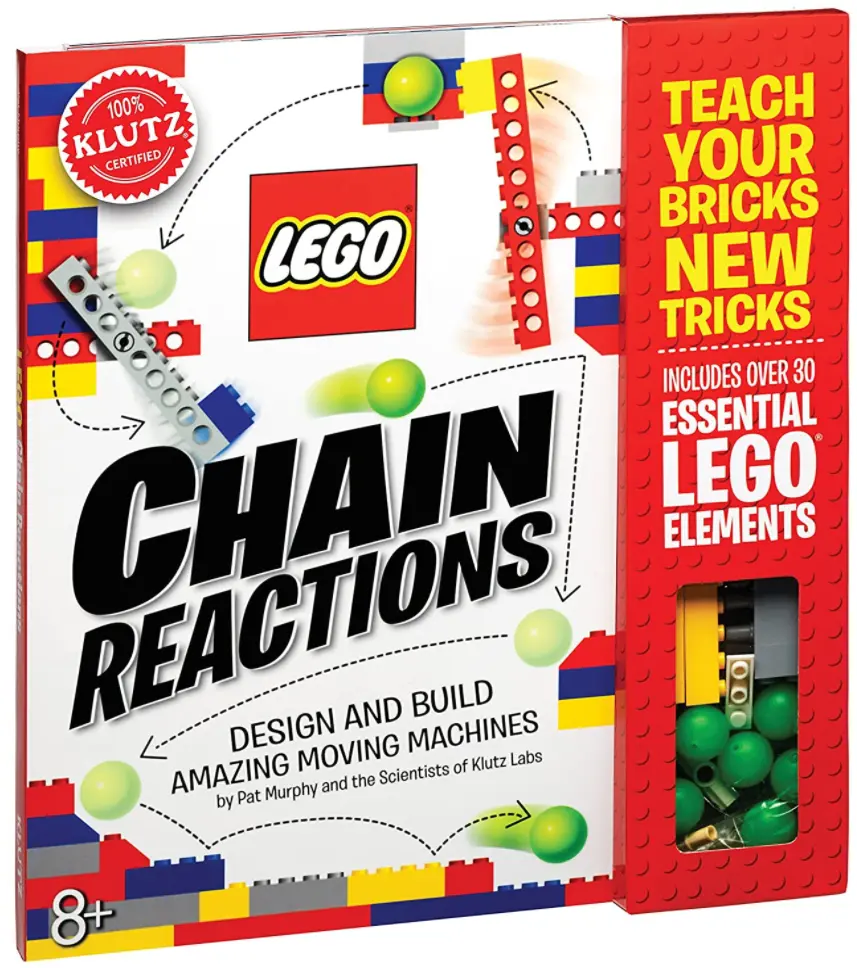
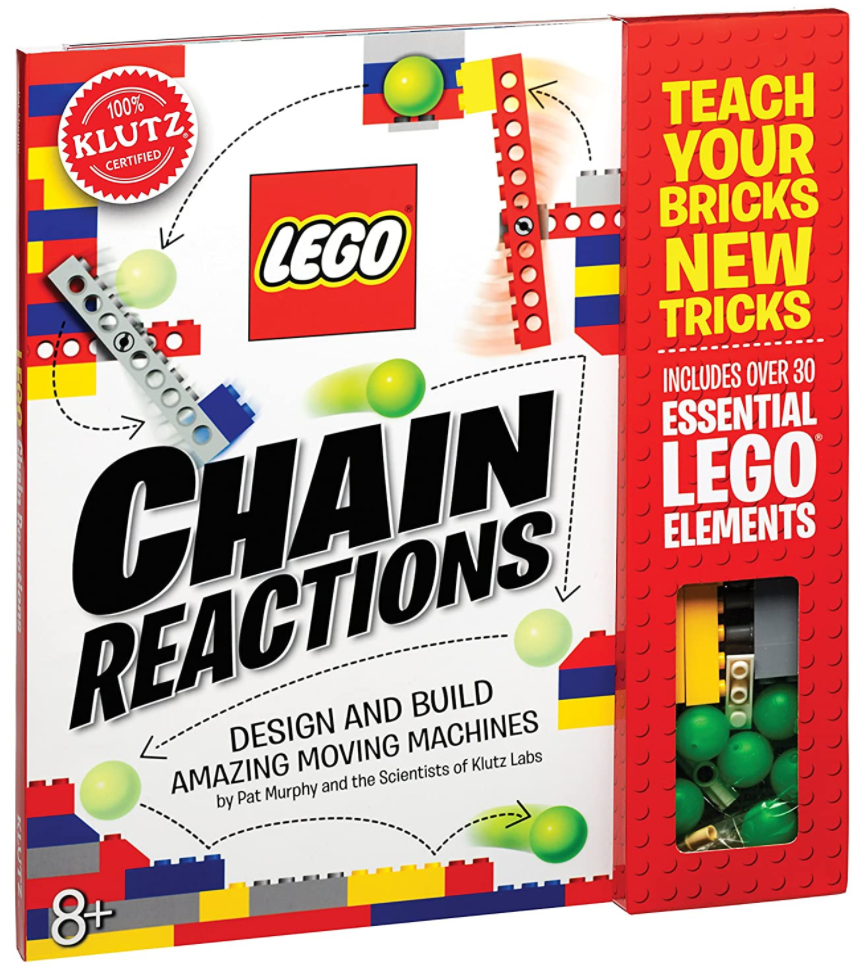
8. LEGO Chain Reactions
- Category: Engineering & Physics Contraptions
- Target Audience: Budding structural engineers
- Overview: This Klutz-published LEGO science kit empowers children to build working chain-reaction machines. By constructing ramps, swings, and pivots, children witness firsthand how mechanical force translates into movement. It fosters confidence in independent creation and encourages further experimentation using household objects.
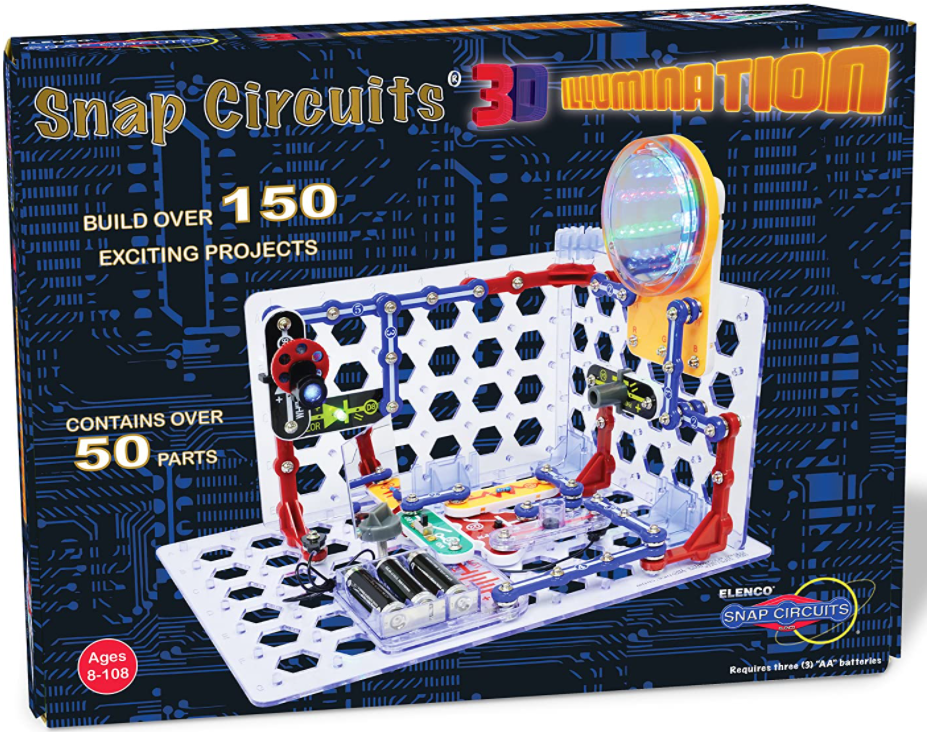
9. Snap Circuits 3D Illumination Electronics Exploration Kit
- Category: Circuitry & Electrical Engineering
- Target Audience: Electronics enthusiasts
- Overview: Snap Circuits provides a secure, intuitive method for learning the fundamentals of electrical currents. The 3D Illumination kit adds glowing, multi-dimensional elements to traditional circuit building, allowing kids to construct illuminated structures while mastering technical schematics.
10. Elenco Teach Tech Hydraulic Kit (HydroBot Arm)
- Category: Renewable Energy & Mechanics
- Target Audience: Tinkers and mechanical explorers
- Overview: Featuring a 270-degree arm rotation and water-powered hydraulic plungers, the HydroBot Arm introduces children to fluid mechanics and renewable energy concepts. As kids assemble the mechanical arm, they learn how pressure and fluid transfer can be harnessed to lift, grip, and manipulate objects.
11. Botley The Coding Robot Activity Set
- Category: Screen-Free Coding
- Target Audience: Early childhood learners
- Overview: Botley is an ideal solution for parents seeking screen-free coding education. Using a dedicated remote programmer, children transmit commands directly to the robot to navigate mazes, loop actions, and execute obstacle courses, building foundational algorithmic thinking without relying on tablets or computers.
12. Elenco TEACH TECH Mech-5 Robot Kit
- Category: Programmable Mechanical Robotics
- Target Audience: Advanced young engineers
- Overview: The Mech-5 is a mechanical coding robot that does not require batteries or microcontrollers. Instead, children program its movements by snapping coding pieces directly onto a mechanical coding wheel, instructing the robot to kick, throw, draw, lift, and spin. It offers a tangible, gear-driven introduction to logic and programming.
13. littleBits Electronic Music Inventor Kit
- Category: Creative Technology & Sound Engineering
- Target Audience: Creative makers and musicians
- Overview: Combining electronic circuitry with musical performance, this kit allows children to build a custom electric guitar and program its sound profiles using a companion app. It emphasizes collaborative tinkering, making it an excellent group activity for home or classroom settings.
14. Kid K’NEX Construction Set
- Category: Early Engineering & Motor Skills
- Target Audience: Toddlers and young builders
- Overview: Designed specifically for younger hands, Kid K’NEX features chunky, soft, colorful plastic pieces that eliminate safety hazards while introducing stacking and connection mechanics. Children can build animals, vehicles, and abstract structures, laying the early groundwork for spatial awareness and engineering design.
15. Ravensburger GraviTrax XXL Marble Run
- Category: Modular Physics & Gravity Systems
- Target Audience: Builders and puzzle solvers
- Overview: Operating entirely without electronics, the GraviTrax system uses a unique hexagonal grid layout to challenge users to design complex marble runs governed by gravity, magnetism, and kinetics. Its modular nature encourages endless design iterations and deep spatial planning.
Official Industry Insights & Expert Recommendations
Educational technology and retail analysts emphasize that purchasing STEM toys during the early holiday window requires looking beyond immediate discounts. Industry experts advise consumers to consider the following criteria when selecting holiday gifts:
- Scalability: Look for toys that feature companion apps with tiered challenges or modular expansion packs (such as Sphero or GraviTrax) so the toy remains engaging as the child grows older.
- Parental Support Requirements: Evaluate whether a toy requires active adult participation or if it is designed for independent or screen-free exploration (like Botley or Makey Makey).
- Durability and Materials: Robotics and science kits should feature robust construction materials (such as reinforced plastics and aluminum alloys) to withstand the rigors of frequent trial-and-error experimentation.
Future Outlook: The Evolution of Educational Retail
Looking ahead, the intersection of technology and play will only deepen. Industry projections indicate that future STEM toys will increasingly incorporate augmented reality (AR), artificial intelligence guidance systems, and even greener, bio-based manufacturing materials.
As online-only early promotions become the permanent baseline for holiday shopping, consumers who plan ahead will continue to secure the best pricing on tools that shape the next generation of scientists, engineers, and critical thinkers. By keeping a close eye on the top-tier robotics, circuitry, and chemistry kits outlined above during the mid-November sales surge, shoppers can maximize both their holiday savings and their children’s educational development.

