
Executive Overview
As the winter season settles in, bringing with it a whirlwind of shifting daily routines, extended periods of indoor confinement, and the high-energy anticipation of holiday breaks, educators, parents, and youth development specialists face a familiar challenge. Children and adolescents often struggle significantly with emotional and behavioral balance during these months. Self-regulation—the cornerstone cognitive and emotional capacity that allows individuals to manage their thoughts, direct their feelings, and steer their behaviors—is frequently tested during this tumultuous period.
Far from being a static trait, self-regulation is a dynamic skill set that requires intentional cultivation. When routines fracture and environmental stressors mount, young minds require explicit, structured support to maintain equilibrium. Fortunately, emotional well-being and executive functioning do not need to be taught through dry, clinical exercises. By embedding self-regulation practices into engaging, seasonally relevant activities, adults can transform winter hurdles into powerful developmental milestones.
This comprehensive guide explores the neurological mechanisms underlying self-regulation, examines the specific seasonal vulnerabilities faced by youth, and details 11 evidence-based, highly engaging strategies designed to foster focus, calm, and resilience all winter long.
Detailed Chronology: Understanding the Winter Disruption Cycle
To effectively support children and teenagers through the winter months, educators and caregivers must first understand the timeline of behavioral disruption that typically occurs between late autumn and early spring.
Phase 1: The Pre-Holiday Build-Up (Late November to Mid-December)
As the calendar flips toward December, schools and households experience a palpable shift in energy. Academic schedules are often interrupted by pageants, parties, and early dismissals. Children’s nervous systems register this disruption long before adults explicitly acknowledge it. During this phase, impulsivity rises, attention spans wane, and sensory overload becomes common. The anticipation of holidays triggers dopamine spikes that make transitions particularly arduous.
Phase 2: The Break Transition (Mid-December to Early January)
The abrupt halt of the structured school day introduces a different set of challenges. While breaks are meant for rest, the sudden removal of predictability can lead to dysregulation, boredom, and behavioral regression. Children lose the external scaffolds that help them regulate their actions throughout the day, often resulting in heightened emotional reactivity upon returning to academic settings in January.
Phase 3: The Deep Winter Stretch (January through February)
Post-holiday return brings a long, cold stretch characterized by reduced exposure to natural sunlight, limited outdoor physical activity, and sustained confinement within climate-controlled indoor environments. This period frequently yields lethargy, mood dips, and a generalized erosion of classroom focus. Interventions deployed during this window are crucial for resetting student stamina and stabilizing classroom environments.
Supporting Context & Metrics: The Science of Self-Regulation
Self-regulation is governed by the prefrontal cortex—the area of the brain responsible for executive functions such as working memory, cognitive flexibility, and inhibitory control. However, the prefrontal cortex continues developing well into early adulthood. Consequently, children and teens rely heavily on co-regulation (the supportive presence of an adult) to help them calm down and regain focus.
Research in educational psychology and neuroscience underscores the urgency of targeted winter interventions:
- The Stress of Routine Shift: Studies indicate that sudden changes in daily structure can increase cortisol levels in children by up to 30%, directly impacting their capacity for emotional control.
- The Nature Deficit: Clinical data consistently demonstrate that lack of outdoor exposure during winter months correlates with a 25% increase in reported attention fatigue and anxiety symptoms among school-aged youth.
- The Efficacy of Mindful Interventions: Longitudinal tracking of students who engage in brief, daily mindfulness and sensory-grounding exercises reveals measurable improvements in frustration tolerance, task persistence, and peer-to-peer conflict resolution.
Official Statements and Expert Perspectives
Child development experts and educators emphasize that addressing self-regulation is not merely an academic luxury, but a foundational requirement for holistic youth development.
"Self-regulation is the engine of learning and social connection. When kids hit the winter season, their internal systems are working overtime to process changes in light, temperature, and schedule. Expecting them to maintain absolute focus without providing explicit emotional toolkits is a recipe for burnout—for both the child and the adult."
— Dr. Elena Vance, Child and Adolescent Behavioral Psychologist
Pediatric occupational therapists further note that sensory integration plays a vital role during these months.
"Indoor confinement starves the vestibular and proprioceptive systems of the heavy work and expansive movement they crave. When we intentionally integrate tactile, auditory, and breath-based activities into the daily routine, we provide the brain with the exact inputs it needs to self-correct and settle."
— Marcus Sterling, Pediatric Occupational Therapist
11 Engaging Winter Self-Regulation Activities for Kids and Teens
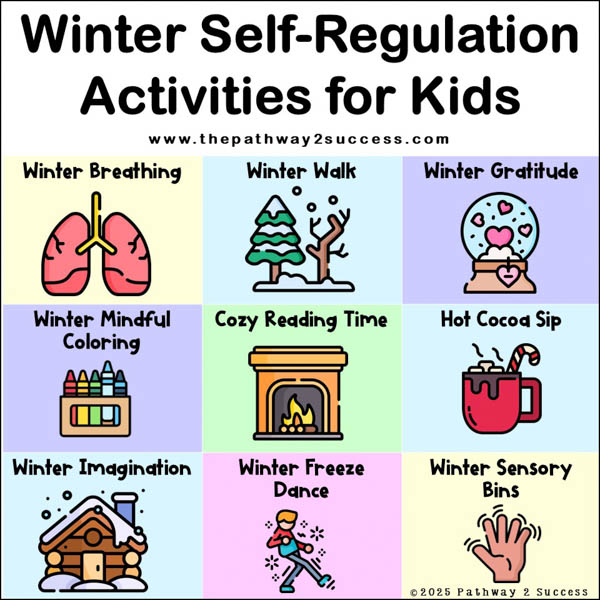
To bridge the gap between neurological theory and practical application, adults can utilize the following 11 structured, engaging activities tailored for the winter season.

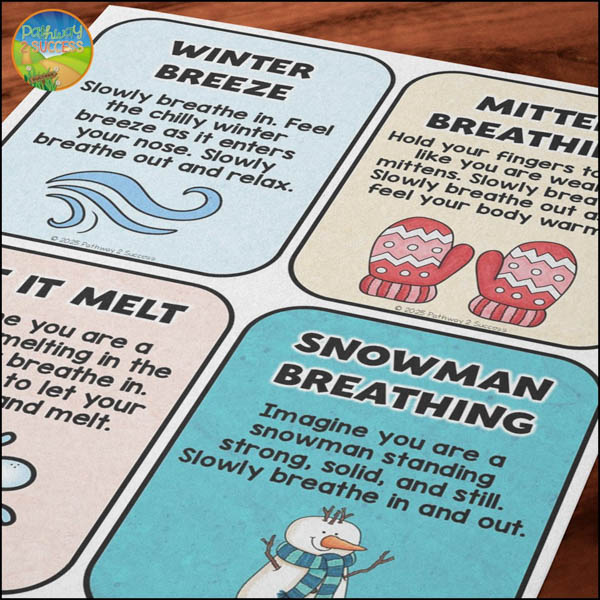
1. Winter Mindful Breathing Exercises
- What it is: Deep breathing practices styled with winter themes to help ground the body and mind.
- How to implement it: Introduce mindful breathing as an internal "pause button." Instead of reacting impulsively to frustration, teach children to take slow, deliberate breaths. Pair this with winter visual anchors—such as imagining smelling a hot cup of cocoa (inhale slowly through the nose) and blowing gently to cool it down (exhale slowly through the mouth).
- Why it works: Intentional deep breathing stimulates the vagus nerve, immediately activating the parasympathetic nervous system. This physiological shift lowers heart rate, reduces blood pressure, and promotes cognitive clarity.
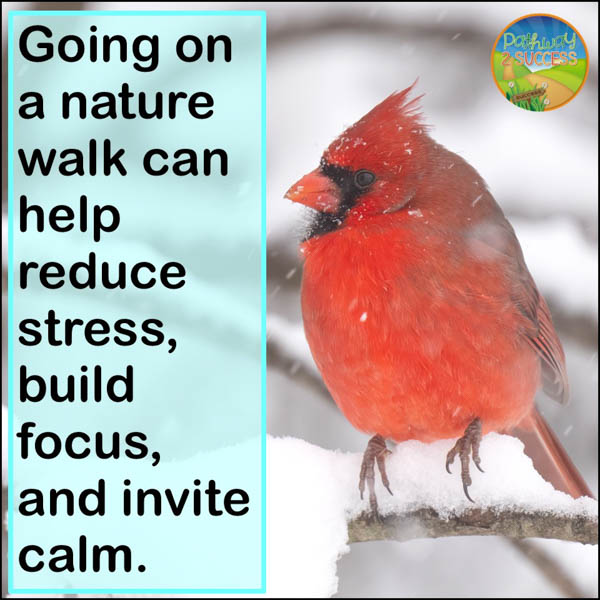
2. Outdoor Nature and Sensory Walks
- What it is: Guided outdoor explorations focused on heightening sensory awareness in the cold air.
- How to implement it: Bundle up and establish clear boundaries before heading outside. As you walk, prompt youth to engage all five senses: What does the frosty breeze feel like on their cheeks? What sounds do footsteps make on frozen grass or snow? Conclude the walk with a brief journaling or sharing circle.
- Why it works: Nature immersion has been proven to lower cortisol levels and restore directed attention capacity. Sensory noticing forces the brain out of ruminative thought loops and anchors it firmly in the present moment.
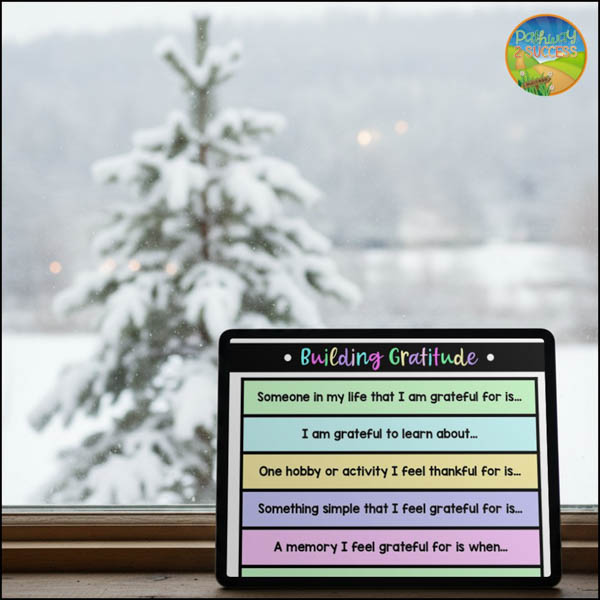
3. Season-Specific Gratitude Reflections
- What it is: Intentional exercises designed to redirect cognitive focus toward positive aspects of the winter season.
- How to implement it: Initiate group discussions or journaling sessions using targeted gratitude prompts. Move beyond generic answers by encouraging specific reflections—such as the feeling of sunlight streaming through a frosted window or the comfort of a warm sweater.
- Why it works: Gratitude practices actively rewire neural pathways, strengthening the brain’s reticular activating system to notice positive stimuli rather than defaulting to stress or fatigue.
4. Mindful Winter Coloring with Positive Affirmations
- What it is: Creative coloring activities utilizing intricate winter designs paired with positive self-talk phrases.
- How to implement it: Provide access to varied coloring tools and winter-themed templates. Instruct participants that the objective is not artistic perfection, but rhythmic repetition, breath synchronization, and mental relaxation.
- Why it works: Coloring requires bilateral hand coordination and sustained visual-motor focus, offering an active meditative state that effectively reduces anxiety for youth who struggle with traditional seated stillness.
5. Cozy Reading and Co-Regulation Sessions
- What it is: Immersive reading sessions designed to foster calm, stillness, and relational bonding.
- How to implement it: Create an inviting atmosphere—perhaps projecting a virtual crackling fireplace on a screen—and engage in independent reading or shared read-alouds.
- Why it works: Reading provides an escape route from daily stressors while easing muscle tension. Shared reading (read-alouds) further promotes co-regulation, allowing younger minds to synchronize their emotional rhythms with a calm adult voice.
6. Winter-Themed Sensory Bins
- What it is: Tactile exploration containers filled with materials that mimic winter textures.
- How to implement it: Fill large plastic tubs with items such as white beans, cotton balls, artificial snow, silver pipe cleaners, and smooth glass beads. Allow children time to sift, scoop, and explore the textures freely.
- Why it works: Tactile play satisfies deep sensory needs, helping to organize the central nervous system and providing a grounding outlet for restless energy.
7. The Mindful Hot Cocoa Ritual
- What it is: A sensory-rich eating and drinking exercise focused on mindful consumption.
- How to implement it: Serve warm hot cocoa and guide participants to experience it slowly. Instruct them to notice the weight of the mug, feel the rising heat on their palms, inhale the rich aroma, and take tiny, deliberate sips, pausing between each one.
- Why it works: Mindful eating engages all five senses simultaneously, anchoring wandering thoughts and sending immediate relaxation signals to the central nervous system via internal warmth.
8. Guided Winter Scene Visualization
- What it is: Mental imagery exercises where youth visualize serene, snowy landscapes.
- How to implement it: Invite participants to close their eyes and listen to a descriptive narrative guiding them through a peaceful winter forest, a quiet cabin in the mountains, or a gently falling snowfall, prompting them to imagine the sights, sounds, and temperatures of the scene.
- Why it works: Visualization exercises train the brain to utilize internal imagery as a self-soothing mechanism, empowering youth to recreate states of calm independently whenever they feel overwhelmed.
9. Structured Winter Crafting
- What it is: Creative, hands-on art projects that require following multi-step instructions.
- How to implement it: Offer materials for crafting paper snowflakes, yarn snowmen, or nature collages. Allow room for creative expression while encouraging patience when steps become challenging.
- Why it works: Crafting engages fine motor control and demands sustained attention. It teaches frustration tolerance, as participants must navigate minor mistakes and problem-solve through creative roadblocks.
10. Ambient Winter Music Listening
- What it is: Integrating gentle, instrumental seasonal music into daily transitions and work periods.
- How to implement it: Play soft acoustic guitar, piano, or classical winter-themed arrangements as background audio during independent work, clean-up times, or transitions.
- Why it works: Auditory pacing influences heart rate and brainwave activity. Calming music helps lower physiological arousal states, creating a structured acoustic environment conducive to focus.
11. The Winter Freeze Dance
- What it is: A high-energy movement game that challenges children to practice rapid impulse control.
- How to implement it: Play upbeat music and let students dance freely. Instruct them to instantly "freeze" in place whenever they hear a designated winter vocabulary word (such as blizzard, icicle, or penguin).
- Why it works: Freeze dance directly targets inhibitory control—the exact executive function required to stop an impulsive action and regain self-command under stimulating conditions.
Future Outlook
As educational institutions and family units continue to recognize the inextricable link between emotional regulation and overall well-being, the integration of targeted self-regulation strategies will remain paramount. Moving forward, experts anticipate a wider adoption of social-emotional learning (SEL) frameworks that seamlessly blend into seasonal curricula. By treating self-regulation not as a disciplinary checkbox, but as an essential, teachable life skill, adults can equip the next generation with the resilience needed to weather any season—literal or emotional—that comes their way.

