
Executive Overview
Every few months, a new archetypal trend sweeps across social media, offering a neat, highly marketable label for the chaotic lived experience of contemporary parenting. From the ideologically charged "tradwife" and the restrictive "almond mom" to the now-outdated iterations of the "crunchy mom" (a category that has reportedly fractured into 527 distinct sub-niches), the internet thrives on categorizing maternal behavior. The latest entrant into this digital lexicon is "The High-Effort Mom"—a term that has rapidly polarized parents across platforms like Instagram and TikTok.
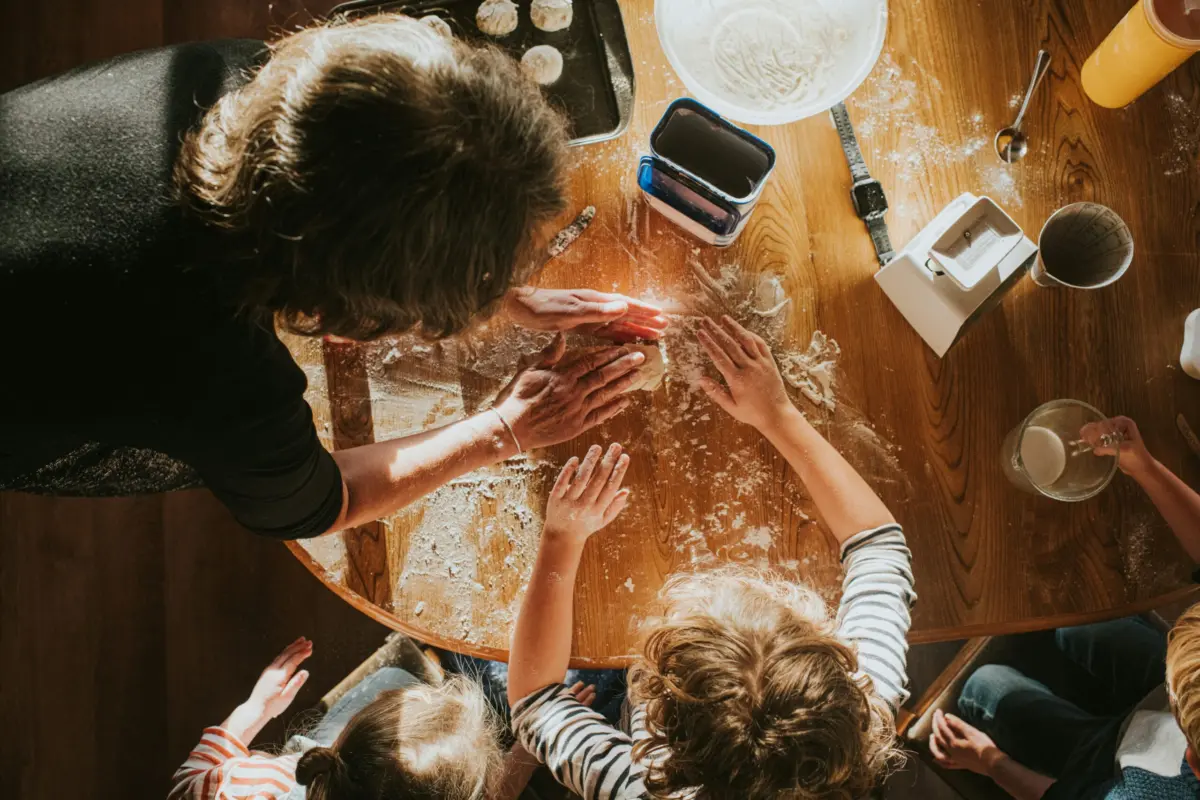
At first glance, the moniker appears redundant. Parenting is, by its very definition, a high-effort endeavor. Yet, social media algorithms and content creators have weaponized the term to celebrate hyper-visible, highly aestheticized domestic labor: color-coordinated bento boxes, elaborate holiday backdrops, and meticulously curated family itineraries. In doing so, this digital trend obscures the invisible, exhausting labor that truly drains modern mothers—ranging from neurodivergence support and medical advocacy to systemic economic pressures.
This investigative report examines the origins, cultural implications, and psychological toll of the "high-effort mom" phenomenon. By analyzing expert commentary, firsthand accounts from parents, and the broader socioeconomic frameworks dictating modern motherhood, this article deconstructs how visible performance has eclipsed meaningful intention, setting an unsustainable standard that commodifies parental guilt.
Detailed Chronology: The Evolution of Digital Mom Archetypes
To understand the rise of the "high-effort mom," one must examine how the internet has systematically commodified motherhood over the past decade. The evolution of online parenting trends reveals a steady shift from community-led support groups to monetized aesthetic performance.
- The Rise of the "Crunchy" and "Attachment" Movements (Early 2010s): Initially born on message boards and early blogging networks, these labels described holistic, natural-leaning approaches to birth, nutrition, and child-rearing. While occasionally dogmatic, these early movements were largely focused on ideological choices rather than visual monetization.
- The Instagram Boom and the "Pinterest Parent" (Mid-2010s): As visual platforms gained dominance, motherhood became deeply aestheticized. The "Pinterest mom" emerged, setting a precedent for hand-crafted birthday parties and elaborate nursery designs. Effort began to be measured in physical, photographable deliverables.
- The Hyper-Niche Micro-Labels (2020–2023): The COVID-19 pandemic locked families indoors, fueling an explosion of screen time and parenting content. Subcategories multiplied exponentially. Terms like "almond mom" (characterized by restrictive diet culture) and "tradwife" (romanticizing traditional gender roles) gained traction, often sparking intense socio-political debate.
- The "High-Effort Mom" Phenomenon (Present Day): The current era has institutionalized the monetization of exhaustion. The "high-effort mom" trend packages everyday parenting tasks into high-production-value video content. Complete with affiliate marketing links for sandwich cutters and bento boxes, this archetype equates elaborate physical output with superior maternal devotion, creating a runaway train of online validation and commercial enterprise.
Supporting Context & Metrics: The Anatomy of Visible vs. Invisible Labor
The core pathology of the "high-effort mom" trend lies in its fundamental misrepresentation of labor. Social media algorithms inherently favor content that is visually arresting, dynamic, and easily digestible within seconds. Consequently, the internet celebrates the effort you can document while entirely erasing the invisible labor that drains mothers day in and day out.
The Metrics of Content vs. Reality
Consider the disparity between what is rewarded online and what actually consumes a parent’s bandwidth:
- Documentable Effort (The Content): Star-shaped sandwiches, handmade goody bags for an entire classroom, 1,000-hour outdoor trackers, and themed first-day-of-school chalkboards. These tasks require time and resources, but they are fundamentally elective aesthetic choices.
- Invisible Effort (The Reality): Navigating Individualized Education Programs (IEPs) within broken school systems, cold-calling fifteen therapy practices to secure mental health support for a neurodivergent child, fighting health insurance denials for essential medications, managing household mental loads, and battling maternal burnout.
Pittsburgh-based journalist and educator Meg St-Esprit notes the jarring disconnect between these two worlds. While some parents genuinely possess the bandwidth and natural inclination for crafting and curated experiences, framing these activities as the benchmark for "good" mothering alienates the vast majority.
Furthermore, neurodivergence plays a profound role in how effort is expended. Shannon Brescher Shea, a Maryland-based mother, highlights that her classification as a "high-effort mom" stems entirely from survival, not aesthetics.
"I think I’m definitely a high-effort mom, but that’s driven by a combination of my kids’ neurodivergence—which includes executive function support, advocacy, and a lot of anxiety—and my own and my husband’s neurodivergence," Shea explains. "This comes with anxiety, plus just having to work harder to get ‘normal’ stuff done."
For families navigating developmental delays, chronic illnesses, or financial precarity, expending double the energy simply to reach a baseline level of functioning leaves zero capacity for balloon arches or artisanal school lunches. Yet, the aesthetic trend frames these families as falling short.
Official Statements and Expert Perspectives
To fully grasp the systemic mechanics driving these internet trends, industry experts and mental health advocates point toward deep-seated cultural expectations placed upon women.
Laura Danger, an internet culture expert, domestic equity advocate, and author of No More Mediocre, views the "high-effort mom" label as a symptom of a much larger, exploitative economic and social system.
"The concept of the ‘high-effort mom’ reinforces the status quo and shames people into working beyond their limits, then selling products and services as solutions," Danger states. "It reflects a cultural mentality that equates how hard someone works with the quality of their life, a myth of meritocracy."
Danger emphasizes that this cultural framework creates a perpetual deficit. When society equates overextension with moral goodness, mothers are trapped in a cycle of constant exhaustion.
"Mothers are already expected to carry the world on their shoulders, and the ‘high-effort mom’ label suggests anything less than total commitment is inadequate," she adds. "There’s no evidence that pushing yourself to the limit makes you a better person or that more effort in parenthood translates into a well-adjusted child."
This sentiment resonates deeply with parents on the ground. Vee Vargas, a mother from Beaver County, Pennsylvania, draws direct parallels between contemporary mom culture and the toxic beauty standards of past decades.
"Mom social media is hard for me," Vargas admits. "It reminds me of all of the aspirational body stuff from the ’90s, this constant comparison of ‘Am I performing motherhood to the adults around me properly?’ instead of asking, ‘What does my child need? How can I meet that with the resources I have?’"
Catherine Smith, a mother from New Jersey, echoes this exhaustion, noting the stark contrast between manufactured expectations and authentic childhood desires.
"Parenting is hard enough with all the actually hard things," Smith says. "The number of times I have stressed myself out planning an amazing family day, only to be reminded that my kid would be perfectly happy to go to a playground with me and get a $2 icee from Wawa on the way home."
Future Outlook: Moving from High Effort to High Intention
As digital literacy evolves and parent communities increasingly push back against performative online archetypes, the cultural conversation is shifting. The future of modern parenting discourse relies on dismantling the false equivalence between visible exertion and maternal worth.
The antidote to the "high-effort mom" trap is not apathy, but discernment. Healthy boundaries, intentional resource allocation, and self-compassion yield far better psychological outcomes for both parents and children than running at a permanent full-tilt sprint.
Moving forward, redefining success in parenting requires several key cultural shifts:
- De-commodify Care: Recognizing that algorithms are designed to monetize insecurity, parents must actively detach their self-worth from digital validation, affiliate link density, and aesthetic perfection.
- Broaden the Definition of Effort: Society must validate invisible labor—advocacy, mental health management, and systemic navigation—with the same cultural respect historically reserved for visible domestic performance.
- Embrace Imperfection as the Baseline: Acknowledging that children do not require star-shaped sandwiches to feel loved, secure, and supported. Spontaneous, low-effort moments of connection often hold far greater emotional resonance than meticulously planned productions.
Ultimately, whether a parent spends their afternoon crafting intricate classroom treats, fighting an insurance company for a child’s medical coverage, or simply managing to get everyone dressed and out the door before the school bell rings, the underlying intent remains the same: love. The digital labels assigned by social media algorithms are fleeting; the enduring security of a child knowing their parent has their back is what truly matters.

