
Executive Overview
In the landscape of early childhood education, bridging the gap between auditory sound recognition and visual letter comprehension remains one of the most critical hurdles for developing readers. To address this foundational pedagogical need, literacy specialist and creator Becky has released a new educational toolkit: Beginning Digraph Puzzles. Available as a complimentary instructional resource, this hands-on manipulative set is designed to target two fundamental pillars of early reading success simultaneously: phonemic awareness and phonics.
Phonemic awareness—the ability to isolate, identify, and manipulate individual sounds (phonemes) in spoken words—traditionally operates entirely in the auditory realm. Phonics, by contrast, bridges those sounds to their corresponding written symbols (graphemes). By merging these two disciplines into an interactive, puzzle-based format, the Beginning Digraph Puzzles offer educators and parents a structured mechanism to help young learners master complex letter combinations.
This comprehensive report examines the pedagogical framework behind the new resource, exploring how digraph instruction fits into modern early literacy models, the structural mechanics of the puzzles, the cognitive science supporting tactile learning, and how educators can leverage these free tools to optimize classroom and home-school reading instruction.
Detailed Chronology of the Release and Educational Framework
The rollout of the Beginning Digraph Puzzles follows an increasing demand from elementary educators and homeschooling parents for low-prep, high-engagement materials that align with the Science of Reading.

Phase 1: Identifying the Instructional Gap
For years, reading researchers have noted that children often struggle to transition from single-letter sounds (the alphabet) to consonant digraphs—two letters that come together to make a single, unique phonetic sound (such as the /sh/ in ship or the /ch/ in cheese). Unlike consonant blends (like bl or str, where individual sounds can still be heard distinctly), digraphs create an entirely new acoustic entity. Recognizing that traditional worksheet-based instruction often fails to engage young minds, developers conceptualized a tactile puzzle system to make the abstract concrete.
Phase 2: Curating the Digraph Set
The development phase involved selecting the most common and essential beginning digraphs encountered in early reading curricula. The final compilation featured in the free puzzle pack includes:
- ch (e.g., chalk, cheese)
- sh
- th
- wh
- wr
- kn
- ph
- gn
By incorporating both standard digraphs (ch, sh, th, wh) and more complex or silent-letter variants (wr, kn, ph, gn), the resource accommodates a wide range of reading levels, from kindergarteners taking their first steps in phonics to first and second graders reinforcing advanced spelling patterns.
Phase 3: Launch and Digital Distribution
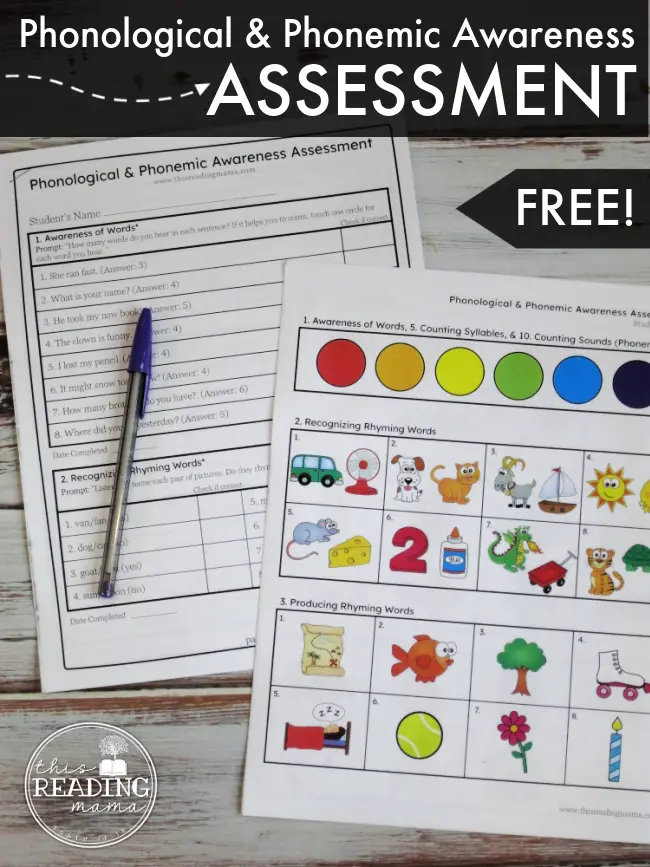
Released via the educational hub This Reading Mama, the resources were made immediately accessible to the public via a direct digital download. Alongside the standalone freebie, the release was tied into broader digital offerings, including The Library—an ad-free repository of exclusive teaching materials—and supplementary tools like the Phonological and Phonemic Awareness Assessment to help educators measure baseline student capabilities before introducing the puzzles.

Supporting Context & Metrics: The Science of Digraph Mastery
To understand the value of the Beginning Digraph Puzzles, one must examine the cognitive metrics governing early literacy acquisition. According to educational research compiled by organizations such as the National Institute of Child Health and Human Development (NICHD), systematic phonics instruction significantly improves reading and spelling performance in kindergarten and first-grade students compared to non-systematic or purely whole-language approaches.
The Phonics vs. Phonemic Awareness Synergy
A common pitfall in early literacy instruction is separating phonemic awareness from phonics for too long.
- Phonemic Awareness teaches a child that the spoken word "chair" begins with the $/ch/$ sound.
- Phonics teaches a child that the $/ch/$ sound is graphically represented by the letters c and h.
The Beginning Digraph Puzzles merge these milestones through a two-step manipulative process:
- Auditory Identification: Students first interact with the picture puzzle pieces. They name the objects aloud and listen intently for the initial sound, exercising pure phonemic awareness.
- Visual Mapping: Once the sound is isolated, students search for the corresponding puzzle piece featuring the grapheme (e.g., ch) and snap it into place, completing the neural bridge between sound and symbol.
Tactile Learning Metrics
Studies in cognitive psychology consistently demonstrate that embodied cognition—learning through physical movement and tactile interaction—enhances memory retention in young children. Handling puzzle pieces engages fine motor skills while simultaneously reinforcing cognitive categorization. When a child physically connects the picture of a whale to the letters wh, spatial and kinetic memory pathways are activated alongside auditory and visual ones, creating a multi-sensory learning loop.

Official Statements and Pedagogical Guidance from the Creator
In releasing the materials, creator Becky emphasized the importance of clarity in foundational instruction, particularly regarding the often-confusing distinction between blends and digraphs.
"You can use these puzzles to practice phonemic awareness—specifically isolating and segmenting individual sounds—as well as phonics. When learners complete the puzzle, they are actively connecting sounds, or phonemes, to letters, or graphemes."
To support educators who may confuse structural classifications, the release is backed by comprehensive instructional content clarifying the boundary between blends and digraphs. While blends (like fl or gr) retain their individual letter sounds when spoken rapidly, digraphs merge to form a singular phoneme. Misunderstanding this distinction can stall a child’s decoding progression, making targeted tools like these puzzles vital for accurate remediation.
Furthermore, the integration of advanced access options—such as The Library—reflects a broader industry shift toward ad-free, distraction-free digital environments for teachers and parents. By stripping away commercial clutter, educators can deploy these assets directly into learning centers or home workstations without cognitive overload.
Future Outlook: The Evolution of Early Reading Toolkits
As educational standards continue to evolve toward rigorous, evidence-based reading instruction, the demand for high-quality, targeted manipulatives is projected to grow. The success of the Beginning Digraph Puzzles points toward several key trends in the future of literacy resources:
- Increased Focus on Multi-Sensory Phonics: Expect to see further development in tools that combine auditory training with physical manipulation, moving away from passive screen time or flat worksheets.
- Seamless Assessment Integration: Resources that bundle diagnostic tools (such as the Phonological and Phonemic Awareness Assessment) with hands-on practice materials will become the gold standard for individualized instruction, allowing educators to target specific gaps in real-time.
- Equitable Access to High-Tier Resources: The popularity of free, high-quality printables underscores the ongoing need for accessible educational equity. By providing professional-grade assets at no cost, independent creators continue to support underfunded classrooms and homeschooling families alike.
Conclusion
The introduction of the Beginning Digraph Puzzles represents a valuable addition to the early literacy toolkit. By seamlessly blending auditory phonemic awareness with visual-spatial phonics practice, these puzzles provide a robust, engaging, and scientifically grounded method for mastering complex letter combinations. Whether utilized in a bustling kindergarten classroom or at a kitchen table during homeschool instruction, resources of this caliber ensure that young readers build the strong, confident foundation necessary for a lifetime of literacy success.

