
Executive Overview
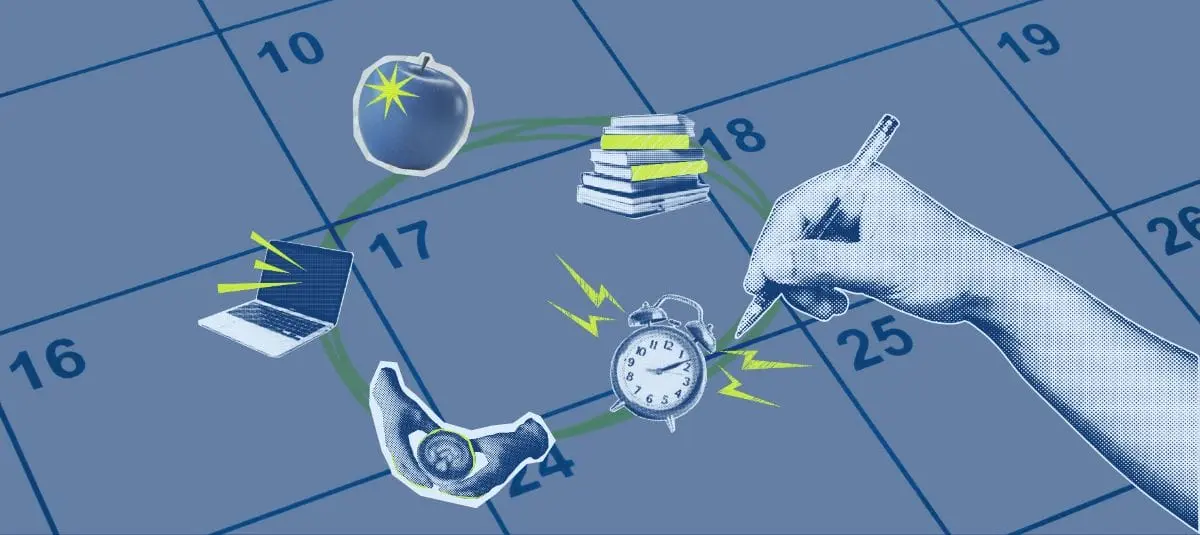
As the crisp autumn air begins to replace the lingering warmth of summer, millions of students across the nation are preparing for the annual back-to-school migration. For many, this seasonal shift brings a familiar mix of anticipation: reconnecting with peers, engaging in extracurricular activities, and diving back into academic life. However, beneath the surface of school dances, football games, and freshly sharpened pencils lies a less-discussed reality: the acute psychological toll of academic pressure, social anxiety, and major lifestyle transitions.
The transition from the unstructured, leisurely days of summer to the rigid, high-stakes environment of classrooms and lecture halls can trigger significant mental health fluctuations. Recognizing these challenges, mental health organizations, youth advocates, and student leaders are mobilizing nationwide. Through structured community frameworks like Active Minds’ A.S.K. program and high-profile legislative pushes like the Campus Lifeline Act, a clear consensus is emerging: supporting student mental health requires proactive peer communities, accessible crisis resources, and meaningful youth representation in policy-making.
Detailed Chronology
Understanding the current landscape of youth mental health requires examining how recent institutional milestones, legislative efforts, and programmatic rollouts have shaped the conversation.
- May 5, 2026 (Advocacy on Capitol Hill): To kick off Mental Health Awareness Month, five young leaders—Ayaan Moledina, Amy Senkerik, Naomi Hines, Michael Landu, and Carson Domey—testified before House representatives and staffers in the Rayburn Building. They advocated for the Campus Lifeline Act, an Active Minds-authored bill designed to mandate the inclusion of the 988 Suicide & Crisis Lifeline on newly issued student ID cards across American campuses.
- July 17, 2025 (Federal Policy Shifts): The federal administration discontinued the dedicated "press 3" LGBTQ+ youth hotline option on the 988 Suicide & Crisis Lifeline after three years of operation. Despite this setback, independent organizations such as The Trevor Project stepped forward to guarantee 24/7 uninterrupted services for vulnerable youth.
- August 25, 2026 (Back-to-School Mental Health Initiative): Active Minds released comprehensive guidance and programmatic frameworks to assist students and educators in identifying early signs of seasonal stress, introducing structured peer-support methodologies as classrooms reopen nationwide.
Supporting Context & Metrics
The psychological pressures associated with the back-to-school season are not merely anecdotal; they are backed by significant behavioral health data. Academic transitions consistently rank among the most stressful life events for children, adolescents, and young adults.

The Psychology of Seasonal Transitions
The abrupt shift from summer routines—characterized by flexible schedules, increased daylight, and social decompression—to early morning alarms, heavy workloads, and social evaluation can overtax an individual’s coping mechanisms. Common symptoms of back-to-school stress include:
- Disrupted sleep patterns and chronic fatigue
- Unexplained physical ailments, such as headaches and stomachaches
- Heightened irritability or withdrawal from social circles
- Academic dread and performance anxiety
The Power of Peer Community
Research consistently demonstrates that robust social connection acts as a primary buffer against stress. When students find themselves embedded in supportive communities, their resilience against anxiety and depression increases markedly. This is why institutional onboarding—ranging from campus club fairs to peer-led advocacy groups—plays an essential role during the first weeks of the semester.
To streamline peer intervention, Active Minds developed the A.S.K. framework, which equips youth with three actionable steps to support peers experiencing distress:
- Acknowledge: Let friends know they are seen and heard. Simple presence, undivided attention, and active listening provide immediate comfort.
- Support: Validate emotional experiences rather than dismissing them. Ask directly what kind of support is most helpful, whether it’s assistance with studying, quiet companionship, or help navigating professional resources.
- Keep-In-Touch: Check in regularly and consistently. Mental health trajectories during major transitions are rarely linear; establishing predictable touchpoints, such as a standing morning coffee or an afternoon text message, reinforces safety and stability.
Official Statements and Youth Leadership
Youth and young adults are increasingly taking the lead in shaping the mental health policies and resources designed to serve them. The May 2026 Congressional briefing highlighted the vital necessity of centering youth voices in legislative decisions.
"You can’t make effective mental health policy for young people without young people… Students are the ones closest to the problem."
— Ayaan Moledina, 17-year-old student advocate and SEAT director
Reflecting on the importance of lowering barriers to help-seeking behavior, undergraduate student Amy Senkerik emphasized the simplicity and effectiveness of institutional integrations:
"They don’t have to google anything, they don’t have to remember where to look, the option is right in front of them. Clear, immediate, and accessible."
Furthermore, organizations like The Trevor Project continue to reinforce their commitment to accessible, specialized care despite shifting federal landscapes. Jaymes Black, CEO of The Trevor Project, shared a direct message for young people navigating systemic changes:

"I want every LGBTQ+ young person to know that you are worthy, you are loved, and you belong… Our crisis counselors are here for you 24/7, just as we always have been, to help you navigate anything you might be feeling right now."
Future Outlook and Ways to Get Involved
As educational institutions adapt to the evolving mental health needs of their student bodies, the path forward relies heavily on grassroots mobilization and institutional accountability.
Expanding Campus Infrastructure
Active Minds currently operates over 500 chapters across the country, serving as hubs for mental health awareness, destigmatization, and peer support. These chapters engage communities through three core avenues: educational programming, advocacy campaigns, and community-building events. Students entering a new academic year are encouraged to seek out local chapter booths during campus club fairs or take the initiative to establish a chapter on their own campus.
Supporting Legislative Action
The push for systemic reform remains active, particularly regarding the Campus Lifeline Act. Advocates emphasize that urging members of Congress to support bipartisan mental health legislation takes only minutes, yet yields long-lasting structural benefits. By ensuring that crisis lifelines are visibly integrated into student identification cards and campus resources, institutions can drastically reduce the friction associated with seeking help during a mental health crisis.

Ultimately, navigating the back-to-school season requires a collective commitment. By fostering inclusive peer communities, embracing evidence-based intervention models like A.S.K., and amplifying the voices of young advocates, schools can transform from places of high stress into environments of profound resilience, healing, and growth.

