

Executive Overview
In an era defined by relentless digital notifications, hyper-stimulating media landscapes, and fragmented environments, the capacity to concentrate has become one of the most vital, yet fragile, commodities of youth. For children and adolescents navigating critical developmental windows, attention is not merely a tool for academic achievement; it is a foundational executive functioning skill that underpins emotional regulation, social competency, and long-term cognitive health.
When young people struggle to focus, the ramifications often ripple far beyond the classroom, impacting self-esteem, behavior, and mental well-being. Fortunately, contemporary cognitive science and educational research offer an empowering counter-narrative: attention is a malleable skill, not a fixed trait. Backed by rigorous meta-analyses and empirical studies, educators, parents, and clinicians now have access to a robust framework of evidence-based strategies designed to help youth tune in, concentrate, and achieve their unique goals.

This comprehensive report examines twelve scientifically validated interventions—ranging from physical exercise and mindfulness to sleep hygiene and mono-tasking—providing an authoritative roadmap for cultivating focus in children and teens both inside and outside the classroom.
Detailed Chronology: The Evolution of Focus-Training Science
To understand where modern attention interventions stand today, it is necessary to trace how our scientific comprehension of youth cognition has evolved over the past several decades.

- The Late 20th Century (The Rise of Behavioral Interventions): For decades, classroom management and clinical approaches to attention deficits relied heavily on behavioral modification, rewards, and punitive structures. While these methods occasionally altered external behaviors, they frequently failed to teach children internal mechanisms for self-regulation.
- The Early 2000s (The Executive Function Revolution): As neuroimaging technology advanced into the 2000s, researchers began mapping the prefrontal cortex—the brain region responsible for executive functions, working memory, and impulse control. Landmark studies during this period (such as Reid et al., 2005) highlighted the efficacy of self-monitoring, proving that students could actively evaluate and alter their own attention states in real time.
- The 2010s (The Integration of Body and Mind): Mid-2010s research shifted away from sedentary, drill-based learning toward holistic models. Landmark reports, including foundational physical activity guidelines from the Institute of Medicine (2013), validated that movement and exercise were not mere breaks from learning, but active catalysts for neurogenesis and sustained attention. Simultaneously, studies on diaphragmatic breathing and mindfulness (e.g., Keng et al., 2013) demonstrated how physiological calming directly mitigates emotional reactivity in the amygdala, freeing up cognitive bandwidth for concentration.
- The Modern Era (Multifaceted, Evidence-Based Toolkits): Today, contemporary meta-analyses (such as Verhaeghen, 2021; Yadav et al., 2022) synthesize thousands of data points to confirm that cognitive performance is deeply intertwined with lifestyle factors—including nature exposure, sleep architecture, and intentional mono-tasking. The modern paradigm views attention not as a single switch, but as an orchestra of biological, environmental, and behavioral inputs.
Supporting Context & Metrics: The Science Behind the Strategies
An "evidence-based" approach means that a strategy is grounded in robust, replicable scientific research rather than anecdotal trends. The gold standard for identifying these strategies relies on meta-analyses—exhaustive reports that synthesize the results of numerous individual studies to determine true overall impact.
Below is an examination of the twelve core evidence-based strategies proven to elevate attention, cognitive flexibility, and academic performance in children and teens.
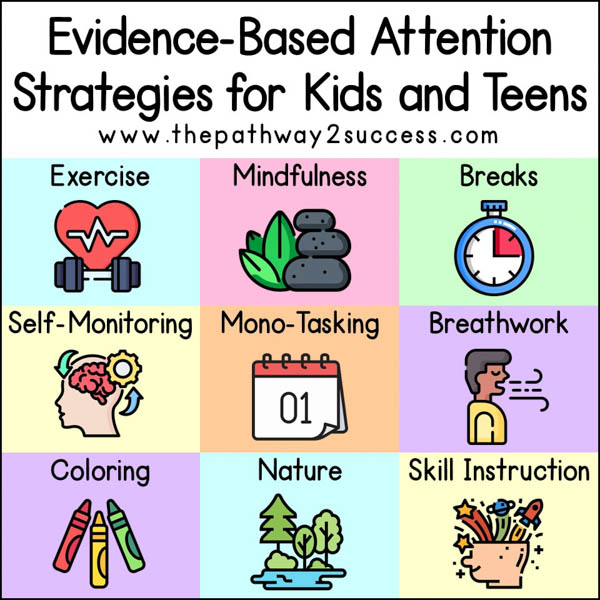
1. Regular Exercise and Classroom Movement
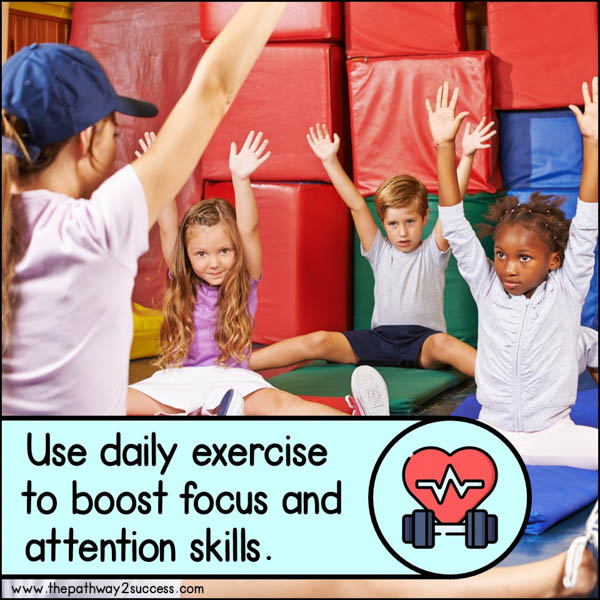
Physical activity is fundamentally linked to cognitive vitality. A comprehensive meta-analysis conducted by de Greeff et al. (2018 established that structured physical activity yields a profoundly positive effect on both attention spans and overall academic performance. The most pronounced benefits emerged from regular exercise routines maintained over multiple weeks. Furthermore, research compiled by the Committee on Physical Activity and Physical Education in the School Environment (2013) demonstrated that embedding short bursts of physical movement directly into academic lessons significantly increases students’ "time on task."
2. Mindfulness and Meditation
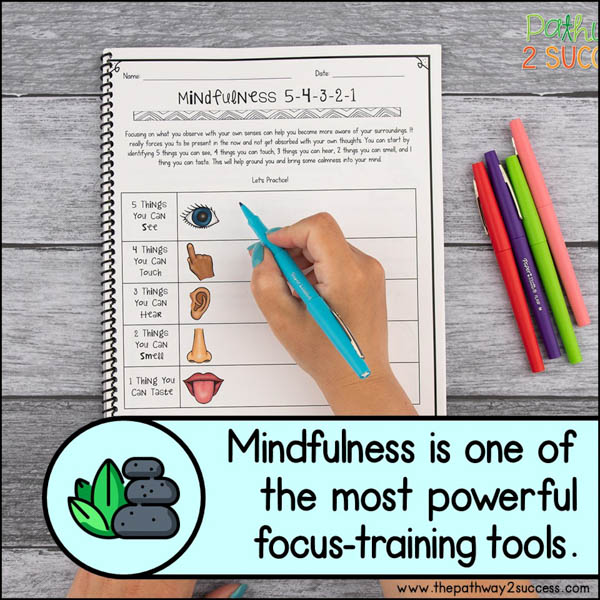
Mindfulness—the active practice of anchoring awareness in the present moment—has transitioned from ancient tradition to modern clinical staple. While techniques range from mindful breathing to sensory observation, their cognitive benefits are well-documented. A major meta-analysis by Verhaeghen (2021) revealed that mindfulness practices generate significant, measurable improvements in focused and sustained attention. These practices also contribute to broader psychological health by reducing emotional reactivity and improving behavioral regulation (Keng et al., 2013).
3. Intentional Brain Breaks
The human brain is not engineered for endless, uninterrupted cognitive output. Breaks provide vital windows for neural regrouping. Experimental research by Janssen et al. (2014) investigated both passive breaks (such as listening to a narrative) and active breaks (such as light movement), finding that both modalities resulted in significant post-break improvements in attention. These findings reinforce institutional data showing that regular academic pauses reduce mental fatigue and enhance classroom productivity (Committee on Physical Activity and Physical Education in the School Environment, 2013).
4. Self-Monitoring
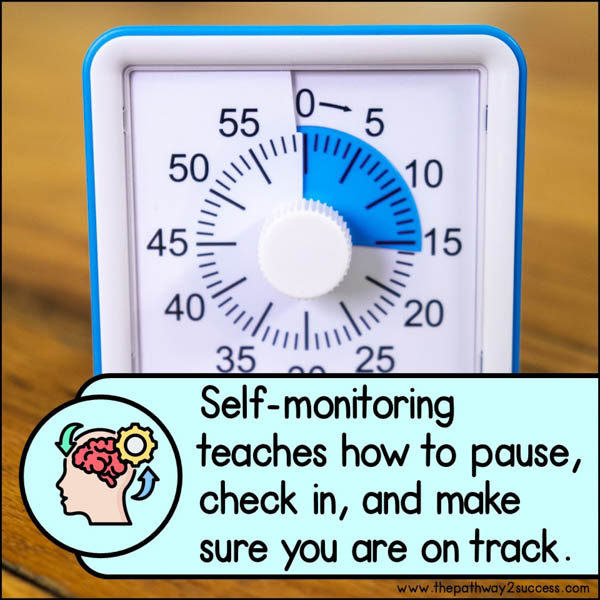
Self-monitoring teaches learners to pause, evaluate, and adjust their cognitive behaviors mid-task. When a student stops to assess their focus level and realizes they have drifted off-task, they can autonomously implement re-engagement strategies. A pivotal meta-analysis by Reid et al. (2005) confirmed that self-monitoring is an exceptionally powerful intervention for students struggling with attention deficits, fostering long-term academic independence.
5. Targeted Breathing Techniques
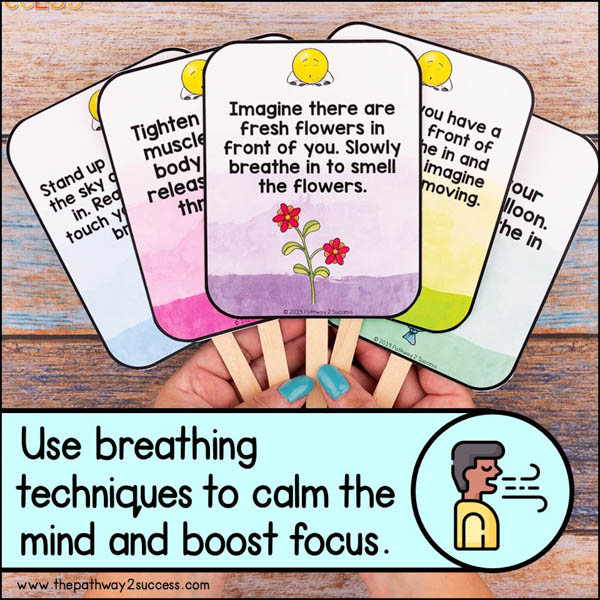
Diaphragmatic breathing directly influences the autonomic nervous system. Controlled breathing exercises stimulate the vagus nerve, signaling the amygdala (the brain’s emotional processing center) to reduce stress and lower cortisol levels (Ma et al., 2017). By regulating this physiological stress response, young people can transition out of a state of hyperarousal and cultivate the calm, sustained attention required for deep learning.
6. The Power of Mono-Tasking
In a culture that glorifies multi-tasking, cognitive science offers a stark correction: true multi-tasking is a myth. Research by Gopher et al. (2000) demonstrates that what we call multi-tasking is actually rapid task-switching. This constant shifting degrades attention, spikes error rates, and accelerates mental fatigue. Mono-tasking—the deliberate act of focusing on a single objective until completion—is the proven antidote to cognitive overload.

7. Nature Exposure (Attention Restoration Theory)
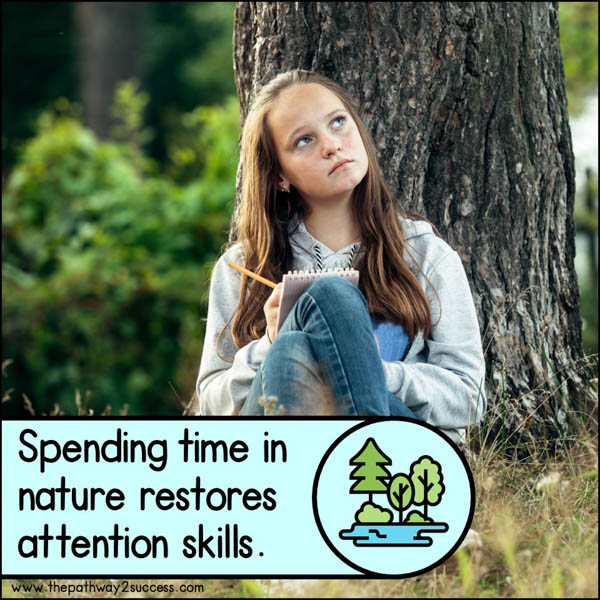
According to Attention Restoration Theory, natural environments replenish mental resources that are depleted by urban or digital stimuli. A meta-analysis by Stevenson et al. (2018) highlighted that exposure to nature measurably improves working memory, cognitive flexibility, and attentional control. Crucially, even secondary exposures—such as viewing natural scenery through a window—have been shown to restore focus (Berman et al., 2008).
8. Direct Skill Instruction
Attention is a cognitive skill that must be explicitly taught rather than passively expected. Drawing on educational research by Hattie (2018), direct skill instruction allows educators to systematically break down complex executive functioning tasks—such as task initiation, organization, and study skills—giving students structured opportunities to practice and master them (Meltzer et al., 2007).
9. Therapeutic Coloring
Far from being a mere pastime, structured coloring has emerged as a validated tool for emotional regulation and cognitive enhancement. Research by Holt et al. (2019) demonstrated that coloring significantly reduces anxiety while bolstering selective attention in young adults. More recent findings by Suryagayathri (2024) confirmed that students who utilize coloring report enhanced capacities to block out ambient noise, manage distractions, and successfully refocus in dynamic environments.
10. Therapeutic Yoga
Yoga combines physical posture management with mental discipline. A comprehensive review of 18 independent studies focused specifically on yoga and youth cognition indicated that regular yoga practice leads to statistically significant enhancements in children’s attention spans, alongside reductions in perceived stress and anxiety (Yadav et al., 2022).
11. Brainteasers and Puzzles
Cognitive puzzles provide a low-stakes, highly engaging mechanism for building mental endurance. Studies examining group puzzle-play (Winarsunu & Fasikkhah, 2022) and structured brainteaser curricula (Altun et al., 2016) found that children who regularly engage with logic-based games exhibit marked increases in attention span, working memory, and self-regulatory competence compared to control groups.
12. Optimized Sleep Hygiene
While not executed in a classroom, sleep is arguably the most critical non-negotiable variable in cognitive performance. In his seminal work Why We Sleep, neuroscientist Dr. Matthew Walker (2017) outlines the extensive neurobiological research proving that high-quality sleep allows the brain to clear metabolic waste, consolidate memories, and restore prefrontal cortex functioning. Sleep deprivation directly curtails attention spans, slows reaction times, and degrades impulse control.

Official Statements and Expert Perspectives
As educational frameworks shift to incorporate these evidence-based modalities, leading institutions and researchers emphasize the importance of individualized, holistic interventions:
- On the Malleability of Cognition: Developmental psychologists emphasize that attention difficulties should not be viewed as immutable character flaws. "When we teach children how to monitor their focus, practice breathwork, or engage in mono-tasking, we are essentially handing them the keys to their own neurobiology," notes educational consultant and curriculum developer Sarah Peterson.
- On School-Wide Integration: Public health organizations and education boards increasingly advocate for active learning environments. Representatives from the Committee on Physical Activity and Physical Education in the School Environment stress that "integrating movement, nature views, and strategic brain breaks into the school day is not an optional luxury—it is an anatomical necessity for optimal brain function."
- On the Necessity of Rest: Sleep researchers continue to lobby for later school start times and reduced evening screen exposure for teens, echoing Dr. Matthew Walker’s assertion that "sleep is the foundation upon which all learning, memory, and attention are built. Without it, every other cognitive intervention is working at a severe deficit."
Future Outlook: The Road Ahead for Youth Focus Strategies
Looking toward the future, the integration of evidence-based attention strategies into everyday educational and parenting practices represents a vital evolution in youth development. As digital distractions continue to evolve in sophistication, our interventions must become equally sophisticated, systematic, and accessible.
Future research will likely focus on personalized cognitive profiling—determining precisely which subset of strategies (e.g., yoga versus aerobic exercise, or nature breaks versus mindfulness meditation) yields the highest therapeutic return for individual neurodivergent profiles, such as children with ADHD or anxiety disorders.
Ultimately, the message from contemporary science is one of profound optimism. Attention is not a finite resource that some children are simply born without; it is a dynamic, trainable muscle. By embracing a diverse toolkit of evidence-based strategies—ranging from the physical to the psychological—parents, educators, and communities can empower the next generation to navigate an increasingly complex world with clarity, resilience, and unshakeable focus.

