
Executive Overview
As school bells ring to signal the start of a new academic year, students across the nation return to classrooms filled with high aspirations, heavy backpacks, and, invariably, a fresh set of cognitive demands. While the beginning of the school year is often framed around new clothes, fresh notebooks, and updated syllabi, educators and educational psychologists argue that the true linchpin of academic and emotional success lies beneath the surface: executive functioning skills.
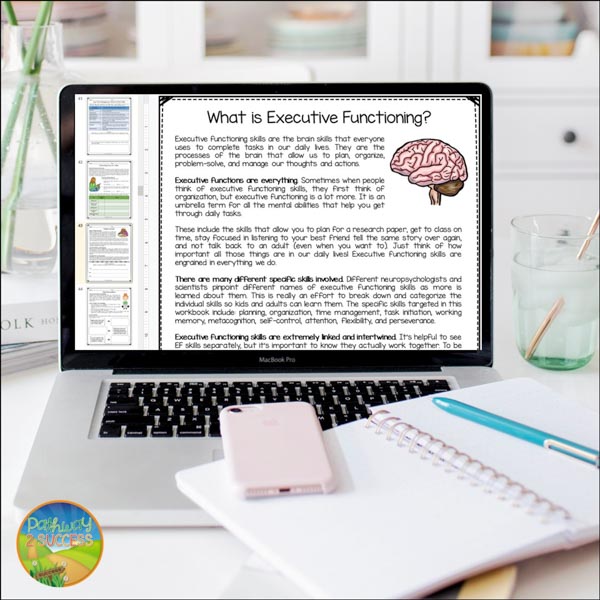
Executive functioning—the suite of higher-order cognitive processes managed by the prefrontal cortex—includes planning, working memory, impulse control, mental flexibility, time management, and organization. When students possess a robust foundation in these skills, the transition back to school is remarkably smooth. They can navigate shifting schedules, keep track of assignments, and regulate their emotions under pressure.
Conversely, students struggling with executive dysfunction frequently face a chaotic start. The visual of a student frantically digging through an overflowing backpack for a lost assignment, or wandering aimlessly trying to locate the correct classroom, represents a daily crisis of executive functioning. These stressful scenarios not only hinder academic performance but also exact a heavy toll on student self-esteem and emotional well-being.
The good news is that executive functioning skills are not entirely innate; they are malleable capacities that can be systematically modeled, taught, and strengthened. By embedding explicit executive functioning strategies into the daily rhythms of the classroom from day one, educators can transform potential chaos into structured opportunity, laying the groundwork for a successful, low-stress academic year.
Detailed Chronology: The Lifecycle of a School Day Grounded in Executive Functioning
To understand how executive functioning operates in a real-world educational setting, it is helpful to examine the daily blueprint of a classroom designed to support these cognitive skills. Rather than treating executive functioning as an isolated subject, progressive educators weave these competencies into every hour of the school day.
Morning: Establishing Predictable Routines
The morning transition sets the tone for the entire day. For students with executive dysfunction, unstructured morning arrivals can trigger immediate anxiety and cognitive overload. To mitigate this, educators utilize predictable morning routines.
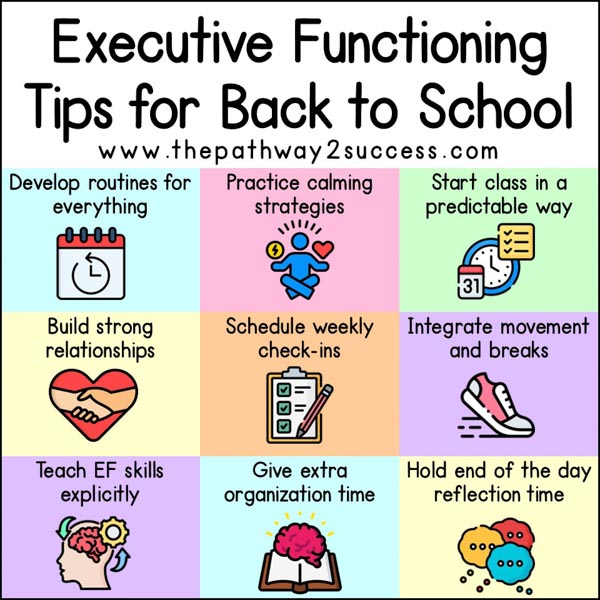
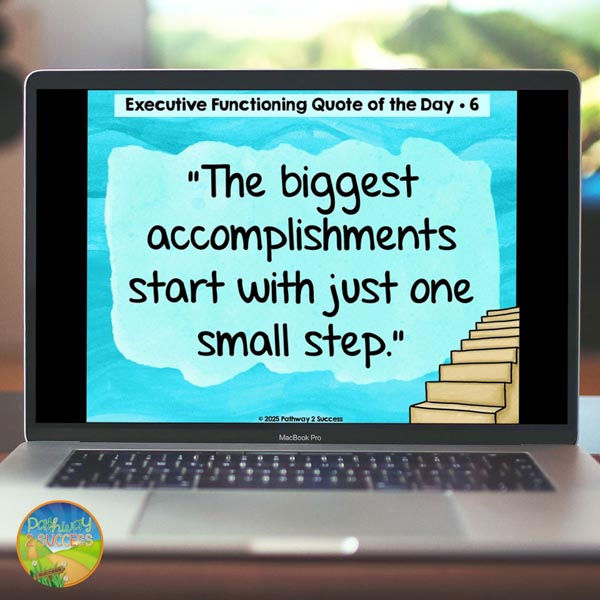
- The Jump-Start: By initiating the day with consistent, low-stakes activities—such as a "Quote of the Day" bell-ringer, a word-of-the-day slide, or a brief mindfulness check-in—students do not have to waste precious mental energy wondering what comes next.
- Cognitive Efficiency: Predictability preserves cognitive resources, allowing learners to direct their focus immediately toward higher-level academic content rather than administrative uncertainty.
Mid-Day: Integrating Content and Movement
As academic instruction shifts into core subjects like mathematics, literature, and science, executive functioning skills are continually called upon.
- Explicit Strategy Modeling: Rather than simply assigning a complex research paper, educators break the task down explicitly, modeling how to outline, plan milestones, and self-monitor progress.
- Active Engagement: To combat cognitive fatigue and support self-regulation, teachers intentionally integrate movement into academic tasks. Whether having students transition between stations during a writing exercise or utilizing tactile methods during math fact practice, physical motion serves as a vital tool for focus and emotional regulation.
Afternoon: Reflection and Organization
As the academic day winds down, closing routines provide an essential bridge between school and home life.
- Dedicated Organization Time: Classrooms incorporate structured intervals for students to clean out binders, update digital folders, and file away loose papers.
- End-of-Day Reflection: Utilizing reflective questioning allows students to evaluate their performance, celebrate small victories, and identify which strategies successfully navigated them through daily challenges. This closing ritual solidifies metacognitive awareness, empowering learners to take ownership of their continuous growth.
Supporting Context & Metrics: Why Executive Functioning Matters Now More Than Ever
The rising emphasis on executive functioning in modern education is backed by a growing body of developmental psychology and neuroscience. The prefrontal cortex—the command center for executive control—is notoriously slow to develop, continuing its maturation process well into a person’s early twenties. Children and adolescents are, by biological design, works in progress when it comes to self-regulation, long-term planning, and sustained attention.
The Academic and Emotional Toll of Dysfunction
When schools fail to intentionally support these developing cognitive pathways, the consequences are measurable:
- Academic Underachievement: Studies consistently show that students with strong working memory and organizational skills outperform peers of equal intellectual capacity who lack these tools.
- Heightened Anxiety: Chronic disorganization and the inability to manage time effectively correlate strongly with elevated stress, school avoidance, and burnout among teens.
- Behavioral Disruption: Many classroom disciplinary issues stem not from defiance, but from frustration, emotional dysregulation, and an inability to independently plan or execute assigned tasks.
The Power of Preventative Intervention
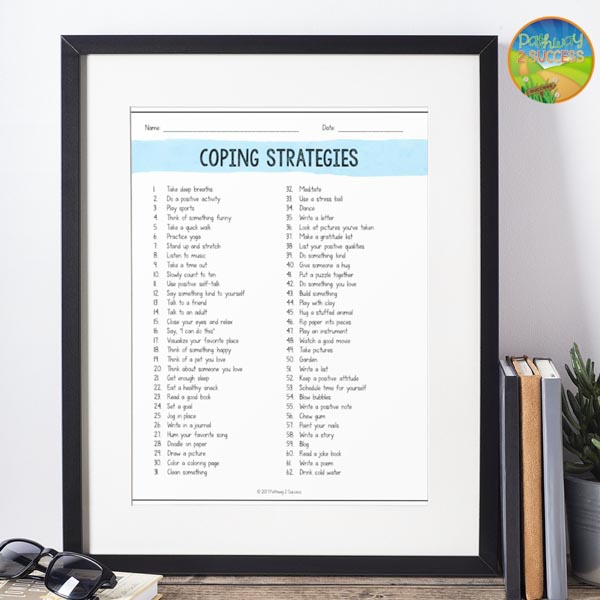
Implementing school-wide or classroom-wide executive functioning frameworks yields high returns on investment. By introducing tools like visual schedules, coping strategies lists, and structured weekly check-ins, educators can drastically reduce behavioral interventions. Furthermore, fostering a classroom culture centered on robust relationships—where students feel secure enough to take healthy risks, make mistakes, and receive constructive feedback—creates a protective psychological buffer that fosters resilience.
Official Statements and Educational Insights
Educational leaders and curriculum specialists emphasize that executive functioning should be viewed as an integral component of core instruction rather than a remedial accommodation reserved solely for students with specific learning differences.
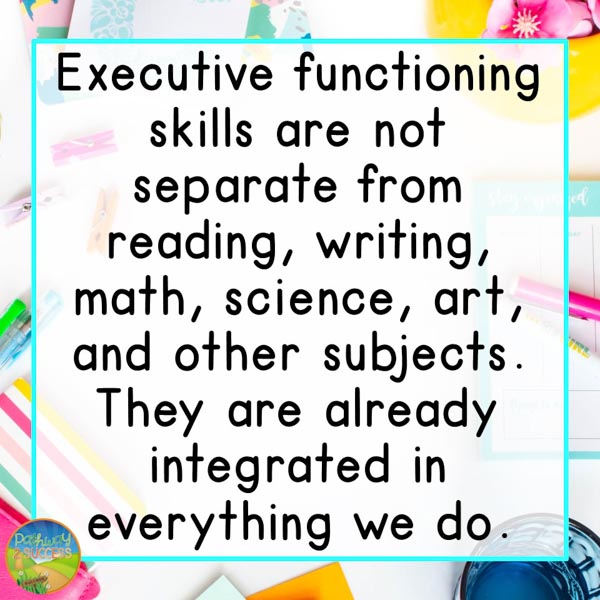
"Executive functioning skills are not separate from reading, writing, math, science, art, and other subject areas. They are deeply integrated into those very subjects," notes leading educational framework developers. "When we teach students how to plan a research paper, regulate their emotions during a difficult math test, or organize their lab materials, we are not getting off-track; we are teaching them how to learn."
Experts advocate for a systematic, year-round approach. Rather than addressing organization only after a student has lost three months’ worth of assignments, proactive educators introduce routines, calming strategies, and self-monitoring techniques during the first week of school.

Furthermore, child development advocates stress the importance of holistic health habits in sustaining cognitive performance. Adequate sleep, regular physical exercise, and proper nutrition are foundational pillars that directly impact a student’s working memory and impulse control. Schools that actively educate both students and families on these wellness habits see tangible improvements in classroom focus and academic resilience.
Future Outlook: Empowering the Next Generation of Self-Directed Learners
As the educational landscape continues to evolve in response to technological advancements, shifting workforce demands, and increasing psychological stressors, the capacity for self-regulated learning has never been more critical. Rote memorization is increasingly devalued in a world where information is instantly accessible; instead, modern society demands individuals who can think critically, adapt flexibly to changing circumstances, plan complex projects autonomously, and self-monitor their progress.
By embedding executive functioning strategies into the classroom DNA—through structured routines, explicit skill instruction, daily reflections, and consistent strategy shares—schools are preparing students for far more than standardized testing. They are equipping them with lifelong metacognitive tools.
Ultimately, the goal of modern education is to render the teacher obsolete by fostering independent, self-directed learners who understand their own cognitive strengths and challenges. By prioritizing executive functioning from the very first day of the school year, educators provide students with the ultimate roadmap for lifelong success, ensuring that every learner has the internal compass necessary to navigate whatever academic and personal journeys lie ahead.

