
Executive Overview
In the landscape of early childhood education, the transition from spoken language to written text represents one of the most critical cognitive milestones a child will achieve. At the heart of this transition lies the mastery of phonemic awareness and phonics—two foundational pillars of the "Science of Reading." To address persistent instructional gaps in early reading curricula, educational resource platform This Reading Mama has announced the official release of a comprehensive, no-cost instructional toolset: the Beginning Digraph Puzzles.
Designed specifically for educators, reading specialists, and homeschooling parents, this release targets a notoriously tricky area of early literacy development: beginning consonant digraphs and unique letter combinations such as ch, sh, th, wh, wr, kn, ph, and gn. By bridging auditory phonemic awareness with visual grapheme-phoneme correspondence through hands-on puzzle assembly, the resource aims to solidify decoding skills in young learners. This report provides an exhaustive analysis of the pedagogical foundation behind the puzzles, the mechanics of digraph instruction, and the broader implications of providing accessible, high-yield instructional materials to educators worldwide.
Detailed Chronology: The Evolution of Digraph Instruction and Resource Development
The journey toward developing intuitive, tactile literacy tools like the Beginning Digraph Puzzles is rooted in decades of cognitive science research regarding how young brains process written language.
The Shift Toward Multisensory Literacy
Historically, early reading instruction relied heavily on rote memorization and whole-word recognition—methods that modern educational research has largely superseded in favor of systematic synthetic phonics. As cognitive scientists mapped the neural pathways involved in reading, it became evident that children must explicitly connect sounds (phonemes) to letters (graphemes).
Over the past decade, educational creators recognized a distinct bottleneck in this developmental sequence: while single-letter sounds (a, m, s) are rapidly acquired, compound sounds represented by two letters making a single unique sound—known as digraphs—frequently cause cognitive friction. Words like chalk, cheese, phone, and knife introduce spelling patterns that defy simple one-to-one letter-sound mapping.

Conceptualization and Design Phase
This Reading Mama initiated the development of the Beginning Digraph Puzzles to address this exact instructional hurdle. The design phase focused heavily on creating an interactive methodology that moves beyond traditional worksheets. Rather than passive completion, the design team engineered a two-part puzzle system:
- The Picture Component: Learners first engage with imagery, naming objects and isolating the initial phoneme by ear (phonemic awareness).
- The Letter Component: Learners match the visual picture to the corresponding letter digraph piece (phonics integration).
Official Launch and Distribution
The official release of the puzzle pack makes these specialized assets universally available to educators. By bypassing commercial paywalls, the distribution model ensures that underfunded classrooms, special education environments, and homeschooling families gain immediate access to evidence-based intervention tools. The rollout includes direct digital downloading mechanisms alongside supplementary resources like printing guides and foundational assessment modules.
Supporting Context & Metrics: The Science of Phonemic Awareness and Phonics
To fully grasp the utility of the Beginning Digraph Puzzles, one must examine the empirical data driving modern literacy instruction.
Defining the Core Metrics: Phonemes vs. Graphemes
In literacy pedagogy, terms are often used interchangeably, yet they represent distinct cognitive processes:
- Phonemic Awareness: The purely auditory ability to recognize, isolate, segment, and manipulate individual sounds (phonemes) in spoken words, without any reference to print. For instance, hearing that the word shoe begins with the /sh/ sound.
- Phonics: The instructional practice of teaching how letters (graphemes) represent sounds (phonemes). When a child takes the auditory sound /sh/ and matches it to the printed letters s-h, they are engaging in phonics.
The Digraph vs. Blend Distinction
A frequent point of confusion in early reading classrooms is the differentiation between consonant blends and consonant digraphs.

- Consonant Blends (e.g., bl, st, tr): Two or three letters that appear side-by-side in a word, but whose individual sounds retain their identity while being blended rapidly together. When pronouncing stop, a child hears both the /s/ and the /t/.
- Consonant Digraphs (e.g., ch, sh, th): Two letters that combine to create an entirely new single sound, where the individual letters lose their original isolated phonemic identity.
The new puzzle pack explicitly covers eight vital digraph variations:
- ch (e.g., chalk, cheese)
- sh
- th
- wh
- wr (silent ‘w’ variations)
- kn (silent ‘k’ variations)
- ph (/f/ sound variations)
- gn (silent ‘g’ variations)
Empirical Impact on Struggling Readers
Data from reading intervention studies consistently show that tactile, manipulative-based learning accelerates mastery in struggling readers and English Language Learners (ELLs). Multisensory engagement activates multiple regions of the cerebral cortex—visual, auditory, and kinesthetic—thereby reinforcing memory consolidation. By turning abstract linguistic rules into physical matching tasks, learners reduce cognitive load, allowing for faster orthographic mapping (the process by which humans store words for instant retrieval).
Official Statements and Pedagogical Insights
Becky, the veteran educator and curriculum developer behind This Reading Mama, emphasizes the intentionality built into the free resource:
"We designed these puzzles specifically to meet learners at the intersection of sound and print. When children manipulate puzzle pieces, they aren’t just playing a game; they are actively wiring their brains to connect what they hear with what they see. Isolating a digraph like /ch/ in words like chalk and cheese builds the critical phonemic foundation required for fluent decoding later on."
Further commenting on the accessibility of the materials, the developer notes:

"Education should never be restricted by a budget. By offering these resources freely—alongside clear video tutorials explaining the nuances between blends and digraphs—we aim to empower every parent and teacher to deliver high-quality, research-backed literacy instruction right at the kitchen table or inside the classroom."
Educational specialists reviewing the toolkit have echoed these sentiments, pointing out that the inclusion of less common digraphs such as wr, kn, and gn provides a bridge to advanced vocabulary that standard kindergarten and first-grade curricula often gloss over prematurely.
Future Outlook: The Digital Resource Ecosystem and Early Literacy Trends
As educational paradigms continue to shift toward digital equity and evidence-based practices, the role of modular, specialized printables is evolving rapidly.
Integration into Hybrid Learning Environments
The modern classroom—spanning hybrid, remote, and traditional brick-and-mortar setups—requires instructional materials that are easily printable, highly adaptable, and pedagogically sound. Tools like the Beginning Digraph Puzzles fit seamlessly into literacy centers, small-group intervention blocks, and home-school environments. The trend moving forward favors open-access digital repositories—such as The Library ecosystem—over rigid, monolithic textbook purchases, allowing educators to curate custom interventions tailored to individual student deficits.
The Ongoing Expansion of Assessment Tools
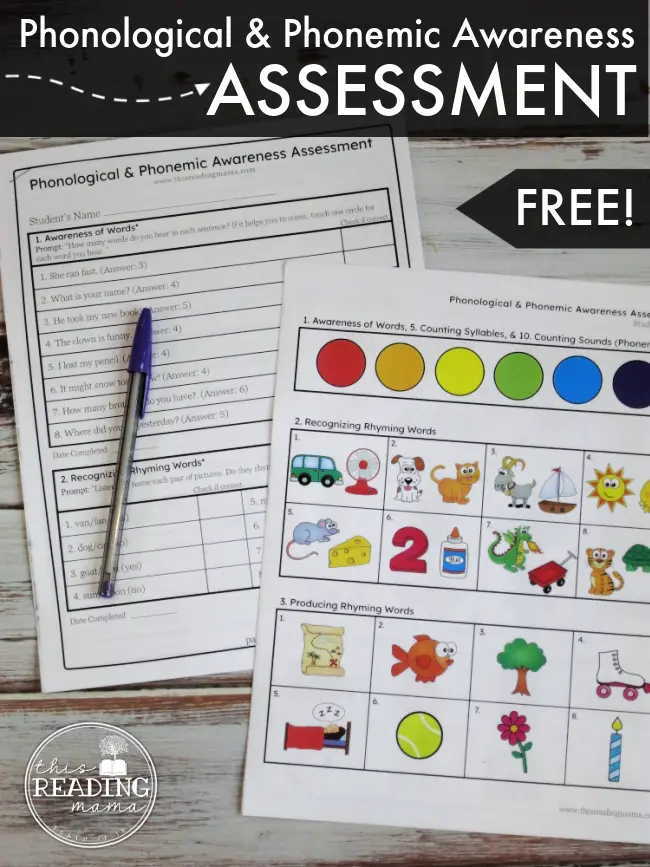
A major challenge in early literacy is early identification. Children who struggle with phonemic awareness in kindergarten are at high risk for reading difficulties in later grades unless targeted interventions occur swiftly. Recognizing this, curriculum developers are increasingly pairing instructional printables with diagnostic companions, such as comprehensive Phonological and Phonemic Awareness Assessments. This closed-loop model—assess, identify, target, and remediate—represents the future of individualized instruction.

Conclusion
The release of the Beginning Digraph Puzzles marks a significant step forward in making systematic, multisensory literacy tools universally accessible. By demystifying complex letter combinations and grounding instruction in the Science of Reading, this initiative equips a new generation of learners with the foundational keys necessary for lifelong reading comprehension and academic success. Educators, specialists, and parents can access these free assets directly through digital literacy hubs, ensuring that every child has the opportunity to master the building blocks of language.

