
Executive Overview
The landscape of graduate medical education is undergoing a quiet, high-stakes evolution. For generations, the residency model—particularly in high-intensity environments like the Intensive Care Unit (ICU)—has relied on a trial-by-fire framework. Trainees endure grueling hours, high-pressure clinical decision-making, and mountains of board-review texts. While this produces exceptionally skilled clinicians, it has historically come at a steep psychological cost: chronic burnout, emotional exhaustion, and professional isolation. These pressures were only exacerbated by the COVID-19 pandemic, which fractured institutional identity and eroded the communal bonds traditionally forged among hospital cohorts.
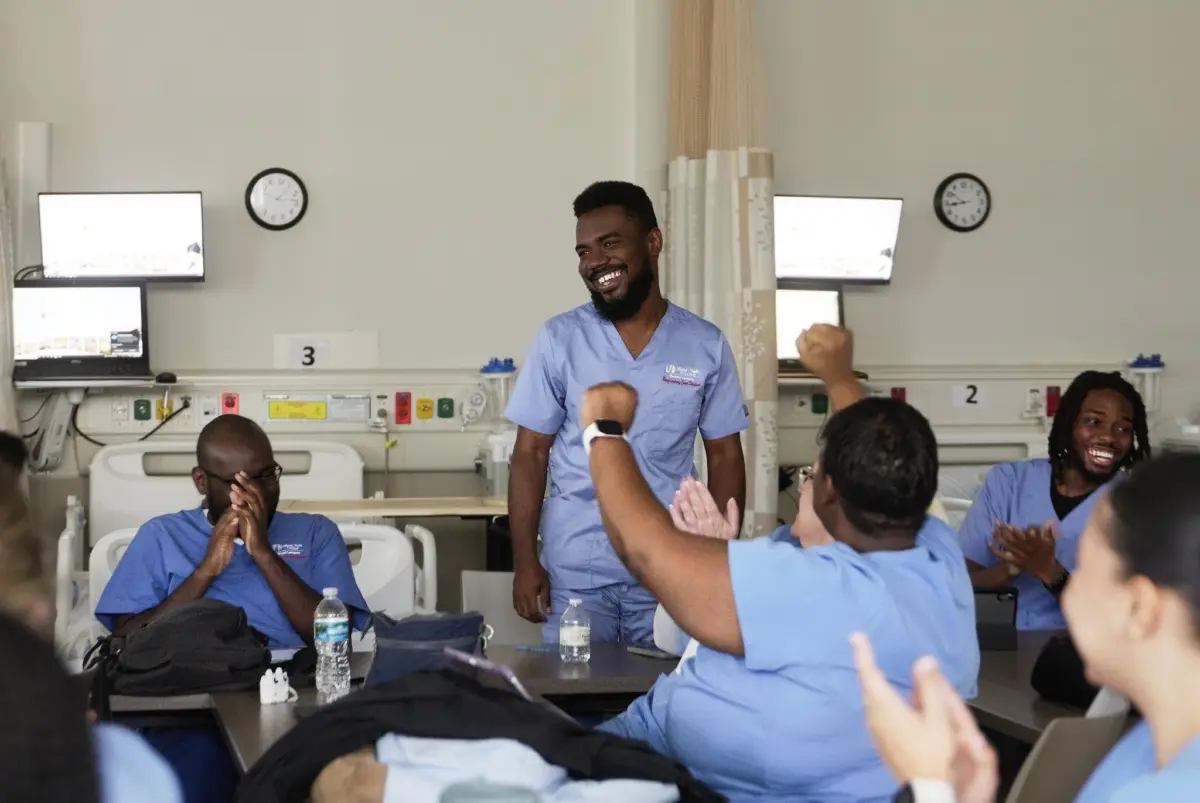
Enter the "ICUlympics," an innovative, gamified educational intervention developed by physician-educators at HCA Florida Aventura Hospital. Designed primarily to rebuild resident camaraderie, foster team cohesion, and restore a sense of institutional identity, the program was launched as a pilot study and subsequently published in ATS Scholar in 2025.
However, the creators wanted to answer a more rigorous, empirical question: Beyond making training more fun, could a game-based learning intervention demonstrably improve long-term critical care knowledge retention?
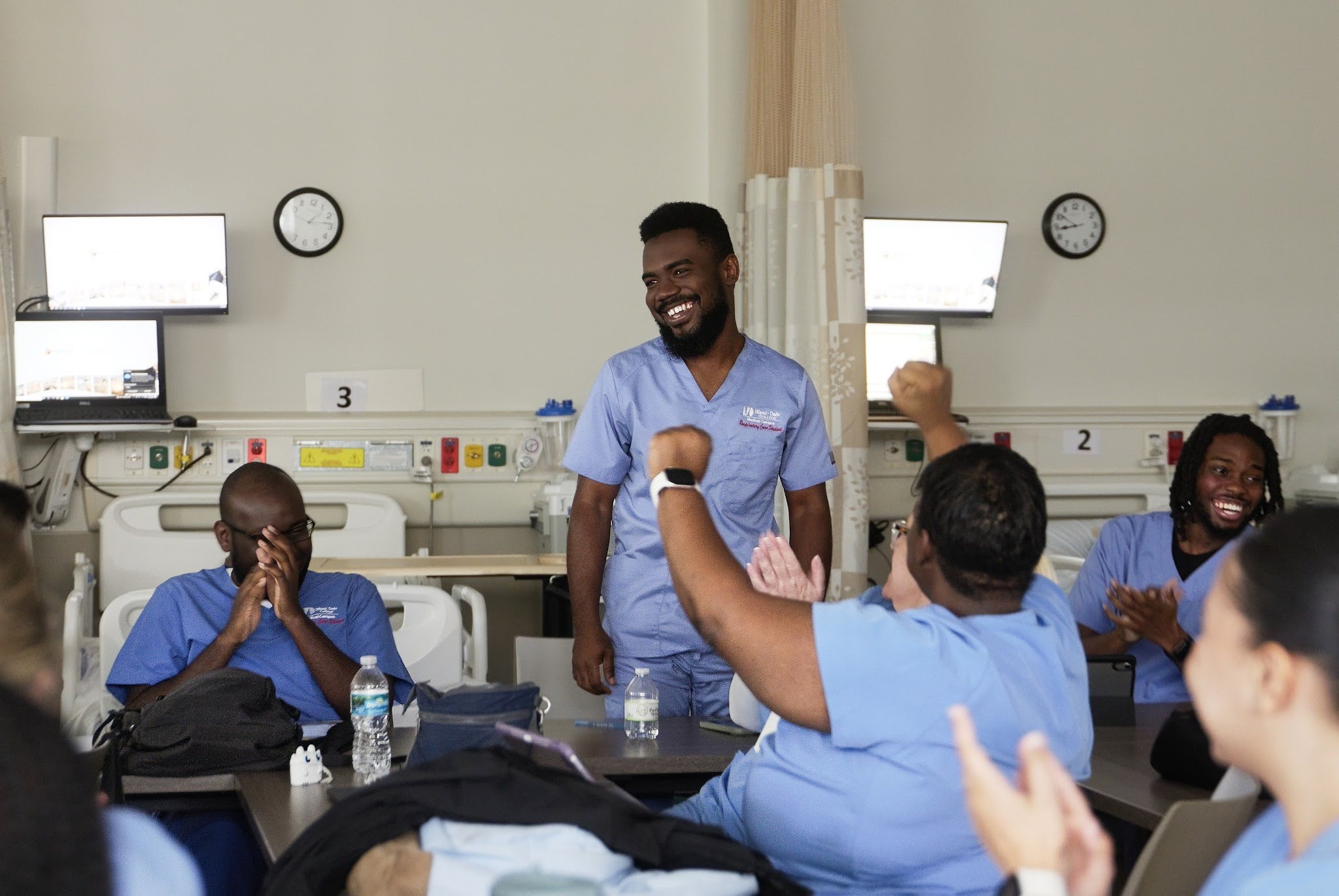
The results, detailed in the hospital’s pilot study, challenge conventional medical pedagogy. Residents who fully participated in the multi-day competition scored substantially higher on a critical care knowledge assessment administered 30 days later compared to their non-participating peers. Furthermore, participants reported dramatically lower feelings of burnout, a stronger sense of belonging, and an enhanced perception of their overall well-being.
What began as a localized effort to lift spirits in a South Florida hospital has now blossomed into a multi-center study, capturing the attention of regional and national medical education forums. This article explores the anatomy of the ICUlympics, the cognitive science behind its success, the quantitative metrics that validate its efficacy, and the broader implications of gamification in high-consequence professional training.
Detailed Chronology: The Anatomy of the ICUlympics
To understand why the ICUlympics succeeded, one must examine the meticulous engineering behind the games. Conceived by Dr. Mauricio Danckers, a Pulmonary and Critical Care Medicine fellowship director, and his colleagues, the intervention was structured not as a superficial distraction, but as a rigorous, multi-tiered academic competition.
Phase 1: Curating the Content
Before a single question was asked, the research team built an extensive, validated question bank. The curriculum was meticulously curated from the official certification blueprints of the American Board of Internal Medicine (ABIM) and the American Board of Emergency Medicine (ABEM). To ensure academic rigor and appropriate difficulty, this question bank was rigorously piloted and vetted by pulmonary and critical care fellows and nonparticipating residents prior to deployment.
Phase 2: The Three-Day Qualifying Rounds
The competition drew participants from a diverse pool of medical trainees rotating through the hospital’s ICU, including residents from internal medicine, emergency medicine, transitional-year, and preliminary-year programs.
- Days One and Two (Kahoot! Integration): The preliminary rounds heavily featured digital engagement through interactive learning platforms like Kahoot! Over the first two days, residents tackled 100 fast-paced, multiple-choice critical care questions. Points earned were cumulative, tracked in real-time on a shared leaderboard that fueled friendly rivalry across departments.
- Day Three ("Under Pressure"): The tension escalated on the third day with a floor-based elimination game aptly named Under Pressure. Incorporating an additional 46 questions, this phase transformed passive test-taking into a physical exercise. Residents stood in one of four designated, labeled quadrants on the floor to submit their answers. A wrong answer meant immediate elimination, heightening the adrenaline and mimicry of high-stakes clinical triage.
Phase 3: The Live Finale
Following the grueling three-day qualification rounds, the competition culminated in a high-profile, live Jeopardy!-style final. Pitting the top three point-accumulators against one another in front of their peers, this event served as a focal point for institutional celebration, peer recognition, and shared triumph.
Crucially, the study defined "full participation" as completing all three qualifying days of the games—not merely attending the final showdown. This ensured that the analyzed data reflected deep, sustained engagement rather than casual spectatorship.
Supporting Context & Metrics: The Science of Retention and Burnout
The success of the ICUlympics is not merely anecdotal; it is deeply rooted in established cognitive psychology and supported by compelling quantitative data gathered during the 2025 pilot study.
The Quantitative Breakdown
Out of 92 eligible residents across the participating programs:
- 68 residents completed a baseline knowledge test and survey before the competition commenced.
- 48 residents completed the exact same assessment 30 days later for the follow-up evaluation.
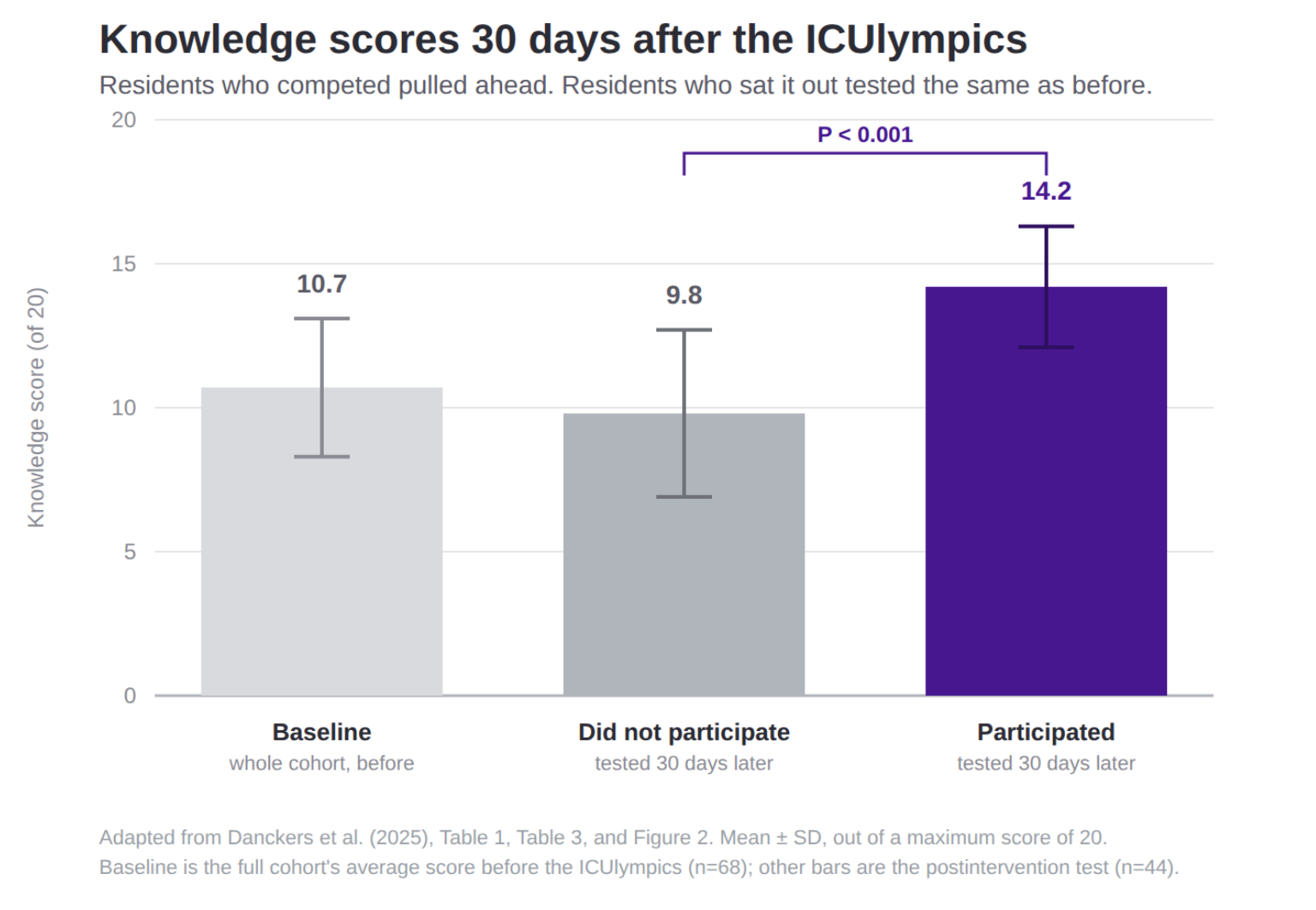
- At baseline, the overall cohort scored an average of 10.7 out of 20 points on the preliminary test.
When the dust settled and the 30-day follow-up assessments were graded, the divergence between participants and non-participants was striking:
- Full Participants (N = 19): Scored an impressive average of 14.2 out of 20 on the follow-up knowledge test.
- Non-Participants (N = 25): Scored an average of 9.8 out of 20 on the follow-up test—effectively matching or falling slightly below the cohort’s pre-intervention baseline average.
Because participation in the games was entirely voluntary and the accompanying surveys were anonymous, researchers could draw a robust correlation: full, active engagement in gamified medical challenges is strongly associated with superior knowledge retention a month down the line.
Leveraging the "Testing Effect"
Why did residents who played games retain information so much better than those who did not? The answer lies in cognitive science, specifically a phenomenon known as the testing effect.
Traditional medical education often relies on passive review: rereading textbooks, scrolling through slide decks, or listening to long lectures. Psychological research consistently demonstrates that human memory is vastly improved when learners are forced to actively retrieve information from memory repeatedly—especially under conditions of mild time pressure and social engagement.
By framing high-yield medical facts within a fast-paced game architecture, the ICUlympics forced residents to perform active recall. The emotional spikes associated with competition helped imprint these clinical scenarios into long-term memory, proving that rigorous study does not have to feel like a chore to be effective.
Mitigating Burnout and Fostering Belonging
Beyond clinical acumen, the post-intervention surveys uncovered profound psychological benefits. While both participants and non-participants agreed that educational games are an effective learning medium (scoring 4.8 and 4.1 out of 5, respectively), the gulf widened significantly when evaluating psychological well-being:
- Sense of Belonging: Participants rated the games’ ability to solidify their sense of program belonging at 4.8 out of 5, compared to 3.9 out of 5 for non-participants.
- Overall Well-Being: Participants reported a score of 4.8 out of 5 regarding improved well-being, versus 3.8 out of 5 for non-participants.
- Combating Burnout: Participants strongly agreed that the initiative helped counteract training burnout (4.8 out of 5), significantly outscoring the non-participating cohort (3.8 out of 5).
These metrics validate the original thesis of the HCA Florida Aventura Hospital educators: that providing a shared, low-stakes environment to compete, laugh, and celebrate one another acts as a vital psychological buffer against the grinding pressures of modern residency.
Official Statements and Expert Insights
The philosophy driving this pedagogical shift rejects the long-standing false dichotomy in medical training: the belief that education must either be rigorously dry or frivolously entertaining.
Dr. Mauricio Danckers, lead author of the study and a driving force behind the initiative, emphasizes that gamification, when executed with academic discipline, enhances rather than dilutes educational rigor. Reflecting on the core lessons of the project, Dr. Danckers notes that game-based learning successfully transforms what would otherwise be a passive, isolating educational transaction into something deeply participatory, social, and memorable.
"Kahoot! and similar platforms allow us to transform what might otherwise be a passive educational interaction into something participatory, competitive, social, and memorable, while still maintaining the rigor that we expect in graduate medical education," Dr. Danckers explains.
Rather than watering down board-exam content, the ICUlympics elevated it. By wrapping ABIM- and ABEM-aligned criteria in an engaging framework, educators discovered that trainees were more willing to engage deeply with complex critical care topics outside of mandatory lecture halls. The celebratory, communal atmosphere did not distract from the medicine; it supercharged the learners’ motivation to master it.
Future Outlook: Scaling the ICUlympics
What started as a localized morale and educational booster shot at a single South Florida hospital has rapidly evolved into a movement. Following the publication of their pilot study in 2025, Dr. Danckers and his team wasted no time expanding the scope of their research.
Moving to a Multi-Center Model
The ICUlympics has since been successfully deployed across multiple hospitals throughout the greater Miami and South Florida region. The research team is currently finalizing a comprehensive manuscript detailing this multi-center expansion. This next phase of research goes beyond basic clinical knowledge tracking; it investigates whether a standardized game-based platform yields uniform results across diverse cohorts of learners with varying baseline characteristics, learning styles, and institutional cultures.
National Recognition and Organic Growth
The ripples of the ICUlympics have extended far beyond formal academic publications. Spurred by social media dissemination and word-of-mouth among medical educators, the initiative has experienced organic, viral growth. Other hospital systems, residency directors, and medical societies have reached out, inviting the Aventura team to host live ICUlympics tournaments at regional and national education conferences.
This overwhelming demand highlights a glaring, previously unmet need within graduate medical education: educators are actively searching for scalable, evidence-based tools that simultaneously drive academic excellence and nurse psychological safety.
As healthcare systems grapple with persistent staffing shortages, physician burnout, and the continuous expansion of medical knowledge, initiatives like the ICUlympics point the way forward. By proving that rigorous academic instruction can successfully merge with play, community, and healthy competition, HCA Florida Aventura Hospital has provided a blueprint for the future of medical training—one where doctors are not only brilliantly competent, but deeply supported.
To explore how modern educators are leveraging interactive platforms like Kahoot! to drive lasting knowledge retention across higher education and specialized training programs, visit kahoot.com/research.

