
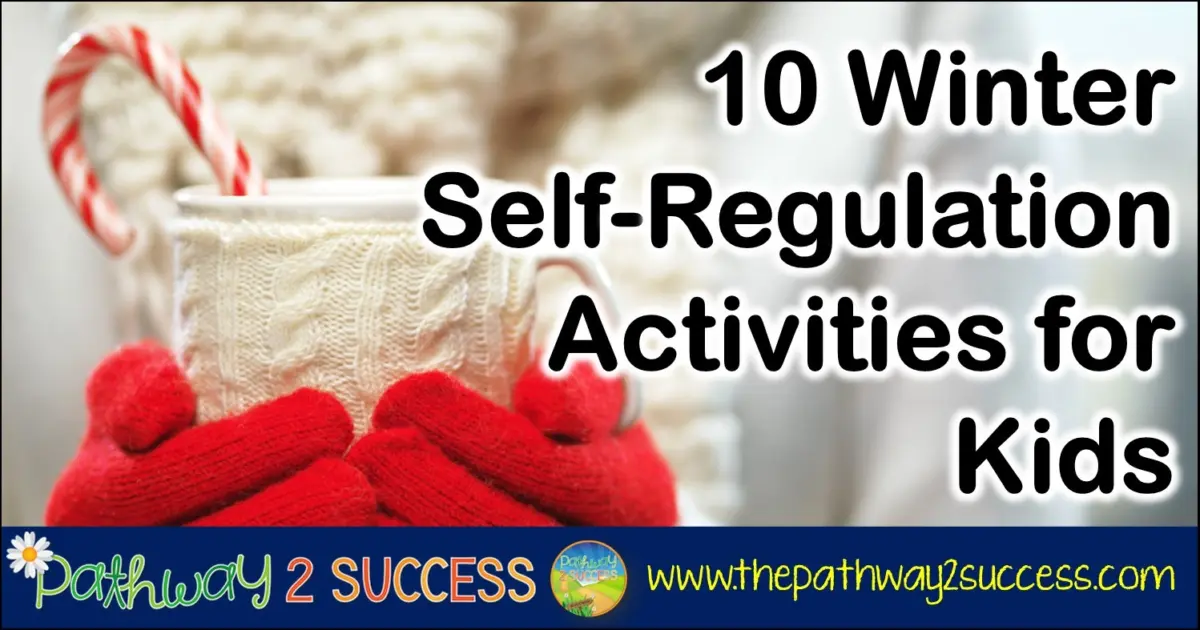
EXECUTIVE OVERVIEW
As the winter season approaches, bringing with it dropping temperatures, shifted daily routines, and the anticipation of extended holiday breaks, classrooms and households frequently experience a subtle yet palpable shift in atmosphere. For children and young adults, self-regulation—the cornerstone cognitive and behavioral capability that allows individuals to manage their thoughts, navigate complex emotions, and direct their actions purposefully—is tested unlike any other time of the year.
While self-regulation is a foundational skill year-round, the structural disruptions of winter introduce unique stressors. Increased indoor confinement, reduced access to unstructured physical play, disrupted sleep schedules, and holiday-induced anxiety can all conspire to overwhelm young nervous systems. Consequently, educators and parents often report heightened behavioral challenges, diminished focus, and increased emotional reactivity during the weeks preceding and following winter recesses.

Far from being an insurmountable hurdle, this seasonal transition presents an ideal pedagogical and developmental window. By intentionally integrating targeted, engaging, and evidence-based self-regulation strategies into daily routines, adults can help children bridge the gap between chaos and calm. This report explores the critical importance of winter self-regulation, examines the underlying physiological and psychological science, and details 12 dynamic, winter-themed activities designed to foster emotional resilience, cognitive focus, and overall well-being in kids and teens.
The Anatomy of Self-Regulation in Winter
Self-regulation is not merely "good behavior" or compliance; it is a complex, multifaceted neurological process. It encompasses the ability to monitor and manage energy states, emotions, thoughts, and behaviors in ways that are acceptable and produce positive results, such as well-being, loving relationships, and learning.
During the winter months, several environmental and systemic factors uniquely challenge this internal balancing act:

- Circadian Rhythm Disruptions: Shorter daylight hours and reduced exposure to natural sunlight can impact melatonin and serotonin production, influencing mood, energy levels, and sleep quality.
- Routine Instability: The countdown to major holidays introduces unpredictability. Anticipation, altered school schedules, and travel can create underlying hyper-arousal in children.
- Spatial and Sensory Confinement: Cold weather forces children indoors for extended periods. The reduction of open-air physical activity deprives the vestibular and proprioceptive systems of the sensory input they require to naturally self-soothe and regulate energy.
Recognizing these compounding pressures, child development specialists emphasize that teaching self-regulation cannot rely solely on verbal instruction or punitive measures. Instead, children require hands-on, active strategies that engage the nervous system directly.
12 Engaging Winter Strategies for Emotional Regulation
To support children effectively, self-regulation practices must be accessible, appealing, and seamlessly integrated into existing daily structures. Below is a comprehensive breakdown of twelve winter-themed strategies rooted in mindfulness, somatic experiencing, and sensory integration.
1. Winter Breathing and Mindful Pauses
At the absolute foundation of emotional control is the breath. Mindful breathing acts as a biological "pause button," interrupting the immediate amygdala-driven fight-or-flight response and engaging the parasympathetic nervous system—the network responsible for rest, digestion, and systemic calm.

- Implementation: Introduce winter-themed breathing exercises (such as imagining blowing out a cold-weather candle or tracing the shape of a snowflake while inhaling and exhaling).
- The Science: Deep diaphragmatic breathing reduces heart rate and lowers cortisol levels, creating an immediate physiological shift toward baseline stability.
2. Outdoor Nature Walks and Sensory Grounding
While winter weather can be bracing, stepping outside provides an invaluable antidote to indoor lethargy and sensory overload.
- Implementation: Outfit children in appropriate cold-weather gear and lead structured nature walks. Encourage them to actively scan their environment for specific sights (a soaring hawk, bare tree branches against a grey sky), sounds (crisp crunch of frozen ground), and physical sensations (the sharp breeze on the cheek).
- The Science: Eco-psychological research consistently demonstrates that time spent in nature reduces mental fatigue, restores directed attention capacity, and improves overall mood.
3. Intentional Winter Gratitude Practices
Gratitude is a powerful cognitive reframing tool that actively alters neural pathways away from stress-seeking loops toward positivity and resilience.
- Implementation: Dedicate time for children to reflect on specific, non-material aspects of the season—such as the comforting warmth of sunshine on a freezing afternoon, the taste of warm soup, or extra time spent with loved ones. Utilize gratitude sentence starters or reflective journaling prompts.
- The Science: Regular gratitude practice increases dopamine and serotonin neurotransmitter production, reinforcing neural circuits associated with optimism and emotional stability.
4. Mindful Winter Coloring and Positive Self-Talk
For children who find traditional sitting meditation challenging, creative outlets offer a somatic bridge to mindfulness.

- Implementation: Provide winter-themed coloring pages integrated with positive self-talk affirmations. Encourage students to focus entirely on the physical motion of coloring rather than artistic perfection.
- The Science: Repetitive, tactile creative acts engage the brain in a "flow state," lowering heart rates and serving as an evidence-based intervention for anxiety mitigation without requiring absolute physical stillness.
5. Cozy Reading and Co-Regulation
Reading is traditionally viewed as an academic pursuit, but immersive storytelling holds profound emotional and neurological benefits.
- Implementation: Create a designated reading nook complete with soft lighting or projected digital fireplaces. Alternate between independent reading and interactive read-aloud sessions.
- The Science: Shared reading experiences (read-alouds) facilitate co-regulation, where an adult’s calm physiological state helps stabilize a child’s nervous system. Furthermore, deep engagement with narrative literature lowers muscle tension and enhances empathetic capacity.
6. Tactile Winter Sensory Bins
Sensory exploration is essential for younger children, offering a direct pathway to neurological organization.
- Implementation: Fill large, accessible containers with winter-themed tactile materials—such as fake snow, cotton balls, polished ice-blue glass beads, pinecones, and cinnamon sticks. Allow children unstructured, exploratory time to sift, scoop, and touch.
- The Science: Tactile play grounds the child in the present physical moment, satisfying sensory-seeking behaviors and promoting fine motor dexterity alongside emotional grounding.
7. The Mindful Hot Cocoa Ritual
Mindfulness does not require formal meditation cushions; it can be embedded directly into everyday culinary experiences.

- Implementation: Serve cups of warm cocoa (or any favored warm beverage) and guide children through a sensory consumption exercise. Instruct them to first hold the mug to feel the radiating heat, inhale the rich aroma, and then take exceedingly slow, intentional sips, pausing between each taste.
- The Science: Warm beverages physically relax muscle groups and signal the central nervous system to decelerate, while the focused sensory concentration anchors runaway thoughts.
8. Guided Winter Imagery and Visualization
The human brain processes imagined scenarios similarly to real-world experiences, making visualization a potent self-regulation tool.
- Implementation: Guide children through a relaxation script where they close their eyes and mentally construct a serene winter landscape—such as a quiet, snow-covered forest or a warm cabin during a gentle snowfall. Use sensory prompts asking them to visualize colors, sounds, and ambient temperatures.
- The Science: Visualization exercises reduce sympathetic nervous system arousal, effectively lowering blood pressure and cultivating internal locus of control over stress.
9. Structured and Unstructured Winter Crafts
Creative construction offers a tangible framework for emotional processing and frustration tolerance.
- Implementation: Engage children in hands-on winter crafting projects (paper snowflakes, yarn art, or clay sculptures). Give them autonomy in their design choices while offering structured steps to follow.
- The Science: Crafting requires sustained executive functioning—planning, sequential execution, and fine motor control—while providing a safe container to practice emotional regulation when plans or designs encounter obstacles.
10. Winter-Themed Instrumental Music Integration
Auditory stimuli have an immediate, bypass-route impact on the human emotional center in the brain.

- Implementation: Curate a playlist of gentle, acoustic, or classical winter-themed instrumental music. Play these tracks softly during instructional transitions, independent work windows, or as background ambiance.
- The Science: Rhythmic, harmonious audio inputs help synchronize brainwave patterns, mitigating sensory overload and establishing a predictable, soothing acoustic environment.
11. The Winter Freeze Dance
Movement and physical exertion are among the fastest ways to discharge pent-up physiological stress and anxious energy.
- Implementation: Play high-energy music and allow children to dance freely. Periodically stop the music or introduce a specific winter vocabulary trigger word (e.g., "blizzard" or "icicle"), signaling students to freeze instantly in place.
- The Science: Freeze games explicitly tax and train the inhibitory control networks within the prefrontal cortex, helping children master the physical transition from high arousal to absolute stillness.
12. Reflective Journaling and Emotional Check-Ins
Closing the loop on emotional experiences requires metacognition—the ability to think about one’s own thinking and feeling states.
- Implementation: Provide daily or weekly check-in journals where children can map their emotional weather (using meteorological metaphors like sunny, stormy, snowy, or windy) and write or draw about how they navigated challenging moments.
- The Science: Naming emotions ("name it to tame it") decreases the neural activation of the amygdala, shifting cognitive processing back to the rational prefrontal cortex.
SUPPORTING CONTEXT & METRICS
Educational and psychological research underscores the urgency of proactive self-regulation interventions during high-stress periods like the winter season.

- Behavioral Reductions: According to recent school-based behavioral intervention data, classrooms that consistently integrate 10 minutes of daily mindfulness or somatic regulation experience a 35% reduction in behavioral referral rates during the turbulent weeks between Thanksgiving and winter break.
- Physiological Impact: Clinical studies tracking pediatric heart rate variability (HRV)—a primary indicator of stress resilience—reveal that children who engage in structured breathing and sensory breaks recover baseline regulatory capacity up to 50% faster following frustrating academic or social stimuli.
- Long-Term Academic Correlates: Longitudinal developmental tracking confirms that early mastery of self-regulation skills correlates directly with higher academic achievement, enhanced peer relationships, and significantly lower rates of anxiety and depression well into adolescence.
OFFICIAL STATEMENTS & EXPERT PERSPECTIVES
Child development experts and educators emphasize that self-regulation cannot be viewed as an isolated academic subject, but rather as a foundational lens through which all learning and social engagement occur.
"Self-regulation is not something children simply pick up naturally; it is a developing neurological capacity that requires scaffolding, practice, and a supportive environment," notes Dr. Elena Vance, a developmental psychologist specializing in childhood emotional health. "During the winter months, when routines fragment and spaces shrink, adults must proactively build regulatory anchors into the day. Activities like mindful breathing or sensory exploration are not ‘time-wasters’ taking away from academics—they are the prerequisite foundation that makes learning possible in the first place."
Educators on the ground echo this sentiment, pointing out that shifting from a punitive discipline model to a regulation-first approach transforms classroom dynamics entirely.

"When a child is dysregulated in January—whether due to holiday stress, lack of sleep, or cabin fever—yelling or demanding immediate compliance only escalates their nervous system," explains veteran educator Marcus Thorne. "Implementing tools like hot cocoa mindfulness, winter stretch breaks, or freeze dance gives kids an acceptable, active outlet to reset their systems. It teaches them lifelong tools for self-mastery."
FUTURE OUTLOOK
As educational paradigms increasingly recognize the inseparable link between emotional well-being and academic success, the integration of social-emotional learning (SEL) and self-regulation strategies into winter curricula is shifting from an optional bonus to an essential standard.
Looking forward, schools, youth organizations, and family wellness programs are expected to expand their adoption of trauma-informed, sensory-rich frameworks year-round, with heightened emphasis during seasonal transitions. By equipping children with a diverse toolkit of active self-regulation strategies—from mindful breathing and gratitude practices to sensory bins and nature exploration—society invests directly in a more resilient, focused, and emotionally intelligent generation. Winter, rather than remaining a season of behavioral friction, can thus be transformed into a profound opportunity for inner growth and sustained calm.

