
Executive Overview
The arrival of a firstborn child is traditionally heralded by a massive, all-inclusive baby shower—a celebratory rite of passage complete with multi-tiered registries, mountains of pastel packaging, and an arsenal of foundational gear. From diaper pails and wipe warmers to endless rows of newborn onesies, first-time parents are generally well-equipped for the initial plunge into parenthood. However, as families expand, the social and material landscape shifts dramatically. Enter the "baby sprinkle"—a more relaxed, scaled-down gathering designed to honor a second-time mother who already possesses the baseline necessities of infant care.
Yet, this shift in celebration introduces a distinct modern etiquette dilemma: What do you gift a seasoned mother who already owns the bottles, the swaddles, and the changing tables, but who is about to navigate the grueling simultaneous demands of a newborn and a high-energy toddler?
According to parenting experts, veteran mothers do not need more burp cloths or standard-issue gear; they require high-value, sanity-saving interventions. These are the tools that "buy back time," reduce daily friction, and offer a layer of luxury or profound convenience that a mother would rarely justify purchasing for herself. Because baby sprinkles are inherently more casual affairs, they present the ideal cultural opening for group-gifting strategies. By pooling resources, friends and family can bypass the traditional registry filler and invest in high-ticket, game-changing upgrades. This investigative feature explores the psychology of second-time parenting, breaking down the ultimate curated registry of splurge-worthy, sanity-preserving group gifts designed to redefine how we support growing families.
Detailed Chronology: The Evolution of the Baby Shower to the Modern "Sprinkle"
To understand the modern baby sprinkle, one must examine the shifting economics and sociology of contemporary family planning and gift-giving traditions.
Phase One: The Traditional First-Time Registry (The Foundation)
Historically, the grand baby shower served as an economic equalizer for first-time parents. Facing a blank slate, couples relied on community networks to assemble the infrastructure of infancy: cribs, car seats, strollers, monitors, and feeding systems. The focus during this phase is structural survival. Parents are learning the mechanics of infant care from scratch, making high-volume, functional gifts essential.
Phase Two: The Secondary Arrival and the "Sprinkle" Phenomenon
As birth rates have fluctuated and families have become more intentional about space, time, and budget, the second-time around requires a different social playbook. Veteran parents quickly realize that duplicating a massive shower for a second child feels socially redundant and environmentally wasteful. They already have the durable goods.
Thus, the "sprinkle" emerged over the last decade as a lighter, lower-stress alternative. It acknowledges the new baby without demanding a total domestic overhaul. Culturally, this laid-back atmosphere has liberated gift-givers from the pressure of traditional registries. Because the expectations are lower, it creates a unique psychological window for collective giving—allowing multiple friends, coworkers, or family members to pool their funds for a single, high-impact item that genuinely targets the unique logistical nightmare of managing two children under three.
Supporting Context & Metrics: The Reality of Parenting Multiples
The transition from one child to two is not merely an incremental increase in workload; it is an exponential leap in operational complexity. Sociological data and pediatric sleep studies underscore the immense physical and psychological toll placed on parents during the "newborn and toddler trenches."
- The Time Deficit: Research into parental time-use indicates that mothers of multiple young children lose an average of 45 minutes of potential rest or administrative time per day strictly due to redundant, manual care tasks—such as hand-scooping formula while managing a toddler’s tantrum or constantly washing traditional play mats.
- The Consistency Variable: Clinical studies on infant feeding mechanics reveal that manually measured and mixed baby bottles carry a surprisingly high margin of human error. Up to one-third of hand-scooped bottles deviate by 10% or more in powder-to-water ratios. For a sleep-deprived mother juggling two children, precision mechanics are not a luxury; they are a health and safety factor.
- The Burnout Threshold: Pediatric behavioral specialists note that toddler energy expenditure directly correlates with household stress levels. When a mother is trapped indoors with a newborn, keeping a toddler safely engaged without relying entirely on passive screen time is one of the single greatest daily challenges of second-time motherhood.
The Ultimate Group-Splurge Curated Guide for Second-Time Moms
Recognizing these structural challenges, modern gift-giving has evolved past sentimental keepsakes into tactical infrastructure. Below is the definitive catalog of high-impact, group-funded investments designed to ease the transition for a mother entering round two.
1. The Ultra-Portable, Ergonomic Rocker Seat
- The Problem: A mother cannot be anchored to a stationary nursery when a toddler is wreaking havoc in the kitchen or bathroom.
- The Solution: An ultra-lightweight rocker seat utilizing advanced breathable spacer fabrics (such as those engineered by Newton) to regulate infant body temperature. Weighing in at a mere eight pounds, it features a one-handed carry profile, a 3-point harness, and a seamless kickstand switch from active rocking to a stable stationary seat. It is an everyday upgrade that allows a mother to maintain visual and physical proximity to both children simultaneously.
2. The Automated Formula Dispenser (The Time-Buyer)
- The Problem: 2:00 a.m. feedings are grueling enough; adding the mental math of measuring scoops while a toddler screams for snacks in the background is a recipe for complete burnout.
- The Solution: High-end automated mixing systems, such as the Baby Brezza Formula Pro Advanced, which instantly mixes, warms, and dispenses a custom-measured bottle in approximately 15 seconds. Beyond eliminating manual error and ensuring nutritional consistency, it buys back precious minutes of sleep and focus during the most volatile hours of the night.
3. Active-Play Motion Consoles
- The Problem: Toddlers need high-intensity physical activity to burn off energy, but a mother tethered to a nursing newborn cannot take them to the park.
- The Solution: Controller-free, AI-powered interactive motion consoles (like the Active Arcade or similar systems) that track body movements via wide-angle cameras. Preloaded with engaging, physically active games like Fruit Ninja and Whack-a-Mole, these systems turn a living room rug into an active play zone. It offers guilt-free, high-energy movement for the older sibling while the mother nurses in peace.
4. Modular Architectural Play Forts
- The Problem: Fostering independent play in toddlers is the holy grail of parenting two children, but traditional toys require constant setup and supervision.
- The Solution: Premium, high-density modular foam play structures (comprising a base, a cushion, and geometric pillows wrapped in washable microsuede). CertiPUR-US and GREENGUARD Gold certified to ensure zero toxic chemical off-gassing, these sets allow toddlers to construct safe indoor forts, tunnels, and reading nooks, effectively guaranteeing ten minutes of uninterrupted maternal recovery time.
5. Premium Wipeable Play Mats
- The Problem: Traditional foam puzzle mats trap crumbs, absorb liquid spills, and degrade quickly, creating an unsightly and unsanitary environment.
- The Solution: Seamless, single-piece, cushioned play mats (such as Ruggable’s line) featuring sealed edges and waterproof, wipe-clean surfaces. Reversible and aesthetically sophisticated, they provide a safe developmental space for both crawling infants and active toddlers without requiring machine washing or adding visual clutter to the home.
6. The Dual-Child Hybrid Stroller-Wagon
- The Problem: The classic "toddler refuses to walk while the newborn demands a nap" standoff is a daily operational crisis for mothers on solo outings.
- The Solution: A heavy-duty, hybrid stroller-wagon engineered to push like a stroller and pull like a wagon. Capable of supporting up to 110 pounds across two occupants, and folding compactly enough for apartment closets or urban transit, it solves the logistical nightmare of transporting multiple children without physical strain.
7. Modern Multi-Stage High Chairs
- The Problem: Feeding gear is notoriously difficult to clean and often dominates interior aesthetics with primary-colored plastic eyesores.
- The Solution: A versatile 7-in-1 high chair system featuring FSC-certified beechwood legs, dishwasher-safe trays, and machine-washable cushions. Transitioning effortlessly from infant high chair to toddler booster, child chair, and play stool, it bridges the gap between high utility and sophisticated interior design.
8. Premium Independent Screen-Free Audio Players
- The Problem: When a mother is entirely occupied with infant care, managing toddler entertainment often defaults to passive, overstimulating screen time.
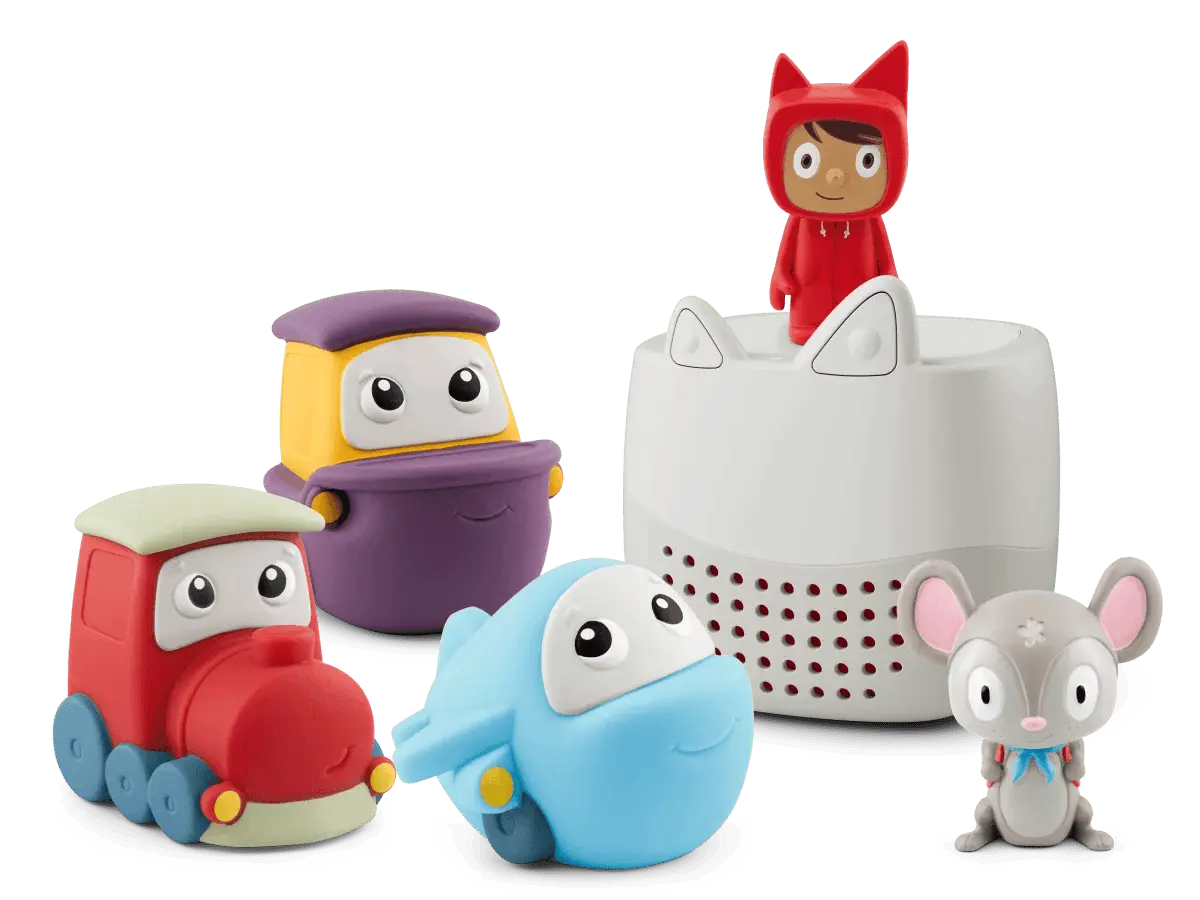
- The Solution: Child-operated, screen-free audio systems (such as the Toniebox Lite). By tapping, tilting, or squeezing tactile figures, toddlers can independently manage audiobooks, music, and stories. Weighing under 11 ounces and fully compatible with existing physical figurines, it provides portable, engaging distraction during errands or nursing sessions.
9. Custom Keepsake Accents & Dedicated Self-Care
- The Problem: Group gifts often lean so heavily into utility that the emotional celebration of the mother herself gets lost in the logistics.
- The Solution: Pairing a major functional group gift with a sentimental, low-cost add-on—such as custom-engraved brass tags for diaper bags or luxury self-care packages (e.g., bath immersions and restorative skincare from brands like Lush). Reminding the mother that her well-being matters independent of her output is a vital psychological anchor.
Official Statements & Expert Perspectives
Parenting authorities and family sociologists emphasize that the cultural pivot toward utility-driven group gifting represents a maturing of modern social support networks.
"The hardest part of expanding a family isn’t the acquisition of baby clothes; it is the radical restructuring of domestic time and attention," notes Dr. Elena Vance, a family systems researcher and developmental psychologist. "When communities pool their resources to buy a mother time-saving technology or modular play infrastructure, they aren’t just buying a gadget—they are actively investing in her mental health and the relational stability of the entire household."
Industry analysts point out that collaborative gifting models are rapidly outpacing traditional registry purchases for secondary children.
"Retailers are seeing a definitive shift," explains consumer goods strategist Marcus Thorne. "For first-time parents, volume is everything. For second-time parents, velocity and efficiency are the primary metrics. Group-gifting platforms have made it frictionless for friends to bypass the clutter and fund high-ticket items that genuinely alter daily quality of life."
Future Outlook: The Next Generation of Village Support
As modern families continue to navigate the complexities of raising children without the proximity of traditional extended-family "villages," the mechanisms of community support must adapt. The baby sprinkle, elevated by coordinated group gifting, serves as a vital micro-model for modern communal care.
Looking forward, the trend is projected to move further away from disposable consumerism and toward durable, high-utility, and resale-friendly infrastructure. By shifting the focus from accumulating objects to preserving maternal sanity and developmental safety, communities are establishing a new standard of support—one that recognizes that taking care of a mother is the most effective way to take care of a family.

