In the modern middle and high school classroom, diversity of thought, background, and perspective creates a vibrant academic ecosystem—yet it simultaneously serves as a breeding ground for interpersonal friction. From scientific project disputes and social exclusion to perceived disrespect and cross-group misunderstandings, student conflict is an inevitable daily reality. Historically, educational institutions approached these friction points through a reactive lens: administering punitive measures, meting out detentions, or separating disagreeing parties after a rupture had already occurred.
However, contemporary educational research and social-emotional learning (SEL) frameworks advocate for a paradigm shift. Progressive educators and adolescent psychologists emphasize that conflict resolution in middle and high schools is not about eradicating disagreements entirely. Instead, the ultimate objective is to provide adolescents with the explicit tools, self-regulation mechanisms, and communication strategies necessary to navigate these challenges independently and constructively.
Implementing robust conflict resolution strategies yields extensive dividends, transforming classrooms from volatile environments into collaborative communities. By prioritizing relationship-building, active listening, emotional regulation, and self-advocacy, educators can help pre-teens and teenagers reframe conflict as a natural mechanism for personal growth, boundary-setting, and mutual understanding. This report explores the core methodologies, neurological foundations, and practical frameworks shaping effective conflict resolution in secondary education today.
Detailed Chronology and Pedagogical Evolution
The integration of conflict resolution into school curricula did not happen overnight; it represents a decades-long evolution in educational philosophy.
The Shift from Punitive to Proactive (Late 20th Century)
For generations, school discipline models relied almost exclusively on compliance and punitive deterrence. If two students fought or argued, both faced immediate administrative consequences designed to deter future behavior through fear of punishment. However, educational reformers in the late 1980s and 1990s began recognizing that punishment fails to teach alternative behaviors. This realization sparked the introduction of peer mediation programs and basic communication workshops in select secondary schools.
The Rise of Social-Emotional Learning (2000s–2010s)
As neuroscience began unveiling the mechanics of adolescent brain development, schools adopted more holistic frameworks. Organizations like the Collaborative for Academic, Social, and Emotional Learning (CASEL) popularized frameworks that embedded SEL into core instructional time. Conflict resolution transitioned from an emergency intervention handled exclusively by guidance counselors to a daily, classroom-integrated competency taught by general education teachers.
The Modern Framework: Proactive Skill-Building (Present Day)
Today, modern classrooms utilize a proactive blueprint. Educators no longer wait for fights to break out or social groups to fracture. Instead, current pedagogical models weave active listening, perspective-taking, emotional regulation, and structured scenario discussions directly into daily routines. By normalizing healthy disagreements and practicing civil discourse over high-interest, low-stakes topics, contemporary educators prepare students to manage high-stress interpersonal conflicts autonomously.
Supporting Context & Metrics: The Science of Adolescent Conflict
To understand why specific conflict resolution strategies work, educators and administrators must examine the biological and social dynamics governing the adolescent mind.
The Neurological Driver: Amygdala vs. Prefrontal Cortex
When a middle or high school student experiences an interpersonal conflict, their brain undergoes an immediate neurological reaction. Driven by an immature prefrontal cortex (the area responsible for long-term planning, impulse control, and rational decision-making) and a hyper-responsive amygdala (the emotional "fight, flight, or freeze" center), stressed teens frequently react impulsively.
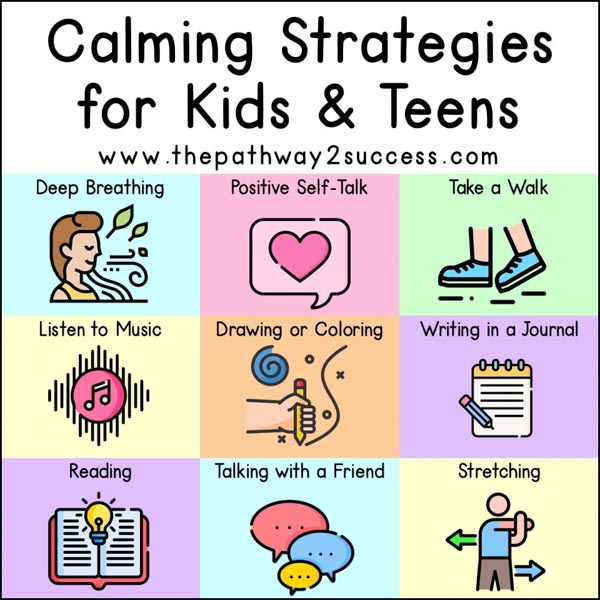
When the amygdala hijacks the neurological system, rational communication becomes nearly impossible. Consequently, modern conflict resolution frameworks prioritize calming strategies—such as deep breathing, grounding exercises, and positive self-talk—as an indispensable prerequisite to problem-solving. Only once physiological calm is restored can the prefrontal cortex re-engage, allowing students to process information logically and choose peaceful solutions.
The Social Dynamics of Middle and High School
Adolescence is a critical window for identity formation and peer connection. During these years, social standing, inclusion, and autonomy take center stage. Metrics from educational studies consistently indicate that classrooms with high levels of perceived relational safety experience fewer behavioral disruptions and higher academic engagement. When students feel genuinely connected to their peers and teachers, they possess a higher emotional threshold for working through disagreements.
Conversely, when classrooms lack structured spaces for dialogue—such as class meetings or daily reflection circles—minor misunderstandings frequently escalate into systemic bullying, social ostracization, and classroom alienation.
Comprehensive Conflict Resolution Frameworks for Educators
Successfully embedding conflict resolution into secondary classrooms requires a multifaceted approach. Educators utilize a blend of preventative community-building and explicit skill instruction.
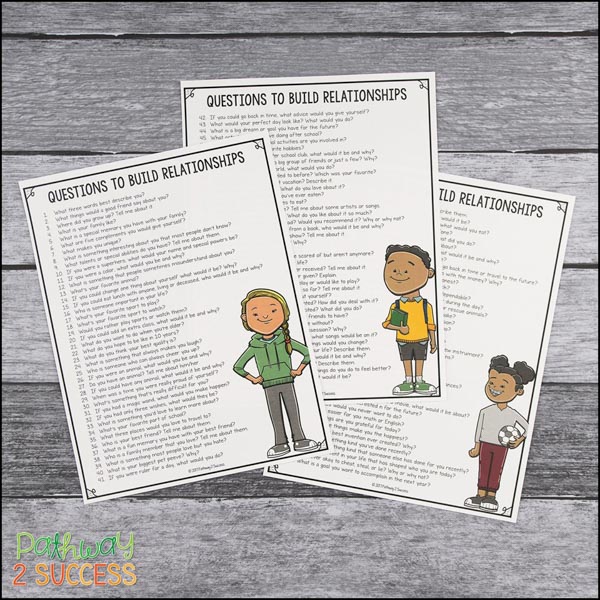
1. Prioritizing Relationship-Building
The foundation of any effective conflict resolution strategy is relational trust. Navigating disagreements is inherently vulnerable; it requires admitting fault, listening to opposing viewpoints, and compromising. These actions are exceedingly difficult in an environment where students feel anonymous or unsafe.
Classroom Application: Educators utilize structured relationship-building questions during morning meetings or homeroom periods. By exploring non-academic, low-stakes topics, students discover commonalities and develop empathy for one another, setting the stage for collaborative problem-solving when academic or social friction inevitably occurs.
Conflict is not inherently destructive; when handled correctly, it is a vehicle for clarity and innovation. Students must be explicitly taught that different scenarios demand different tactical responses.
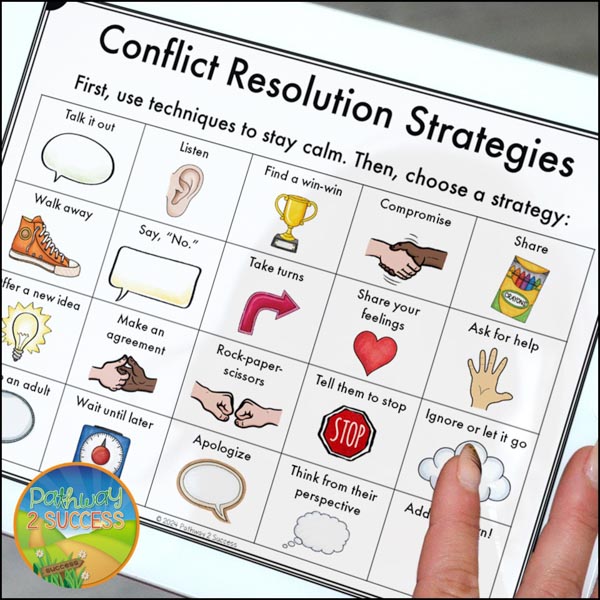
Tailored Approaches: A disagreement over a group science project requires collaborative negotiation and active listening. Conversely, a situation involving peer pressure or boundary violations requires assertive self-advocacy (e.g., firmly stating "no"). Educators introduce these distinct pathways through dedicated lessons and scenario cards.
3. Cultivating Active Listening
True active listening—hearing to understand rather than simply waiting for a turn to speak—is a learned discipline that does not come naturally to developing brains.
Implementation: Teachers integrate active listening exercises across various subjects. Students practice repeating back a peer’s core argument before offering a counter-perspective, ensuring that every individual feels validated and heard during a dispute.
4. Implementing Calming and Self-Regulation Strategies
Because the adolescent brain defaults to reactive states under stress, teaching physiological self-regulation is paramount.
Daily Integration: Classrooms incorporate brief "brain breaks" dedicated to deep breathing, guided visualization, or mindful journaling. By normalizing these calming techniques during neutral moments, students build muscle memory that they can instinctively access when high-stress conflicts arise.
5. Utilizing Conflict Scenarios and Role-Play
Abstract lectures on conflict resolution rarely yield behavioral changes. Students require practical, simulated environments to test out coping mechanisms safely.
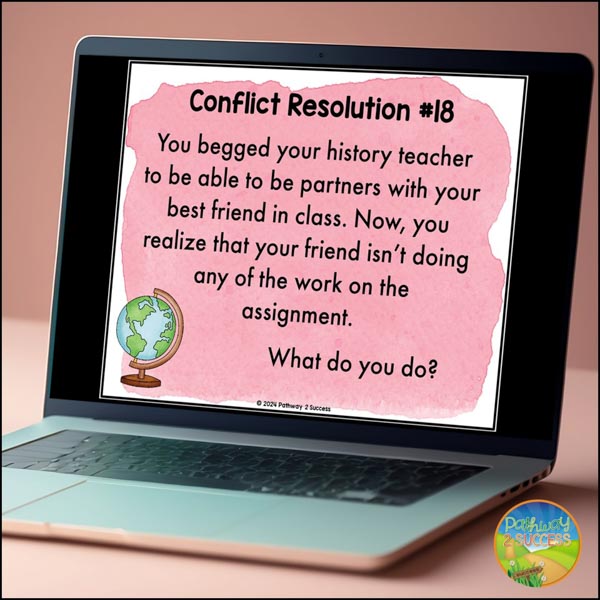
Interactive Practice: Educators present realistic middle and high school conflict scenarios—such as a peer taking credit for someone else’s work or a social exclusion incident—and lead the class in brainstorming diverse, peaceful resolutions.
6. Holding Structured Class Meetings
Class meetings offer a predictable, democratic forum for addressing classroom-wide friction.
Collaborative Problem-Solving: These semi-structured gatherings allow students to voice concerns, propose constructive solutions, and participate directly in shaping classroom norms, thereby fostering a deep sense of ownership and accountability.
7. Encouraging Self-Advocacy
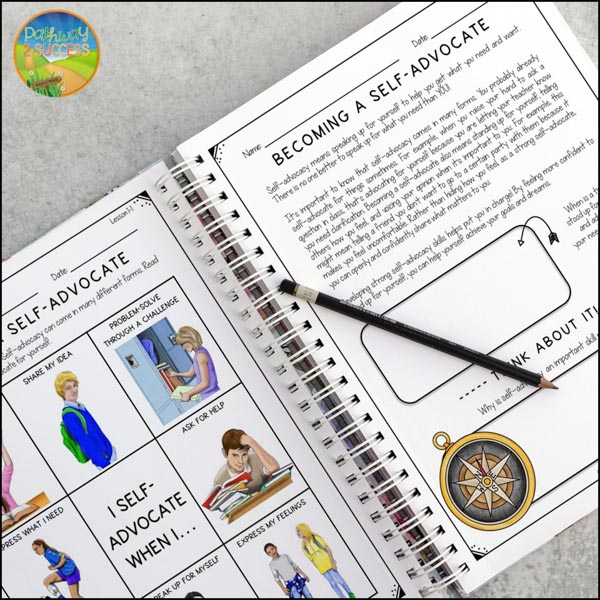
Self-advocacy and conflict resolution are mutually dependent competencies. Students cannot successfully resolve conflicts if they cannot articulate their own boundaries, needs, and limitations.
Skill Development: Teachers model and encourage assertive communication, teaching students how to ask for adult assistance when a problem exceeds their capacity, or how to politely decline uncomfortable requests without resorting to aggression.
8. Mastering Respectful Disagreement
Disagreements regarding preferences, project execution, or ideological viewpoints are unavoidable. Students must learn the linguistic tools required for civil discourse.
Phraseology: Educators provide sentence stems such as, "I see your point, but I look at it this way…" or "Can you help me understand why you chose that approach?" These phrases allow students to challenge ideas without attacking individuals.
Official Statements and Expert Perspectives
Educational leaders and behavioral specialists continue to champion the integration of structured conflict resolution into secondary education, highlighting its far-reaching implications for civic life and workforce readiness.
Dr. Elena Vance, a prominent educational psychologist specializing in adolescent behavioral development, notes:
"We do our teenagers a profound disservice when we treat conflict as a disruption rather than a developmental milestone. The middle and high school years are the exact crucible where lifelong social templates are forged. If we only punish conflict rather than dissecting it, teaching emotional regulation, and practicing active listening, we send young adults into the world unequipped for the collaborative realities of modern careers and civic participation."
Furthermore, school administrators implementing systemic SEL frameworks report measurable improvements in overall school climate.
"When students possess a shared vocabulary for disagreement and clear avenues for self-advocacy, disciplinary referrals drop significantly," shares Marcus Sterling, a veteran high school principal. "More importantly, the students take pride in solving their own disputes. It shifts the culture from adult-policed compliance to student-driven accountability."
Future Outlook: The Next Frontier in Student Conflict Management
As educational landscapes continue to shift, the domain of conflict resolution is expanding to meet new generational challenges.
The Digital Dimension
A significant frontier for modern educators involves navigating digital and cyber-conflict. With social media, group chats, and online gaming environments acting as primary socialization hubs for middle and high school students, many face-to-face disputes now originate or escalate online. Future conflict resolution curricula must increasingly incorporate digital citizenship, teaching teens how tone translates digitally, how to manage online exclusion, and how to de-escalate digital drama before it spills over into physical hallways.
Culturally Responsive Conflict Resolution
As classrooms grow increasingly diverse, educators are recognizing that conflict styles are often culturally conditioned. What one student perceives as direct assertiveness, another may interpret as disrespect. Moving forward, the most effective conflict resolution frameworks will emphasize cultural humility and localized emotional literacy, ensuring that strategies respect diverse backgrounds while building universal bridges of communication.
Conclusion
Ultimately, conflict resolution in the middle and high school classroom is not a static checklist of rules, but an ongoing, dynamic practice. By moving beyond reactive discipline and embracing proactive, skills-based education—anchored in relationship-building, emotional regulation, active listening, and respectful dialogue—educators can empower the next generation to transform interpersonal friction into lasting connection and growth.