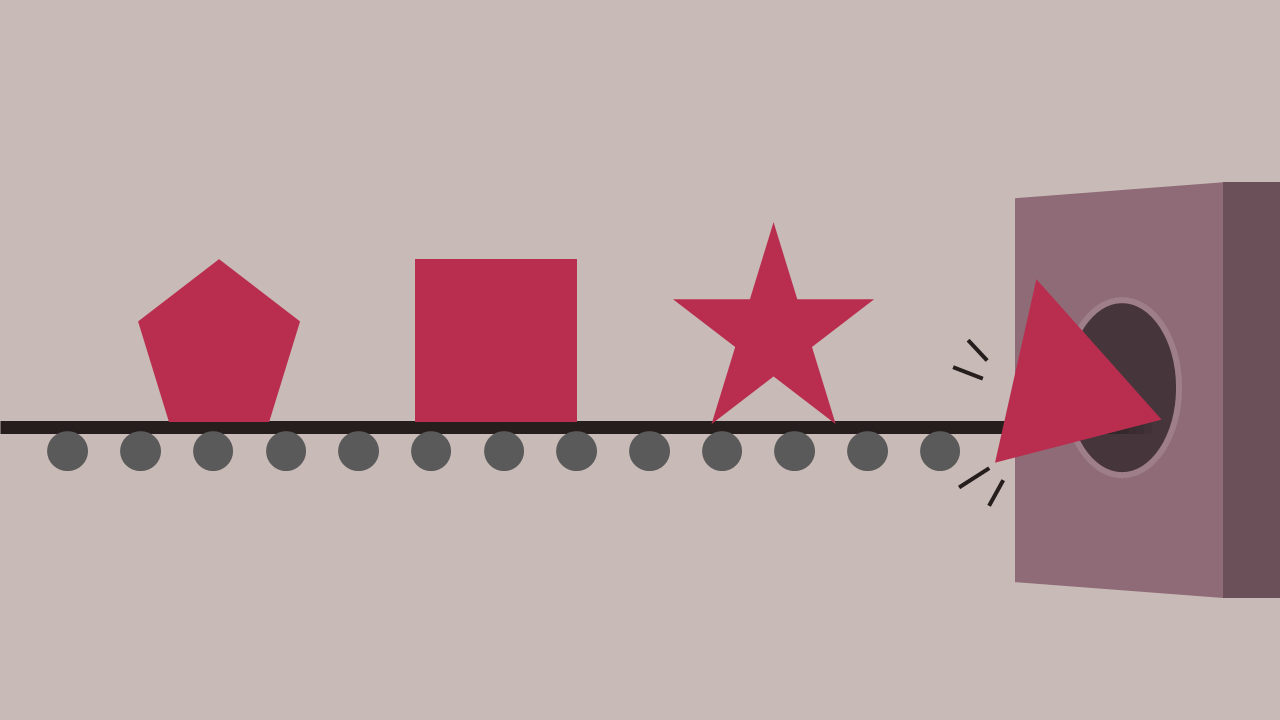
In the modern educational landscape, the start of a new academic year rarely brings a call to maintain the status quo. Instead, faculty members are typically greeted with a fresh slate of district-mandated programs, branded leadership models, and systemic overhauls. Yet, despite the billions of dollars and millions of hours invested in school improvement initiatives, a familiar cycle persists: an initiative rolls out with great fanfare, struggles to gain traction, causes widespread fatigue among educators, and is ultimately replaced a few years later by the next "silver bullet."
To diagnose why so many well-intentioned reform efforts falter, researchers and education experts Jal Mehta and Max Yurkofsky spent years investigating schools and districts striving to do better. Their findings—compiled in their landmark book, A Chance to Solve Their Own Problems—reveal a systemic disconnect between how change is engineered from the top and how learning actually happens on the ground.
According to Mehta and Yurkofsky, lasting educational reform cannot be imposed through rigid, top-down blueprints. Instead, true systemic improvement requires a delicate alignment of mindsets, routines, and practices, all operating within a psychologically safe environment where educators are treated as capable problem-solvers rather than passive implementers. This report explores the core pitfalls of traditional school reform, the structural conditions necessary for authentic change, and a roadmap for educational leaders looking to break free from the perpetual cycle of reform fatigue.
Detailed Chronology & Evolution of School Reform
To understand why contemporary school improvement models often fail, it is helpful to trace the evolution of how educational institutions have attempted to solve their deepest challenges over the past several decades.
Era of Top-Down Standardization (Late 20th Century)
For decades, school reform was largely synonymous with compliance and standardization. District offices would identify lagging student performance metrics, select a prepackaged curriculum or instructional strategy, and cascade mandates down to school principals and teachers. The underlying assumption of this era was mechanical: if educators were given a standardized toolkit and monitored for strict adherence (fidelity), student outcomes would reliably improve.
The Rise of Improvement Science (2010s)
As the limits of rigid standardization became apparent, educational researchers began importing improvement science frameworks from fields like healthcare and manufacturing—most notably the Plan-Do-Study-Act (PDSA) cycles. These models were heralded as a democratic evolution. Rather than handing down generic solutions, these frameworks gave educators structured methodologies to study local problems, test rapid interventions, and adjust based on real-time data. In theory, this put agency back into the hands of teachers.
The Modern Implementation Paradox (Present Day)
In practice, however, improvement science frameworks frequently suffered the fate of the very models they replaced. Rather than serving as flexible tools for inquiry, they often calcified into yet another bureaucratic requirement. Districts began training teachers on the process of improvement rather than creating the conditions for actual problem-solving. Consequently, educators felt overburdened by procedural compliance, and the underlying institutional inertia remained untouched. It is this historical evolution—from rigid mandates to proceduralized improvement science—that Mehta and Yurkofsky examine in their research, seeking to rescue authentic problem-solving from the machinery of reform.
Supporting Context & Core Pathology: Why School Improvement Goes Wrong
Through their empirical research, Mehta and Yurkofsky identified four foundational missteps that consistently derail school improvement efforts.
1. Leaving Out the People Closest to the Problem
A core pathology of traditional reform is its hierarchical orientation. Problems are diagnosed by administrators sitting in central offices, far removed from the daily realities of the classroom.
As Mehta points out, true engagement hinges on local ownership:
"Are you addressing a problem that teachers think that they have, or are you addressing a problem that you think teachers have? Because if ultimately this is a process that’s going to be taken up by educators, educators need to feel really connected to the problem."
When top-down directives ignore the frontline expertise of teachers, the entire reform effort is viewed as an external imposition rather than a genuine quest for a solution.
2. Focusing on People Instead of Systems
When student or teacher performance falls short, school systems frequently rely on data to isolate individual struggles—attributing failure to a specific teacher’s competency or a student’s background. Yurkofsky argues that effective improvement requires looking past the individual to examine the surrounding system.
"What’s more helpful is to go one layer deeper and think about, why is this particular teacher struggling with those standards? What part of the system is contributing to that outcome continuing to happen? … How is our instruction set up to support this teacher? How are we coaching and onboarding? What kinds of curriculum are we using? Where might that be falling short?"
By shifting the lens toward systemic evaluation, schools normalize vulnerability. It becomes safer for educators to admit institutional shortcomings—such as a weak curriculum or inadequate professional development—without fearing professional reprisal.
3. The Trap of Fidelity Over Learning
When districts invest in new instructional materials, they often demand strict "fidelity" to the program design. Yurkofsky warns that an obsession with fidelity directly inhibits organizational learning.
Because no external curriculum is custom-built for a specific school’s unique cultural and demographic context, successful integration requires ongoing adaptation. Yurkofsky champions the concept of adaptive integration over blind adherence:
"Fidelity is never the point. Fidelity means we’re not learning. You’re integrating something adaptively into your system to make it work for your system. And that’s a continuous process."
4. Jumping to Solutions Before Defining the Problem
A common efficiency trap in education is rushing toward a solution before taking the time to precisely define the underlying problem. Once a district invests capital in a specific program or technology, the institutional incentive shifts toward defending that purchase rather than evaluating its fit.
Mehta illustrates this through a design-thinking exercise with his university students. Tasked with improving a physical building, students quickly concluded that the school needed "phone booths for Zoom calls." Mehta challenged this assumption: the solution (phone booths) had eclipsed the true problem (the need for private spaces for virtual communication). Broadening the definition of a problem preserves space for a diverse array of creative, context-specific solutions.
Official Insights & Frameworks: The Building Blocks of Effective Improvement
When school improvement initiatives actually succeed, Mehta and Yurkofsky found that they rely on the simultaneous integration of three fundamental pillars: mindsets, routines, and practices.
+-------------------------------------------------------------+
               THE PILLARS OF SUSTAINABLE REFORM
+-------------------------------------------------------------+
|  1. MINDSETS : Belief in the problem & professional agency  |
|  2. ROUTINES : Regular collaborative structures             |
|  3. PRACTICES: Disciplinary expertise & instructional tools |
+-------------------------------------------------------------+
Mindsets
Beliefs and assumptions dictate the boundary of what educators believe is possible. For example, if secondary school teachers operate under the mindset that teaching literacy is exclusively the job of elementary educators, no amount of coaching or curricular adjustments will yield literacy gains. Sustainable reform requires participants to believe deeply in the validity of the problem and view themselves as empowered change agents.
Routines
Routines provide the structural scaffolding necessary for collaborative inquiry. Whether through regular protocol-driven meetings to analyze student work, peer classroom observations, or collaborative data-sharing sessions, routines prevent innovation from becoming an isolating experience. Without routines, well-meaning innovators feel marooned on "islands," unable to scale their insights across the broader system.
Practices
Practices represent the concrete strategies, materials, and disciplinary expertise required to execute change. As Mehta notes, an organization cannot simply process-map its way into pedagogical excellence. At a certain point, educators require deep, external, or internal domain expertise:
"You’re not gonna, like, PDSA cycle your way from one kind of teaching to another… the ideas have to come from somewhere."
Future Outlook: Cultivating an Environment for Long-Term Growth
Possessing the right mindsets, routines, and practices is insufficient if the surrounding institutional ecosystem is hostile to risk-taking. To safeguard these elements, educational leaders must intentionally cultivate three supportive environmental conditions:
Protect Time and Space: Recognizing that time is the ultimate scarce resource in education, system leaders must actively ring-fence collaborative hours, shielding teachers from administrative noise so they can engage in deep, reflective inquiry.
Make It Safe to Learn: Educational environments must de-stigmatize failure. True learning requires experimentation, and experimentation inherently involves false starts. If failure carries professional penalties, educators will naturally default to compliance and concealment.
Embed Improvement Within Broader Strategy: Improvement methodologies must serve a larger, purposeful vision rather than existing as standalone bureaucratic rituals.
Conclusion: Embracing Problems as a Gift
Transforming school culture cannot be accomplished overnight. However, the journey toward sustainable improvement can begin with a fundamental shift in perspective. As Max Yurkofsky observes, leaders must learn to "view problems as a gift."
When educators feel safe enough to voice structural truths about what is failing in their classrooms, it is an indicator of deep institutional trust. By responding to these disclosures with intellectual curiosity rather than defensiveness, school leaders can finally offer teachers what they have long deserved: a genuine chance to solve their own problems.