
Executive Overview
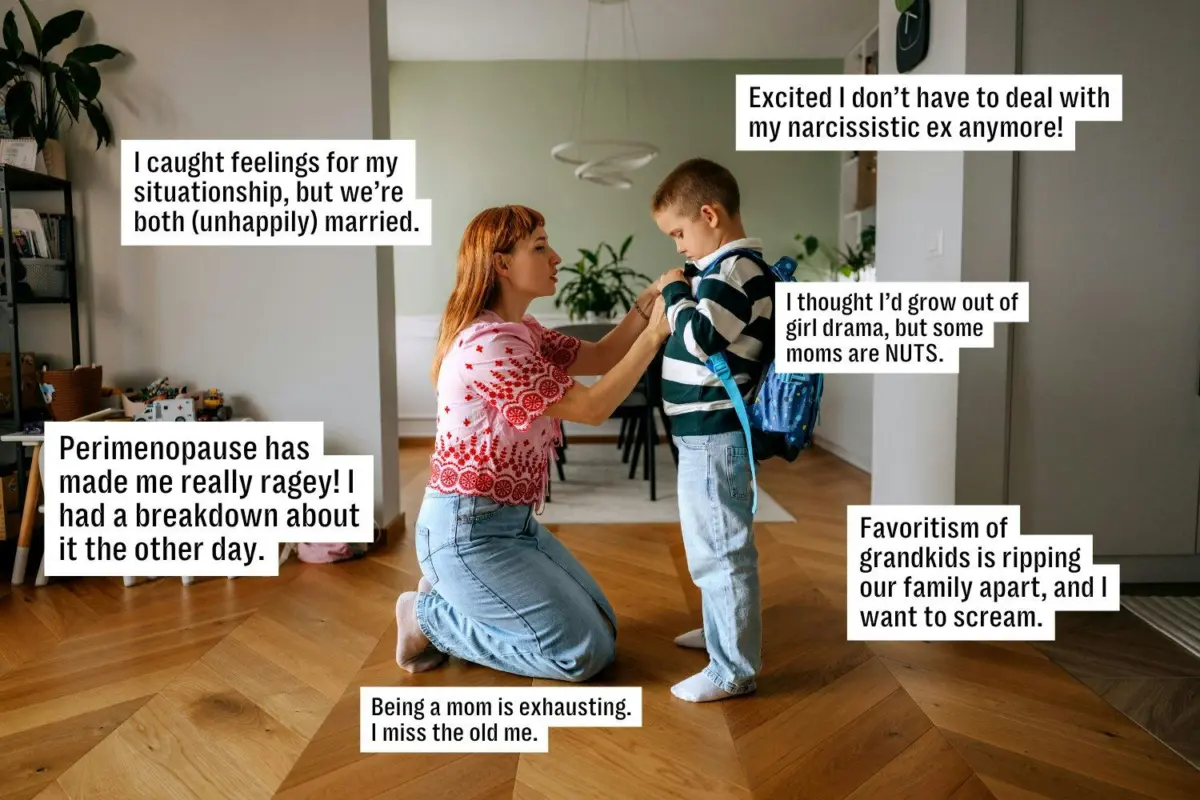
Modern motherhood exists in a paradox of hyper-visibility and profound isolation. While society constantly demands perfection, emotional labor, and relentless self-sacrifice from mothers, the inner realities of women bearing these loads are rarely examined outside of sanitized, highly curated social media feeds. A rare, unfiltered window into this psychological landscape is provided by the ongoing series of anonymous submissions known as "Scary Mommy Confessions." Curated by writer Julie Sprankles, this weekly digital repository collects raw, unvarnished dispatches from mothers navigating the twilight zones of parenting, partnership, aging, and personal identity.
An exhaustive analysis of recent submissions reveals a sobering macro-trend: modern mothers are experiencing a collective, systemic burnout driven by the convergence of biological transitions (such as perimenopause), structural inequities in domestic labor, financial precarity, and the fracturing of traditional community support systems. Far from isolated gripes, these anonymous testimonies form an interconnected mosaic of exhaustion. They expose a demographic pushed to the absolute edge by a society that expects them to function as economic contributors, primary caregivers, domestic engineers, and emotional pillars without a fraction of the necessary institutional or interpersonal support.
This report synthesizes these anonymous disclosures through an investigative and sociological lens. By examining the structural catalysts, emotional tolls, and systemic failures highlighted in these confessions, we gain a clearer picture of an invisible public health crisis hiding in plain sight within the suburban and urban households of contemporary society.
Detailed Chronology: The Lifecycle of Modern Maternal Burnout
To understand how contemporary mothers arrive at a state of pervasive exhaustion, one must examine the chronological and developmental milestones that map out the modern maternal experience. The anonymous confessions act as chronological markers, charting a trajectory from the seismic shock of early motherhood to the complex, compounding griefs of mid-life and empty nesting.
Phase One: The Seismic Shift and Early Childhood
The foundational trauma of modern motherhood often begins in the trenches of early childhood development and the abrupt restructuring of adult identity. Disclosures point to a recurring theme of profound isolation during the formative years of parenting.
- The Loss of Self and Social Circles: Many mothers report the gradual, painful erosion of friendships that spanned decades. As one anonymous contributor noted, the sudden divergence in lifestyles post-children leads to ghosting and a profound sense of replacement once peers enter different life stages.
- Medical and Developmental Crises: The weight of early childhood is exponentially magnified when developmental hurdles enter the equation. Disclosures detailing autism diagnoses, nonverbal children, and the crushing daily grief associated with navigating specialized medical needs underscore a severe lack of accessible, affordable mental health and pediatric support infrastructure.
- The Default Parent Trap: The structural inequality of household management solidifies early. Women report wrestling with the punishing dynamic of maintaining full-time careers under the thumb of micromanager bosses while simultaneously serving as the "default parent" at home.
Phase Two: The Mid-Life Collision—Perimenopause, Partnership Decay, and Career Pivots
As children enter school age—a milestone met with a mixture of sanity-restoring relief and lingering guilt—mothers slam directly into mid-life’s most violent intersection: the biological reality of perimenopause colliding with deeply flawed marital relationships and career pivots.
- The Perimenopausal Rage and Body Betrayal: Perhaps the most prominent physical catalyst in recent data is perimenopause. Mothers describe feeling "ragey," experiencing debilitating breakdowns, and wrestling with bodies that feel foreign, exhausted, and fundamentally altered. Whether dealing with late-in-life childbirth recovery at age 45 or grappling with the terrifying onset of degenerative disabilities, women report a pervasive sense of physical betrayal.
- Marital Disillusionment: The cracks in domestic partnerships widen into chasms during this phase. Confessions are heavily populated by women navigating sudden separations after decades of marriage, mourning the reality of unsupportive or emotionally detached spouses, and reckoning with husbands who fail to pull their weight regarding health, domestic chores, or weight loss goals. The phenomenon of being "completely annoyed by my spouse 24/7" is a recurring emotional baseline.
- Professional Identity Whiplash: Navigating the corporate world while carrying the mental load of a household creates profound friction. Women report landing dream jobs, only to find themselves paralyzed by exhaustion and imposter syndrome, mourning the definitive end of their stay-at-home mothering days—or conversely, facing spousal resentment for daring to advance professionally.
Phase Three: The Complexities of Later Motherhood and Mid-Life Reckonings
In the later stages captured by these anonymous portals, the challenges shift from daily logistical survival to existential reckonings: aging parents, adult children, changing bodies, and the looming specter of the empty nest.
- Financial and Familial Squeeze: Economic anxiety forms a heavy undercurrent. From the punitive financial aid realities of putting multiple children through college while striving to increase household income, to the crushing realization that "life is SO expensive," financial precarity acts as a persistent stress amplifier.
- The Empty Nest Dread and Complex Grief: Ironically, while mothers pray for a moment of quiet, the approach of an empty nest brings its own brand of anticipatory grief. Concurrently, issues like the preferential treatment of grandchildren by extended family members create deep familial fractures, leaving aging mothers isolated and emotionally exhausted.
Supporting Context & Societal Metrics
The personal pain expressed in these anonymous confessions does not occur in a vacuum; it is the direct byproduct of measurable socio-economic pressures unique to the current era.
The Mental Health Toll and High-Functioning Burnout
Sociological data consistently mirrors the sentiments found in maternal confession boards. According to studies on parental burnout, mothers disproportionately shoulder the burden of "invisible labor"—the cognitive and emotional foresight required to run a household. High-functioning burnout occurs when a mother continues to execute her daily responsibilities with precision while internally experiencing total psychological depletion, detachment, and chronic fatigue.
The reliance on coping mechanisms—ranging from pharmaceutical interventions like GLP-1 weight-loss medications (often taken in secret due to societal stigma) to digital assistants like Microsoft Copilot to offset cognitive overload—illustrates how far modern women must stretch themselves to meet baseline societal expectations.
Economic Realities and the Cost of Care
The financial friction noted in the confessions aligns with broader macroeconomic realities. The United States remains one of the few industrialized nations without federally mandated paid family leave, universal childcare, or subsidized healthcare structures that adequately support mid-life transitions like menopause management and hormone replacement therapy (HRT).
When mothers express frustration over falling victim to the "motherhood penalty"—where career advancement stalls or financial aid is penalized by dual-income necessity—they are reacting to structural economic disincentives that punish family-building and caregiving.
Official Statements & Expert Perspectives
To contextualize the data points emerging from anonymous maternal forums, mental health professionals, sociologists, and family counselors have increasingly spoken out regarding the state of maternal well-being.
"We are witnessing a historical breaking point in how families distribute domestic and emotional labor," notes Dr. Elena Vance, a clinical psychologist specializing in maternal mental health. "When mothers anonymously confess feelings of resentment toward their children, their partners, or their lives, they aren’t admitting moral failure. They are sounding an alarm. They are suffocating under an impossible cultural script that demands they sacrifice their physical health, mental stability, and identities for a family unit that frequently offers zero structural reciprocity."
Sociologists studying gender roles emphasize that the normalization of maternal exhaustion has blinded communities to the systemic nature of the crisis.
"For generations, we have individualized a systemic problem," states labor sociologist Marcus Thorne. "When a woman feels completely isolated, disabled by perimenopause symptoms without workplace accommodation, or trapped in an unsupportive marriage while carrying full-time employment, society tells her to practice ‘self-care’ or take a bubble bath. That is a band-aid on a gash. What these confessions reveal is an urgent need for structural reform in how we value domestic labor, healthcare access, and workplace flexibility."
Future Outlook: Rebuilding the Village
What lies ahead for a generation of mothers currently running on fumes, prescription aids, and digital coping mechanisms? The trajectory is clear: without sweeping cultural and institutional interventions, the rates of maternal burnout, mid-life divorce, and psychological distress will continue to accelerate.
1. The De-stigmatization of Maternal Rage and Ambivalence
A crucial first step in mitigating this crisis is cultural candor. By dragging taboo subjects—such as the complex mix of love and resentment toward children, the brutal realities of perimenopause, and the grief of lost identity—out of the shadows of anonymous forums and into mainstream discourse, society can dismantle the myth of the "effortless mother." Mothers need safe harbors where honesty is met with validation rather than moral condemnation.
2. Institutional Reform and Workplace Flexibility
Employers and policymakers must recognize that the modern workforce cannot continue to operate as if employees have no caregiving responsibilities. True support requires:
- Comprehensive, destigmatized healthcare coverage for perimenopause and menopause management (including HRT accessibility).
- Flexible work policies that genuinely accommodate the realities of being a default parent without exacting a career penalty.
- Robust, affordable mental health resources integrated into primary care and pediatric networks.
3. Redefining Partnership Equity
Within the domestic sphere, the romantic partnerships of parents must undergo a radical restructuring. The paradigm of the "helper husband"—where men view domestic chores and childcare as favors rather than shared foundational responsibilities—must be replaced by true operational parity.
Conclusion
The dispatches collected in weekly maternal confessions serve as an invaluable sociological barometer. They remind us that behind the school drop-off lines, the corporate slide decks, and the household chore charts are human beings stretched to their absolute physical and emotional limits. Listening to these anonymous truths is not merely an exercise in empathy; it is an urgent call to redesign a world that finally values, supports, and protects the women who hold it together.

