
Executive Overview
The holiday shopping landscape is undergoing a permanent structural transformation, and the market for children’s educational products is leading the charge. Historically confined to the chaotic, frenzy-driven hours immediately following Thanksgiving, the retail lifecycle for high-end educational playthings has broken free of traditional calendar constraints. Major retailers and direct-to-consumer educational brands are initiating deep-discount promotional cycles as early as mid-November, pivoting aggressively away from brick-and-mortar doorbusters toward robust, online-exclusive shopping experiences.
This strategic shift is not merely a response to logistical supply chain pressures; it reflects a profound evolution in consumer habits. Parents, educators, and gift-givers are increasingly prioritizing purposeful play—investing in tools that foster Science, Technology, Engineering, and Math (STEM) literacy—and they expect digital convenience to match. As e-commerce platforms ready themselves for historic traffic volumes, early digital rollouts have become the primary battleground for securing the season’s most sought-after learning robotics, chemistry kits, and logic puzzles.
Detailed Chronology of the Early-Bird Retail Shift
The democratization of Black Friday deals over the past several years marks a stark departure from the historical retail model. Understanding how the market reached this digital-first, mid-November kickoff requires examining the pressures and strategic maneuvers that reshaped the holiday retail calendar:
- Late October to Early November – Inventory Securing and Teaser Campaigns: Recognizing ongoing global shipping vulnerabilities and high consumer demand for tech-integrated playthings, major online distributors begin stockpiling inventory. Retailers launch early-bird landing pages to capture high-intent search traffic, signaling the impending rollout of competitive discounts on heavy-hitting brands like Sphero, Makeblock, and LEGO.
- Mid-November – The Official Digital Kickoff: Rather than holding inventory for Thanksgiving week, e-commerce giants and specialized educational storefronts drop the curtain on major promotional pricing. This mid-month launch mitigates server strain, spreads out warehouse fulfillment labor, and relieves delivery anxiety for families hoping to secure gifts well ahead of the December holidays.
- Thanksgiving Through Cyber Monday – The Peak Digital Convergence: While physical storefronts continue to see diminished foot traffic for specialized electronics and learning kits, online platforms hit peak transaction volume. Cyber Monday effectively merges with Black Friday into a continuous, multi-week digital shopping event characterized by flash sales, bundled packages, and rapidly shifting stock levels.
Supporting Context & Metrics: The Rise of Purposeful Play
The aggressive discounting of STEM toys during early promotional windows highlights a broader, multi-billion-dollar shift in the global toy market. According to recent retail analytics, educational toys represent one of the fastest-growing segments in the consumer goods sector. Parents are increasingly viewing play not just as a pastime, but as a critical developmental runway for future academic and professional success.
| Product Category | Primary Age Range | Core Developmental Focus | Market Trend During Holiday Season |
|---|---|---|---|
| Coding Robots & Bots | 6–12+ Years | Computational thinking, block/text coding | High demand; frequent bundle discounts |
| Logic & Marble Runs | 8+ Years | Spatial reasoning, physics, problem-solving | Steady online availability; strong gift appeal |
| Chemistry & Science Labs | 9+ Years | Chemical reactions, scientific method | High growth, particularly in female-focused sets |
| Electronics & Circuits | 7–14 Years | Electrical engineering, circuit design | Deep promotional cuts on modular kits |
Industry analysts point out that digital-only rollouts disproportionately benefit specialized educational categories. Unlike mass-market plastic toys, high-tech learning systems—such as programmable circuit boards and robotic arms—often require careful research by parents. Early online rollouts provide consumers with the time to read reviews, compare system architectures (such as Snap Circuits versus LittleBits), and make informed investments without the pressure of a crowded physical retail aisle.
Curated Guide: Top 15 STEM Toys and Learning Kits to Watch
To navigate the myriad of early discounts, industry experts have highlighted the top-performing and most sought-after STEM toys featured across major online retail channels this season:
1. mBot Neo
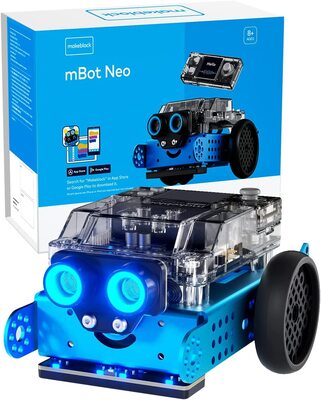
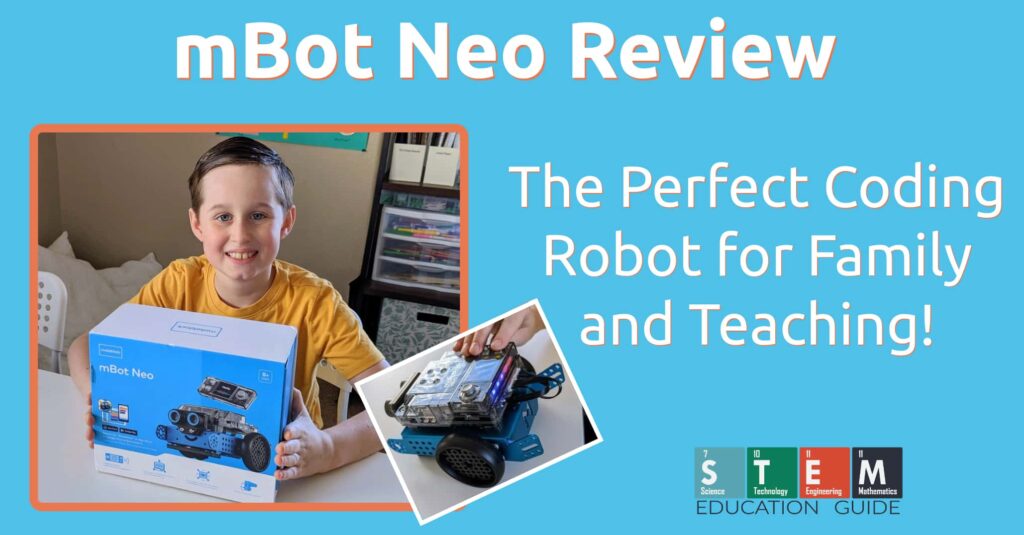
A premier DIY coding robot constructed from robust aluminum and thick plastics. Kids assemble the hardware before utilizing an app-based interface to program movement, lighting, and audio routines. For younger learners or those transitioning away from coding, it features an array of preprogrammed activities accessible via controller.
2. Sphero BOLT
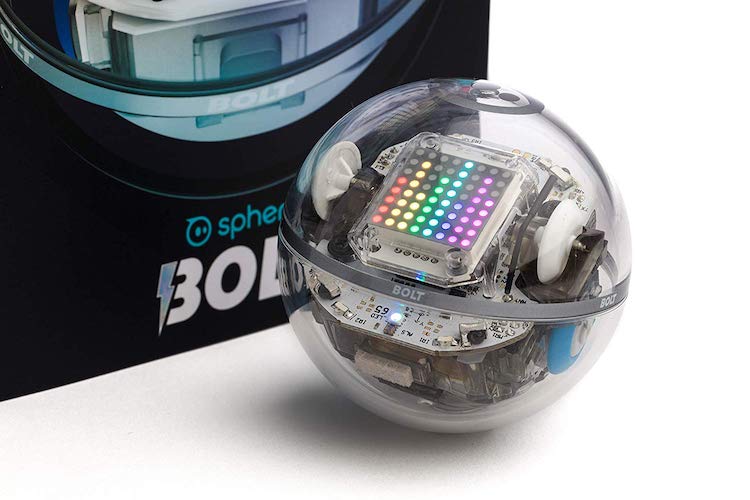
Known for its shock-proof, waterproof exterior, the Sphero BOLT is a fully programmable robotic ball. Users write custom code to control the bot’s internal LED matrix and driving systems, supporting an extensive ecosystem of beginner-to-advanced classroom and home activities.
3. Wonder Workshop Dash
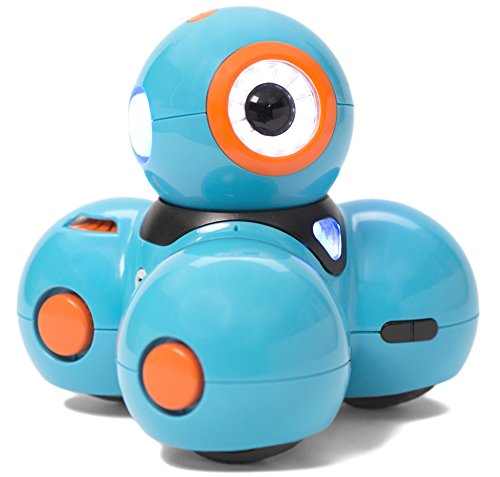
Targeted at children ages 6 and up, Dash is a responsive, fast-moving robot designed to introduce sequencing and logic. Featuring built-in microphones for interactive audio feedback and the ability to interact with other Dash units, it represents a foundational tool for collaborative robotics play.
4. Makey Makey
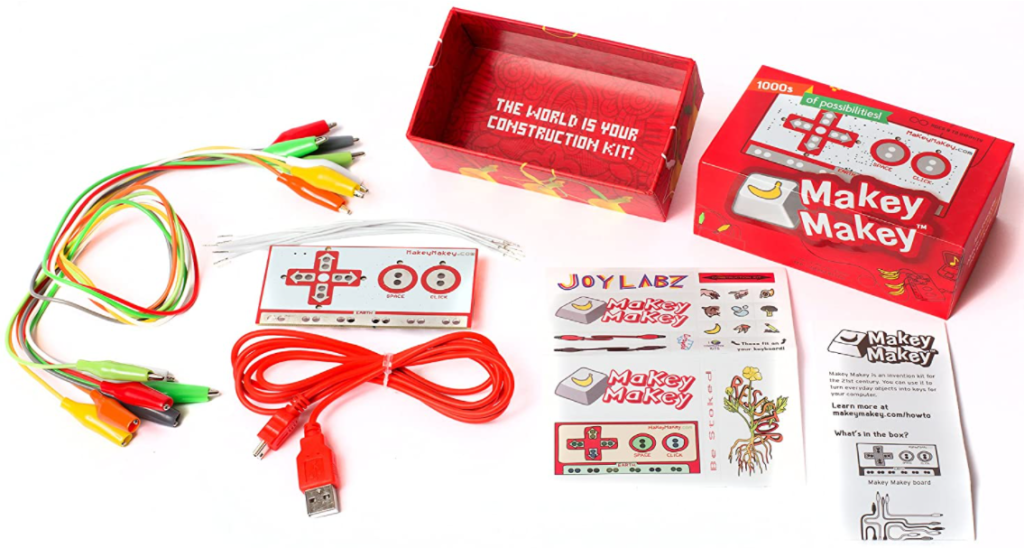
An ingenious invention kit that transforms everyday objects—from bananas to graphite drawings—into touchpads for a computer. Utilizing alligator clips and a simple circuit board, Makey Makey introduces fundamental engineering and conductivity concepts through immediate, hands-on experimentation.
5. Kaboom Explosive Science Lab Kit
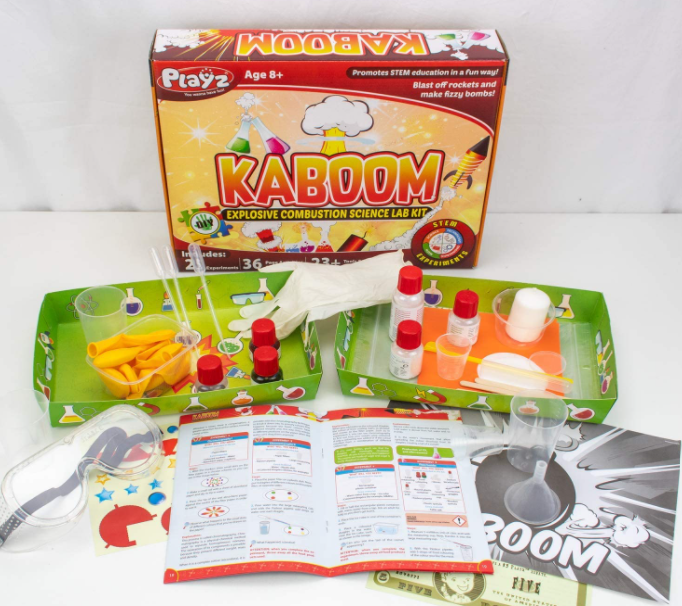
Designed to inject excitement into chemical education, this kit features over 25 experiments exploring combustion, pressure, and chemical transformations. It bridges the gap between entertainment and rigorous education by emphasizing the "why" behind each explosive reaction.
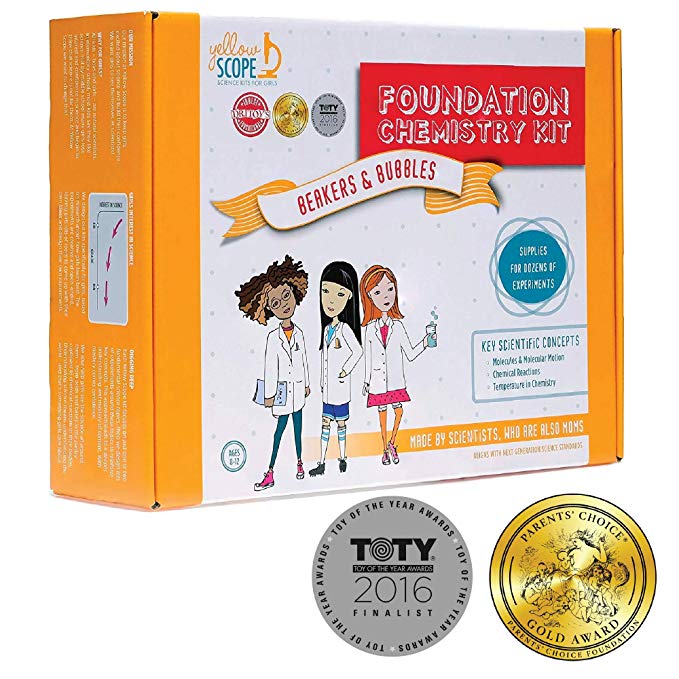
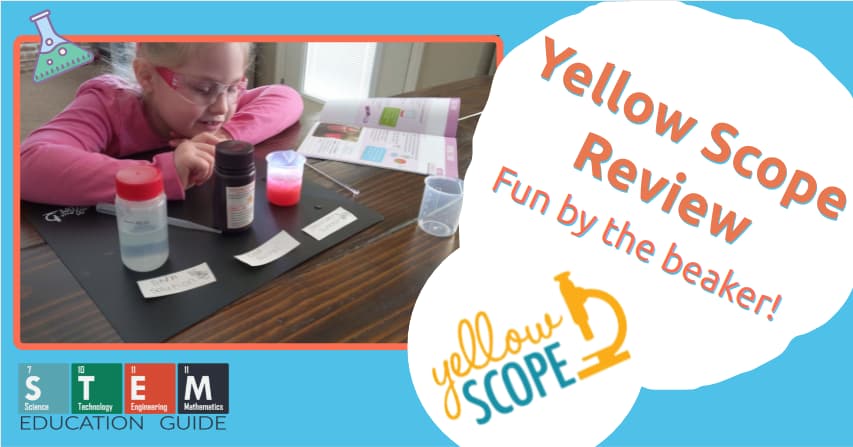
6. YELLOW SCOPE Foundation Chemistry Kit
Particularly celebrated for encouraging girls in STEM, the Beakers & Bubbles chemistry kit explores real-world applications of science, such as cosmetic chemistry and product formulation, proving that foundational lab work extends far beyond traditional school curricula.
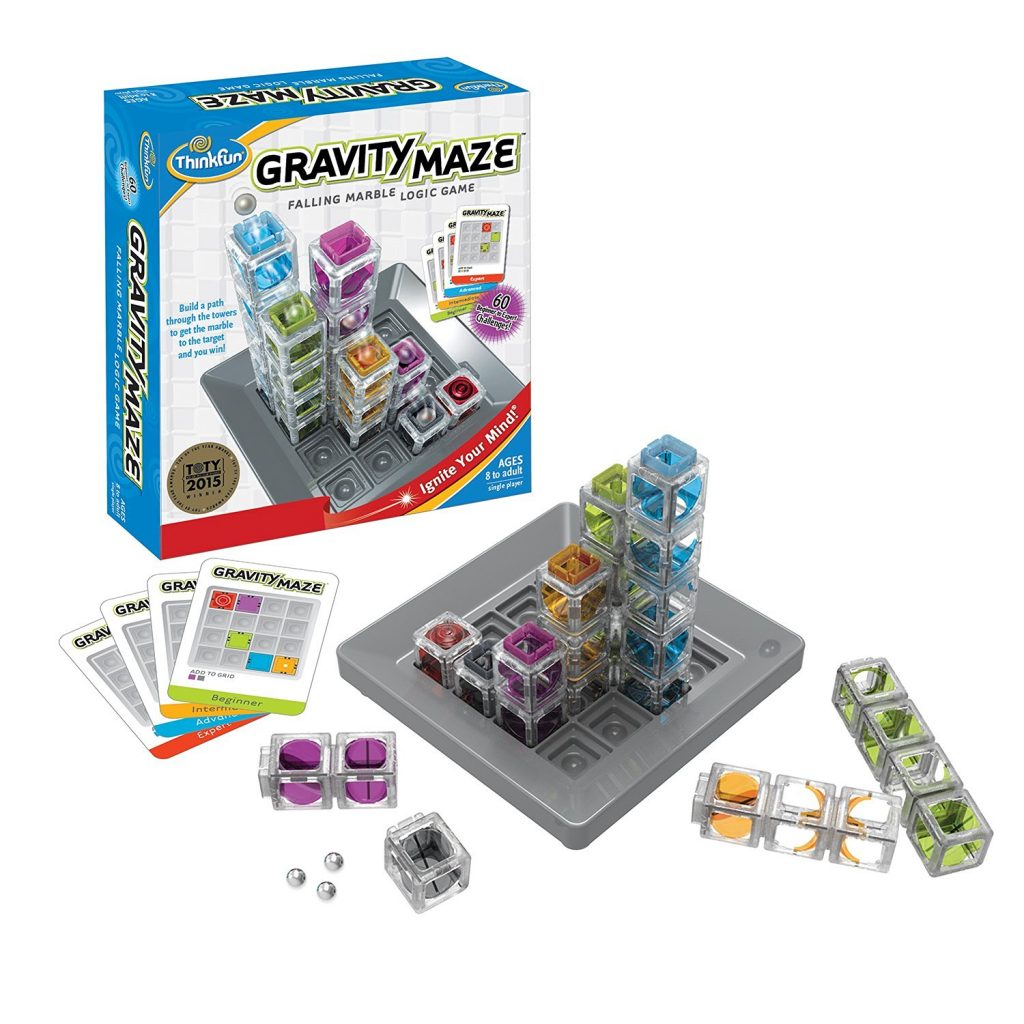
7. ThinkFun Gravity Maze Marble Run
A premier logic game and marble run hybrid that tasks players with navigating a marble through a transparent grid using tower pieces and target cards. It challenges spatial reasoning and forward-planning skills for builders aged 8 and up.
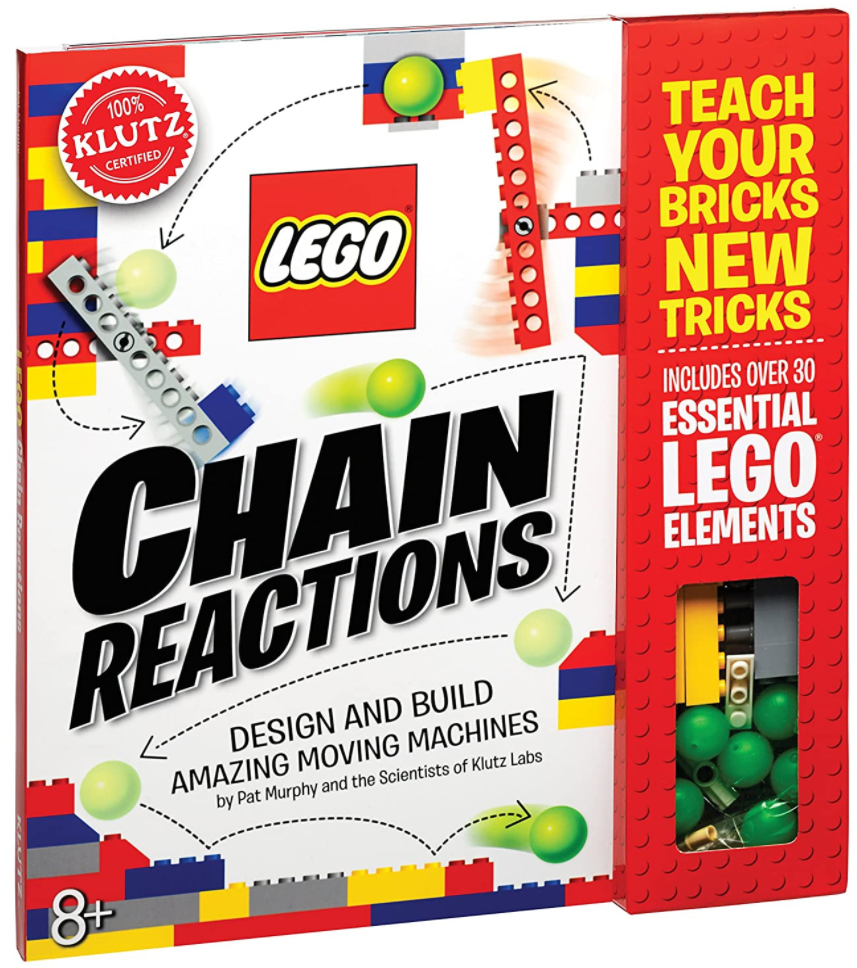
8. LEGO Chain Reactions
An engineering-focused building set that introduces principles of physics and kinetic energy. Children construct complex mechanical contraptions using standard LEGO elements, gaining confidence as they watch cause-and-effect sequences successfully unfold.
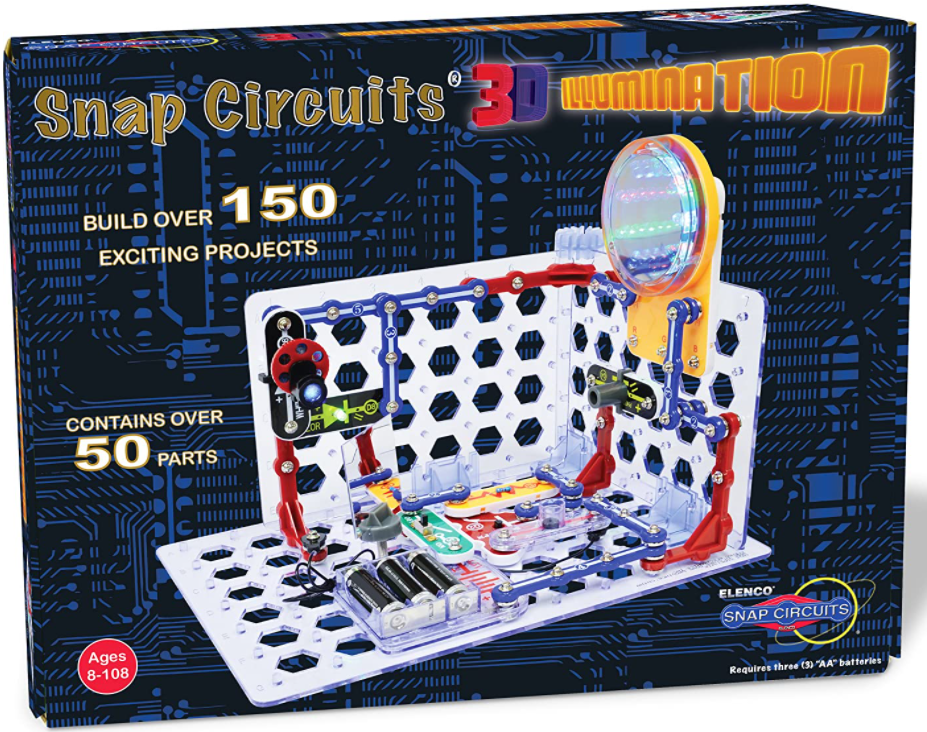
9. Snap Circuits 3D Illumination Electronics Exploration Kit
A cornerstone of electrical engineering education for children. Snap Circuits utilizes color-coded, snap-together modules to teach the fundamentals of electrical currents, lighting arrays, and circuit design without the need for soldering or specialized tools.
10. Elenco Teach Tech Hydraulic Kit (HydroBot Arm)
Introducing renewable energy and mechanical engineering principles, this robotic arm operates entirely via hydraulic plungers. With a 270-degree rotation radius, it offers tactile insight into fluid dynamics and mechanical advantage.
11. Botley The Coding Robot Activity Set
A screen-free coding solution tailored for younger learners. Using a dedicated remote programmer, children transmit directional sequences to teach Botley navigation, object avoidance, and loop routines without reliance on tablets or computers.
12. Elenco TEACH TECH Mech-5 Robot Kit
A programmable mechanical coding kit that pushes mechanical engineering further. Utilizing a physical coding wheel, children program the robot to execute complex tasks like kicking, drawing, and lifting, directly engaging their problem-solving faculties.
13. littleBits Electronic Music Inventor Kit
Fostering creativity through audio engineering, this kit allows kids to construct and program their own electronic instruments, such as guitars, using modular, magnetic electronic blocks and a supportive application interface.
14. Kid K’NEX
Designed specifically for toddlers and younger builders, this set utilizes oversized, soft, colorful plastic pieces and connection gears. It safely introduces spatial awareness and basic engineering mechanics to early learners.
15. Ravensburger GraviTrax XXL Marble Run
A modular, screen-free marble run system set upon a unique hexagonal grid. It encourages iterative engineering design as builders experiment with gravity, magnetism, and kinetic energy to optimize their custom tracks.
Official Statements and Industry Insights
Retail analysts and educational toy developers have weighed heavily on the strategic implications of this year’s digital-first promotional environment.
"The historical model of cramming holiday purchasing into a four-day window is obsolete," notes a leading retail supply chain analyst. "By pushing major STEM promotions into mid-November, retailers are successfully smoothing out logistics curves while meeting a sophisticated consumer base that demands thoughtful, developmental gifts rather than impulse purchases."
Educators echo these sentiments, emphasizing that early access to educational technology allows schools and community groups to coordinate purchasing schedules ahead of winter breaks, ensuring that children have continuous access to learning tools both inside and outside the classroom.
Future Outlook: The Evolution of Holiday Toy Procurement
Looking toward future retail cycles, the convergence of early-bird e-commerce promotions and educational toy demand is projected to solidify further. As artificial intelligence integration, augmented reality (AR) components, and advanced coding interfaces become standard features in children’s playthings, the need for informed, digital-first consumer research will only grow.
Physical retail spaces will likely continue their evolution from inventory-heavy warehouses into experiential showrooms, where families can test robotic prototypes before completing their transactions online. Meanwhile, e-commerce platforms will continue to refine mid-November promotional structures, making the pre-Thanksgiving window the definitive season for securing high-value educational technology. For parents and educators, this systemic shift offers a calmer, more deliberate path to fostering the next generation of engineers, scientists, and critical thinkers.

