In the modern educational landscape, instructional coaching and leadership are heralded as the primary drivers of institutional and classroom transformation. Yet, anyone who has ever stepped into the shoes of an instructional coach knows the sudden, defensive wall that often arises when a new teaching practice, curriculum, or behavioral management system is introduced. Traditionally, this friction—commonly labeled as "teacher resistance"—has been diagnosed as an individual shortcoming. School leaders and coaches have frequently written off pushback as a sign that a teacher is uncooperative, stuck in their ways, or fundamentally resistant to professional growth.
However, a paradigm shift is underway in the discourse surrounding educational leadership. In her ninth and latest book, How to Coach Resistance: Turning Pushback Into Possibility, renowned educational author, consultant, and coach Elena Aguilar challenges this long-standing deficit mindset. Aguilar argues that resistance is rarely a one-sided phenomenon native only to the teacher; rather, it is a dynamic, relational dance between two people. When a coach applies pressure to elicit a change, and a teacher pushes back in self-defense, a feedback loop of mutual defensiveness is born.
By reframing resistance as a shared interactive dynamic—and by offering actionable frameworks such as the ACE (Acknowledge emotions, Cultivate compassion, Expand the story) and the Gaps Framework—Aguilar provides instructional leaders with a powerful roadmap. This article explores Aguilar’s insights, examining how coaches can drop their defensive stances, decode the emotional realities and structural gaps beneath teacher pushback, and honor "righteous resistance" to unlock genuine, sustainable professional growth.
Detailed Chronology: The Evolution of Professional Coaching and the Discovery of Relational Resistance
To understand why Aguilar’s work represents a vital turning point in educational leadership, it is helpful to trace the evolution of instructional coaching over the past several decades.
Phase One: The Compliance and Mentorship Era
In the late 20th century, school support systems largely operated under a supervisory or mentoring model. Master teachers or administrators observed classrooms primarily to evaluate compliance with district standards or offer tactical survival tips to novices. In these top-down environments, when a teacher rejected a directive, the response was usually administrative enforcement. Resistance was handled as an HR issue rather than a developmental opportunity.
Phase Two: The Data-Driven Coaching Boom
As federal and state accountability measures intensified in the 2000s and 2010s, the role of the "instructional coach" crystallized. Coaches were deployed into schools to analyze student test scores, implement rigid scripted curricula, and drive instructional fidelity. While this data-driven approach successfully highlighted achievement gaps, it frequently exacerbated teacher burnout. Coaches pushed hard for fidelity; teachers pushed back to protect their professional autonomy and student wellbeing.
Phase Three: The Emotional Turn and Relational Coaching
Recognizing that systemic burnout and turnover were crippling schools, progressive leadership theorists began exploring the emotional intelligence of educators. Pioneers like Aguilar recognized that structural changes could not take root without tending to the adult learners driving them. Over successive works focusing on emotional resilience, mindfulness, and equity, Aguilar laid the groundwork for How to Coach Resistance.
In this latest evolution, the focus shifts entirely away from "fixing" the teacher and onto examining the coach’s own posture. By charting how traditional coaching methods inadvertently escalate conflict, Aguilar’s framework establishes a new baseline for professional conversations: one rooted in radical curiosity, mutual vulnerability, and systemic empathy.
Supporting Context & Metrics: Unpacking the Anatomy of Pushback
To effectively manage pushback, leaders must understand what is actually happening beneath the surface of a difficult coaching interaction. Aguilar breaks down the mechanics of resistance into distinct psychological and structural components, providing clear alternatives to traditional confrontational leadership.
1. The Interpersonal Dynamic: Dropping the Hand
When an instructional coach enters a classroom with a prescriptive agenda, they bring an invisible weight of institutional authority and personal expectation. If a teacher feels vulnerable or overwhelmed, that pressure is immediately met with an equal and opposite force: defensiveness.
"What we experience as resistance is actually the dynamic between two people," Aguilar explains.
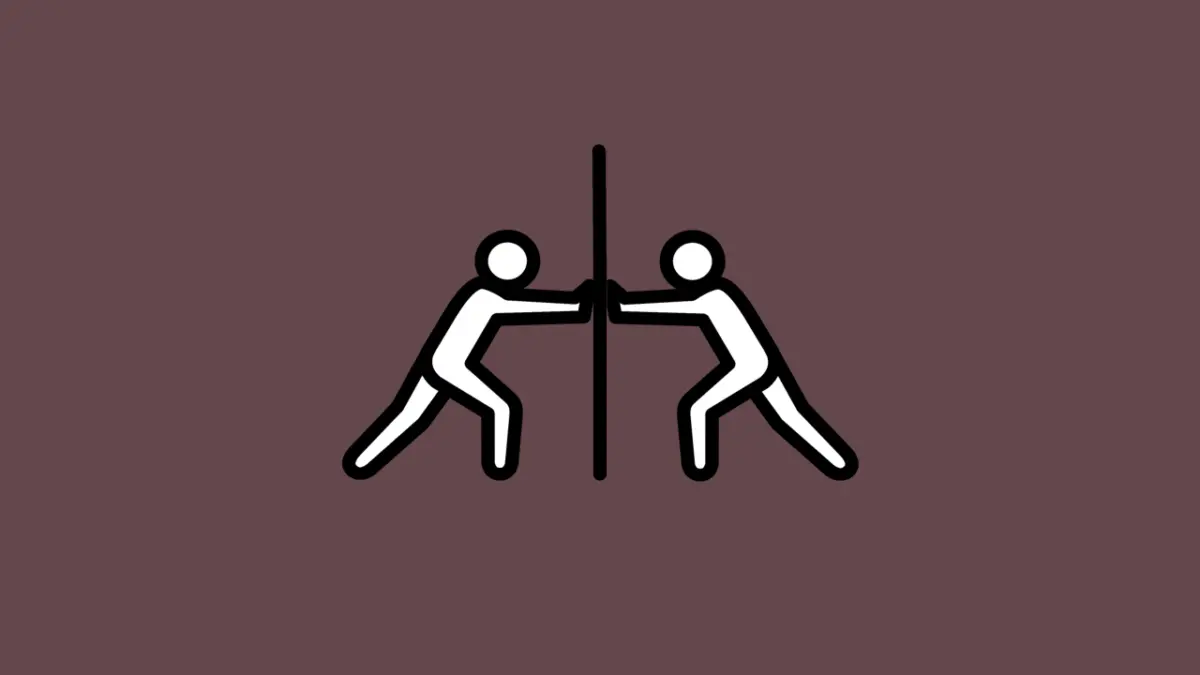
Using the metaphor of two hands pushing against one another, Aguilar illustrates that tension requires opposing forces. If the coach continues to argue for a curriculum or instructional strategy while the teacher argues against it, the pressure simply escalates. The resolution, counterintuitive though it may seem, is for the coach to voluntarily "drop their hand."
Dropping the hand does not mean abandoning instructional standards or agreeing with a deficit mindset; rather, it means stepping back from the argument to cultivate genuine curiosity. By asking open-ended questions about what is causing the teacher’s hesitation, the coach short-circuits the defensive cycle and opens a pathway to collaborative problem-solving.
2. The ACE Framework: Addressing the Emotional Subtext
Behind almost every instance of vocal or passive resistance lies a heavy emotional load—fear of failure, shame over struggling classroom management, exhaustion from unmanageable workloads, or anxiety regarding new accountability metrics. Aguilar’s ACE framework offers a systematic way to process these emotions without requiring the coach to act as a certified therapist:
Acknowledge Emotions: Before jumping into tactical problem-solving or pedagogical strategy, the coach pauses to name and validate what the teacher is feeling. Utilizing tools like Aguilar’s Core Emotions framework allows educators to drill down past superficial irritability to pinpoint underlying vulnerabilities, such as fear, distress, or inadequacy.
Cultivate Compassion: Struggling teachers frequently subject themselves to punishing internal monologues. Aguilar suggests helping educators practice self-compassion by asking a grounding question: “What would you say to a best friend going through this exact same challenge?” Crucially, Aguilar notes that coaches must model this self-compassion themselves; an invitation to be kind to oneself rings hollow if the coach is visibly rigid or self-critical.
Expand the Story: Human beings naturally construct narratives to make sense of distress (e.g., "My students are impossible, so this curriculum is useless"). A skilled coach helps the teacher unpack these limiting beliefs, examine alternative perspectives, and consciously choose an expanded story that invites agency and possibility.
3. Misinterpreting the Barrier: The Gaps Framework
When change stalls, coaches often default to assuming a "will gap"—the cynical belief that the teacher simply does not want to succeed. Aguilar’s Gaps Framework shatters this assumption by categorizing the root causes of instructional stagnation into six distinct areas:
Skill: Lacking the technical execution required for a specific strategy.
Knowledge: Lacking foundational information or theoretical understanding.
Capacity: Lacking the time, mental bandwidth, or physical energy to implement a change.
Will: Lacking the internal motivation or desire (the rarest cause of true resistance).
Emotional Intelligence: Lacking the self-regulation or relational awareness to navigate the classroom environment.
Cultural Competence: Lacking the equity consciousness needed to connect with diverse student populations.
By systematically evaluating these six categories, coaches avoid misdiagnosing a knowledge or capacity deficit as a moral failing of will.
4. When Resistance is Righteous
Perhaps one of Aguilar’s most validating contributions to modern leadership is her insistence that resistance is not always wrong. Sometimes, pushback is a rational, ethical response to developmentally inappropriate mandates, inequitable policies, or administratively burdensome directives.
When a kindergarten teacher pushes back against an administrative mandate requiring six-year-olds to sit silently on a carpet for sixty minutes of direct instruction, that resistance is righteous. In such scenarios, effective coaches do not attempt to manipulate or coerce the teacher into compliance. Instead, they validate the teacher’s professional ethics, explore avenues for advocacy, and help them navigate systemic boundaries with integrity.
Official Statements and Expert Perspectives
Educational leaders across the globe are increasingly echoing Aguilar’s sentiments regarding the necessity of relational empathy in professional development.
Dr. Sarah Jenkins, a prominent researcher in educational leadership and organizational psychology, notes:
"For decades, school reform initiatives have failed not because the strategies were inherently flawed, but because districts treated teachers as interchangeable cogs in a machine. When we ignore the emotional and psychological ecology of the educator, systemic resistance is an inevitable immune response. Aguilar’s work gives us the vocabulary and the methodology to honor the human being inside the classroom."
Similarly, veteran instructional coach Marcus Vance emphasizes the transformative shift required of leadership teams:
"The hardest part of coaching isn’t learning new pedagogical frameworks; it’s unlearning our own need to be right. When you realize that your insistence on compliance is often fueling the very resistance you are trying to overcome, it humbles you. It forces you to move from being an inspector to being a true partner."
Future Outlook: The Next Frontier in Professional Development
As school districts nationwide grapple with chronic teacher shortages, burnout, and mounting accountability pressures, the traditional model of compliance-driven coaching is rapidly becoming obsolete. The future of educational leadership belongs to relational, equity-centered, and emotionally intelligent coaching paradigms.
Institutions that embrace frameworks like Aguilar’s are already witnessing tangible shifts in school culture:
Increased Retention: Teachers who feel heard, respected, and supported rather than policed are significantly less likely to leave the profession.
Deeper Pedagogical Shifts: When professional development addresses root-cause gaps (such as capacity and knowledge rather than assumed will deficits), instructional changes are implemented with higher fidelity and longevity.
Healthier School Climates: Cultivating psychological safety among adults trickles down directly into the classroom, creating environments where students feel equally safe to take risks, make mistakes, and grow.
Ultimately, Aguilar’s message serves as both a challenge and an invitation for anyone tasked with leading educators. Resistance is not a wall to be battered down; it is a signal to be decoded. By replacing judgment with curiosity, defensiveness with partnership, and coercion with compassion, instructional coaches and school leaders can successfully transform pushback into a powerful catalyst for profound educational possibility.