
Executive Overview
The landscape of holiday shopping has undergone a profound structural shift over the past several years. No longer restricted to the chaotic, predawn brick-and-mortar stampedes of the day after Thanksgiving, the holiday retail marathon now commences weeks in advance. Nowhere is this transformation more evident than in the market for Science, Technology, Engineering, and Math (STEM) educational toys and learning kits.
As consumer demand pivots toward purposeful, skill-building play, major online retailers and specialized educators have coordinated to launch Black Friday and Cyber Monday discounts as early as mid-November. This strategic acceleration is not merely a marketing gimmick; it is a calculated response to the modern supply chain environment, shifting consumer preferences toward digital commerce, and an increasing parental emphasis on educational value during the holiday season.
This comprehensive guide analyzes the shifting paradigm of early holiday sales, explores the operational realities driving online-first retail strategies, and provides an authoritative breakdown of the top 15 STEM toys, coding robots, and scientific discovery kits to watch during this promotional window.
Detailed Chronology: The Shift to Mid-November Retail
The traditional retail calendar—anchored firmly by Thanksgiving Thursday and Black Friday—has been systematically dismantled. To understand how we arrived at a mid-November promotional kickoff, we must examine the chronological progression of holiday commerce over the last decade.
Phase 1: The Brick-and-Mortar Era (Pre-2010s)
Historically, holiday deals were concentrated within a tight 72-hour window starting on Black Friday morning. Retailers relied on doorbuster specials to lure consumers into physical stores, creating massive lines and high-stress environments. Educational and STEM toys were often treated as seasonal novelties rather than primary loss leaders.
Phase 2: The Rise of Cyber Monday (2010–2016)
As e-commerce matured, retailers recognized the potential of digital storefronts. Cyber Monday emerged as a digital counterpart to Black Friday. However, shopping habits remained largely siloed around the Thanksgiving weekend.
Phase 3: The Omnichannel and Supply Chain Pivot (2017–2020)
Faced with inventory bottlenecks and skyrocketing shipping costs, retailers began stretching holiday promotions into early November. Consumers, meanwhile, demonstrated an increasing preference for online purchasing to avoid crowded physical locations.
Phase 4: The Modern "November-Long" Black Friday (Present)
Today, the shopping season operates as a continuous promotional runway starting in mid-November. Retailers intentionally front-load their deepest discounts on high-demand categories—specifically STEM and educational electronics—to distribute logistics loads, capture early-bird shoppers, and guarantee delivery before the winter holidays.
Supporting Context & Metrics: The Boom in Educational Play
The aggressive discounting of STEM toys is underpinned by staggering market growth. According to industry analyses, the global educational toy market has experienced exponential expansion, driven by several macro-environmental factors:
- Remote and Hybrid Learning Legacies: Following disruptions in traditional schooling models, parents have grown increasingly proactive about supplementing their children’s education at home. Toys that bridge the gap between play and academic concepts—such as coding, circuitry, and physics—are viewed as essential investments rather than frivolous purchases.
- The Shift to Digital-First Procurement: With upwards of 80% of specialty toy shopping now originating online, retailers can dynamically adjust pricing, track inventory across regional fulfillment centers, and deploy targeted promotions without the physical limitations of shelf space.
- Inclusivity in STEM: Modern manufacturing has successfully broadened the demographic appeal of educational toys. Specialized kits designed for young women in chemistry, engineering, and robotics have expanded the total addressable market, driving higher sales volumes during peak discount windows.
Official Statements and Industry Perspective
Retail strategists and child development experts agree that the early rollout of holiday deals benefits both the consumer and the supply chain.
"The traditional bottleneck of trying to secure high-demand electronics and interactive learning kits in the final week of November created immense friction for families," notes retail logistics analyst Marcus Vance. "By pushing major promotional rollouts into mid-November, retailers are diffusing logistical stress while giving parents the financial breathing room to invest in premium, higher-ticket educational products."
Furthermore, educators emphasize the enduring value of these investments. Unlike traditional plastic toys that experience rapid obsolescence, high-end STEM kits—ranging from programmable robotics to advanced chemistry sets—offer scalable learning curves that grow alongside the child.
Most Popular STEM Toys and Learning Kits to Watch Out For
As retailers flood the market with early Black Friday and Cyber Monday markdowns, navigating the sheer volume of choices can be daunting. Below is the curated list of the top 15 STEM toys and learning kits poised for deep discounts this season.
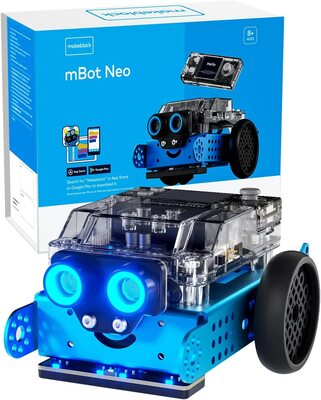
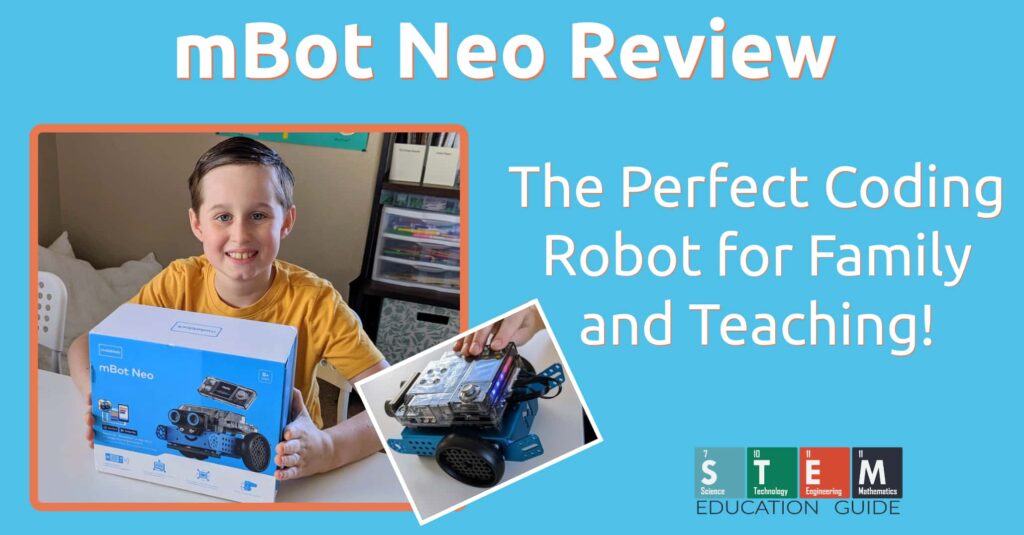
1. mBot Neo
For children stepping into the world of robotics and programming, the mBot Neo stands out as an premier DIY coding robot. Constructed from durable aluminum and thick plastics, this robust kit requires kids to assemble the physical hardware before using an intuitive app to program its movements, lights, and sounds.
- Key Features: App-based coding, preprogrammed activity controller, highly modular build.
- Educational Value: Serves as a foundational introduction to robotics, combining mechanical assembly with software logic.
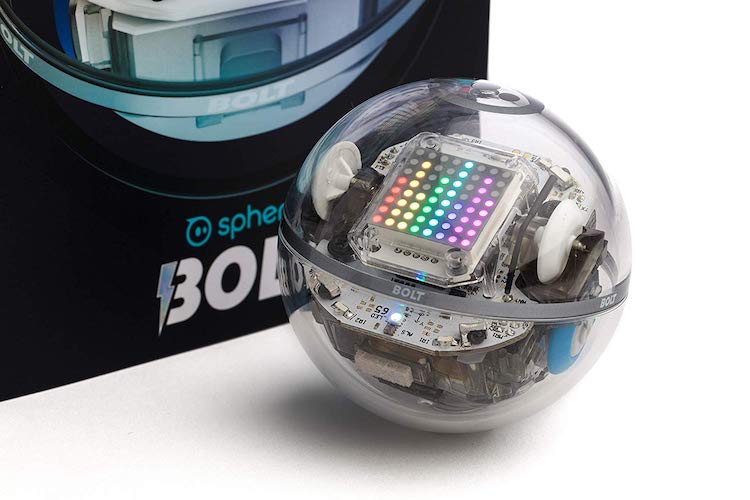
2. Sphero BOLT
The Sphero BOLT is a spherical, app-enabled robot designed to withstand rigorous play. Shock-proof and waterproof, it invites users to write real code that dictates the robot’s trajectory, matrix LED animations, and sensor behaviors.
- Key Features: Programmable LED matrix, durable waterproof shell, extensive online lesson libraries.
- Educational Value: Seamlessly transitions young learners from block-based programming to text-based coding languages.
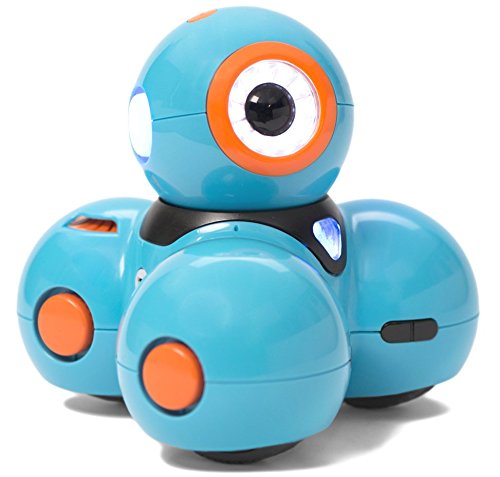
3. Wonder Workshop Dash
Targeted at children ages 6 and up, Dash is an agile, responsive robot that arrives ready to interact straight out of the box. Equipped with built-in microphones for voice playback and the capability to interact with other Dash units, it encourages collaborative play.
- Key Features: In-app guided challenges, voice recognition, multi-bot communication.
- Educational Value: Fosters algorithmic thinking through progressive, gamified coding challenges.
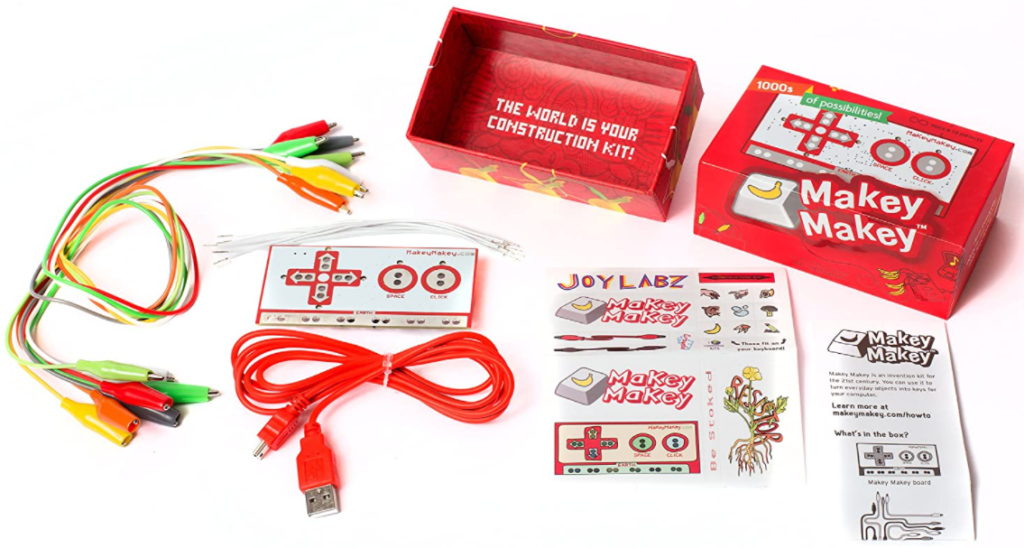
4. Makey Makey
For a tactile, unconventional approach to technology, Makey Makey turns everyday objects into touchpads. By connecting alligator clips to items like bananas, Play-Doh, or graphite drawings, children can interface physical objects directly with a computer keyboard.
- Key Features: Simple plug-and-play circuit board, USB connectivity, universal compatibility.
- Educational Value: Teaches basic electrical conductivity while inspiring out-of-the-box engineering design.
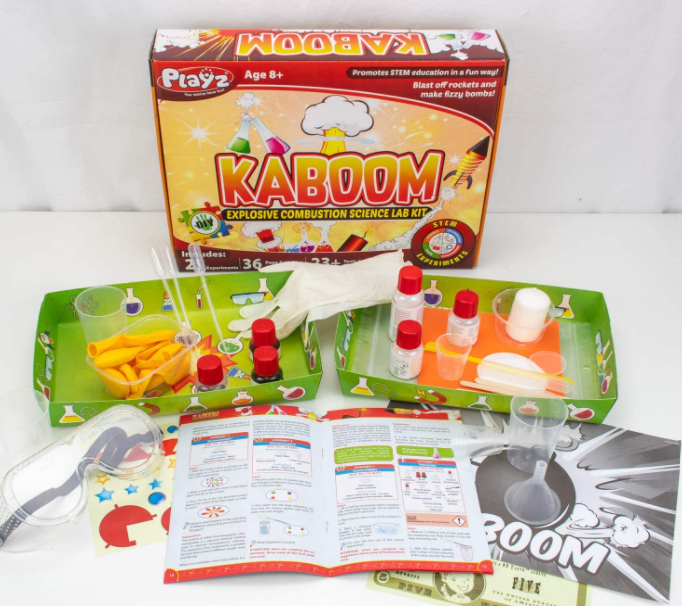
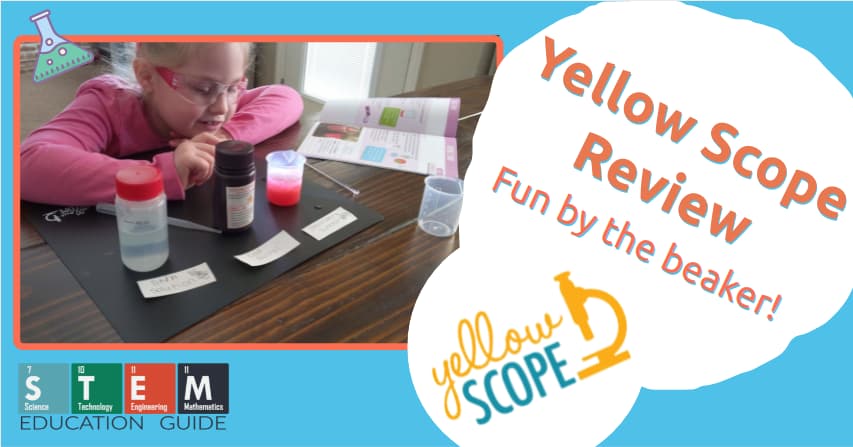
5. Kaboom Explosive Science Lab Kit
Science is rarely dull when explosions are involved. The Kaboom Explosive Science Lab Kit offers over 25 experiments designed to safely demonstrate chemical reactions, combustion, and physics.
- Key Features: Rocket launches, fireproof balloon experiments, comprehensive instructional guides.
- Educational Value: Explains the scientific "why" behind chemical transformations, merging entertainment with foundational chemistry principles.
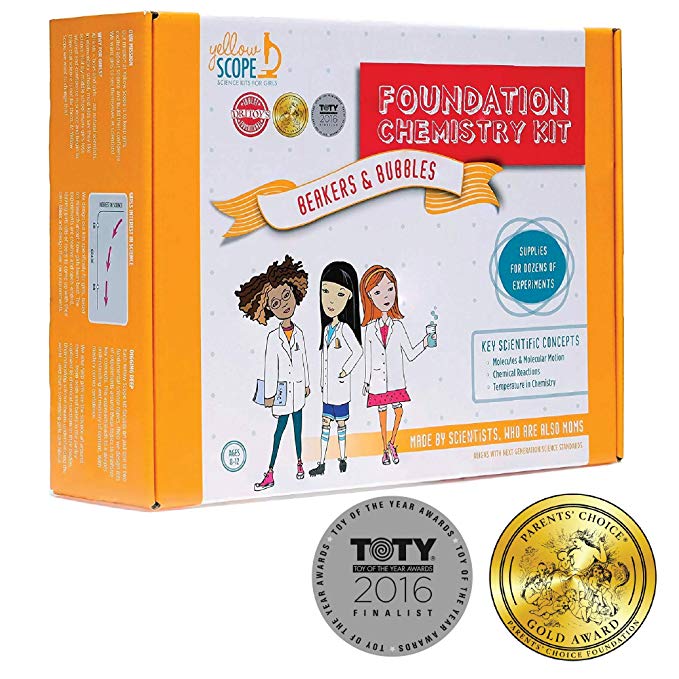
6. YELLOW SCOPE Foundation Chemistry Kit (Beakers & Bubbles)
Designed specifically to spark interest in female scientists, the Yellow Scope Foundation Chemistry Kit explores the fascinating intersection of everyday science and cosmetic chemistry.
- Key Features: Real laboratory glassware, rigorous safety protocols, curriculum-aligned experiments.
- Educational Value: Encourages girls to explore STEM careers by investigating the chemical formulations behind cosmetics and personal care products.
7. ThinkFun Gravity Maze Marble Run
Combining a traditional marble run with a logic puzzle, ThinkFun Gravity Maze challenges players to arrange modular towers to guide a marble from start to finish based on specific challenge cards.
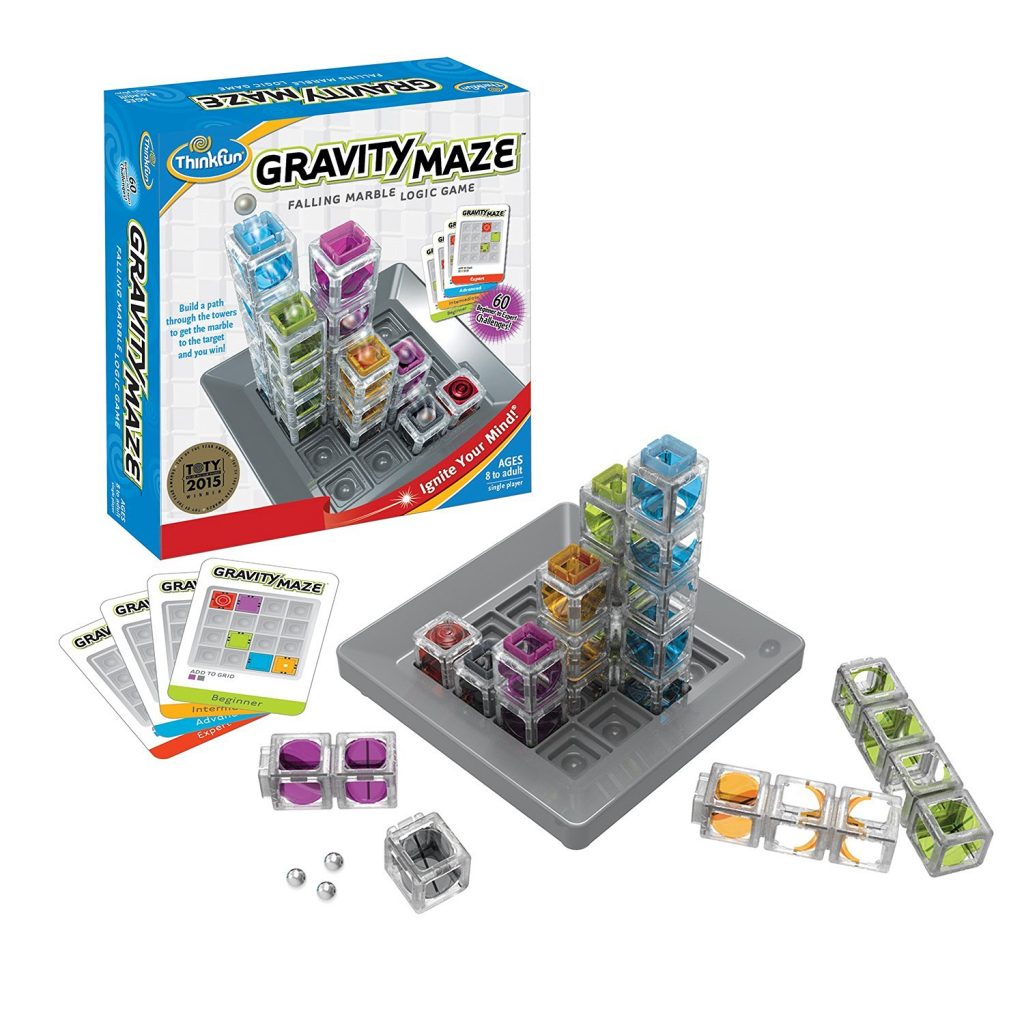
- Key Features: 60 beginner-to-expert challenge cards, spatial reasoning grids, high replayability.
- Educational Value: Strengthens spatial reasoning, visual perception, and sequential logic skills.
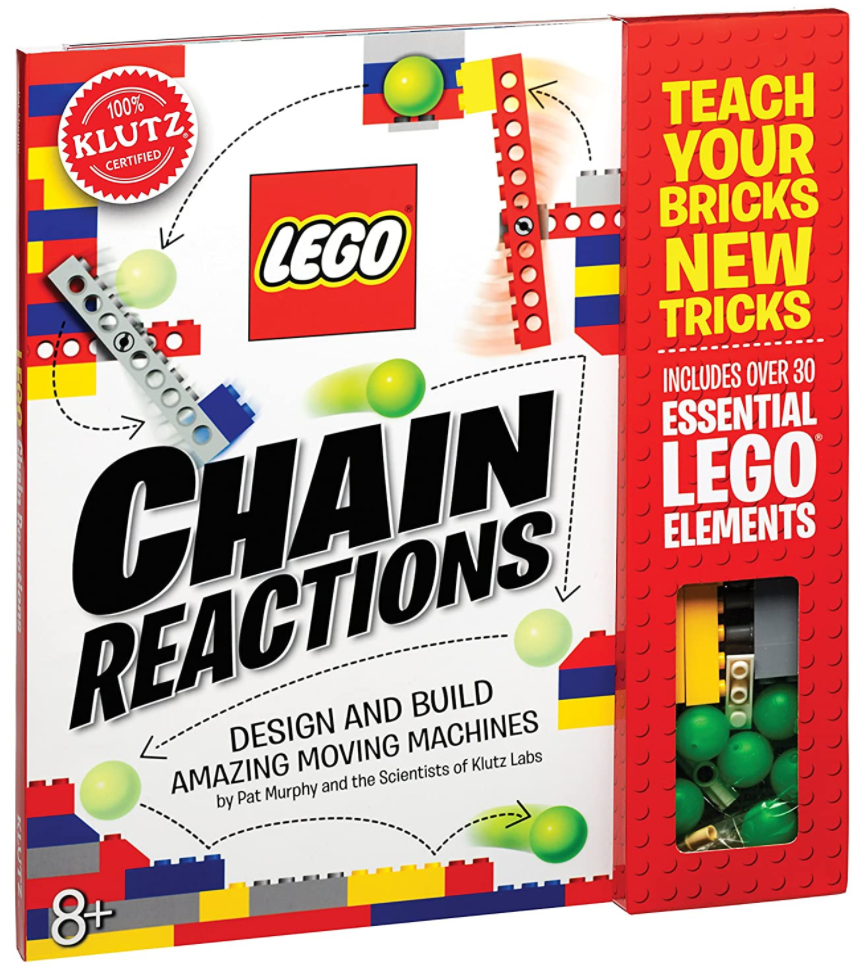
8. LEGO Chain Reactions
Published by Klutz, LEGO Chain Reactions is an engineering building kit that teaches physics concepts through the construction of working mechanical contraptions.
- Key Features: Specialized LEGO components, ramps, pivots, and a comprehensive instruction manual.
- Educational Value: Demonstrates cause-and-effect relationships, kinetic energy transfer, and basic mechanical engineering.
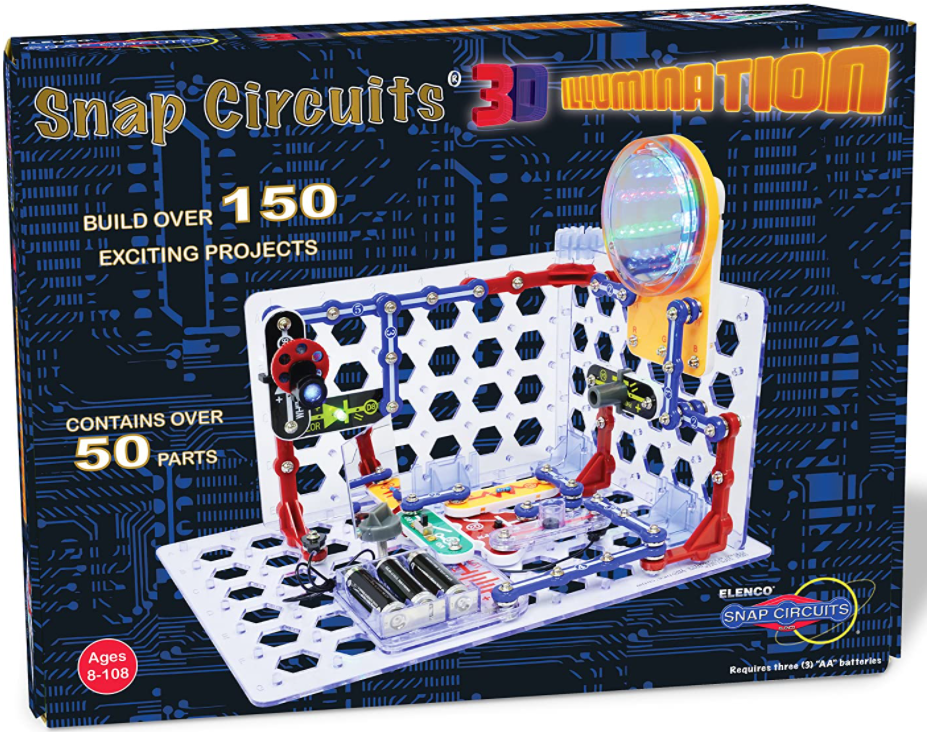
9. Snap Circuits 3D Illumination Electronics Exploration Kit
Snap Circuits revolutionizes electronic learning by using color-coded, snap-together modules. The 3D Illumination edition allows children to build vertical structures featuring lights, mirrors, and spinning components.
- Key Features: 3D building components, fiber optics, clear schematic manuals.
- Educational Value: Teaches electrical circuit design, current flow, and spatial architecture without the need for tools or soldering.
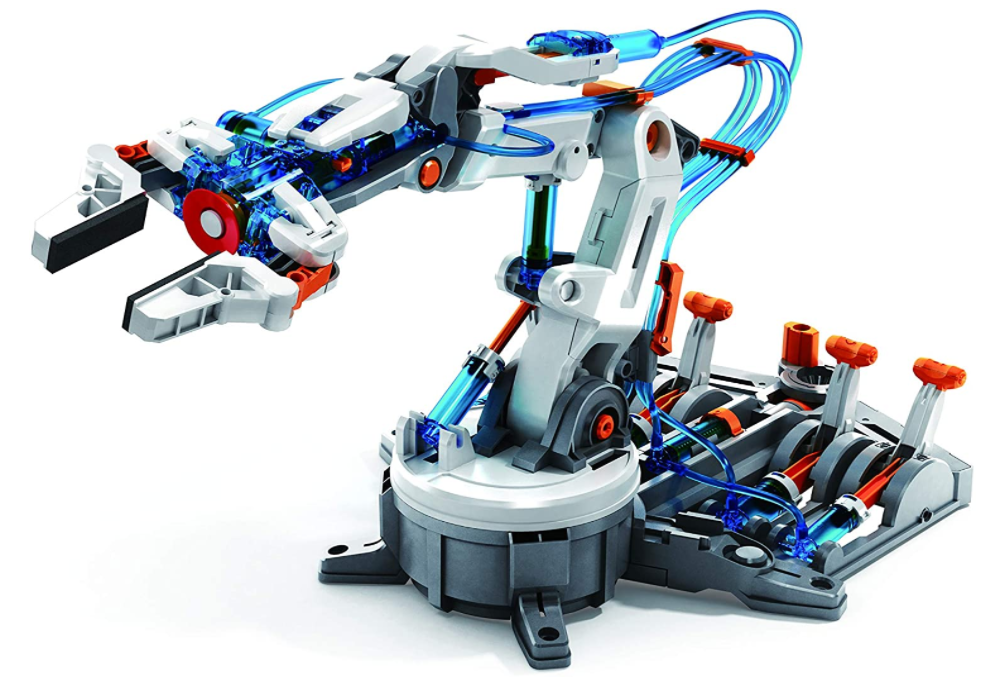
10. Elenco Teach Tech Hydraulic Kit (HydroBot Arm)
Offering a hands-on introduction to mechanical engineering, the Elenco HydroBot Arm utilizes hydraulic plungers and multi-axis rotation to allow users to lift, grip, and maneuver objects using water pressure alone.
- Key Features: 270-degree arm rotation, water-powered hydraulic controls, modular assembly.
- Educational Value: Demonstrates fluid mechanics, pressure dynamics, and renewable energy concepts.
11. Botley The Coding Robot Activity Set
Designed for younger learners, Botley provides a completely screen-free coding experience. Using a remote programmer, children transmit directional sequences to navigate the robot through custom obstacle courses.
- Key Features: 100% screen-free operation, loop commands, obstacle detection sensors.
- Educational Value: Introduces foundational programming logic, debugging, and spatial orientation to early childhood learners.
12. Elenco TEACH TECH Mech-5 Robot Kit
For children ready for advanced mechanical engineering, the Mech-5 is a programmable mechanical robot. Users snap coding pins onto a mechanical coding wheel to program the robot to kick, lift, throw, and draw.
- Key Features: Battery-free mechanical programming wheel, multi-functional operational modes.
- Educational Value: Deepens problem-solving and algorithmic thinking through tangible mechanical execution.
13. littleBits Electronic Music Inventor Kit
Merging technology with the arts, the littleBits Electronic Music Inventor Kit allows kids to construct their own working electronic guitar and program sound effects using a companion app.
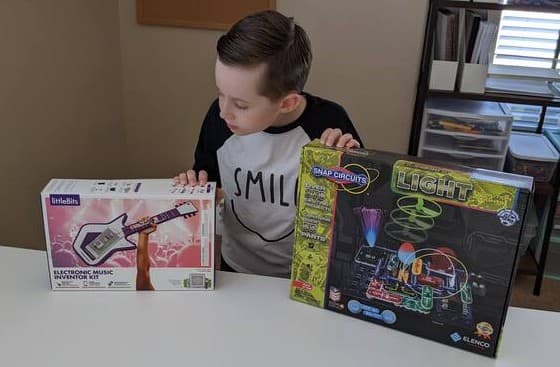
- Key Features: Magnetic snap-together electronic blocks, custom instrument chassis, app integration.
- Educational Value: Combines STEM principles with creative expression, demonstrating how digital signals translate into audio output.
14. Kid K’NEX Build-A-Bunch Set
Tailored for younger builders, Kid K’NEX features large, soft, colorful plastic pieces designed for small hands to stack and connect safely.
- Key Features: Chunky, flexible pieces, connection gears, idea cards for animals and vehicles.
- Educational Value: Develops fine motor skills, early structural engineering concepts, and creative confidence.
15. Ravensburger GraviTrax XXL Marble Run
The GraviTrax XXL system relies on a unique hexagonal grid and gravity-powered components to create intricate, modular marble runs without any electronic assistance.
- Key Features: Magnetic cannons, vertical drop loops, modular expansion compatibility.
- Educational Value: Teaches physics concepts such as momentum, gravity, and kinetic energy through open-ended trial and error.
Future Outlook
As the retail sector continues to evolve, the mid-November launch of Black Friday STEM toy sales is set to become a permanent fixture of the holiday landscape. E-commerce infrastructure will likely become even more sophisticated, incorporating augmented reality previews for complex robotics kits and personalized AI-driven gift recommendations for parents seeking age-appropriate educational milestones.
For consumers, the takeaway is clear: the era of waiting until Thanksgiving night to secure holiday deals has passed. By taking advantage of early-season promotions, parents can not only secure substantial financial savings on high-value STEM products but also ensure a stress-free holiday season dedicated to discovery, innovation, and play.

