
Executive Overview
Education reform has historically been characterized by sweeping, macro-level overhauls. School districts, policymakers, and institutional leaders frequently introduce district-wide curriculum changes, massive pedagogical shifts, or large-scale technology adoptions, often expecting educators to overhaul their entire instructional models overnight. Yet, everyday practice in the classroom tells a radically different story. Sustainable, impactful educational improvement is rarely born from monumental disruptions; rather, it is forged through the accumulation of small, intentional, and manageable adjustments made over time.
Enter the concept of the classroom micro-experiment—a transformative methodological framework designed to help educators innovate without risking burnout, wasting precious instructional time, or committing to untested strategies for an entire academic year. A micro-experiment is defined as the smallest possible instructional change that can yield valid, actionable data. It centers on a single, highly focused action implemented over a short, strictly defined window of time, monitored through one predetermined success signal.
Teachers who embrace this approach are not chaining themselves to an unproven result. Instead, they commit exclusively to running a localized test, objectively reading the subsequent data, and deliberately deciding their next operational move: maintaining the strategy, tweaking a single variable and retesting, or abandoning the approach entirely. By shrinking the scope of pedagogical change from an intimidating year-long obligation to a manageable four-week sprint, micro-experiments empower teachers to reclaim agency over their classrooms, ground their instructional decisions in empirical observation, and foster a continuous feedback loop that benefits both educator and learner.
Detailed Chronology: The Evolution of Classroom Routines and the Micro-Experiment Framework
To understand why micro-experiments represent a paradigm shift in instructional design, one must first examine the historical weight of classroom routines.
The Pitfalls of Traditional Routine Adoption
Classroom routines form the invisible architecture of any successful learning environment. Educational research consistently demonstrates that the collective rhythm established across dozens of lessons carries exponentially more weight than the isolated brilliance of any single, one-off lesson. Because of this, the dawn of a new school year invariably triggers a flurry of habit-forming among educators. Teachers evaluate their previous year’s roadblocks, browse pedagogical literature, and attempt to integrate new routines to address persistent learning gaps.
However, this traditional approach is fraught with friction:
- The Mismatch Trap: Educators frequently adopt routines that look promising on paper or in professional development seminars, only to discover they fail to align with the unique dynamics of their current cohort of students.
- The Scalability Burden: Many proposed pedagogical shifts are simply too massive to sustain over the long haul. They require extensive prep time, complex management structures, or steep learning curves for students.
- The Temporal Deadlock: Traditional teaching strategies often take months to properly calibrate. By the time an educator has gathered enough qualitative and quantitative data to determine whether a new routine is actually working, the academic year is largely spent, leaving little room for corrective action.
The Mechanics of a Micro-Experiment
The micro-experiment disrupts this counterproductive cycle by compressing the innovation timeline. Instead of gambling an entire academic year on an unproven strategy, a micro-experiment creates a low-stakes sandbox environment.
- Phase 1: Isolation of Variables. The educator identifies one specific pain point or objective—such as knowledge retention from previous lectures—and selects a solitary intervention designed to target it.
- Phase 2: The Time-Boxed Trial. The intervention is deployed for a fixed, short-term window (typically four weeks). This timeframe is long enough to establish a behavioral pattern, yet short enough to prevent teacher exhaustion or student disengagement.
- Phase 3: Observation of a Single Signal. Rather than attempting to measure holistic cognitive development across every conceivable metric, the teacher tracks one predefined indicator (e.g., weekly formative assessment scores or completion rates).
- Phase 4: The Decision Gate. At the conclusion of the window, the data dictates the future. If the signal trends upward, the practice is codified into the regular teaching routine. If the signal remains flat or declines, the educator pivots with minimal loss of time and maximum clarity.
Supporting Context & Metrics: Formative Assessment and the Power of Weekly Checks
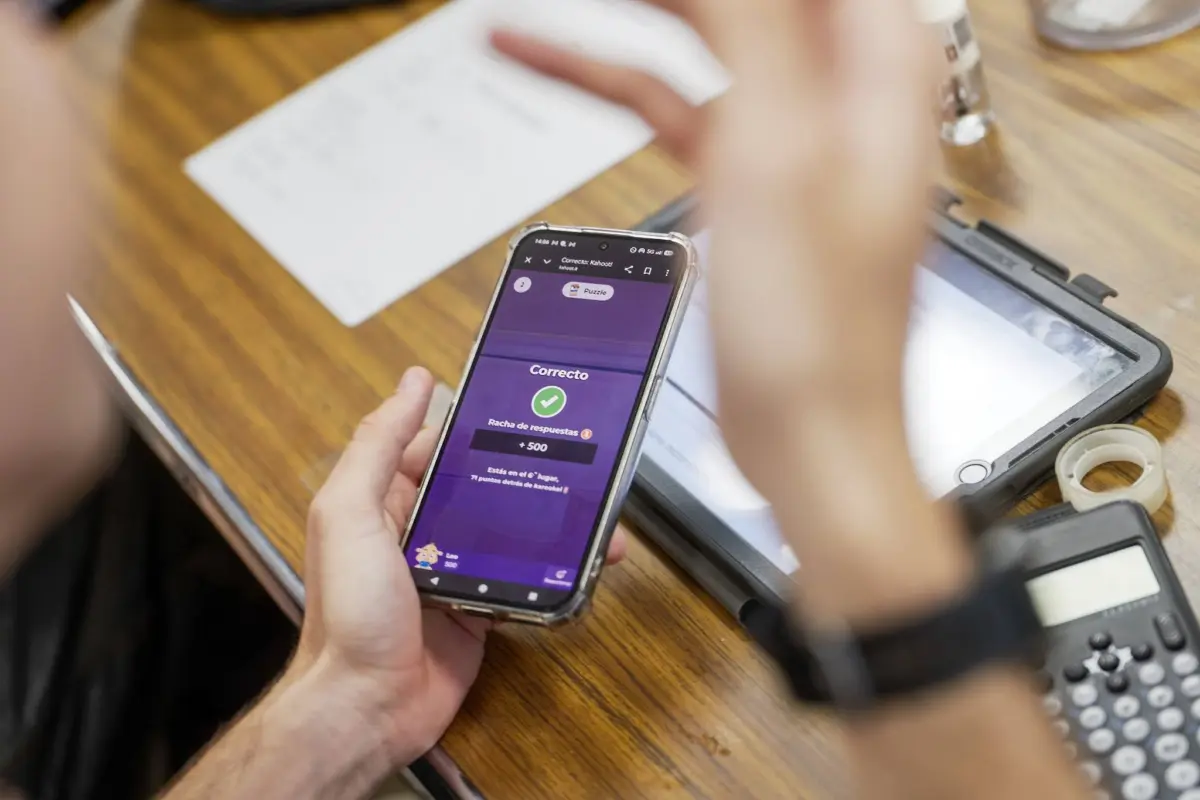
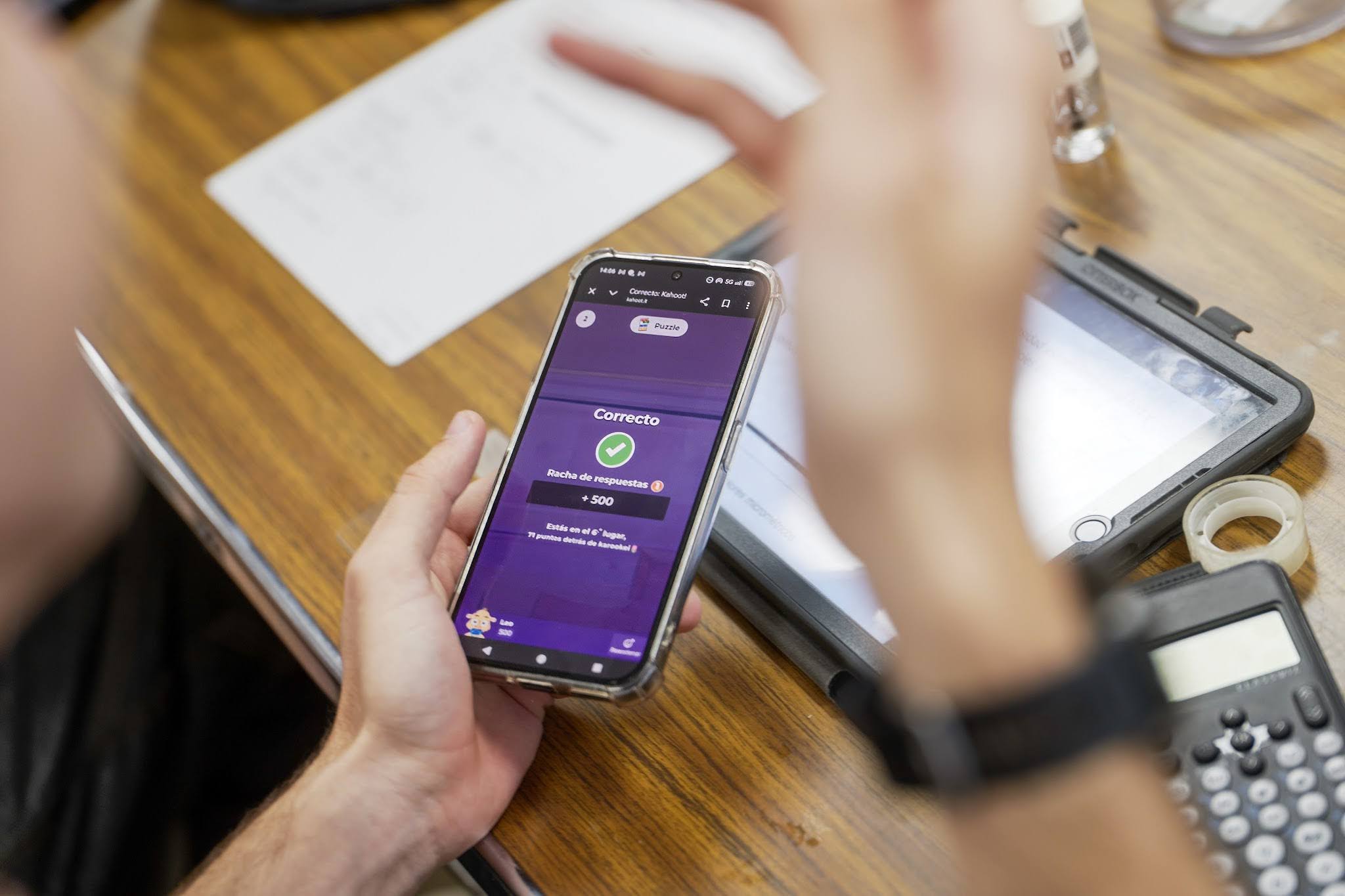
While the micro-experiment framework provides the process for instructional change, empirical evidence dictates what changes are worth testing. Among the most thoroughly researched pedagogical interventions suitable for micro-experimentation is the integration of regular, low-stakes formative assessments—specifically through digital game-based learning platforms like Kahoot!
Global Research and Empirical Validation
The efficacy of regular formative checks is not merely theoretical; it is backed by an extensive body of global research. Kahoot! has served as the subject of over 300 independent, peer-reviewed studies conducted across more than 50 countries, generating a robust repository of empirical data regarding classroom engagement and knowledge retention.
A landmark five-year study published in the journal Education and Information Technologies offers a compelling look at this phenomenon in higher education. Researchers tracked more than 1,000 engineering students who opened every class session with a short, gamified kahoot reviewing the material from the preceding week. The longitudinal data revealed a direct, undeniable correlation between the volume of kahoot questions students answered over time and their final examination performance. Students who engaged consistently with these weekly formative checks systematically outperformed their peers who relied on traditional, cram-heavy study habits.
Meta-Analytic Confirmations
This relationship between weekly formative checks and enhanced academic outcomes is not an isolated anomaly. A comprehensive 2025 meta-analysis encompassing 43 distinct experimental studies evaluated the impact of utilizing Kahoot! for formative review. The analysis concluded that this specific instructional pattern produced one of the most statistically significant effects on information retention measured across the board.
These findings validate a fundamental cognitive truth that educators have long suspected: spaced retrieval practice—reviewing and recalling material at regular, distributed intervals—drastically outperforms massed practice, or cramming.
However, translating macro-level meta-analyses into localized classroom success can often feel daunting for an individual teacher. This is precisely where the micro-experiment bridges the gap. An educator does not require a five-year study involving 1,000 engineering students to validate a teaching strategy. By deploying a four-week micro-experiment centered on weekly formative checks, an individual teacher can generate their own localized data set, confirming whether spaced digital retrieval yields results with their unique student demographic.
Official Statements and Pedagogical Philosophy
To contextualize the shift toward micro-experimentation, educational psychologists and instructional designers emphasize the necessity of moving from implicit intuition to explicit intention.
"Teachers are natural-born researchers," notes a leading voice in instructional technology and curriculum design. "Every single day, educators form hypotheses, test instructional methods, read the room, and adjust on the fly. Their pedagogical gut instincts are frequently astonishingly accurate. However, operating purely on a vague sense that ‘this seems to be helping’ leaves educators vulnerable to confirmation bias and makes it difficult to scale or articulate their successes to colleagues and administrators."
Elevating Intuition Through Structure
The micro-experiment framework does not ask teachers to discard their pedagogical instincts; rather, it provides a structured scaffold to validate them. By explicitly articulating a prediction before launching a four-week test—such as, "If we open every Tuesday session with a five-question formative check, student average retention scores on Friday quizzes will increase by 10%—teachers transform anecdotal observations into verifiable data."
Furthermore, experts emphasize the psychological safety that micro-experiments afford students. When an educator frames a new teaching routine not as an absolute mandate, but as a collaborative classroom experiment ("We are going to try this together for four weeks to see how it helps our learning"), the dynamic shifts from top-down enforcement to collaborative inquiry. Students become active stakeholders in their own cognitive processes, developing metacognitive awareness as they evaluate whether the intervention is genuinely improving their mastery of the material.
Future Outlook: The Roadmap Ahead for Classroom Innovation
As educational institutions navigate an increasingly complex landscape of technological tools, pedagogical theories, and shifting student needs, the risk of educator burnout has never been higher. When teachers are constantly pressured to adopt every new educational trend, tool, or methodology, paralysis sets in.
The micro-experiment offers an antidote to systemic innovation fatigue. By embracing the ethos of "small tests, fast learning, and low-stakes iteration," educators can future-proof their classrooms against pedagogical overwhelm.
What Lies Ahead in the Series
This article marks the foundational first installment of an ongoing Back to School series dedicated to exploring the mechanics of classroom micro-experiments. While this initial installment focuses on establishing weekly formative assessment routines through digital tools, future installments will push the boundaries of student agency and collaborative learning.
- Part 2 Preview: In the next segment of the series, the micro-experiment framework will be inverted to explore student-generated review content. What happens when educators step back and empower students to create their own formative assessments and review games? How does shifting the authorship of review materials from teacher to learner impact engagement, peer collaboration, and deep conceptual understanding?
Taking the First Step
For educators looking to pilot their own micro-experiment today, the barrier to entry has never been lower. Modern instructional platforms integrate advanced artificial intelligence capabilities—such as automated question generators—that allow teachers to draft a comprehensive weekly review check in a matter of minutes.
You do not need to lock your curriculum, teaching style, or technology stack in for the entirety of the school year. You do not need institutional grants, massive longitudinal data sets, or administrative permission to innovate. You need one micro-experiment, a four-week window, a single success metric, and your students. Launch your first test, observe the data, and let your learners show you the path forward.

