
Executive Overview
In the high-stakes environment of modern education, instructional coaching and school leadership are designed to elevate teaching standards and enhance student outcomes. However, when coaches or administrators introduce new pedagogical methods, curriculum adjustments, or policy mandates, they frequently encounter a formidable barrier: teacher resistance. Traditionally, this pushback has been diagnosed as a character flaw of the educator—labeled as stubbornness, an unwillingness to evolve, or professional fatigue.
Renowned instructional coach, educator, and author Elena Aguilar challenges this systemic assumption in her ninth and latest publication, How to Coach Resistance: Turning Pushback Into Possibility. Aguilar posits that resistance is not an isolated attribute belonging strictly to the teacher, but rather a dynamic, interactive phenomenon co-created by both parties in the room. When a coach applies rigid pressure, the teacher predictably pushes back, triggering a defensive loop that amplifies frustration on both sides.
By analyzing the emotional currents beneath the surface, adopting structured diagnostic models like the ACE (Acknowledge emotions, Cultivate compassion, Expand the story) framework, and assessing actual growth needs via a multi-dimensional Gaps Framework, instructional leaders can fundamentally shift their approach. Rather than viewing friction as an obstacle to eradicate, Aguilar’s methodology reframes teacher pushback as vital data—and often, a legitimate expression of professional conscience that can spark genuine institutional growth.
Detailed Chronology: The Evolution of Coaching Dynamics and the Paradigm Shift
To understand the current crisis of teacher pushback, one must trace the historical trajectory of professional development (PD) and instructional coaching in K-12 education. For decades, the prevailing paradigm of teacher evaluation and coaching mirrored a corporate compliance model. Instructional coaches and school administrators functioned primarily as evaluators or purveyors of top-down mandates handed down by district offices.
Phase One: The Compliance Model (Late 20th Century)
In earlier decades, classroom observation and coaching were heavily rooted in fidelity checks. Coaches walked into classrooms with explicit checklists, measuring whether teachers adhered strictly to prescribed pacing guides and curriculum scripts. When teachers expressed hesitation, administrators typically responded with increased oversight or formalized remediation plans. This dynamic bred a culture of compliance rather than collaboration, driving underground resistance where teachers closed their doors and taught what they believed worked best, regardless of administrative directives.

Phase Two: The Rise of Instructional Coaching (Early 2000s)
As educational research began to emphasize the value of job-embedded professional development, the role of the instructional coach emerged as a non-evaluative support system. Coaches were envisioned as collaborative partners helping educators refine their practice. Yet, legacy habits persisted. Many coaches carried over the "fix-it" mentality, treating resistance as a symptom of a teacher’s deficiency. If a teacher resisted a new literacy initiative, the dominant institutional narrative defaulted to: "They just don’t want to do the extra work."
Phase Three: The Relational Turn and Aguilar’s Intervention (Present Day)
The release of How to Coach Resistance marks a critical milestone in contemporary educational leadership. Aguilar synthesizes decades of frontline coaching experience to formally dismantle the myth of the "resistant teacher." By charting how mutual fear and defensiveness escalate interactions, Aguilar’s work establishes a new chronology for difficult conversations: moving away from adversarial confrontations and toward relational curiosity. This paradigm shift requires coaches to look inward first, interrogating their own communicative strategies, pacing, and underlying assumptions before placing demands on classroom educators.
Supporting Context & Metrics: Unpacking the Root Causes of Pushback
To effectively manage pushback, instructional leaders must understand the psychological and operational realities facing teachers today. Modern classrooms are complex, high-stress ecosystems characterized by chronic understaffing, shifting demographic needs, behavioral challenges, and an influx of competing technological and curricular initiatives.
The Pressure-Cooker Environment
Data across the educational sector indicates that teacher burnout remains at historic highs. When an instructional coach enters a classroom and asks a teacher—who is already stretched thin—to overhaul their lesson-planning format or adopt a new digital grading tool, the immediate psychological reaction is often self-preservation.
- The Fear Dynamic: Aguilar’s framework highlights that both parties in a coaching dynamic operate out of underlying fears. The teacher fears inadequacy, failure, or the impossible weight of additional labor. The coach fears institutional failure, being perceived as ineffective by administration, or failing to hit district-mandated benchmarks.
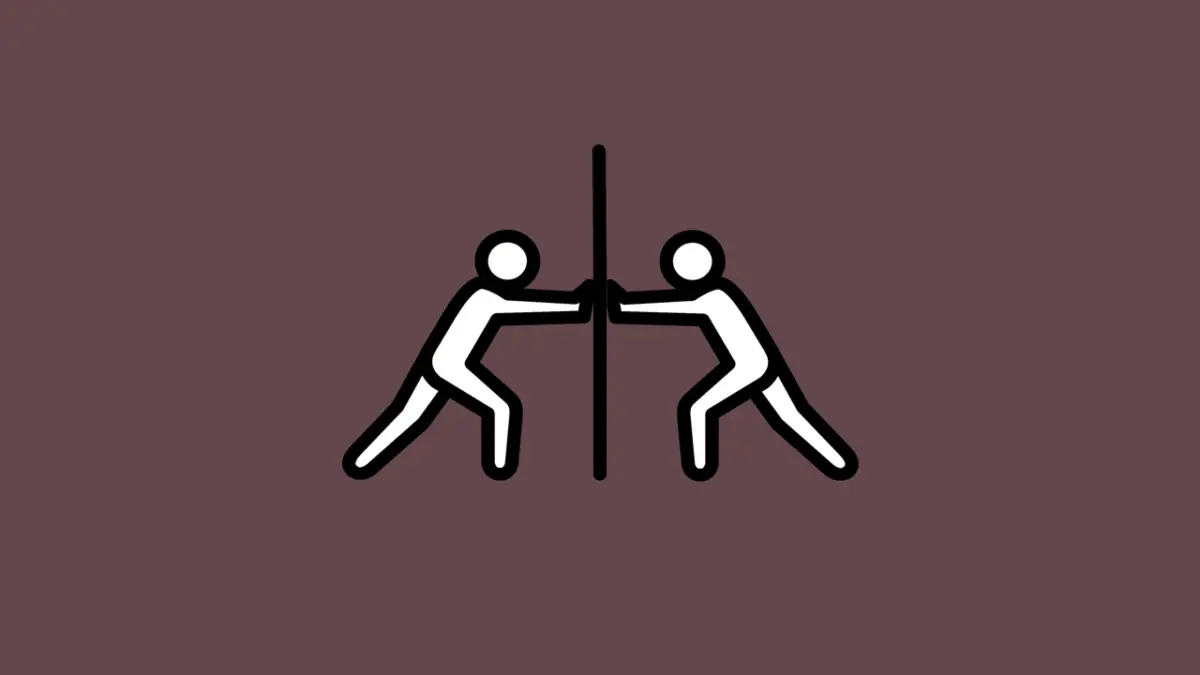
- The Physics of Resistance: Using the metaphor of two hands pushing against each other, Aguilar notes that the intensity of resistance is directly proportional to the pressure applied. If a coach increases demands and enforces compliance, the teacher’s pushback escalates symmetrically. Conversely, dropping the hand—metaphorically halting the push—depolarizes the room.
Frameworks for Clarity: ACE and The Gaps
To move beyond subjective frustration, Aguilar introduces concrete diagnostic tools designed to systematically categorize what is actually happening beneath a teacher’s resistance:

-
The ACE Framework (Acknowledge, Cultivate, Expand):
- Acknowledge Emotions: Validating the emotional reality (fear, distress, overwhelm) without requiring clinical intervention or boundary-crossing therapy.
- Cultivate Compassion: Encouraging self-compassion by asking teachers how they would treat a peer facing identical burdens, thereby dismantling harsh self-judgment.
- Expand the Story: Unpacking limiting beliefs and inviting educators to rewrite the narrative of what is possible in their classrooms.
-
The Gaps Framework (Six Categories of Growth):
When teachers cannot execute a requested change, Aguilar argues it is rarely a simple "will gap" (unwillingness). Instead, the obstacle typically falls into one of six distinct categories:- Skill: The mechanical ability to execute a pedagogical practice.
- Knowledge: The foundational understanding behind a theory or curriculum.
- Capacity: The physical, temporal, or spatial resources available.
- Will: The internal motivation or alignment of values.
- Emotional Intelligence: The self-regulation and interpersonal awareness needed to navigate complex student dynamics.
- Cultural Competence: The ability to understand and effectively engage with diverse student backgrounds and communities.
By systematically evaluating these areas, coaches can pinpoint exact intervention points rather than making sweeping assumptions about a teacher’s commitment.
Official Perspectives and Expert Insights
The concepts outlined in Aguilar’s latest work have elicited profound responses from educational leadership organizations, teaching unions, and pedagogical researchers worldwide.
In recent interviews discussing the core tenets of How to Coach Resistance, Aguilar emphasized that reframing pushback is a matter of professional equity and empathy:

"If you don’t want to experience resistance, drop your hand. Stop exerting your own pressure against their pressure… This is not to blame you. It is the most hopeful thing I can tell you, because it means resistance is not fixed. It is determined at least in part by what you bring into the room, and what you bring is something you can change."
The Validity of Righteous Pushback
A vital contribution of Aguilar’s recent discourse is the validation of what she terms "righteous resistance." Not all pushback stems from a lack of skill or emotional friction; sometimes, educators resist directives because the mandates themselves are fundamentally flawed, pedagogically unsound, or developmentally inappropriate for children.
For example, when administrators enforce rigid, punitive mandates—such as forcing kindergarteners to sit silently on a carpet for extended blocks of didactic instruction—a teacher’s resistance is an act of professional integrity and advocacy for student well-being. Effective instructional leaders must possess the discernment to distinguish between self-protective hesitation and principled pushback, creating pathways for teachers to voice valid institutional critiques safely.
Future Outlook: Transforming School Cultures Through Collaborative Partnership
As school districts navigate the complexities of post-pandemic education, the traditional command-and-control hierarchy is proving increasingly unsustainable. Teacher retention crises and widespread professional disengagement demand a fundamental redesign of how support systems operate within schools.
Implications for School Leadership and Professional Development
- Redefining the Coach’s Role: Instructional coaches must transition from compliance officers to trusted thought partners. Training programs for coaches must prioritize active listening, emotional intelligence, and non-judgmental inquiry over fidelity monitoring.
- Systemic Vulnerability: School principals and district administrators must model the same self-reflection they ask of teachers. When top-down policies fail or trigger widespread staff pushback, leadership must be willing to pause, listen, and adjust course.
- Fostering Safe Discourse: Cultivating a school culture where resistance is welcomed as data rather than punished as defiance will ultimately bridge the historical divide between teachers and administrators.
By embracing Elena Aguilar’s insights, educational communities can dismantle adversarial coaching dynamics. When leaders stop pushing and start partnering, classrooms transform from sites of compliance-driven anxiety into spaces of shared inquiry, profound resilience, and sustainable pedagogical growth.

