In the high-stakes environment of modern K-12 education, instructional coaching and professional development are designed to bridge the gap between educational theory and classroom practice. However, when school leaders and instructional coaches ask educators to modify their methods, they frequently encounter resistance. Traditionally, this pushback has been diagnosed as a personal deficiency on the part of the teacher—characterized as stubbornness, an unwillingness to evolve, or professional stagnation.
In her ninth and most transformative work to date, How to Coach Resistance: Turning Pushback Into Possibility, veteran educator, instructional coach, and author Elena Aguilar challenges this long-held paradigm. Aguilar argues that resistance is rarely a localized issue belonging exclusively to the teacher. Instead, it is a dynamic, reciprocal interaction forged between two individuals. When coaches double down on their demands, they inadvertently escalate the friction, locking both parties into an unproductive power struggle.
This paradigm-shifting perspective offers a profound sense of agency to coaches and educational leaders: if resistance is a shared dynamic, it can be dismantled. By altering their approach, cultivating curiosity, addressing underlying emotional barriers, accurately diagnosing growth gaps, and validating legitimate ethical pushback, coaches can transform hostility and hesitation into collaborative pathways for meaningful educational reform.
Detailed Chronology: The Evolution of Coaching Dynamics
To fully understand Aguilar’s contemporary framework on coaching resistance, it is necessary to examine how the relationship between educators and instructional leaders has evolved over recent decades.
Phase One: The Compliance Era (Late 20th Century)
Historically, supervision in education was evaluative and punitive. Instructional guidance was viewed through a compliance lens. Principals and administrators conducted periodic observations, noted deficiencies against a rigid checklist, and mandated corrective actions. In this era, pushback from teachers was met with administrative authority. Teachers complied out of professional obligation or fear of negative evaluations, but genuine pedagogical evolution was rare because trust was fundamentally absent.
Phase Two: The Rise of Instructional Coaching (Early 2000s–2010s)
As educational research emphasized the value of professional learning communities (PLCs) and continuous job-embedded professional development, the role of the "instructional coach" emerged. Coaches were introduced not as evaluators, but as non-evaluative partners meant to support teachers. Despite these positive intentions, many coaching programs retained top-down frameworks. Coaches often arrived in classrooms with pre-packaged curricula, data-driven mandates, and a predetermined checklist of strategies they expected teachers to implement. When teachers balked, coaches defaulted to old behavioral assumptions—labeling the educators as "resistant to change."
Phase Three: The Relational Turn and the Work of Elena Aguilar (Present Day)
Aguilar’s body of work, culminating in How to Coach Resistance, represents a critical maturation of the coaching profession. Over years of working with schools nationally and internationally, Aguilar recognized that technical solutions (e.g., handing a teacher a better lesson plan or a new pacing guide) failed when the relational and emotional ecosystem of the classroom was ignored.
In her latest framework, resistance is no longer treated as a pathology to be cured, but as valuable data. It signals a misalignment in the coaching dynamic, unexpressed emotional distress, an unmet professional need (a growth gap), or a legitimate ethical objection to a flawed directive. By charting this new territory, Aguilar shifts coaching from a transactional exercise in compliance to a transformative relational art.
Supporting Context & Metrics: Unpacking the Anatomy of Pushback
The friction experienced during coaching sessions is rarely arbitrary. Beneath surface-level arguments—such as a teacher claiming "my students simply cannot handle this reading level" or "we don’t have time for project-based learning"—lie complex psychological, systemic, and pedagogical factors.
The Two-Handed Push Dynamic
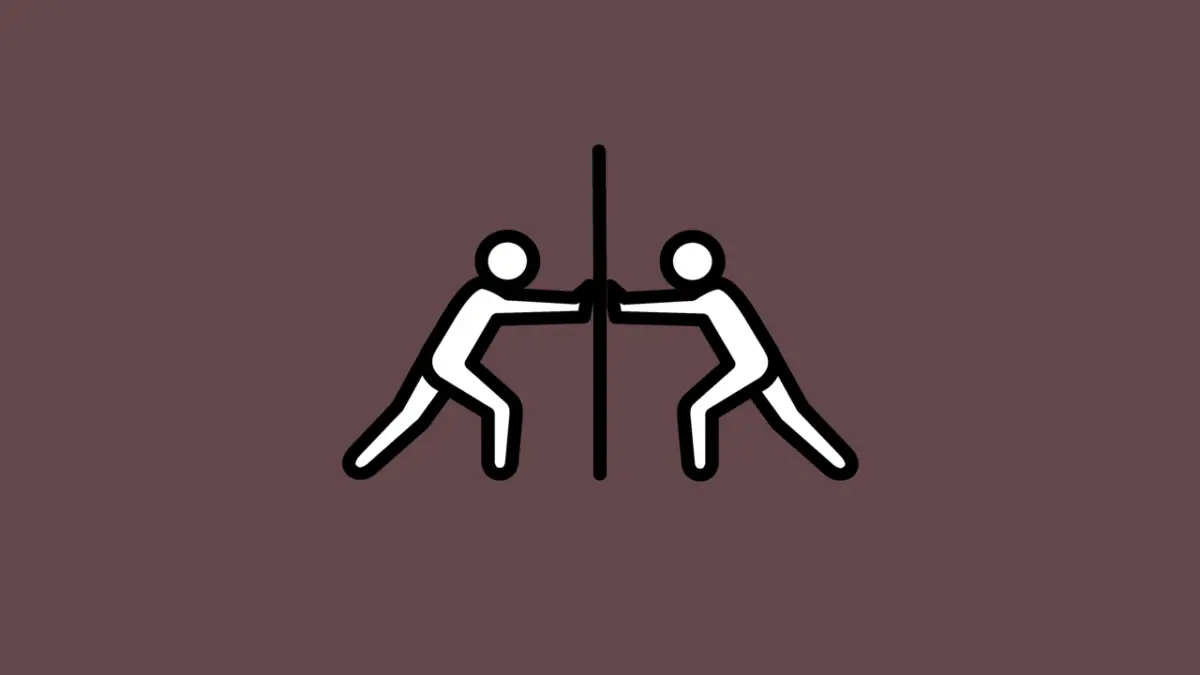
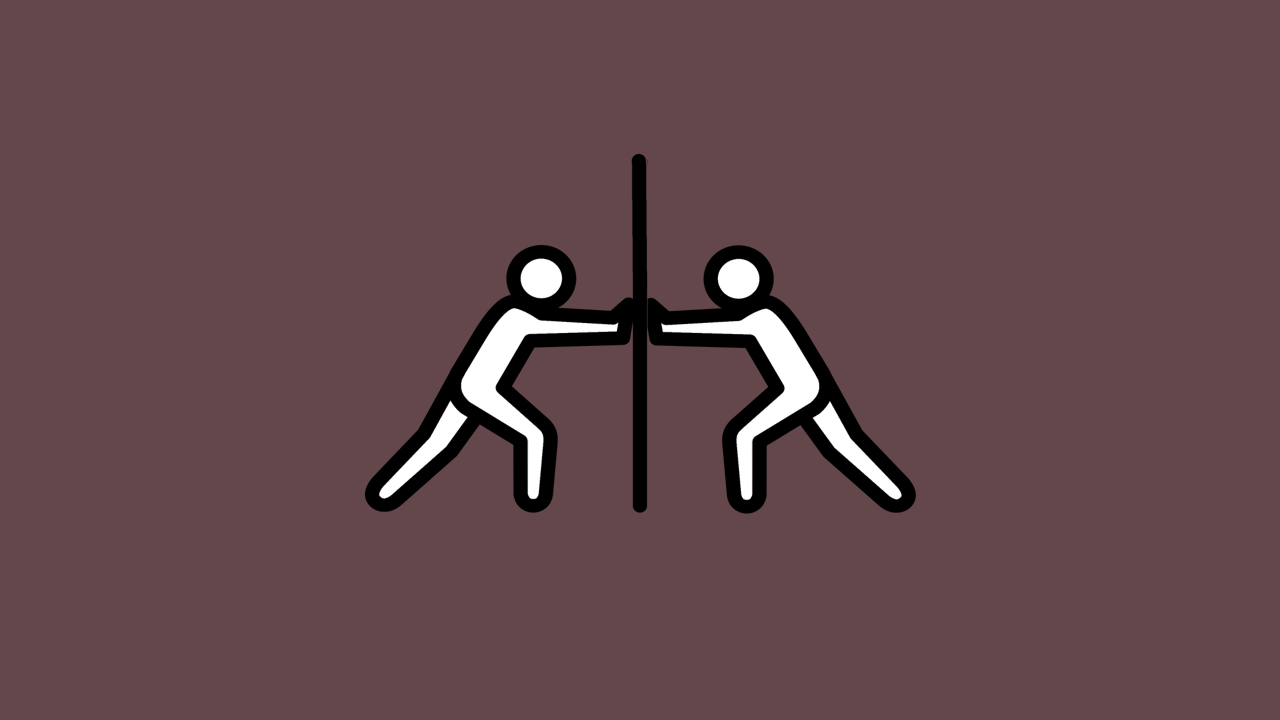
Aguilar visualizes resistance through a powerful metaphor: two people pushing against each other with their hands. The physical pressure experienced by both parties is cumulative. When a teacher digs in their heels out of anxiety or self-doubt, and a coach responds by doubling down on data, pacing metrics, or curricular fidelity, the pressure intensifies.
To break this cycle, Aguilar advises coaches to lower their hands—to stop exerting direct pressure and adopt a posture of profound curiosity. This does not require abandoning high standards; rather, it requires suspending judgment long enough to understand what the teacher is experiencing.
The ACE Framework: Navigating the Emotional Undercurrents
When a coach drops their defensive posture, they frequently uncover a landscape of intense emotions. To address these effectively without overstepping professional boundaries into therapy, Aguilar developed the ACE framework:
Acknowledge Emotions: Coaches must pause before diving into problem-solving. By using exploratory language—such as, "It sounds like there’s some apprehension around this new pacing guide; does that feel accurate?"—coaches validate the educator’s internal state. Tools like Aguilar’s Core Emotions framework help teachers move past surface-level distress to identify core feelings like fear, shame, or overwhelm.
Cultivate Compassion: Burnout and high-stakes accountability often cause educators to judge themselves with extreme harshness. Aguilar suggests using reframing questions, such as asking teachers how they would advise a trusted colleague facing identical challenges. Crucially, Aguilar stresses that coaches cannot invite self-compassion in others if they have not cultivated it within themselves.
Expand the Story: Every resistant reaction is tethered to a restrictive belief about what is possible. By examining these cognitive narratives together, coaches help educators see alternative interpretations of their classroom reality, opening new pathways for instructional design.
Misinterpreting Growth Needs: The Gaps Framework
When coaches successfully de-escalate emotional friction, they must identify the precise barrier preventing implementation. Aguilar’s Gaps Framework categorizes these areas for growth into six distinct domains:
Skill: The mechanical ability to execute a teaching strategy.
Knowledge: Understanding the foundational concepts behind a practice.
Capacity: Having the physical time, resources, and mental bandwidth required.
Will: The underlying motivation or belief in the value of the practice.
Emotional Intelligence: The self-regulation and interpersonal awareness needed to manage classroom dynamics.
Cultural Competence: The ability to understand and bridge cultural differences between educators and students.
Traditional coaching often mislabels structural or knowledge deficits as "will gaps"—falsely assuming a teacher refuses to cooperate when, in reality, they lack the specific training or resources to succeed.
Official Insights & Expert Perspectives
In her extensive interviews and instructional literature, Aguilar emphasizes that embracing resistance requires a fundamental shift in institutional culture.
"If you don’t want to experience resistance, drop your hand. Stop exerting your own pressure against their pressure," Aguilar notes, highlighting the behavioral shift required of effective leaders. "This is not to blame you. It is the most hopeful thing I can tell you, because it means resistance is not fixed. It is determined at least in part by what you bring into the room, and what you bring is something you can change."
Furthermore, Aguilar addresses the uncomfortable truth that not all pushback is unfounded. Educational systems frequently adopt policies, pacing guides, and standardized curricula that ignore developmental realities or institutional inequities.
"There are times when resistance is righteous, and there needs to be resistance," Aguilar asserts. "Resistance in and of itself is not a bad thing."
When a kindergarten educator is instructed to force young children into motionless, hour-long direct instruction blocks, their resistance is not a pedagogical failure; it is professional integrity. In such cases, skilled coaches validate the teacher’s rationale, help them evaluate options for institutional pushback, and examine their own complicity in enforcing counterproductive mandates.
Future Outlook: The Next Era of Instructional Leadership
As educational systems continue to navigate post-pandemic learning recovery, chronic educator burnout, and shifting legislative landscapes, the traditional methods of top-down educational reform are proving increasingly unsustainable. Teacher retention crises underscore the urgent need for a more humane, supportive approach to professional growth.
The methodologies outlined by Aguilar point toward a future where instructional coaching is redefined as an act of radical partnership. Future-ready school districts are beginning to train leaders not just in curricular standards, but in emotional intelligence, active listening, and relational trust-building.
By reframing pushback from an adversarial hurdle into an invitation for deep inquiry, educational systems can foster environments where teachers feel safe to be vulnerable, honest about their limitations, and empowered to co-create solutions. Ultimately, when coaching shifts from telling teachers what to do to exploring why and how together, schools unlock the true potential of professional learning—paving the way for resilient educators and thriving classrooms.