In the modern middle and high school classroom, diversity of thought, background, and identity inevitably breeds friction. Whether it is a collaborative science group locked in a debate over experimental methodology, an adolescent grappling with social exclusion, or a student feeling silenced by an interrupting peer, interpersonal conflict is an everyday reality of the educational ecosystem. However, educational psychologists and secondary educators increasingly emphasize a paradigm shift: conflict resolution is not about eliminating disagreements altogether. Rather, the ultimate objective is to provide adolescents with the cognitive and emotional toolkits necessary to manage, navigate, and resolve disputes independently and constructively.
As developing brains navigate the tumultuous waters of puberty, peer pressure, and academic stress, schools are moving away from purely reactive disciplinary models. Instead, they are embracing proactive, social-emotional learning (SEL) frameworks. By embedding conflict resolution strategies directly into the daily curriculum, educators are transforming moments of tension into profound opportunities for growth, self-advocacy, and relational resilience. This comprehensive report explores the foundational strategies, neurological imperatives, and practical applications reshaping how middle and high schools approach conflict.
Detailed Chronology: The Evolution of Classroom Disciplinary and SEL Frameworks
To understand the current emphasis on proactive conflict resolution in secondary education, it is vital to trace how educational institutions have evolved in their approach to student behavior over the past several decades.
The Era of Punitive Compliance (Late 20th Century): For decades, secondary schools relied heavily on a top-down, punitive model of behavior management. Disagreements, arguments, and classroom disruptions were met with swift, exclusionary consequences—such as detention, suspension, or expulsion. This reactive paradigm viewed conflict as an infraction of rules rather than a developmental deficit in communication.
The Rise of Restorative Justice (Early 2000s): As educational research underscored the long-term academic and social harms of exclusionary discipline—particularly for marginalized student populations—schools began experimenting with restorative justice practices. Originating in legal and community settings, this shift prioritized repairing harm, restoring relationships, and giving all parties a voice in the mediation process.
The Integration of Social-Emotional Learning (2010s): SEL emerged as a cornerstone of comprehensive education. Organizations like the Collaborative for Academic, Social, and Emotional Learning (CASEL) championed frameworks that integrated emotional regulation, relationship skills, and responsible decision-making into core academics. Conflict resolution shifted from an administrative intervention to a teachable classroom skill.
The Modern Proactive Framework (Present Day): Today, educators recognize that waiting for a major blowout to teach conflict resolution is entirely ineffective. Modern classrooms utilize daily relationship-building, explicit scenario training, mindfulness-based calming strategies, and active listening exercises to inoculate students against destructive conflicts before they escalate.
Supporting Context & Metrics: The Science and Impact of Adolescent Conflict
Adolescence is a period of extraordinary neurological development. Understanding the biological underpinnings of teen behavior provides essential context for why traditional punitive measures fail and why structured conflict resolution succeeds.
The Neurobiology of Stress and Conflict
When an adolescent faces a perceived threat, insult, or intense disagreement, the amygdala—the brain’s emotional and instinctual processing center—frequently hijacks cognitive function. This triggers the classic "fight, flight, or freeze" response, rendering the student impulsive, hyper-reactive, and incapable of nuanced problem-solving.
Conversely, when students are taught physiological calming strategies, they can activate the prefrontal cortex—the region responsible for executive functioning, future planning, and rational decision-making. Equipping teens with the ability to pause, breathe, and regulate their nervous systems is therefore the foundational prerequisite for any meaningful conflict resolution.
The Multifaceted Benefits of SEL and Conflict Resolution
Implementing robust conflict resolution strategies yields measurable dividends across multiple vectors of school climate and student well-being:
Enhanced Academic Engagement: Classrooms characterized by high psychological safety and low peer friction experience fewer instructional disruptions, allowing for deeper academic focus.
Reduced Bullying and Exclusion: Proactive training in self-advocacy and respectful disagreement dismantles the social dynamics that sustain bullying and social ostracization.
Long-Term Life Readiness: The negotiation, active listening, and emotional regulation skills acquired in middle and high school form the bedrock of adult professional success, healthy personal relationships, and civic participation.
Core Strategies for Implementing Conflict Resolution in Secondary Classrooms
Transforming theoretical ideals into daily classroom realities requires a deliberate, multi-pronged approach. Educators across middle and high schools are utilizing specific, actionable strategies to cultivate a culture of peace and collaboration.
1. Prioritizing Relational Foundations
Before students can effectively tackle complex interpersonal disputes, they must feel a sense of foundational connection to their peers and educators. Trust is the currency of conflict resolution. When young adults feel genuinely seen and valued within their learning community, the emotional stakes of a disagreement feel less threatening.
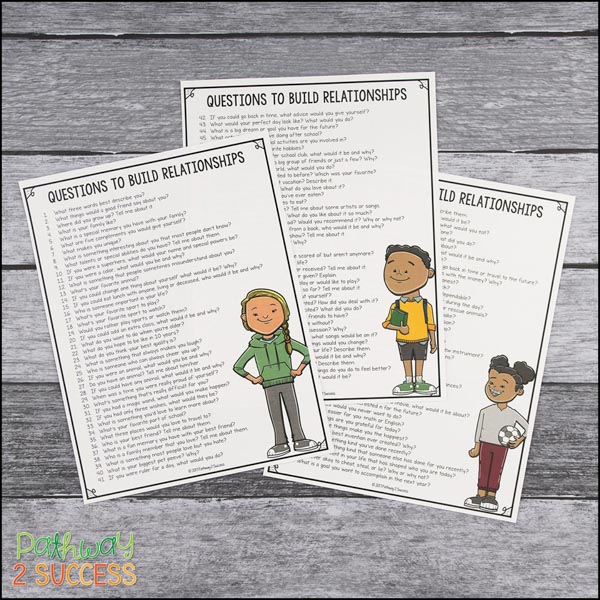
Actionable Implementation: Educators can utilize structured relationship-building questions during morning meetings, advisory periods, or the beginning of class blocks. Prompts that explore high-interest topics, personal values, or lighthearted preferences open the door to deeper mutual understanding.
Conflict is not inherently negative; when managed correctly, it is a natural vehicle for self-discovery and collective problem-solving. However, students must be explicitly taught that different scenarios demand different approaches.
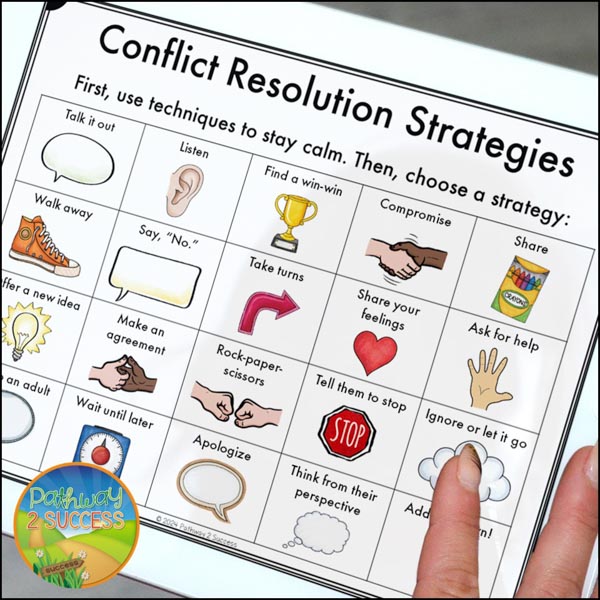
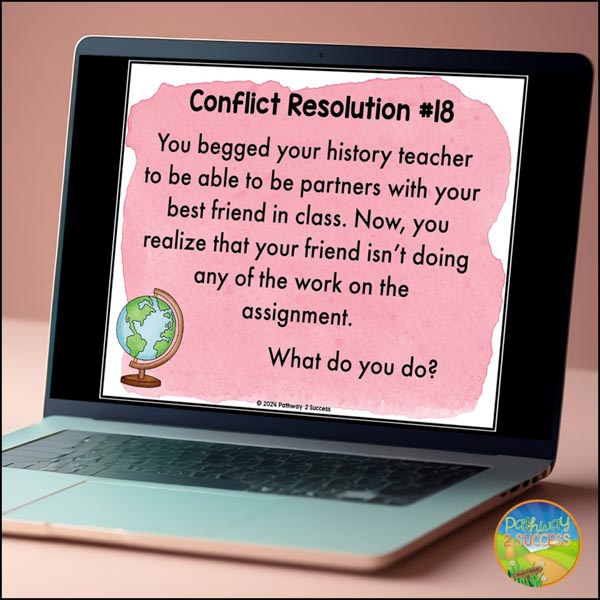
Contextual Flexibility: For instance, a disagreement over a collaborative project requires collaborative dialogue and active listening. Conversely, feeling pressured to share test answers or encountering boundary violations requires assertive self-advocacy and the ability to say "no" firmly and respectfully. Utilizing scenario-based cards and guided slides allows students to rehearse these varied responses in a safe environment.
3. Cultivating Active Listening
True active listening—the practice of hearing to understand rather than simply waiting for one’s turn to speak—is a rare skill in the digital age.
Classroom Integration: Teachers can weave active listening exercises directly into academic content. Activities that require students to paraphrase a peer’s argument before offering a rebuttal force cognitive engagement and validate the speaker’s perspective, drastically lowering the emotional temperature of a debate.
4. Embedding Calming and Self-Regulation Strategies
Because the adolescent brain is prone to amygdala hijacks during moments of stress, emotional regulation must precede cognitive problem-solving.
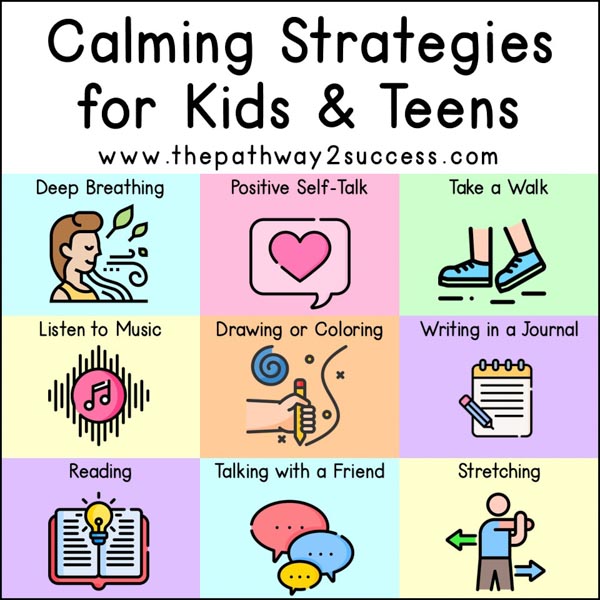
Practical Techniques: Educators can incorporate brief brain breaks, guided deep-breathing exercises, journaling prompts, or quiet transitional moments (such as mindful coloring or silent reflection) between high-stakes activities. Familiarity with these tools ensures students can access their inner calm when friction arises naturally.
5. Leveraging Conflict Scenarios and Class Meetings
Simulated practice removes the defensive panic associated with real-time disputes. By exploring hypothetical or historical conflict scenarios, students analyze problems objectively.
Structured Dialogue: Holding regular class meetings provides a predictable, semi-structured forum where students can air grievances constructively, brainstorm collective solutions, and practice democratic decision-making regarding classroom norms.
6. Encouraging Self-Advocacy and Respectful Disagreement
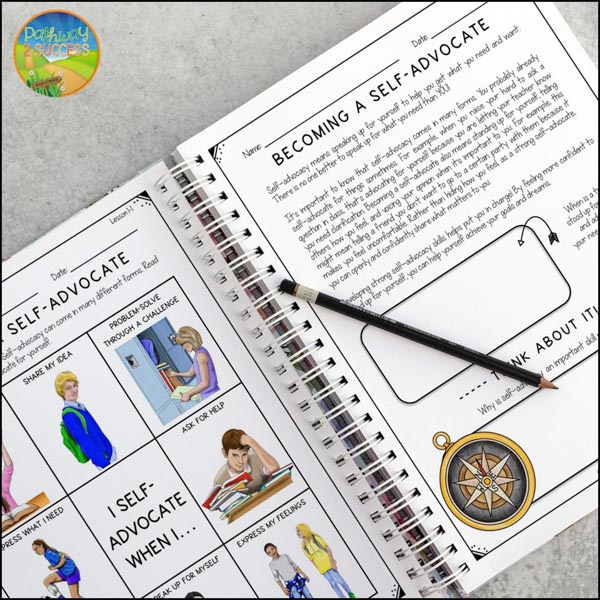
Self-advocacy and conflict resolution are mutually reinforcing competencies. Teens must learn how to articulate their boundaries, seek academic or emotional help when overwhelmed, and express dissent without descending into ad hominem attacks.
Verbal Toolkits: Equipping students with specific phrasing—such as "I see your point, but I view it differently because…" or "Can you help me understand how you reached that conclusion?"—empowers them to navigate disagreements with dignity and poise.
7. Visual Reinforcement and Daily Reflection
Consistency is vital for habit formation. Educators utilize bulletin boards, visual posters, and classroom decor dedicated to conflict resolution steps to serve as constant, passive reminders of behavioral expectations. Furthermore, dedicating the final 5 to 10 minutes of the school day to structured reflection allows students to audit their own behavioral choices, celebrate successes, and identify areas for personal growth.
Official Statements and Expert Perspectives
Educational leaders and adolescent psychology researchers continue to advocate for systemic integration of conflict-resolution training within secondary institutions.
Dr. Elena Vance, a leading researcher in adolescent social-emotional development, notes:
"We often expect teenagers to possess sophisticated conflict-resolution abilities while simultaneously denying them the structured environments required to practice those skills. When schools treat conflict strictly as a disciplinary offense rather than a teachable moment, we miss a critical developmental window. Teaching kids how to regulate their nervous systems, listen actively, and advocate for themselves is just as foundational to their future as mathematics or literacy."
Furthermore, school administrators implementing comprehensive SEL frameworks report profound shifts in institutional climate. According to district-wide feedback from pilot programs utilizing scenario-based conflict resolution modules, campuses experienced marked decreases in behavioral referrals and significant increases in student-led mediation successes.
Future Outlook: The Next Frontier in School-Based Peacebuilding
As educational landscapes continue to evolve in response to technological integration, shifting social dynamics, and post-pandemic developmental recovery, the imperative for robust conflict resolution strategies has never been more urgent.
Looking forward, secondary education is poised to expand its focus beyond traditional classroom walls, integrating digital citizenship and online conflict resolution into SEL curricula. Cyberbullying, digital misunderstandings, and polarized online discourse present unique modern challenges that require the same foundational competencies—empathy, active listening, emotional regulation, and respectful dialogue.
Ultimately, the goal of modern education extends far beyond standardized test scores. By embedding conflict resolution strategies into the fabric of middle and high school classrooms, educators are actively forging a more empathetic, resilient, and collaborative generation capable of transforming friction into progress.