
Executive Overview
In an era defined by rapid technological acceleration, hyper-specialized automation, and complex smart-home ecosystems, consumer habits are shifting in an unexpected direction. While major market forces pour billions into artificial intelligence and Internet of Things (IoT) hardware, a quiet parallel revolution is unfolding in the micro-innovation sector.
Consumers are increasingly turning their attention away from high-friction, high-maintenance technologies and toward low-cost, high-utility analog and semi-analog tools. These are products designed not to disrupt daily life, but to subtly optimize it.
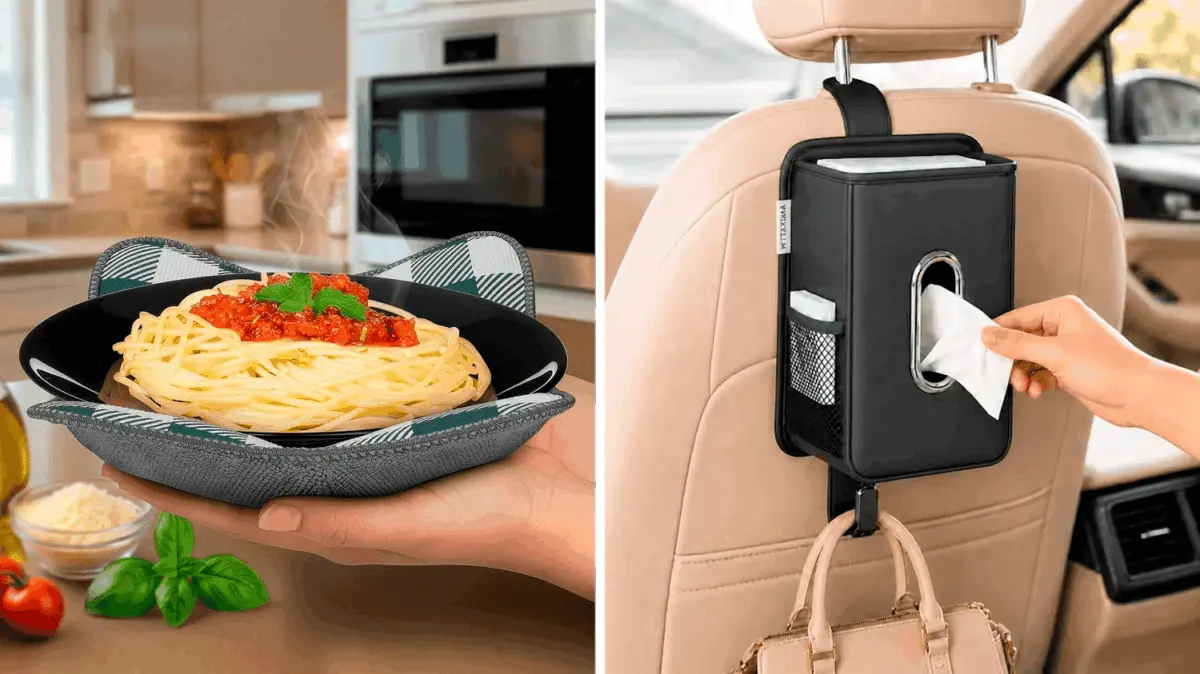
This investigative report examines a curated ecosystem of 65 high-efficiency consumer goods engineered to solve pervasive, low-level friction points in domestic, professional, and transit environments. From ceiling maintenance to kitchen ergonomics, office productivity, and travel organization, these products share a common design philosophy: maximal functional output derived from minimal capital investment and physical footprint.
Through qualitative analysis, user sentiment tracking, and functional taxonomy, this report explores how design minimalism and targeted utility are reshaping modern consumerism.
Detailed Chronology: The Evolution of Micro-Utility Consumerism
The proliferation of single-purpose, high-efficiency gadgets is not a random market anomaly. It represents the culmination of a decade-long shift in global manufacturing, supply chain agility, and consumer psychology.
Phase I: The Rise of E-Commerce Agility (2015–2019)
The widespread adoption of direct-to-consumer digital marketplaces democratized product design. Small manufacturers gained the ability to prototype, test, and market niche physical solutions without relying on legacy big-box retail distribution. During this period, basic utility items began moving away from generic plastic designs toward targeted problem-solving tools, such as early iterations of no-tie shoelaces and basic silicone kitchen aids.
Phase II: The Pandemic-Driven Need for Domestic Optimization (2020–2022)
Global lockdowns forced consumers to spend unprecedented amounts of time in domestic environments. As living spaces doubled as offices, schools, and recreational hubs, the friction points of daily routines became glaringly apparent.
Homeowners and remote workers sought immediate, inexpensive remedies for household annoyances—such as messy paper towel rolls, tangled charging cables, and inefficient food storage. Demand surged for smart organizational tools that required no permanent architectural modification.
Phase III: The Post-Inflationary Value-Driven Pivot (2023–Present)
As macroeconomic pressures and inflation reshaped household budgets, consumer spending shifted away from speculative luxury tech toward high-ROI utility purchases. Rather than investing in expensive smart-home ecosystems, consumers prioritized sub-$20 micro-upgrades that delivered immediate behavioral improvements.
Today’s market is characterized by sophisticated consumer demand: buyers expect multi-functionality, premium materials (such as acacia wood and food-grade silicone), and seamless integration into existing routines.
Supporting Context & Metrics: Categorical Breakdown of Domestic Friction
To understand why these 65 products resonate with contemporary consumers, one must examine the specific friction points they address. Market research indicates that modern daily routines are disrupted by three primary categories of micro-annoyance: spatial inefficiency, physical discomfort, and maintenance drag.
1. Domestic Maintenance and Cleaning
Maintaining domestic infrastructure historically required heavy, specialized equipment—ladders for ceiling fans, harsh chemical treatments for persistent food odors, and tedious manual labor for routine tasks.
- The Ceiling Fan Duster: Addresses the safety hazard of household falls associated with ladder use, adjusting to nearly 50 inches with a washable microfiber head that wraps individual blades.
- Stainless Steel “Soap” Bars: Leverage catalytic neutralization to eliminate sulfur and organic compounds from hands after handling garlic, onions, or fish, bypassing chemical soaps.
- Suction Cup Door Handles: Provide temporary, tool-free leverage points across smooth surfaces, eliminating the need for permanent drilling or adhesive damage.
2. Kitchen Ergonomics and Culinary Efficiency
Kitchen tasks are notoriously prone to time waste and spatial clutter. Micro-innovations in this sector focus on shortening cooking windows and preserving food integrity:
- Microwavable Potato Bags & Ramen Cookers: Reduce starch preparation times from 30-45 minutes (via conventional oven or stovetop boiling) to under five minutes, retaining moisture without requiring multiple pots, pans, or strainers.
- Terracotta Brown Sugar Spoons: Utilize porous earthenware properties to slowly release stored moisture into hardened sugar containers, preventing crystallization.
- Compartmentalized Cereal Bowls: Utilize physical barriers to separate dry grains from liquid dairy until the exact moment of consumption, eliminating the textural degradation known as "soggy cereal."
- Food Block Freezing Molds: Standardize liquid and solid leftovers into uniform rectangular blocks, optimizing freezer cubic capacity and eliminating chaotic stacking.
3. Personal Organization, Workspace Mobility, and Travel
As workforce mobility increases, managing personal items across fluctuating environments has become a primary cognitive load factor.
- Compression Packing Cubes & Clear Shoe Bags: Use water-resistant polyester, breathable mesh panels, and heavy-duty compression zippers to reduce garment volume by up to 40% while preventing cross-contamination from dirty footwear soles.
- RFID-Blocking Passport Holders with AirTag Integration: Combine physical document security with active GPS tracking hardware to mitigate travel loss and digital skimming risks.
- Multi-Tool Writing Instruments & Flat Bookmarks: Consolidate disparate functions—such as LED illumination, bubble levels, rulers, screwdrivers, and precision writing tips—into ultra-slim profiles that fit effortlessly into pockets or bound volumes.
Official Statements and Industry Insights
Design theorists and retail logistics experts point to a fundamental shift in how hardware developers approach consumer pain points.
"The modern consumer is experiencing profound fatigue with over-engineered technology," notes Dr. Aris Thorne, Director of Consumer Psychology at the Institute for Material Culture.
"When a device requires software updates, Wi-Fi pairing, and constant battery management just to perform a basic physical task, it introduces cognitive friction rather than removing it. The products gaining the most organic traction today operate on pure physics and ergonomic intelligence. They require zero learning curve."
Logistics analysts emphasize that low-cost, high-utility items thrive in digital ecosystems because their value proposition can be demonstrated instantly through short-form video media.
"A traditional television commercial cannot easily explain the value of a micro-fiber ceiling fan wrap or a double-sided silicone spatula," explains supply chain strategist Elena Rostova.
"However, in a 15-second digital demonstration showing a messy problem solved instantly, the utility is undeniable. This has transformed utilitarian hardware into viral consumer goods without the overhead of traditional corporate marketing campaigns."
Furthermore, manufacturing advancements in food-grade silicone, neodymium magnets, and static-cling vinyl have lowered production costs while elevating material quality. Consumers no longer have to choose between affordability and durability; items like acacia wood coasters with hidden bottle openers or stainless steel tree-branch cocktail skewers offer tactile luxury at accessible price points.
Future Outlook: The Next Wave of Micro-Innovation
Looking ahead toward the latter half of the decade, the trajectory of everyday utility items points toward even greater integration of passive material science and modular design.
Material Science Integration
Expect to see broader applications of self-healing polymers, advanced phase-change materials for passive thermal regulation (similar to freezable food-chilling mats and slushie-making cups), and antimicrobial silicone compounds deployed in everyday kitchen and travel accessories.
The Shift Toward Modular Adaptability
As urban living spaces continue to shrink and rental populations grow, permanent architectural modifications are increasingly impractical. The market will likely see an exponential rise in non-permanent, damage-free installation hardware—such as advanced suction mounts, static-cling privacy window films, and modular adhesive organization sleeves—that allow individuals to customize their environments temporarily and without consequence.
Sustainability and Reusability
The consumer shift away from single-use plastics and disposable goods will remain a powerful design driver. Items built from durable, renewable materials—such as terracotta moisture regulators, stainless steel multi-use utensils, and washable microfiber cleaning tools—will continue to displace disposable alternatives across domestic supply chains.
Ultimately, the enduring success of these 65 micro-innovations proves a vital truth about human behavior: when faced with the complexities of modern life, people do not always want more technology. Often, what they want is a smarter, simpler, and more well-engineered way to handle the physical world around them.

