In the high-stakes environment of modern education, instructional coaching and school leadership are frequently positioned as the ultimate drivers of academic reform. When school administrators and instructional coaches introduce new curricula, instructional strategies, or administrative mandates, they generally operate with a singular objective: to elevate teacher efficacy and student achievement. However, these well-intentioned initiatives routinely encounter friction. Teachers push back. They question directives, express skepticism regarding new methodologies, and sometimes flatly refuse to implement requested changes.
Historically, institutional responses to this pushback have suffered from a fundamental attribution error. School leaders and instructional coaches have routinely diagnosed resistance as a localized defect residing entirely within the teacher—characterizing them as obstinate, antiquated, or uncooperative.
In her groundbreaking ninth book, How to Coach Resistance: Turning Pushback Into Possibility, veteran instructional coach, author, and educational consultant Elena Aguilar upends this traditional paradigm. Aguilar posits that resistance is not an isolated behavioral flaw exhibited by an individual teacher, but rather an emergent, interactive dynamic generated between two people. Crucially, Aguilar argues that coaches and leaders frequently contribute to the very resistance they seek to eliminate. By shifting from a defensive posture to one of radical curiosity, instructional leaders can reframe pushback as a catalyst for professional development rather than a barrier to progress. This comprehensive report explores Aguilar’s frameworks—including the ACE and Gaps frameworks—and evaluates how a systemic revision of coaching dynamics can permanently transform educational leadership.
Detailed Chronology: The Evolution of Professional Coaching and the Discovery of the Resistance Dynamic
For decades, the standard trajectory of instructional coaching followed a clinical, top-down medical model. Early iterations of teacher coaching in the late 20th century viewed pedagogy as a technical skill set that could be surgically repaired by an expert observer. If a classroom educator struggled with student engagement or curriculum pacing, the instructional coach was deployed to diagnose the deficiency, prescribe a standard intervention, and monitor compliance.
Over time, as educational research began to recognize the complexities of adult learning and emotional intelligence, the coaching model evolved. Yet, the underlying assumption regarding teacher pushback remained stagnant. When an educator voiced opposition to a new policy or instructional framework, the professional culture treated that hesitation as "resistance to change"—a psychological barrier that needed to be managed, overridden, or circumvented.
Aguilar’s latest work marks a watershed moment in the evolution of educational coaching. Drawing on decades of field experience, Aguilar observed a recurring pattern in failed coaching engagements: the harder a coach pushed a pedagogical directive, the deeper the teacher dug in their heels. This cyclical opposition mirrored interpersonal conflict rather than professional collaboration.
By analyzing hundreds of coaching transcripts and professional development sessions, Aguilar isolated the exact mechanics of this friction. She identified that both parties in a coaching relationship frequently operate from a baseline of fear. The educator fears inadequacy, exposure, or the imposition of unmanageable workloads; the coach fears failure, institutional non-compliance, or an inability to meet administrative benchmarks.
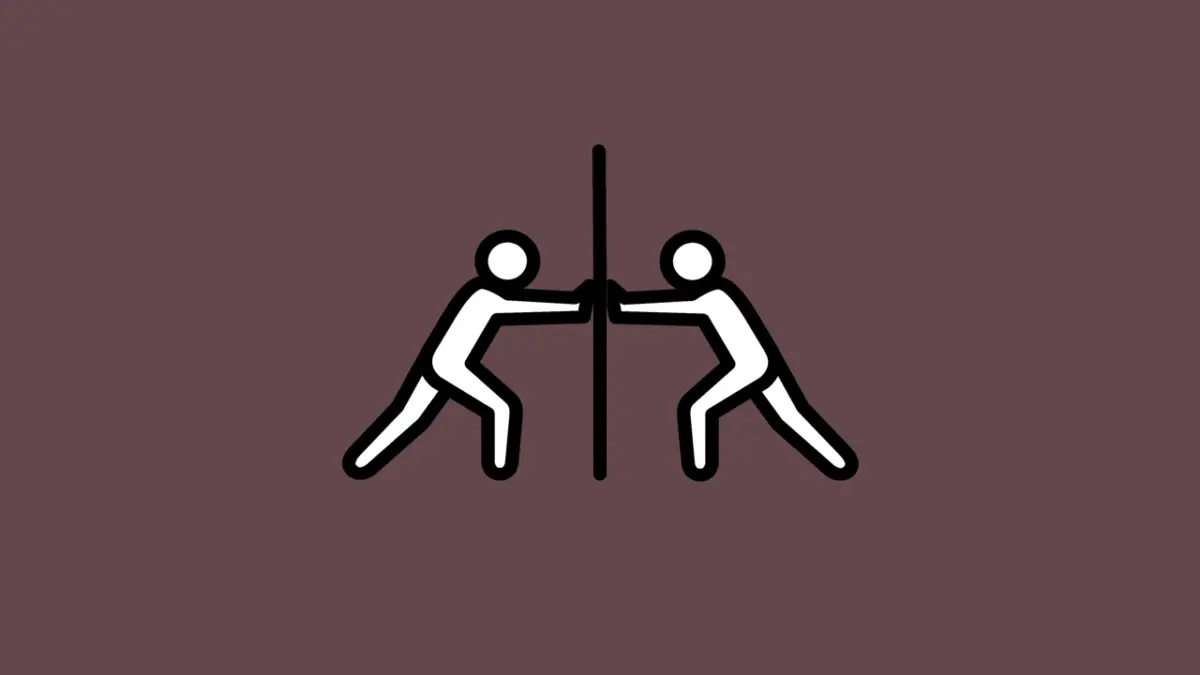
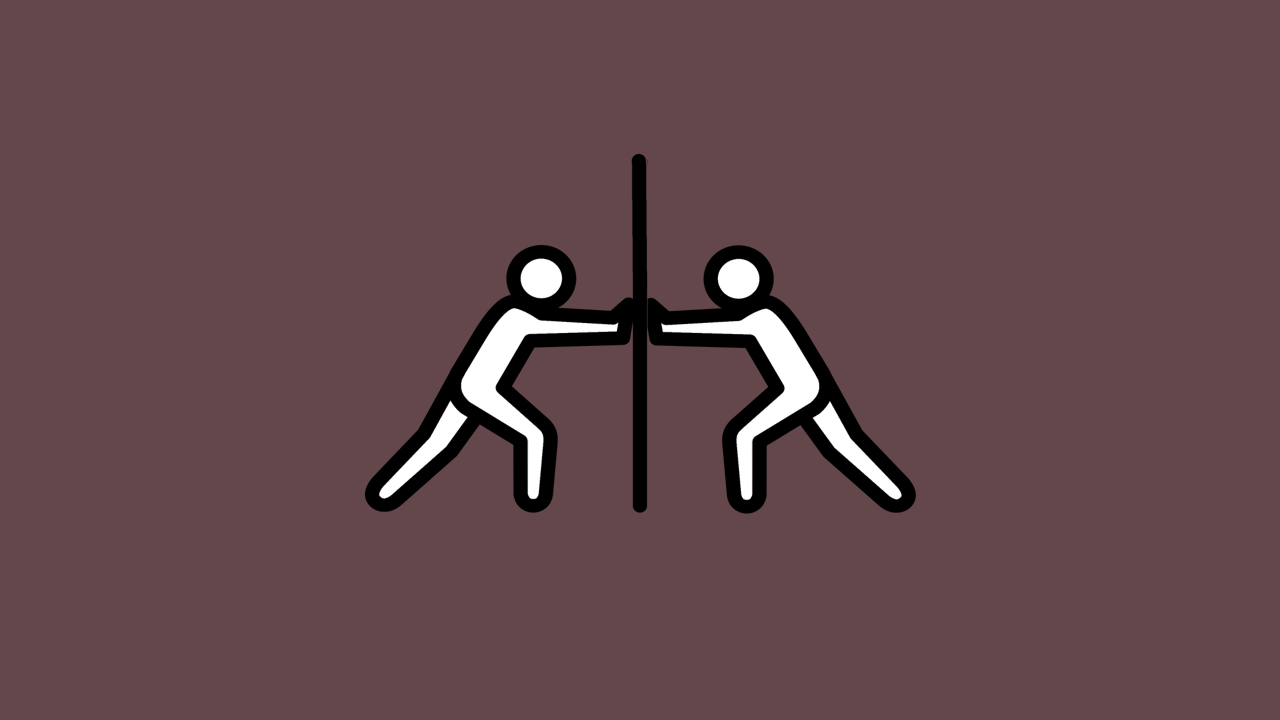
This realization led to the conceptualization of resistance as an interactive loop. Rather than viewing pushback as a solid wall to be broken down, Aguilar reframed it as two hands pushing against one another with equal and opposite force. The chronological shift in modern coaching methodology now centers on breaking this loop by having the coach intentionally "drop their hand"—abandoning the compulsion to win an argument and instead opening a pathway for genuine exploration.
Supporting Context & Metrics: Unpacking the ACE and Gaps Frameworks
To operationalize this philosophical shift, Aguilar has developed structured, actionable frameworks designed to help instructional leaders diagnose the root causes of educator pushback without resorting to punitive measures. Central to this methodology are the ACE framework and the Gaps framework.
The ACE Framework: Acknowledge, Cultivate, Expand
When a coach drops their defensive posture and enters a space of curiosity, they invariably encounter deep-seated emotional undercurrents. Aguilar’s ACE framework provides a systematic, three-step approach for navigating these emotional landscapes.
Acknowledge Emotions: Before any problem-solving can occur, coaches must pause and validate the teacher’s affective state. Aguilar stresses that instructional coaches do not need to function as licensed psychotherapists or probe into an educator’s personal history. Instead, simple, exploratory acknowledgment—such as observing that fear or distress seems present and asking if that matches the teacher’s experience—communicates deep institutional acceptance. Using tools like Aguilar’s Core Emotions inventory allows educators to move past superficial defensive responses (such as anger) to identify underlying vulnerability (such as shame or overwhelm).
Cultivate Compassion: Struggling educators often subject themselves to intense self-criticism, which compounds their defensiveness. Aguilar suggests a powerful cognitive reframing technique: asking teachers what they would say to a trusted colleague or best friend facing identical classroom conditions. This exercise fosters self-compassion, which in turn enables educators to extend grace to their students and administrators. Crucially, Aguilar notes that coaches cannot authentically cultivate compassion in others if they have not cultivated it within themselves.
Expand the Story: The final step involves interrogating the internal narratives and limiting beliefs attached to the professional challenge. By examining how an educator interprets a situation, coaches can help them explore alternative explanations and discover new methodological pathways back to effective instruction.
The Gaps Framework: Diagnosing the True Barrier
When the emotional climate has stabilized and the conversation transitions to instructional practice, leaders must accurately identify why a teacher is struggling to implement a change. Aguilar’s Gaps Framework categorizes these barriers into six distinct domains:
Skill
Knowledge
Capacity
Will
Emotional Intelligence
Cultural Competence
In traditional educational hierarchies, administrators reflexively default to assuming a "will gap"—concluding that a resistant teacher simply does not want to perform the task. However, thorough diagnostic inquiry frequently reveals an entirely different reality. For instance, a secondary mathematics educator objecting to a curriculum heavily reliant on literacy integration may not be acting out of defiance; rather, they may possess a knowledge or skill gap regarding how to teach reading comprehension within a mathematical context. By diagnosing the precise gap before prescribing an intervention, instructional leaders can target professional development with surgical precision.
Official Statements and Expert Insights
The paradigm shift championed by Elena Aguilar has garnered significant attention from progressive educational theorists, superintendents, and professional development organizations nationwide.
In recent interviews discussing the release of How to Coach Resistance, Aguilar emphasized that reframing pushback is the single most hopeful development for modern school cultures.
"This is not to blame you," Aguilar writes, directly addressing instructional leaders and coaches. "It is the most hopeful thing I can tell you, because it means resistance is not fixed. It is determined at least in part by what you bring into the room, and what you bring is something you can change."
Educational psychologists have similarly lauded the application of emotional intelligence frameworks within instructional coaching. Critics of old-school compliance models point out that forced pedagogical implementation yields superficial classroom changes that quickly evaporate once external monitoring ceases. By contrast, Aguilar’s methodology prioritizes relational trust and psychological safety, creating sustainable, long-term shifts in teacher practice.
Furthermore, Aguilar makes a vital distinction regarding the legitimacy of pushback. Not all resistance is rooted in emotional distress, skill deficiencies, or conceptual misunderstandings. Sometimes, teacher pushback is entirely justified.
"There are times when resistance is righteous, and there needs to be resistance," Aguilar asserts. "Resistance in and of itself is not a bad thing."
When a kindergarten educator is instructed to force young children to sit passively on a carpet for an hour of didactic instruction, their objection is pedagogically sound and developmentally appropriate. In such instances, effective instructional leaders must provide a safe harbor for teachers to voice ethical and professional concerns, exploring systemic avenues to challenge inappropriate mandates rather than attempting to coerce compliance.
Future Outlook: Transforming School Culture Through Relational Leadership
As school districts across the globe grapple with unprecedented teacher burnout, retention crises, and post-pandemic learning gaps, the traditional authoritarian model of school leadership is proving increasingly untenable. Pushing harder against exhausted, overwhelmed educators accelerates attrition and poisons school climate.
The future of educational leadership relies heavily on the adoption of human-centric coaching models. By embracing the principles outlined by Elena Aguilar, instructional coaches and school principals can pivot from being compliance enforcers to true collaborative partners.
Moving forward, professional development programs for aspiring administrators must integrate coursework on emotional intelligence, somatic awareness of conflict dynamics, and structured diagnostic frameworks like the Gaps and ACE models. When teachers experience coaching environments defined by radical curiosity, active emotional acknowledgment, and genuine respect for their professional autonomy, the adversarial walls begin to crumble.
Ultimately, transforming pushback into possibility requires institutional courage. It requires leaders to lower their own hands, quiet their defensive instincts, and extend an invitation rooted in partnership: "I am not here to judge you. I am not going to tell you what to do. I want to be a partner. I want to help you work through this." In that singular, transformative shift lies the foundation for profound and lasting growth in modern education.