
Executive Overview
As the winter season settles in, bringing with it a dramatic shift in weather, extended periods of indoor confinement, and the unpredictable disruptions of holiday breaks, educators and parents face a recurring, formidable challenge. While self-regulation—the cornerstone capacity to manage thoughts, feelings, and behaviors—is vital year-round, its importance spikes exponentially during the winter months. Disruptions in daily routines, coupled with the sensory overload of holiday festivities and a lack of outdoor physical activity, frequently overwhelm the neurological systems of children and adolescents. The resulting dysregulation often manifests as heightened anxiety, behavioral outbursts, classroom fatigue, and a general inability to focus.
To combat these seasonal pressures, educational specialists and child psychologists are increasingly turning to structured, engaging self-regulation strategies tailored specifically to the winter landscape. Far from being rigid or punitive, contemporary self-regulation frameworks emphasize that mastering emotional control can and should be an interactive, joyful process.
This comprehensive report examines the neurological imperative for winter regulation, provides an authoritative exploration of ten evidence-based activities designed to cultivate focus and calm, and outlines a strategic blueprint for educators and caregivers seeking to foster emotional resilience during the darkest months of the year.
Detailed Chronology: The Seasonal Cycle of Dysregulation
Understanding why children require targeted emotional support during winter demands a look at the chronological rhythms of the academic and calendar year.
Phase 1: The Pre-Break Build-Up (Late November to Mid-December)
As winter approaches, schools typically enter a period of intense activity. Academic pressures culminate before mid-year assessments, and extracurricular holiday programs alter standard daily schedules. For children, particularly those prone to sensory processing differences or anxiety, the loss of predictability is an acute stressor. The anticipation of holidays—while exciting—triggers an overproduction of adrenaline and cortisol, keeping nervous systems in a prolonged state of hyper-arousal.
Phase 2: The Interruption of Break (Late December to Early January)
The transition into winter break offers a reprieve from academic structures, but it frequently introduces new stressors: unstructured time, disrupted sleep hygiene, travel, and shifting social dynamics. For many young people, the absence of a reliable anchor—the school day—leads to emotional drift and escalating behavioral challenges at home.
Phase 3: The Post-Break Readjustment (January to February)
Perhaps the most critical window for intentional self-regulation interventions is the immediate aftermath of winter break. Returning to the classroom requires a jarring pivot from unstructured leisure back to strict behavioral and cognitive demands. Educators frequently report that the weeks immediately following New Year’s Day are characterized by extreme lethargy, classroom friction, and profound difficulties with attention span. Coupled with reduced daylight hours—which directly impacts circadian rhythms and vitamin D synthesis—children’s biological capacities for self-control are severely tested.
It is precisely within this extended seasonal trough that targeted self-regulation exercises transition from optional enhancements to absolute necessities.
Supporting Context & Metrics: The Science of Self-Regulation
To appreciate the value of winter-themed regulation activities, one must examine the underlying physiological and psychological mechanics at play. Self-regulation is not an innate, immutable trait; it is a developing neurological skill that relies heavily on the maturation of the prefrontal cortex.
The Nervous System and the Stress Response
When children encounter stress—whether from a difficult math problem, sensory overload in a crowded hallway, or the emotional turbulence of a family gathering—their sympathetic nervous system ("fight, flight, or freeze") activates. Heart rates accelerate, breathing becomes shallow, and cognitive processing shifts from higher-order reasoning to primal survival instincts.
Conversely, intentional self-regulation practices stimulate the parasympathetic nervous system, inducing the "rest and digest" response. Clinical data consistently demonstrates that interventions such as mindful breathing, tactile sensory play, and guided visualization directly reduce cortisol levels, lower blood pressure, and enhance neuroplasticity in areas of the brain dedicated to executive function.
Environmental Factors: The Winter Deficit
Scientific literature highlights several distinct environmental handicaps associated with the winter season:
- Vitamin D Deprivation: Shorter days and inclement weather drastically reduce exposure to natural sunlight, a known catalyst for mood regulation and serotonin production.
- Confinement and Sedentary Behavior: Physical exertion drops significantly when outdoor play is restricted by freezing temperatures. Deprived of gross-motor outlets, children often store excess physical tension that manifests as hyperactivity or internalizing distress.
- Sensory Overload: Indoor environments during winter are often characterized by artificial lighting, stagnant air, and crowded spaces—sensory triggers that can easily push a neurodivergent or anxious child past their threshold of tolerance.
Ten Engaging Winter Activities for Self-Regulation
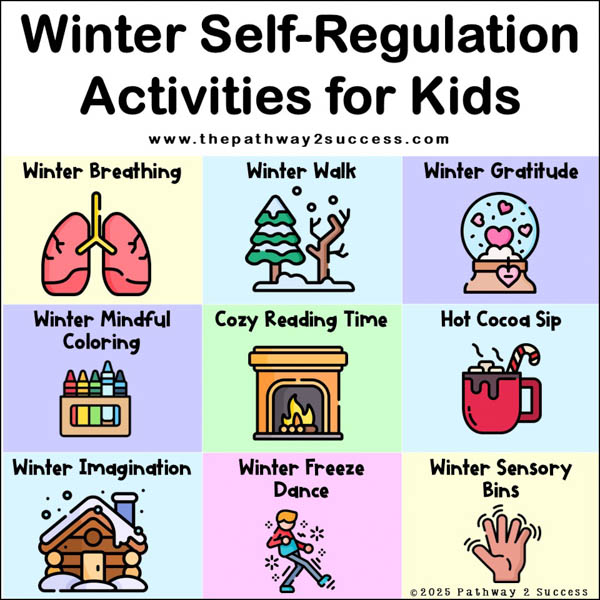
To bridge the gap between neurological science and practical application, experts advocate for a multi-sensory approach. The following ten activities are specifically designed to meet children where they are during the winter months, offering pathways to calm, focus, and emotional clarity.
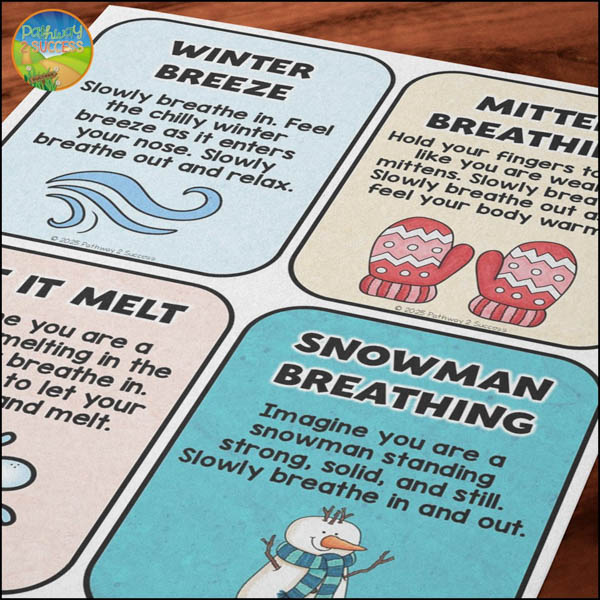
1. Winter Breathing Exercises
- What it is: Deep, controlled breathing techniques anchored by winter imagery.
- Implementation: Mindful breathing acts as an internal pause button, interrupting impulsive reactions by focusing attention on the inhale and exhale. Children can be introduced to specialized winter breathing cards that guide them to trace a snowflake while inhaling, or imagine blowing out a candle on a warm holiday treat.
- Mechanism: Deep abdominal breathing stimulates the vagus nerve, rapidly engaging the parasympathetic nervous system to lower heart rate and restore cognitive control.
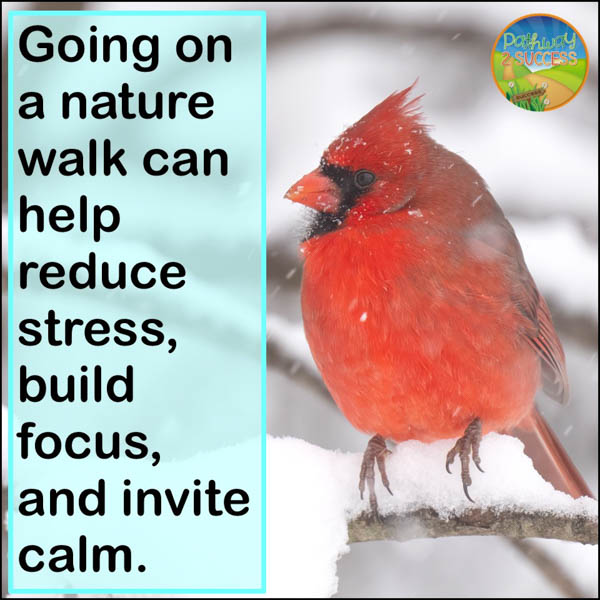
2. Outdoor Nature Walks
- What it is: Structured exploratory walks focusing on sensory awareness—sights, sounds, smells, and tactile sensations—in the cold air.
- Implementation: Establish clear behavioral expectations before venturing outdoors. Encourage children to notice the crunch of frozen grass, the sharp breeze against their skin, or a hawk soaring overhead. Post-walk journaling or group sharing helps consolidate the experience.
- Mechanism: Exposure to natural environments is clinically proven to reduce stress hormones, improve attention spans, and elevate mood. Furthermore, even brief outdoor exposure in winter provides essential daylight and physical movement.
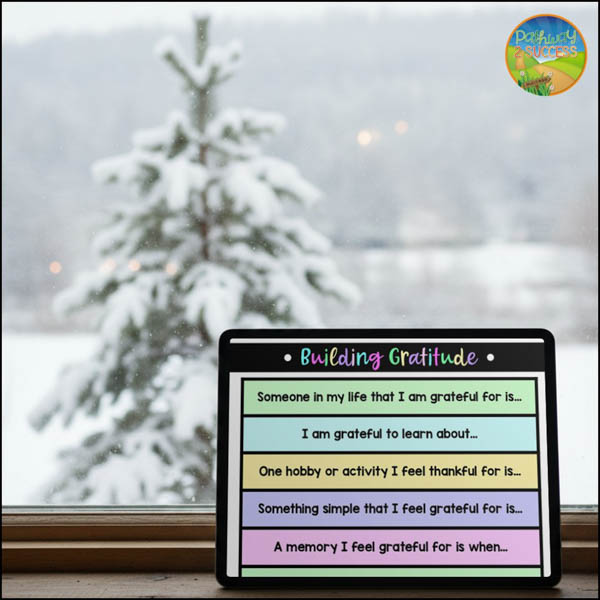
3. Seasonal Gratitude Reflections
- What it is: Intentional cognitive exercises focused on identifying and appreciating positive aspects of the winter season.
- Implementation: Move beyond superficial generalities by encouraging specific reflections—such as the sensation of warm sunshine on a cold morning or the comfort of a shared family meal. Utilizing structured sentence starters or daily reflection journals makes the practice accessible to various age groups.
- Mechanism: Gratitude practices actively rewire neural pathways, shifting cognitive bias away from stress and negativity toward resilience, improved sleep quality, and holistic well-being.
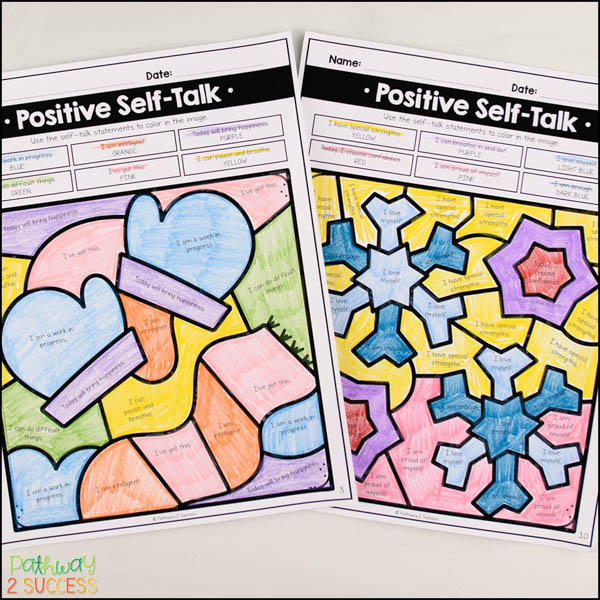
4. Mindful Winter Coloring
- What it is: Meditative coloring sessions utilizing winter-themed designs paired with positive self-talk phrases.
- Implementation: Provide students with coloring supplies and explicit permission to abandon perfectionism. The objective is not artistic mastery, but rhythmic repetition, focus, and relaxation.
- Mechanism: Coloring offers a tactile, creative outlet that reduces anxiety without requiring the strict stillness associated with traditional meditation, making it uniquely beneficial for children who require movement to self-regulate.
5. Cozy Reading Time
- What it is: Immersive, quiet reading sessions set against a backdrop of calm (such as projected digital fireplaces) to foster stillness and empathy.
- Implementation: Dedicate uninterrupted blocks of time for independent reading or teacher-led read-alouds. The latter offers the added benefit of co-regulation, anchoring the group in a shared, peaceful experience.
- Mechanism: Literary immersion lowers physiological stress markers, eases muscular tension, and provides a healthy mental escape from daily pressures.
6. Winter Sensory Bins
- What it is: Hands-on tactile exploration utilizing bins filled with winter-themed materials such as artificial snow, pinecones, cinnamon sticks, and polished stones.
- Implementation: Fill large, manageable containers with safe sensory objects that encourage sorting, counting, and imaginative storytelling.
- Mechanism: Tactile play grounds children in the present moment, satisfying sensory-seeking behaviors while supporting fine motor development and emotional grounding.
7. The Mindful Hot Cocoa Sip
- What it is: A slow, multi-sensory tasting exercise centered around a warm cup of cocoa (or any comforting beverage).
- Implementation: Guide participants to hold the warm mug, inhale the rich aroma, feel the texture of the liquid, and take deliberate, spaced-out sips while paying attention to every sensation.
- Mechanism: Warm beverages signal the central nervous system to relax, while the act of slow, mindful consumption anchors runaway thoughts into concrete physical sensations.
8. Winter Imagination and Visualization
- What it is: Guided imagery exercises where children mentally construct and explore peaceful winter landscapes.
- Implementation: With eyes closed, participants are led through sensory prompts: What do you hear in this snowy forest? What does the crisp air smell like? Scenarios can range from a quiet cabin in the woods to a gentle snowfall over a mountain range.
- Mechanism: Visualization harnesses the brain’s neuroplasticity, allowing individuals to induce a physiological state of calm purely through mental focus.
9. Winter Crafts and Hands-On Projects
- What it is: Structured creative building projects, ranging from paper snowflakes to complex seasonal art pieces.
- Implementation: Offer a balance of directed instructions and creative autonomy, allowing children to navigate the frustrations of the creative process in a safe environment.
- Mechanism: Fine-motor engagement paired with multi-step execution trains executive functions, teaching children how to manage frustration and maintain focus when tasks become challenging.
10. Winter-Themed Music and Freeze Dance
- What it is: Auditory relaxation paired with dynamic movement exercises that test impulse control.
- Implementation: Play gentle instrumental winter tracks during independent work or transitions. Complement this with "Freeze Dance," where participants move freely to music and must instantly freeze upon hearing a specific winter vocabulary word.
- Mechanism: Music directly modulates emotional states through auditory-neurological pathways, while games like freeze dance specifically target inhibitory control—a core component of executive functioning.
Official Statements and Expert Perspectives
Child development specialists and educational authorities continue to emphasize that emotional regulation is a learned competency that requires deliberate cultivation, particularly during high-stress operational windows like the winter season.

"Self-regulation is not something children simply pick up by osmosis; it is a scaffolded skill that requires intentional teaching, safe environments, and consistent practice," notes Dr. Elena Vance, a leading child psychologist specializing in educational environments. "When we enter the winter months, the natural biological rhythms of children are challenged by confinement and darkness. Implementing playful, sensory-rich regulation strategies is not an interruption of instructional time—it is the prerequisite for it."
Furthermore, school administrators have increasingly highlighted the return on investment when proactive emotional health measures are prioritized. Schools that integrate mindfulness, sensory breaks, and gratitude practices report measurable drops in disciplinary referrals and significant improvements in academic engagement during the notoriously difficult post-holiday winter stretch.
Future Outlook: Integrating Emotional Health into Year-Round Curriculums
As the educational landscape continues to evolve toward a holistic model that values mental health alongside academic achievement, the integration of seasonal self-regulation strategies is poised to become standard operating procedure.
Looking forward, specialists advocate for systemic institutional changes:

- Proactive Curriculum Design: Rather than reacting to behavioral crises in January and February, schools are beginning to map out emotional support frameworks well in advance of the winter transition periods.
- Teacher Well-Being Integration: Recognizing that educators themselves are subject to winter burnout and dysregulation, future professional development models increasingly incorporate mindfulness and self-care training for staff.
- Universal Accessibility: The future of self-regulation tools lies in universal design—ensuring that sensory bins, breathing cards, and movement breaks are seamlessly available to all students, regardless of neurodiversity or diagnostic labels.
Ultimately, navigating the winter months successfully requires a collective shift in perspective. By viewing winter not as an obstacle to be endured, but as a unique seasonal opportunity to teach resilience, mindfulness, and emotional self-mastery, educators and parents can empower children to weather any storm—internal or external—with grace, balance, and enduring calm.

