In the high-stakes landscape of modern education, instructional coaching and school leadership are fundamentally rooted in change management. When instructional coaches or administrators step into classrooms, their objective is nearly always to facilitate improvement—modifying instructional practices, adopting new curricula, or shifting pedagogical approaches. Yet, these well-intentioned directives frequently run headfirst into a formidable barrier: teacher pushback.
Traditionally, when educators resist new methodologies, institutional blame falls squarely on the individual. The narrative defaults to deficit-based thinking, characterizing resistant teachers as stubborn, set in their ways, or fundamentally averse to innovation. However, a profound paradigm shift is underway in the discourse on professional development.
According to renowned educator, author, and coach Elena Aguilar, this conventional diagnosis of resistance is dangerously flawed. In her groundbreaking ninth book, How to Coach Resistance: Turning Pushback Into Possibility, Aguilar asserts that resistance is not an isolated character flaw inherent to a teacher. Instead, it is a dynamic, relational phenomenon co-created by both parties in an interaction. The manner in which a coach or leader reacts to initial hesitation often exacerbates the defensive posture, locking both individuals into a counterproductive power struggle.
This realization offers a liberating perspective for the educational community. If resistance is a shared dynamic rather than a fixed trait, coaches and school leaders retain immense agency over the interaction. By altering their approach, stepping back from defensive postures, and embracing deep curiosity, instructional leaders can transform adversarial pushback into a catalyst for genuine professional growth. This in-depth report explores Aguilar’s transformative frameworks—ranging from emotional acknowledgement to structural gap analysis—and evaluates their broader implications for school leadership, collaborative mentoring, and institutional culture.
Detailed Chronology of the Coaching Dynamic and the Evolution of Pushback
To understand how professional development has historically mismanaged teacher resistance, one must trace the evolution of the instructional coaching dynamic over the last two decades.
The Era of Compliance-Driven Supervision
In earlier decades, classroom observation and instructional leadership operated primarily through a top-down, evaluative lens. Administrators functioned as inspectors rather than partners. When a teacher expressed reluctance toward a district mandate, the response was typically administrative coercion: compliance was demanded, and pushback was penalized. This climate fostered an institutional culture of fear, where educators learned to mask their difficulties behind closed doors rather than seek meaningful support.
The Rise of Instructional Coaching and the Persistence of the "Will Gap"
As education transitioned toward collaborative instructional coaching models in the 2000s and 2010s, the paradigm shifted toward support and capacity building. Yet, remnants of the old evaluative mindset persisted. When teachers questioned new initiatives, coaches frequently diagnosed the friction as a "will gap"—the assumption that the teacher simply lacked the motivation or desire to improve.
This diagnosis frequently triggered a predictable behavioral cycle:
The Directive: A coach or leader introduces a new instructional strategy or curriculum.
The Hesitation: The teacher voices practical concerns or skepticism regarding its efficacy for their specific student demographic.
The Escalation: Interpreting the hesitation as defiance, the coach doubles down, citing research, policy, or standardized metrics to invalidate the teacher’s concerns.
The Defensive Stalemate: The teacher retreats into emotional self-preservation, shutting down communication entirely. Both parties leave the interaction frustrated, reinforcing the erroneous belief that the teacher is inherently "resistant."
Aguilar’s Intervention and the Relational Paradigm
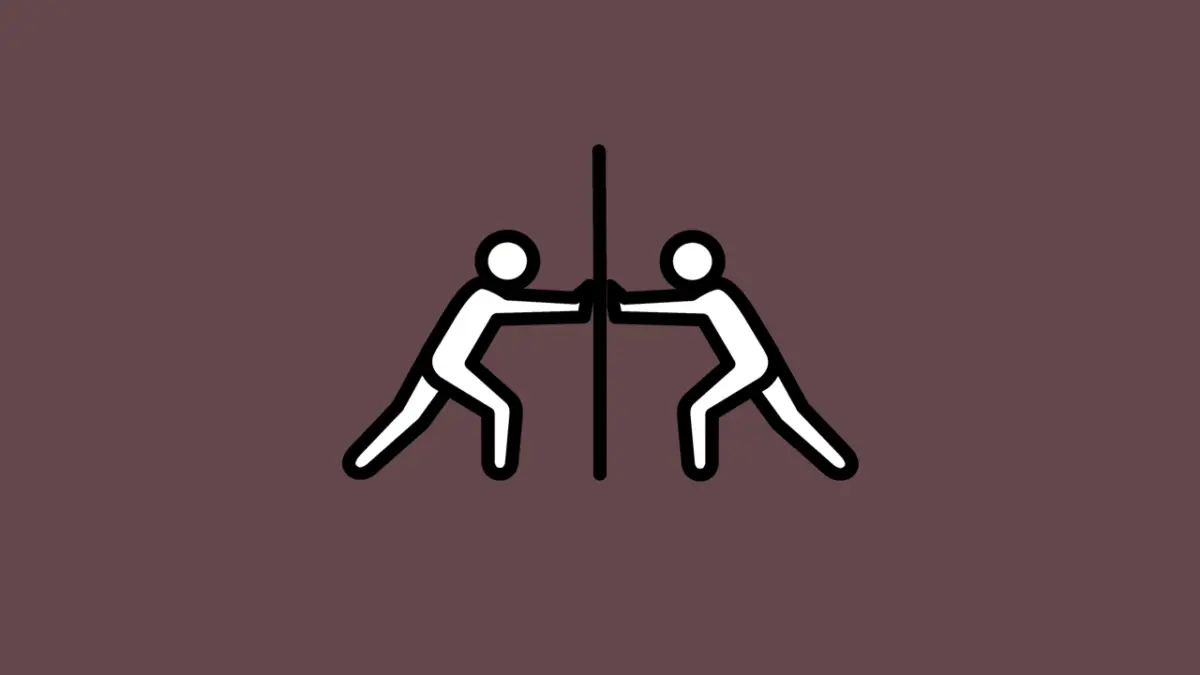
Aguilar’s work challenges this chronological trajectory by reframing the interaction entirely. Drawing from extensive field experience, she likens the traditional coaching standoff to two individuals forcefully pressing their hands together. The resulting pressure does not originate from a single source; it is a shared product of mutual opposition.
By introducing actionable methodologies that prompt coaches to "drop their hands," Aguilar’s framework represents a modern evolution in professional development—one that trades compliance for collaboration, and judgment for systemic curiosity.
Supporting Context & Frameworks: Decoding the Mechanics of Resistance
To dismantle unproductive pushback, Aguilar provides structural frameworks designed to help instructional leaders diagnose the root causes of friction before attempting intervention.
1. The ACE Framework: Addressing the Emotional Subtext
Beneath almost every instance of vocal pushback lies a complex web of unexpressed emotions—fear of failure, anxiety over shifting expectations, or shame regarding perceived inadequacy. Aguilar’s ACE framework offers a three-step process to navigate this emotional landscape:
Acknowledge Emotions: Before jumping into tactical problem-solving, coaches must pause and name the emotional climate. This requires no clinical background; it simply involves exploratory validation. Rather than declaring an educator angry or resistant, a coach might observe, "It sounds like there’s some genuine apprehension here about how this timeline will work. Does that resonate?" Utilizing tools such as Aguilar’s Core Emotions inventory helps educators pinpoint precise emotional states—moving from generalized distress to specific vulnerabilities like fear or inadequacy.
Cultivate Compassion: Self-judgment often compounds teacher stress. Aguilar suggests helping educators practice self-compassion by reframing their internal monologue: "What would you say to a cherished colleague or best friend experiencing this exact challenge?" Crucially, Aguilar stresses that coaches must model this self-compassion internally; an invitation to extend grace is hollow if the coach has not cultivated it within themselves.
Expand the Story: Every reluctant interaction is tied to a foundational narrative—beliefs about student capacity, institutional support, or personal worth. Unpacking these cognitive scripts allows educators to examine alternative interpretations and explore viable instructional paths forward.
2. The Gaps Framework: Moving Beyond Will Deficits
When instructional alignment stalls, identifying the exact nature of the obstacle is paramount. Aguilar’s Gaps Framework categorizes professional hurdles into six distinct domains:
Skill: The mechanical ability to execute a strategy.
Knowledge: The theoretical understanding behind an instructional practice.
Capacity: The structural resources, time, and physical energy available.
Will: The internal motivation or desire to change.
Emotional Intelligence: The relational and self-regulatory competencies required to navigate complex classrooms.
Cultural Competence: The awareness and equity literacy needed to serve diverse student populations effectively.
By systematically evaluating these areas, coaches avoid defaulting to the false assumption that a teacher lacks "will." For instance, a high school mathematics instructor objecting to a literacy-heavy Common Core curriculum may initially appear uncooperative. However, investigation often reveals a knowledge and skill gap: the teacher was trained exclusively in quantitative instruction and never equipped with pedagogical strategies for teaching reading comprehension within math classes. Once the true gap is identified, targeted professional development replaces adversarial friction.
A vital contribution of Aguilar’s philosophy is the validation of dissent. Not all pushback is rooted in fear or skill deficits; sometimes, institutional mandates are pedagogically unsound, developmentally inappropriate, or ethically questionable.
Aguilar highlights scenarios where resistance is not only justified but necessary—such as a kindergarten mandate requiring young children to remain sedentary for prolonged periods of instruction. In such cases, effective coaches serve as sounding boards, helping educators weigh their options, assess potential institutional consequences, and channel their concerns toward decision-makers who hold systemic authority.
Official Insights and Expert Perspectives
In her comprehensive interviews and written works, Aguilar emphasizes that the transformation of school culture hinges on psychological safety and radical curiosity.
"This is not to blame you," Aguilar notes regarding the shared dynamic of resistance. "It is the most hopeful thing I can tell you, because it means resistance is not fixed. It is determined at least in part by what you bring into the room, and what you bring is something you can change."
This perspective redefines instructional leadership. Rather than viewing the classroom teacher as a passive subject requiring correction, effective coaches position themselves as empathetic partners. The operative mindset shifts from an authoritative "I am here to tell you what to fix" to a collaborative "I want to partner with you to navigate what is hard."
Educational researchers supporting this relational model note that schools utilizing collaborative coaching frameworks experience lower rates of teacher burnout and higher rates of sustainable curricular implementation. When educators feel heard rather than managed, the institutional threshold for innovation rises organically.
Future Outlook: Implications for School Leadership and Professional Development
As educational institutions navigate ongoing teacher shortages, post-pandemic learning recovery, and rapidly shifting technological demands, the methods used to support educators must evolve. The traditional, compliance-driven supervisory model is increasingly unviable in a profession demanding high emotional resilience and adaptive expertise.
The future of instructional coaching points directly toward trauma-informed, emotionally intelligent leadership practices of the kind outlined by Aguilar. Moving forward, school districts must invest heavily in training instructional coaches not only in curriculum and data analysis, but in adult learning theory, emotional literacy, and conflict mediation.
Key structural shifts expected in progressive school districts include:
Redefining Coach Evaluations: Assessing coaching efficacy not by the speed of teacher compliance, but by the depth of trust and psychological safety established within professional learning communities.
Integrating Emotional Intelligence into PD: Providing systematic training for administrators and coaches on frameworks like ACE to manage high-stress institutional transitions.
Encouraging Bottom-Up Feedback Loops: Creating formal mechanisms for teachers to express "righteous resistance" regarding structural policies without fear of professional reprisal.
Ultimately, turning pushback into possibility requires institutional courage. By abandoning outdated narratives of teacher defiance and embracing a posture of shared inquiry, educational leaders can unlock unprecedented levels of growth, fostering school cultures where both teachers and students thrive.