
Executive Overview
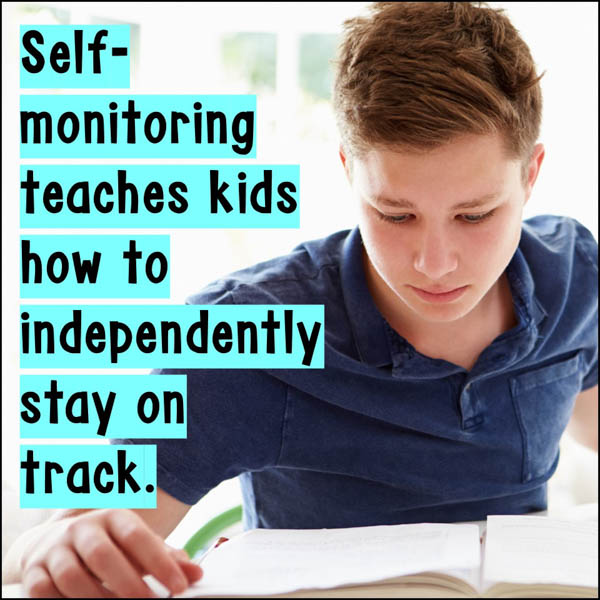
In an era characterized by digital distraction, hyper-fast information consumption, and escalating academic pressures, educators and parents are increasingly recognizing a critical developmental deficit in youth: the erosion of executive functioning skills. At the very heart of these foundational cognitive capacities lies self-monitoring—the psychological ability to pause, evaluate one’s current behavior or performance, and realign actions in real-time to successfully meet a specific goal.
Far from being an innate trait that children simply absorb through osmosis, self-monitoring is a sophisticated, evidence-based executive functioning skill. When properly cultivated, it serves as a powerful catalyst for behavioral management, sustained attention, academic achievement, and emotional self-regulation. Without structured guidance, however, children and teenagers frequently lose sight of their objectives, becoming easily derailed by boredom, academic frustration, or external stimuli.
This comprehensive report explores the fundamental science of self-monitoring, analyzes its critical role in modern educational landscapes, and outlines actionable, evidence-based strategies that educators, counselors, and parents can implement to help children and teens build independence, resilience, and lifelong cognitive success.
Detailed Chronology: The Evolution of Self-Monitoring in Educational Psychology
The integration of self-monitoring into mainstream educational practices did not happen overnight. It represents the culmination of decades of research at the intersection of cognitive psychology, behavioral therapy, and educational pedagogy. Understanding how this framework moved from clinical settings into the modern classroom provides vital context for its current application.
Phase 1: The Behavioral Roots (Late 20th Century)
In the early days of behavioral intervention, self-monitoring was primarily utilized as a clinical tool for children diagnosed with Attention-Deficit/Hyperactivity Disorder (ADHD) or severe behavioral disruptions. Therapists and specialized educators trained students to observe and record their own behaviors—such as tracking out-of-seat instances or completed math problems—on paper charts. These early interventions proved that simply bringing awareness to a behavior could dramatically alter it, laying the groundwork for independent self-regulation.
Phase 2: The Metacognitive Shift (Early 2000s)
As educational psychology evolved, researchers began to look beyond mere behavioral compliance, focusing instead on metacognition: "thinking about thinking." Scholars realized that true self-monitoring was not just about stopping a negative action, but about understanding why focus is lost and how a student can independently course-correct. This era saw the introduction of inner-speech strategies, where students were taught to use verbal cues and self-talk to guide themselves through complex multi-step academic tasks.
Phase 3: The Modern Era of Holistic Executive Functioning (Present Day)
Today, self-monitoring is widely recognized as a universal executive functioning skill necessary for all students, not just those with identified learning differences. Driven by modern neuroscientific insights into brain development—particularly the maturation of the prefrontal cortex—educators now implement self-monitoring frameworks across entire classrooms. Modern strategies incorporate mindfulness, digital and physical visual supports, structured reflection journals, and periodic check-ins, transforming self-monitoring from a reactive punishment-mitigation tool into a proactive framework for personal empowerment and lifelong success.
Supporting Context & Metrics: The Anatomy of Self-Monitoring
To understand why self-monitoring is so transformative, one must examine what it actually looks like in practice and the psychological machinery that powers it.
What is Self-Monitoring?
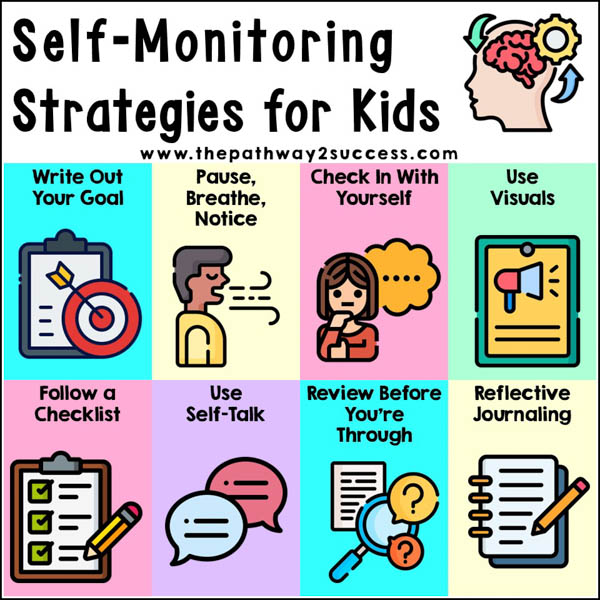
At its core, self-monitoring is the process of pausing to check with oneself to ensure that current actions align with long-term or immediate goals. When operationalized in a classroom or home environment, it manifests in two primary ways:
- Behavioral Monitoring: Keeping track of actions, such as maintaining focus during a group discussion, managing frustration when a task becomes difficult, or resisting impulses to chat with peers.
- Academic Monitoring: Tracking progress through assignments, reviewing work for errors before submission, and ensuring that instructions are being properly followed.
Key Supporting Strategies and Metrics of Success
Research consistently shows that students who engage in structured self-monitoring exhibit marked improvements across several developmental metrics:
- Task Engagement: Studies indicate that students utilizing self-monitoring checklists and timers increase their on-task behavior by up to 30% to 50% within weeks of implementation.
- Reduction in Academic Anxiety: By breaking large tasks into manageable segments and utilizing positive self-talk, students report lower levels of test and assignment-related stress.
- Increased Autonomy: Over time, external supports (like teacher reminders and chimes) can be faded away, leaving the student with fully internalized self-regulation mechanisms.
Official Insights & Expert Frameworks
Translating the theory of self-monitoring into daily practice requires a multi-faceted toolbox. Leading educational experts and child psychologists recommend the following structured approaches to build and strengthen a child’s "self-monitoring muscles":
1. Building an Inner Thinking Voice (Metacognition)
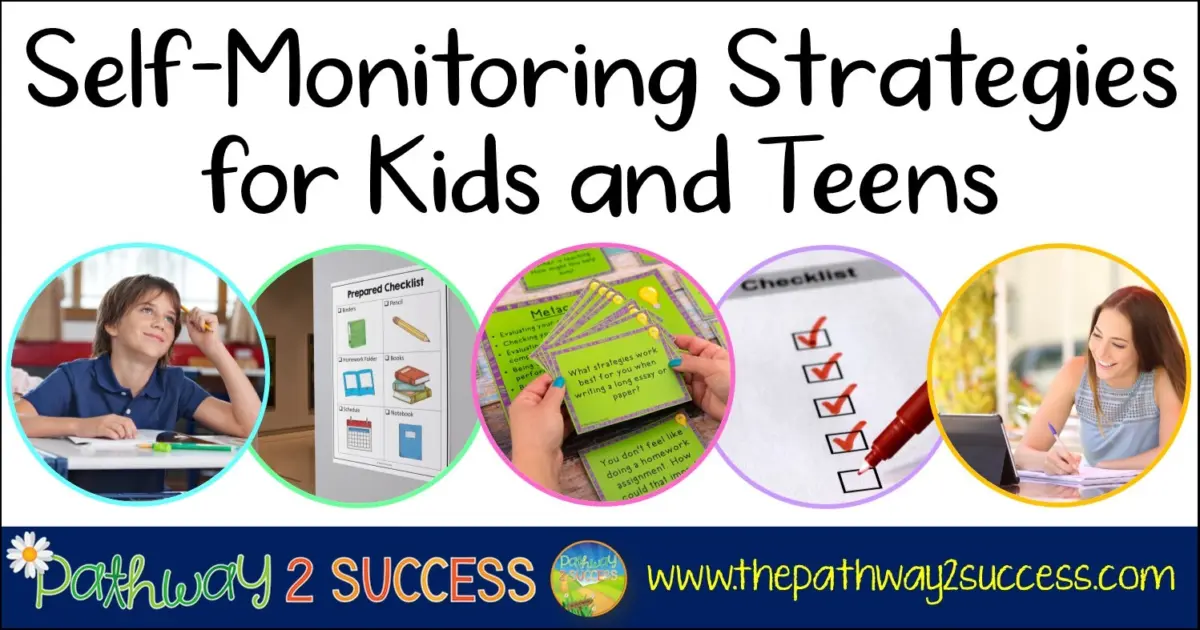
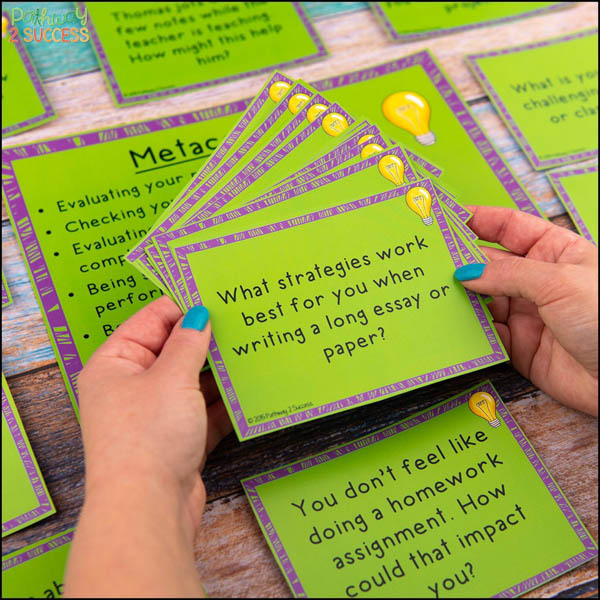
Self-monitoring cannot exist without metacognition. Educators can foster this by holding collaborative strategy discussions before, during, and after classroom activities. For instance, after a challenging math unit, teachers can facilitate a debriefing session asking: What made it difficult to stay focused today? At what point did you feel like giving up, and what did you do about it? Utilizing executive functioning discussion cards between activities encourages students to constantly evaluate their cognitive processes.
2. Writing Out Goals Explicitly
Before a working session begins, students should write down their immediate objective on a sticky note or index card (e.g., "I am currently reading Chapter 11 and taking notes on the main characters"). This physical act establishes clear intent and places ownership squarely on the student.
3. The Power of "Pause, Breathe, Notice"
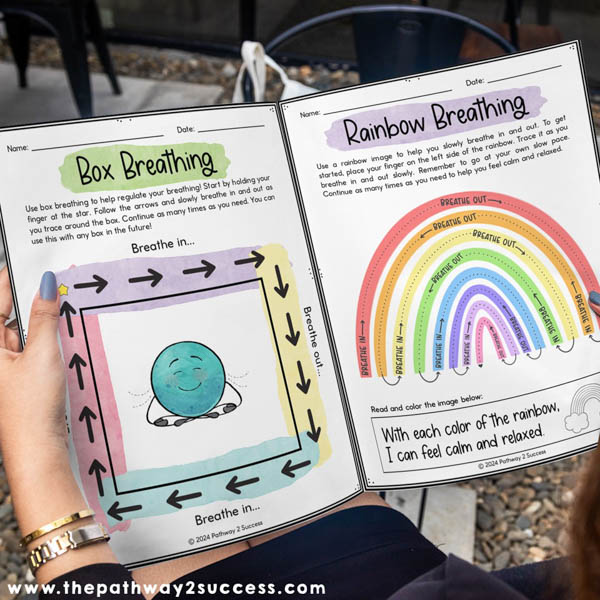
Living in a fast-paced digital world makes pausing a formidable challenge. Mindful breathing exercises serve as a physical anchor. By taking slow, deliberate breaths, counting them mentally, and noting bodily sensations, children and teens learn the physiological art of the pause—the essential prerequisite to checking in on their mental state.

4. Implementing Structured Check-Ins
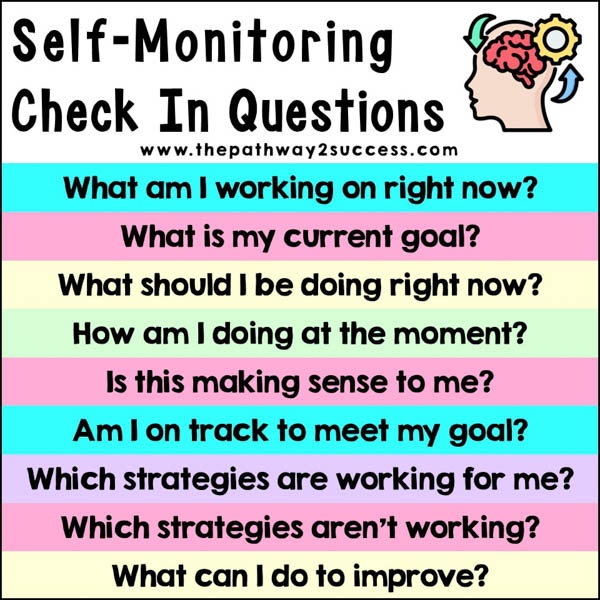
During independent work periods, educators can introduce periodic check-ins using a soft chime or timer. Students pause halfway through an assignment to ask themselves critical self-monitoring questions: Am I on track? What should I be doing right now? Do I need to change my strategy?
5. Utilizing Positive Self-Talk and Affirmations
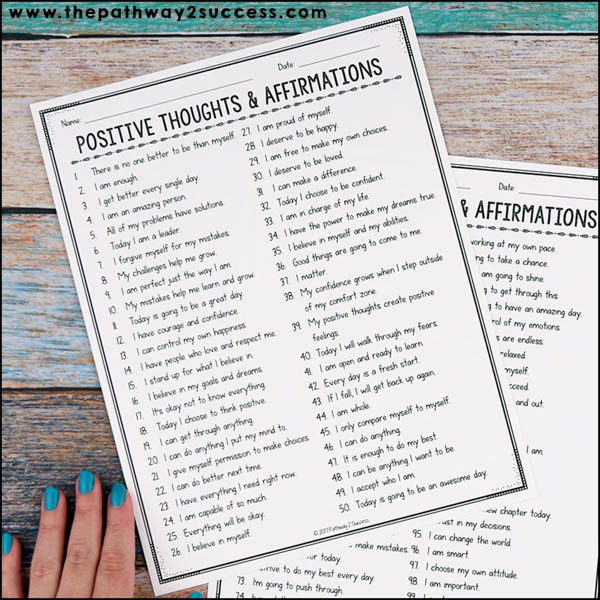
Negative internal dialogue often precipitates disengagement ("I’m bad at this," "I can’t do this"). Teaching children specific positive self-talk phrases—such as "I can take this one step at a time" or "Mistakes help my brain grow"—reboots their internal motivation and keeps them anchored to their goals.
6. Visual Supports, Checklists, and Tally Charts
Externalizing internal goals through visual aids drastically reduces cognitive load.
- Checklists: Transform multi-step tasks (like writing an essay or cleaning a room) into step-by-step progressions that children can check off independently.
- Tally Charts: Allow students to physically mark target behaviors, such as the number of math problems completed without distraction.
- Timers: Create structured bursts of intense focus, gradually lengthening study intervals as endurance builds.
7. Strategic Brain Breaks and Reflective Journaling
Cognitive stamina requires renewal. Strategic brain breaks—ranging from physical stretches to coloring mindfulness pages—provide natural transition points for self-reflection. Following these breaks, reflective journaling allows students to analyze what went well and identify areas for future improvement.
Future Outlook: The Lifelong Impact of Early Self-Monitoring
As the demands of the modern workforce evolve, the traditional emphasis on rote memorization is rapidly being replaced by a premium on high-level executive functioning, adaptability, and emotional intelligence. Self-monitoring stands at the vanguard of these essential competencies.
Looking forward, educational systems must move toward a holistic model where executive functioning skills are explicitly taught alongside traditional core subjects like mathematics, literature, and science. By embedding self-monitoring strategies—such as goal setting, mindful pauses, and reflective journaling—into early childhood education and carrying them through secondary school, society equips the next generation with an indispensable psychological armor.
Ultimately, teaching a child to monitor their own mind is the ultimate act of empowerment. It shifts the paradigm of discipline and learning from external compliance to internal mastery, ensuring that kids and teens do not merely navigate the challenges of the classroom, but grow into resilient, self-directed adults capable of achieving their deepest goals in an increasingly complex world.

