
Executive Overview
In an era defined by rapid technological distractions, shrinking attention spans, and mounting academic pressures, children and teenagers face unprecedented hurdles in maintaining focus and achieving their long-term goals. While modern educational discourse frequently focuses on curriculum design and standardized testing metrics, a foundational pillar of student success is frequently overlooked: executive functioning. At the heart of executive functioning lies self-monitoring—an evidence-based, highly trainable psychological mechanism that empowers young minds to observe, evaluate, and adjust their behaviors in real-time.
Self-monitoring is not merely an innate personality trait; it is a critical life skill. It operates as the internal compass that allows a child to pause during a chaotic school day, assess whether their current actions align with their intended objectives, and execute course corrections independently. Without robust self-monitoring abilities, students easily lose sight of tasks, fall behind on academic deadlines, and struggle with emotional self-regulation.
This comprehensive report examines the theoretical framework of self-monitoring, details practical, classroom-tested intervention strategies, and provides an authoritative roadmap for educators, school counselors, and parents looking to build metacognitive resilience in youth. By integrating structured techniques—ranging from goal visualization and mindful breathing to tally charting and reflective journaling—adults can help children transition from external behavioral management to complete internal autonomy.
Detailed Chronology: The Developmental Trajectory of Executive Functioning
To understand why self-monitoring is so vital for modern youth, it is essential to trace how executive functioning skills develop across childhood and adolescence. Executive functions are a family of top-down mental processes managed by the prefrontal cortex—the region of the human brain responsible for impulse control, working memory, cognitive flexibility, and planning.
Early Childhood: Laying the Groundwork
The journey toward self-monitoring begins long before a child enters a middle school classroom. In early childhood, executive functions are almost entirely externalized. Toddlers and preschoolers rely heavily on caregivers, teachers, and environmental cues to regulate their behavior. During this phase, adults act as the child’s "prefrontal cortex," providing verbal prompts, behavioral boundaries, and constant supervision.
Middle Childhood: The Emergence of Metacognition
As children advance into elementary school, the demands of the classroom environment shift dramatically. Students are increasingly expected to transition between tasks independently, follow multi-step instructions, and manage their time during assignments. This is the critical window where metacognition—"thinking about thinking"—begins to take root.
During middle childhood, educators introduce foundational self-monitoring concepts. Children learn to identify when they are stuck on a math problem, recognize the physical signs of frustration or boredom, and use simple self-talk phrases to refocus their attention. However, their capacity for sustained self-monitoring remains fragile, requiring regular prompts, visual schedules, and structured check-ins from adults.
Adolescence: Navigating the Prefrontal Cortex Transition
Adolescence marks a period of profound neurodevelopmental remodeling. The adolescent brain undergoes significant synaptic pruning and myelination within the prefrontal cortex. Despite their advanced cognitive capabilities, teenagers often experience a temporary dip in self-regulation and impulse control as emotional centers of the brain (such as the amygdala) momentarily outpace rational oversight.
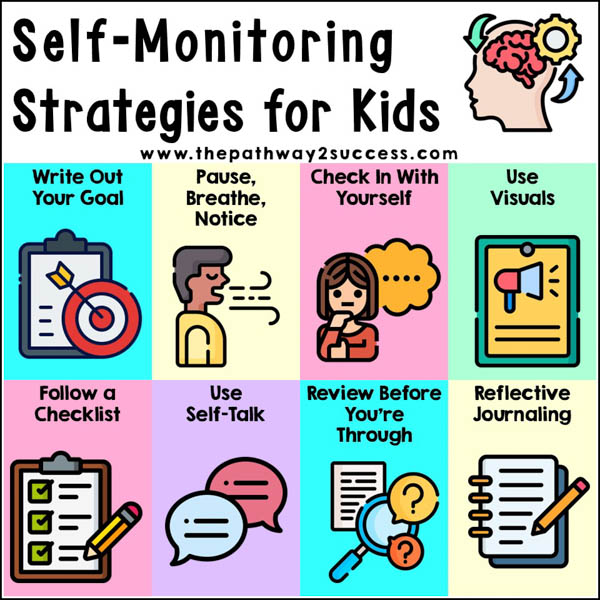
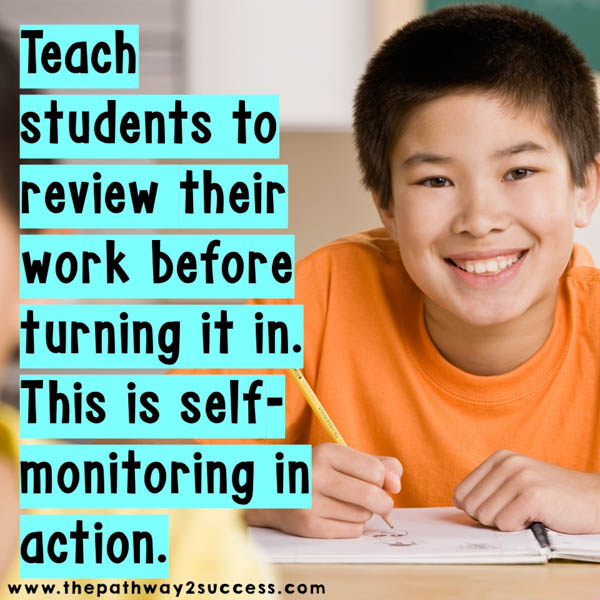
For teenagers, self-monitoring evolves into a sophisticated tool for academic survival and social navigation. High schoolers must balance complex coursework, extracurricular commitments, and peer dynamics. When teens master advanced self-monitoring strategies—such as point sheets, strategic time-blocking, and rigorous pre-submission assignment reviews—they bridge the gap between adolescence and independent adulthood.
Supporting Context & Metrics: The Science Behind Self-Monitoring
Decades of educational psychology research confirm that self-monitoring is one of the most powerful behavioral interventions available to educators. Unlike reactive punitive measures, which address misbehavior after it occurs, self-monitoring is proactive and empowering. It places the agency squarely in the hands of the student.
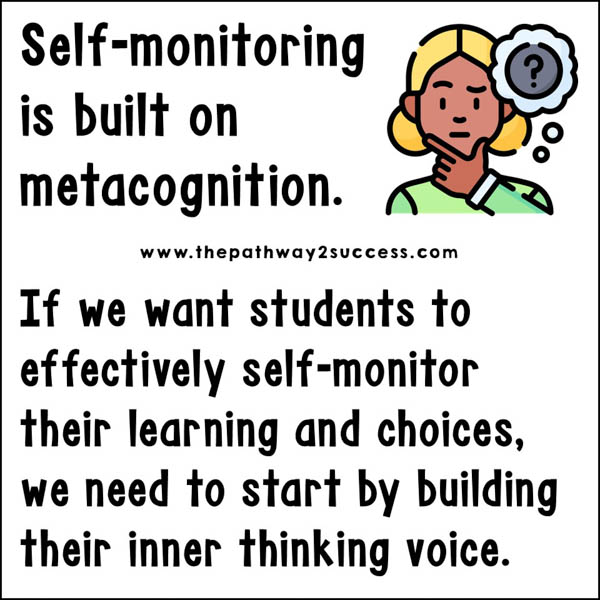
The Cognitive Architecture of Self-Monitoring
At its core, self-monitoring requires three sequential cognitive steps:
- Observation: The individual actively notices their current behavior, attention level, or emotional state.
- Evaluation: The individual compares their observed behavior against a predetermined standard, goal, or expectation.
- Adjustment: If a discrepancy exists, the individual alters their actions to realign with their goal.
When students practice these steps consistently, they build new neural pathways associated with self-regulation. Research indicates that interventions incorporating self-monitoring significantly improve academic engagement, reduce disruptive classroom behaviors, and foster higher rates of task completion across diverse student populations, including those with ADHD and other neurodivergent profiles.
The Intersection of Mindfulness and Metacognition
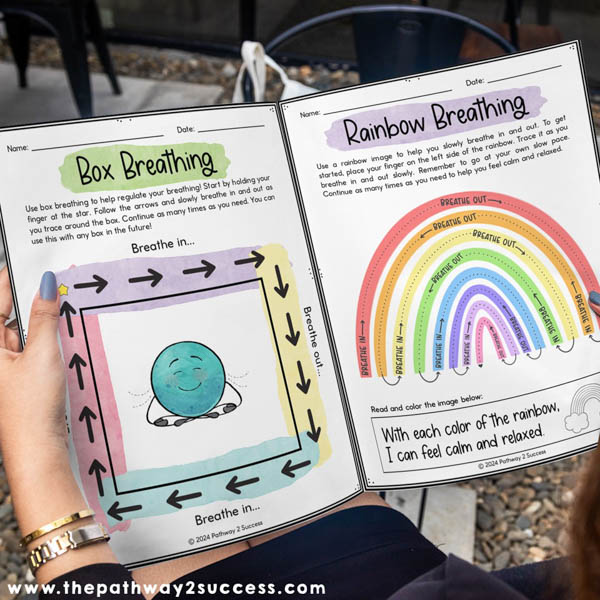
Recent clinical and educational studies underscore the profound impact of mindfulness practices on executive functioning. Breathwork and somatic pauses are not merely relaxation techniques; they are neurological resets. When a child learns to "pause, breathe, and notice," they activate the parasympathetic nervous system, lowering stress hormones and bringing the prefrontal cortex back online. This physiological pause creates the essential window of time required for effective self-monitoring to take place.
Actionable Frameworks: Evidence-Based Strategies for Home and Classroom
Building robust self-monitoring skills requires a systematic, multi-faceted approach. Educators and parents can implement the following proven strategies to help children and teens internalize these habits.

1. Build an Inner Thinking Voice Through Metacognitive Dialogue
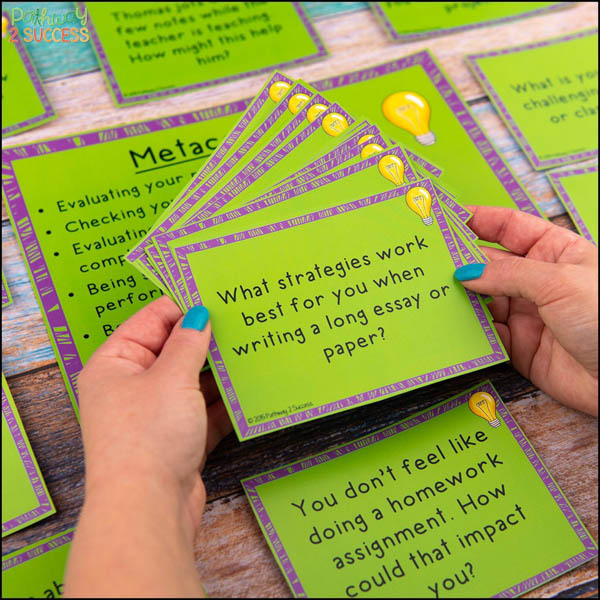
Self-monitoring relies on an active inner dialogue. Adults can cultivate this voice by normalizing strategy discussions before, during, and after learning activities.
- Classroom Application: Following a challenging collaborative assignment, host a debriefing circle. Ask students to share specific moments when they felt their focus slipping and how they managed to pivot.
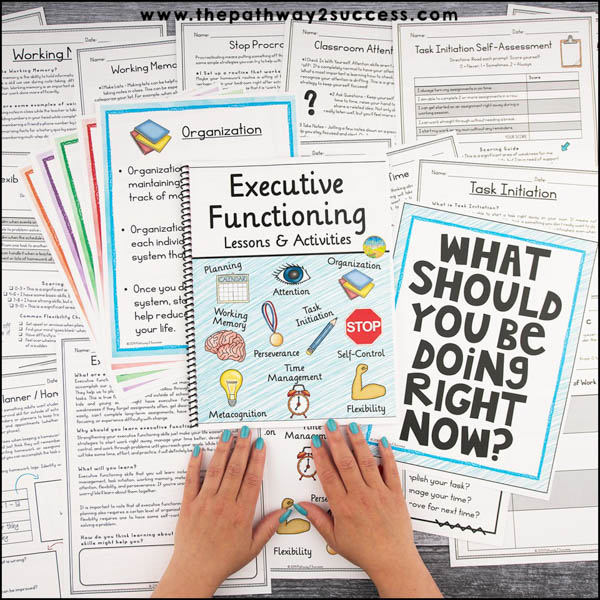
- Tool Integration: Utilize executive functioning discussion cards during transitional moments between lessons to prompt continuous self-reflection.
2. Concrete Goal Formulation
A child cannot monitor their progress if they do not know what destination they are tracking toward.
- Implementation: Before beginning any independent work session, have students write their explicit goal on a sticky note or index card (e.g., "I am reading Chapter 4 and taking notes on key vocabulary"). This physical anchor reinforces ownership and acts as a constant visual reminder.
3. The Power of the Somatic Pause
Living in a fast-paced digital world trains young brains for instant gratification, making patience and pausing exceptionally difficult.
- Implementation: Incorporate structured deep-breathing exercises into the daily routine. Teach students to sit comfortably, inhale deeply while counting mentally, and notice the physical sensations of their breath. This simple habit establishes the neural circuitry needed to pause when frustration strikes.
4. Structured Self-Check-Ins
Rather than waiting for an adult to point out a lack of focus, students must learn to independently audit their progress.
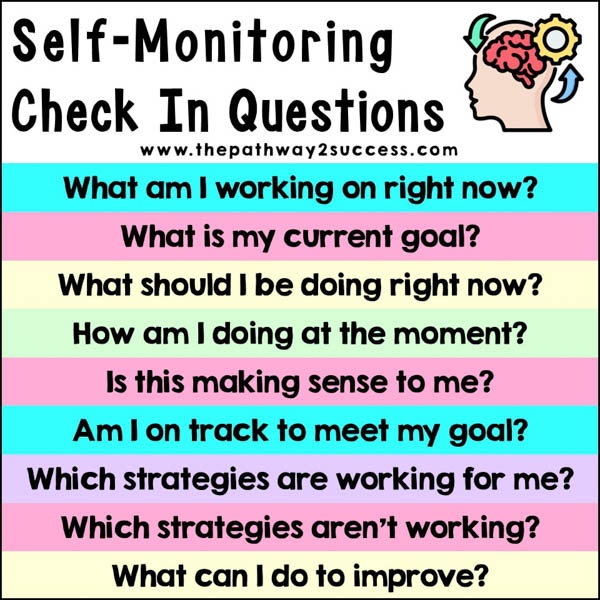
- Implementation: Set a gentle chime to sound halfway through a testing or writing session. When the chime rings, students pause and ask themselves targeted questions: "Am I on task?" "Do I need to change my strategy?" "What is my next step?"
5. Leveraging Positive Self-Talk and Affirmations
Negative self-talk ("I’m bad at math," "I can’t do this") triggers anxiety and avoidance. Positive self-talk serves as a motivational engine for self-monitoring.
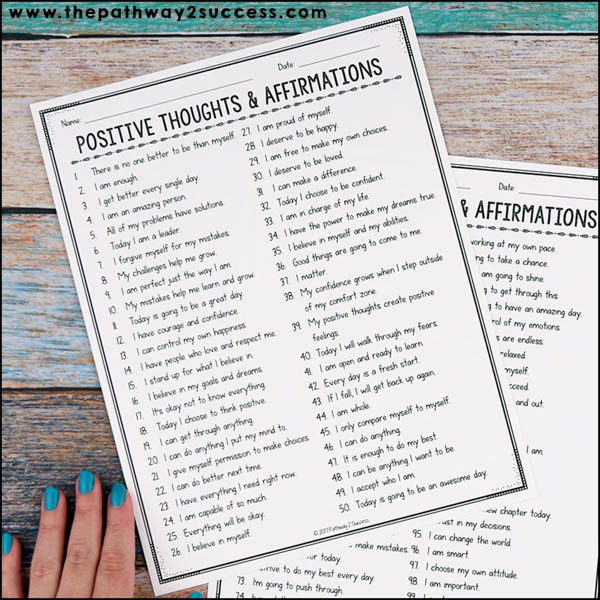
- Implementation: Expose students to targeted affirmations and coping statements (e.g., "Mistakes help my brain grow," "I can take this one step at a time"). Encourage them to repeat these phrases when encountering academic roadblocks.
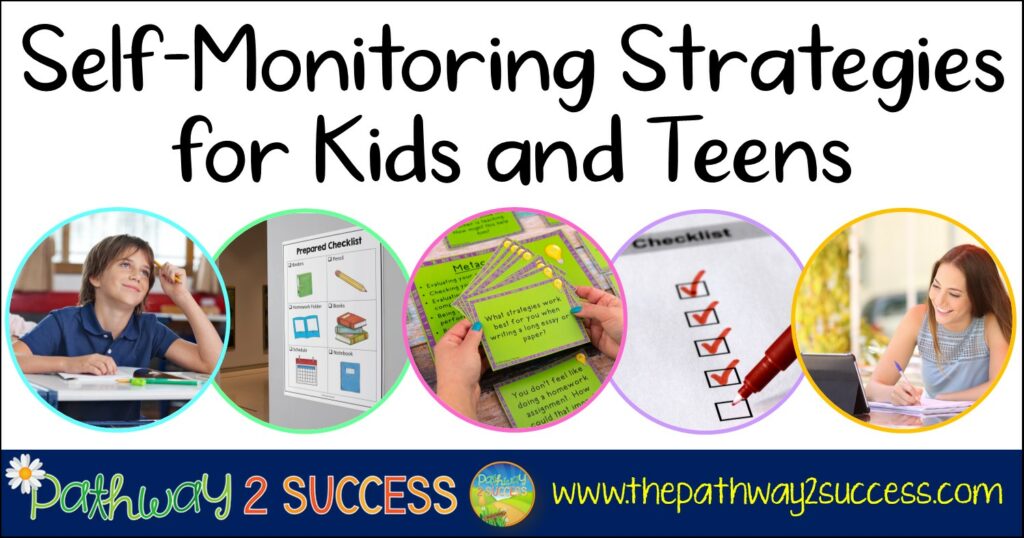
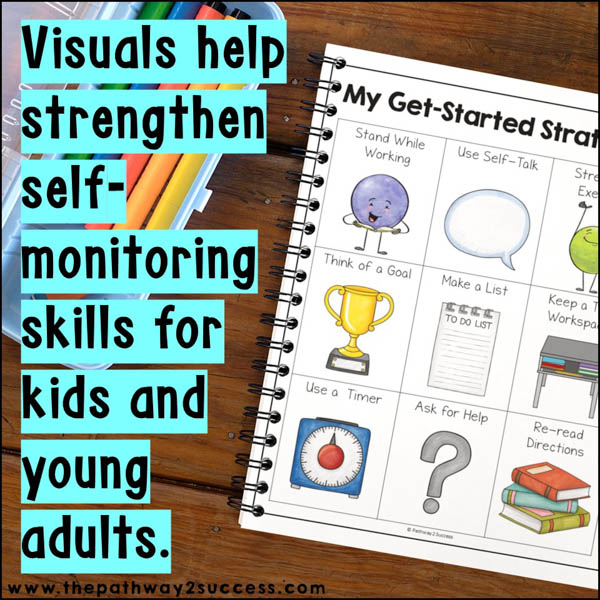
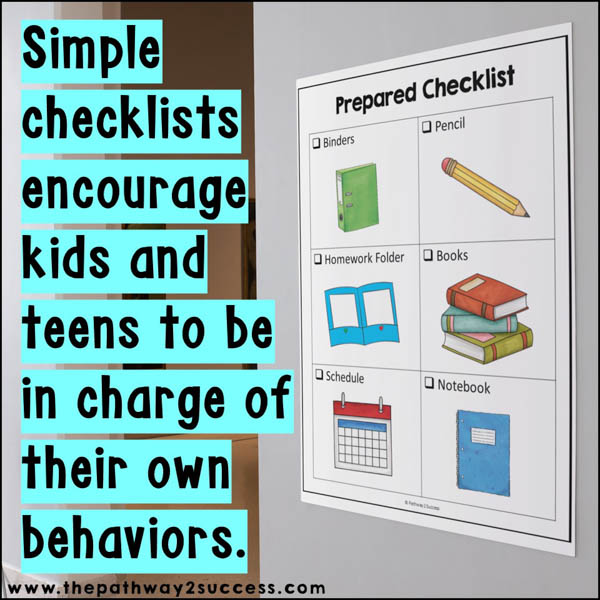
6. Visual Aids and Customized Checklists
External visuals reduce cognitive load for students struggling with working memory and organization.
- Implementation: Design customizable checklists for multi-step tasks—such as packing a backpack, completing a science lab report, or editing an essay. Over time, encourage students to design their own checklists, fostering true independence.
7. Quantitative Tracking: Tally Charts and Timers
Objective data removes ambiguity from behavior management.
- Implementation: For younger learners or students with attention deficits, use tally charts to track target behaviors (e.g., adding a tick mark for every math problem solved independently). Similarly, deploying visual timers for short, focused work bursts (e.g., 10 minutes of uninterrupted journal writing) teaches time-awareness and pacing.
8. Strategic Brain Breaks and Reflective Journaling
Cognitive stamina requires strategic replenishment.
- Implementation: Integrate structured brain breaks—such as gentle stretching, drawing, or mindful coloring—to keep minds fresh. Conclude significant projects with reflective journaling, prompting students to analyze what went well, what obstacles arose, and how they can adapt their approach in the future.
Official Statements and Expert Insights
Educational leaders and child development specialists universally emphasize the necessity of shifting educational paradigms toward executive functioning development.
Dr. Elena Vance, a leading developmental psychologist specializing in neurodivergent learning supports, notes:
"For decades, we have penalized children for executive dysfunction, viewing lack of focus or disorganization as behavioral defiance. When we reframe these challenges through the lens of self-monitoring and explicit skill instruction, we transform the classroom from a space of compliance into a laboratory of personal growth. Children want to succeed; our job is to hand them the navigational tools."
Furthermore, prominent school district administrators highlight the long-term societal benefits of these interventions. Longitudinal tracking reveals that students equipped with strong self-monitoring and metacognitive toolkits demonstrate superior emotional regulation, higher graduation rates, and greater resilience when transitioning into higher education and the modern workforce.
Future Outlook: The Next Frontier in Youth Empowerment
As educational institutions look toward the future, the integration of executive functioning training into core curricula is shifting from an optional accommodation to an essential standard. The rise of digital distractions and accelerated information consumption makes self-monitoring more critical than ever.
Future initiatives will likely see an increased emphasis on trauma-informed educational practices, where self-monitoring and mindfulness are leveraged not only for academic optimization but for emotional healing and trauma recovery. By systematically teaching children and teens how to pause, reflect, and guide their own behavior, society invests in a generation of resilient, independent, and self-directed individuals capable of navigating an increasingly complex world.
Through consistent practice, patience, and evidence-based support systems, parents and educators can ensure that every child develops the internal fortitude required to reach their fullest potential.

